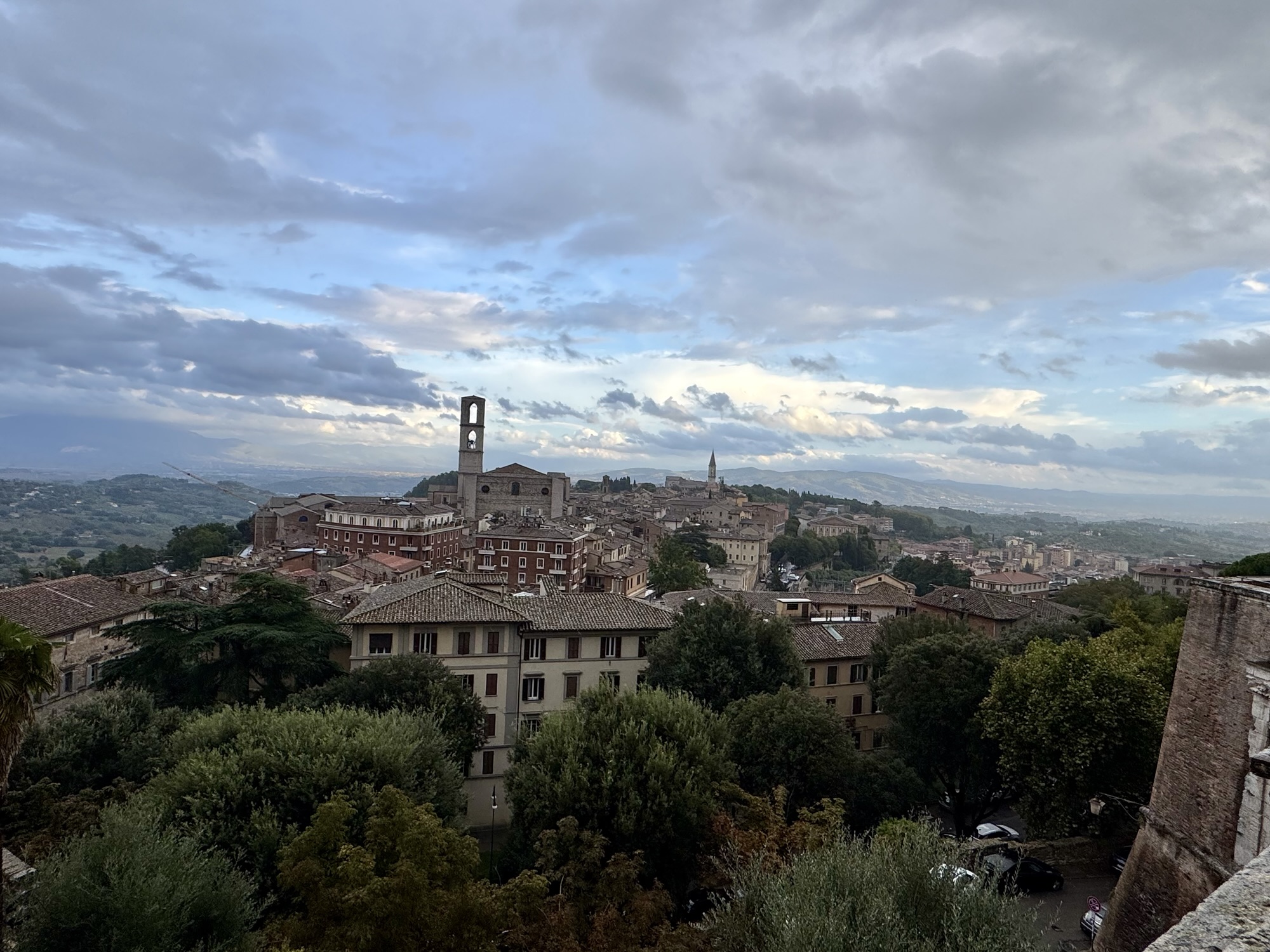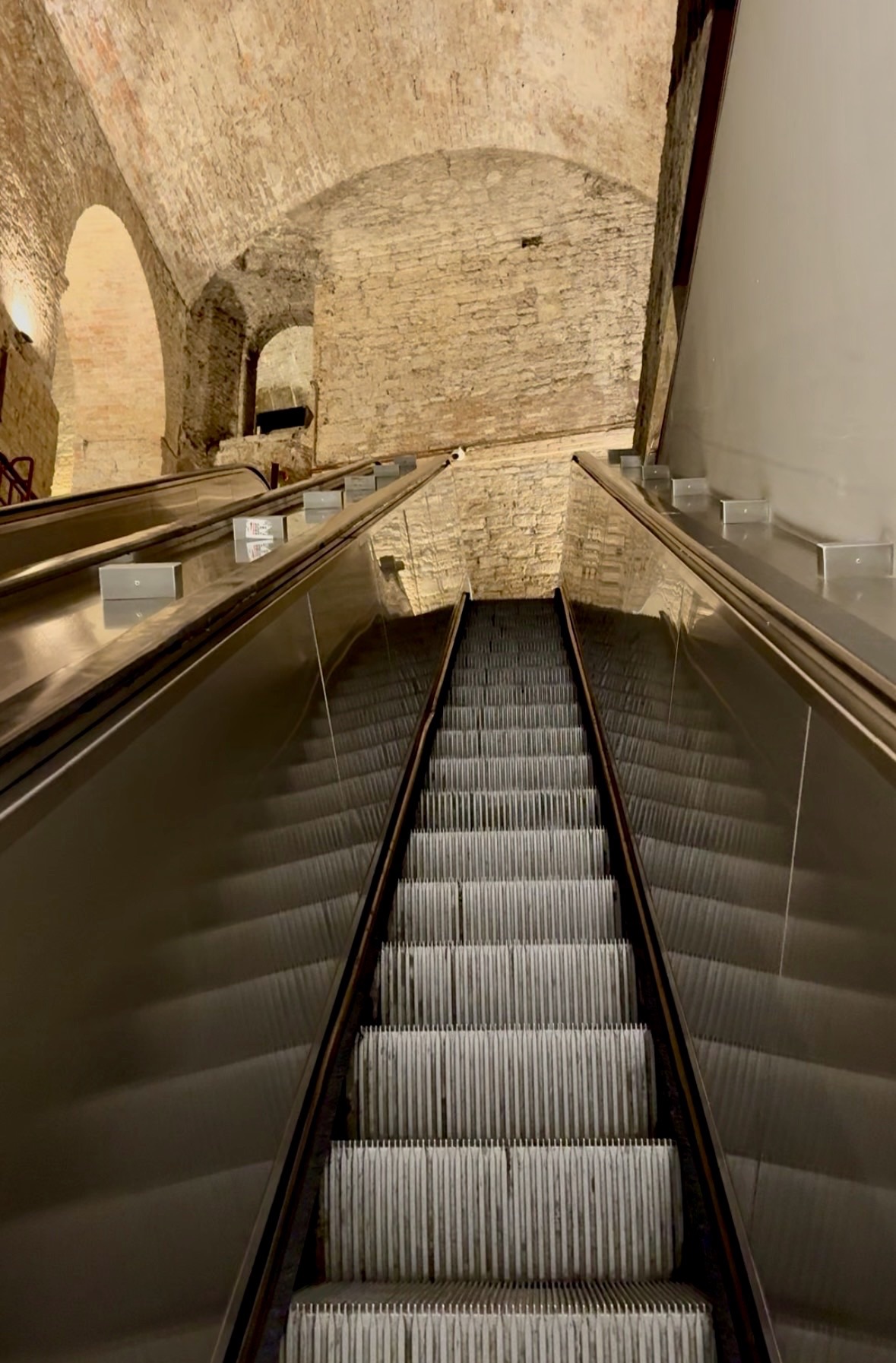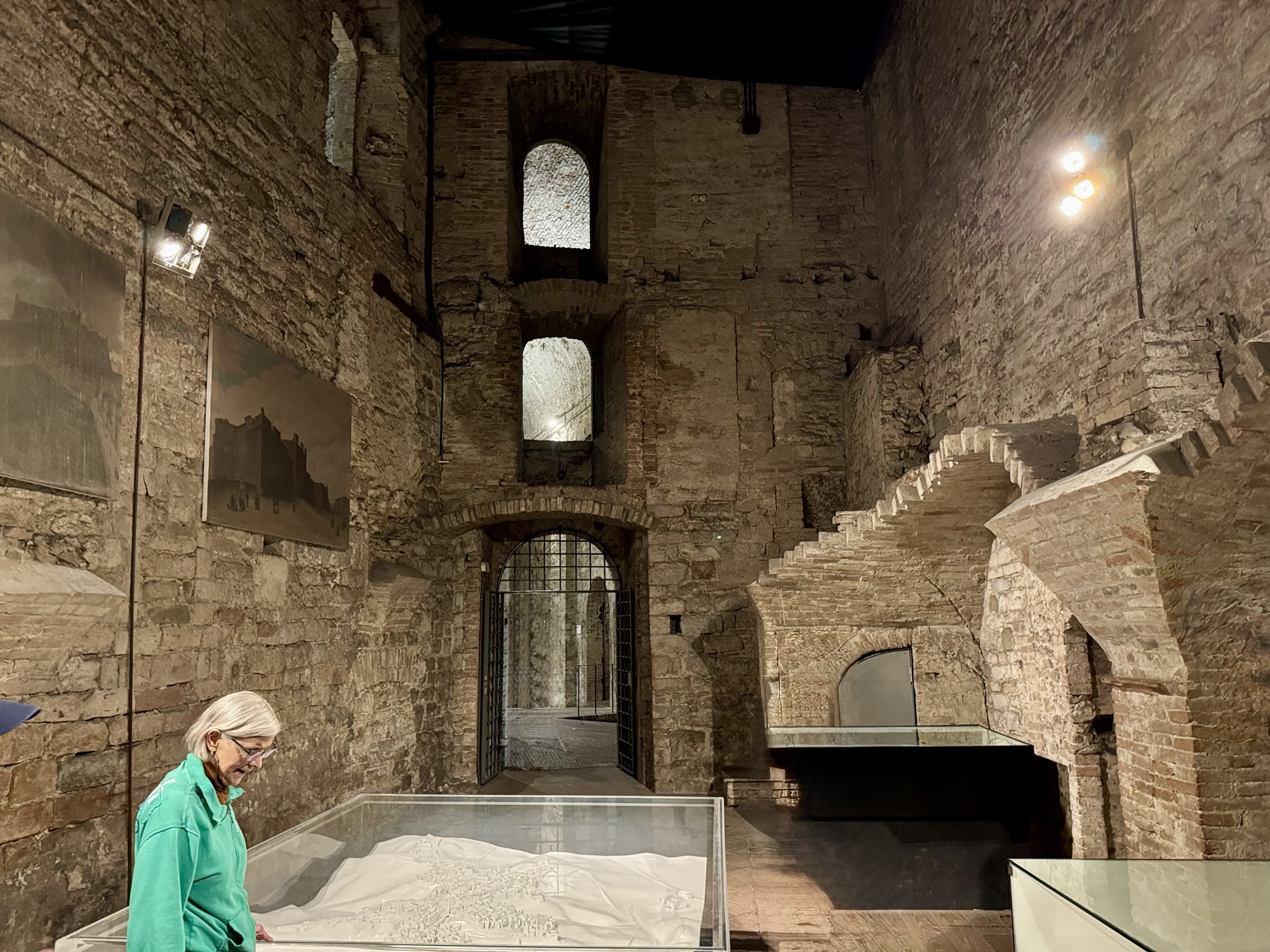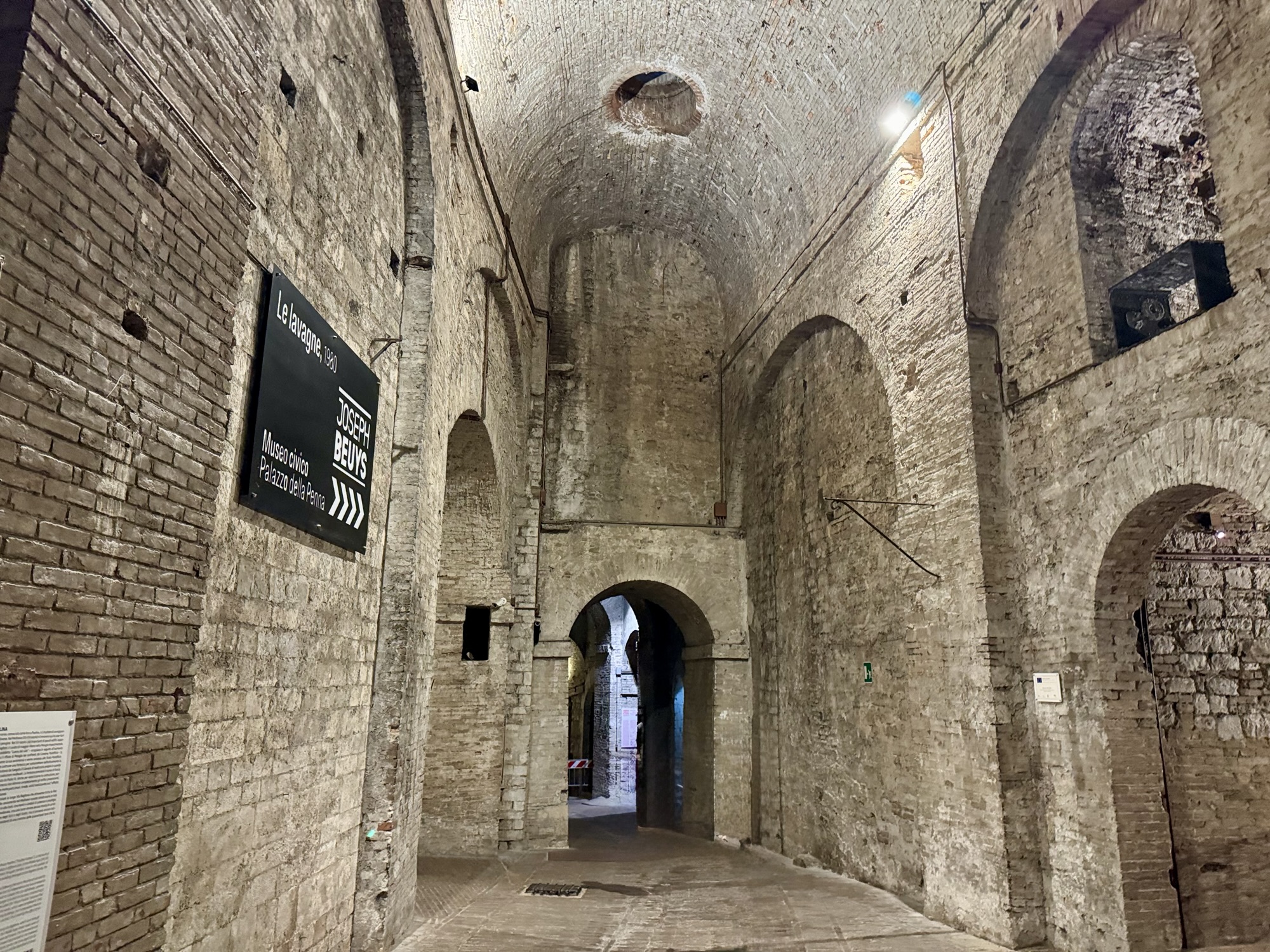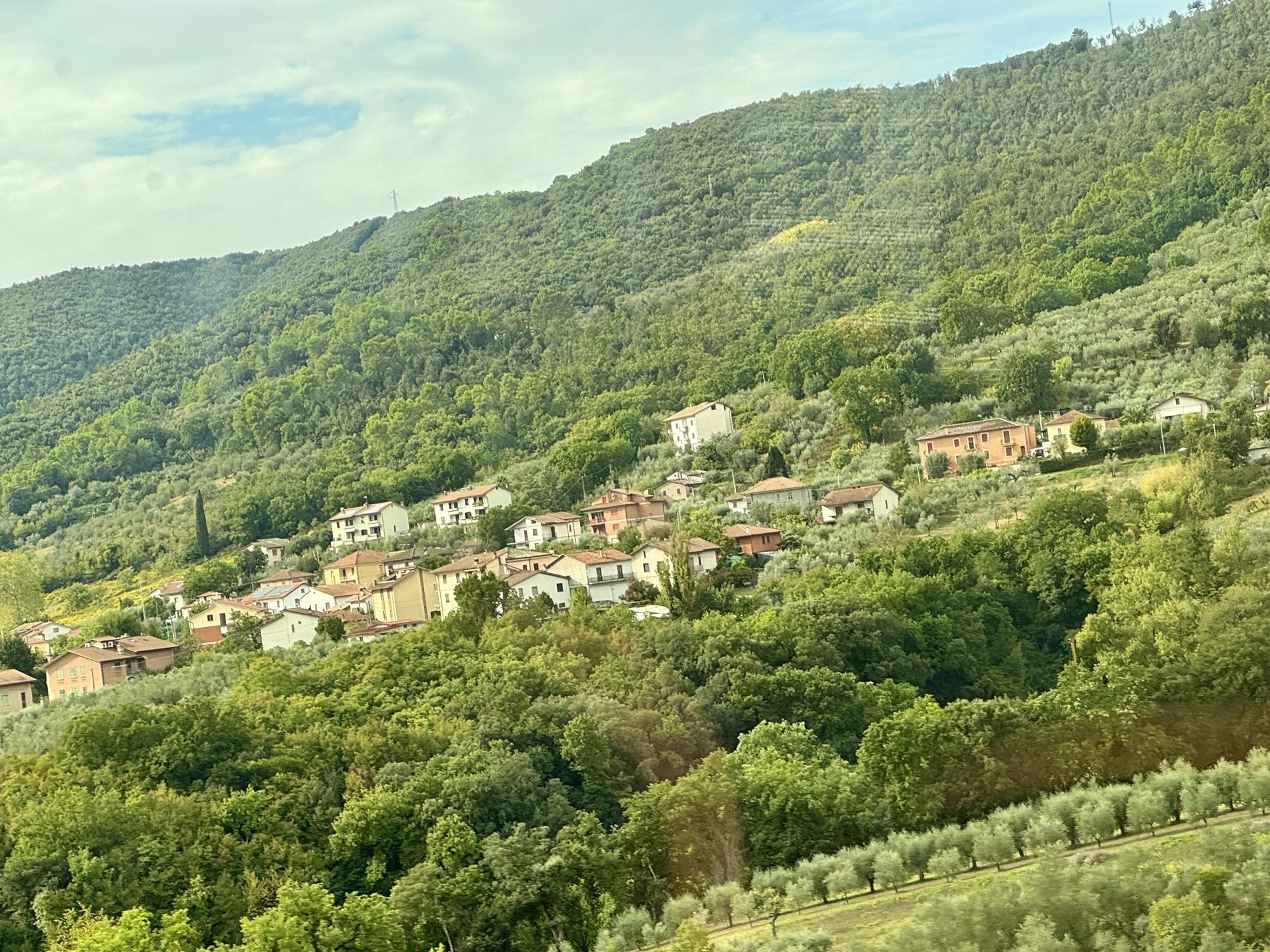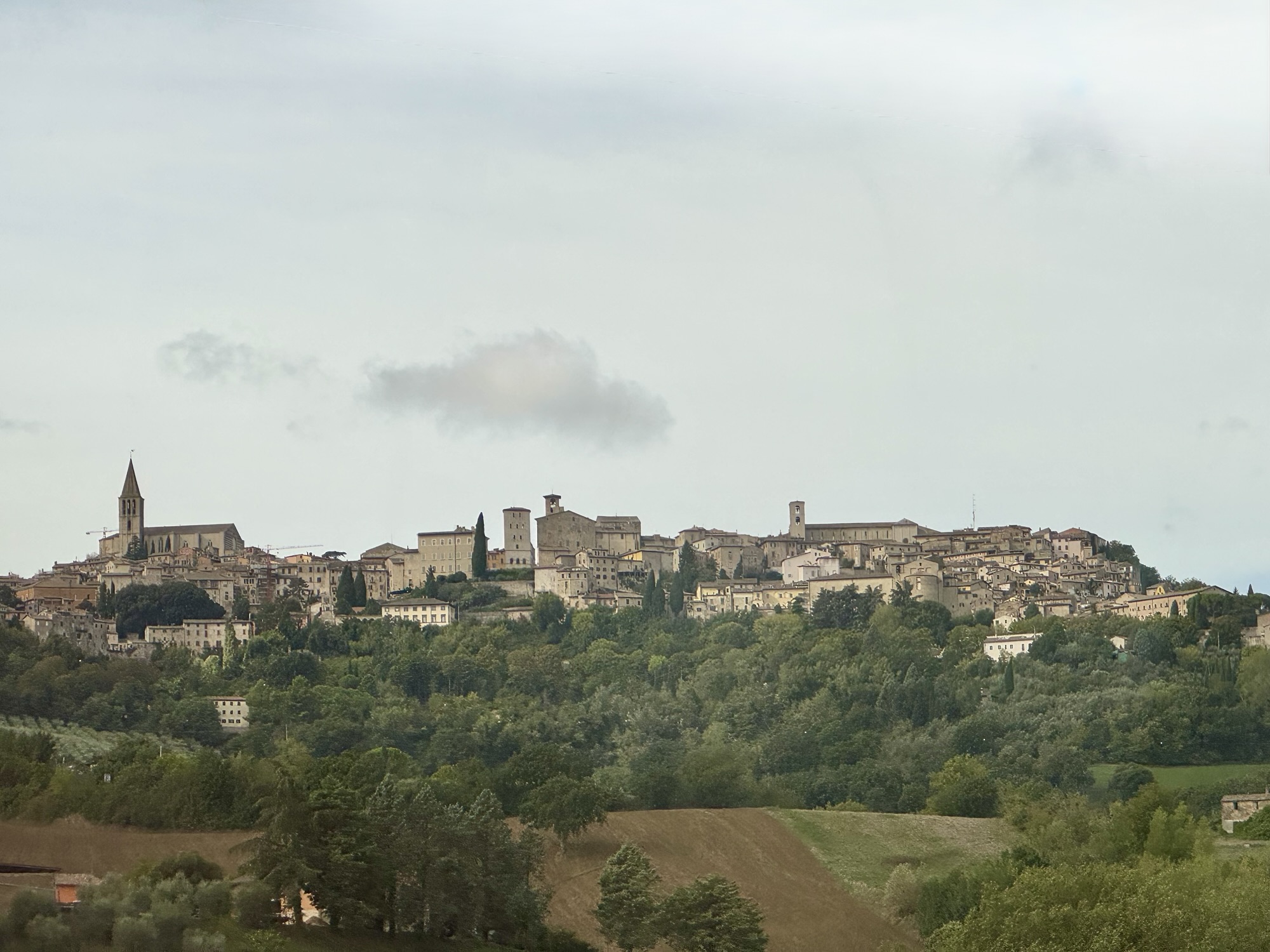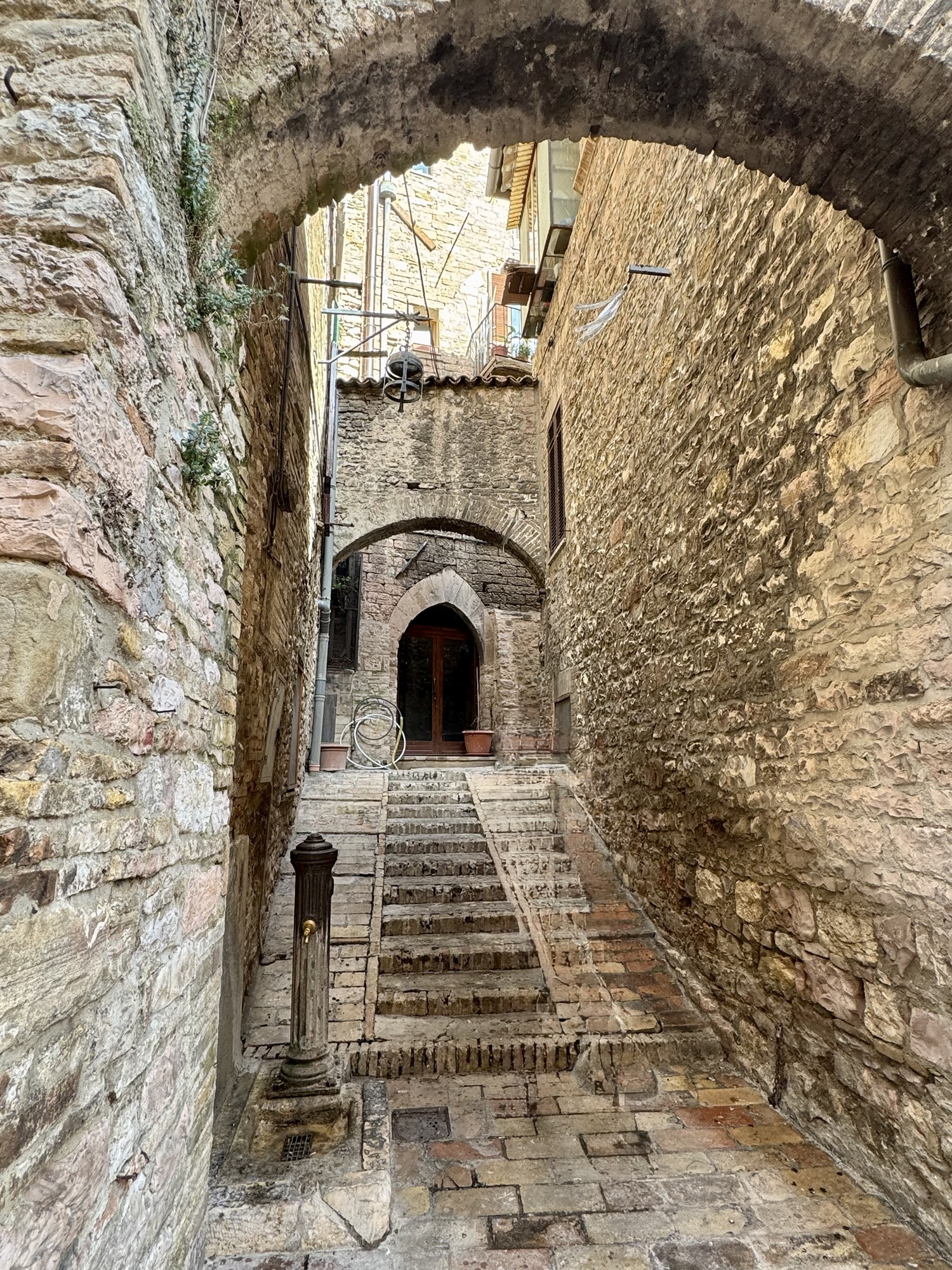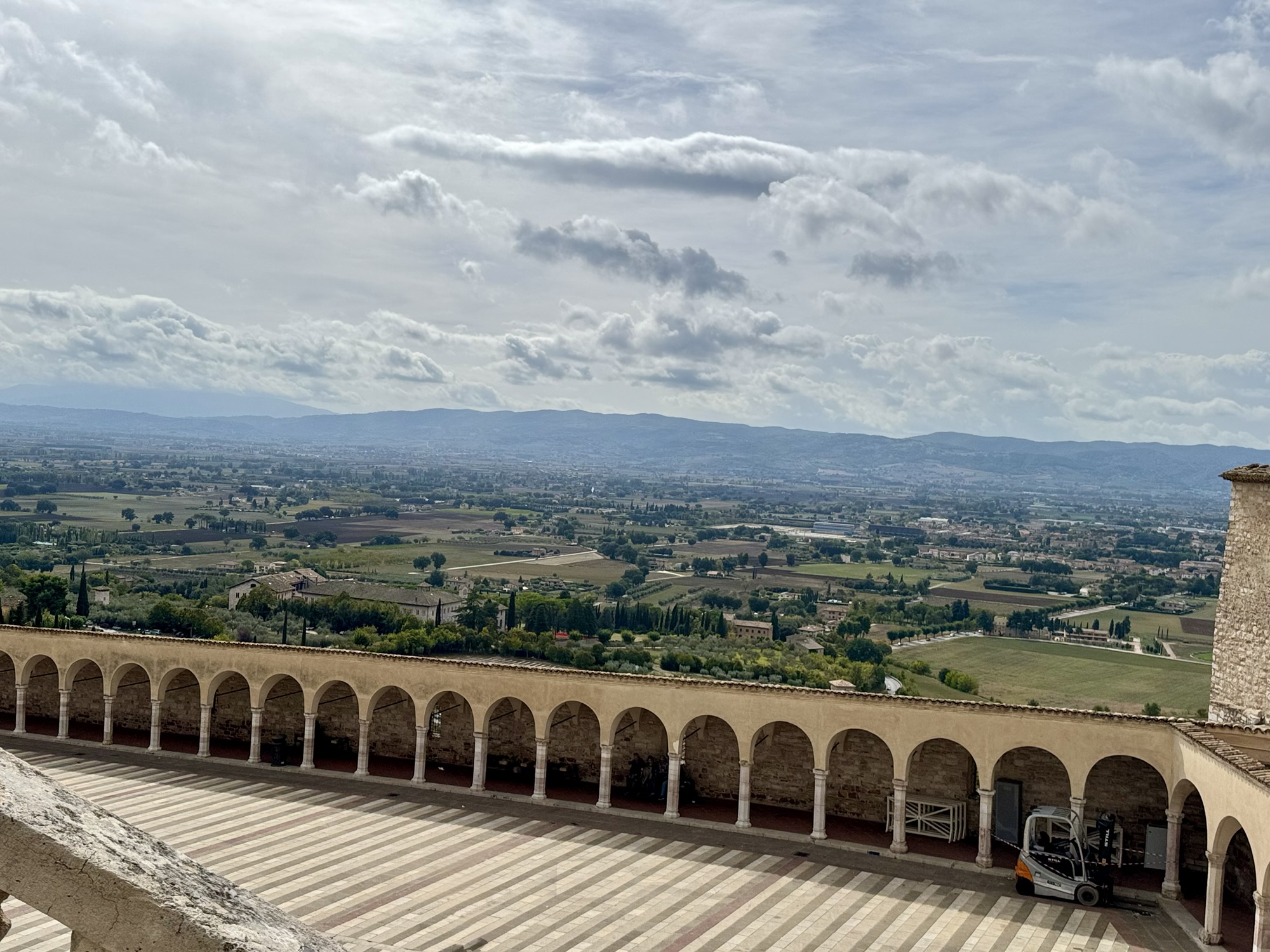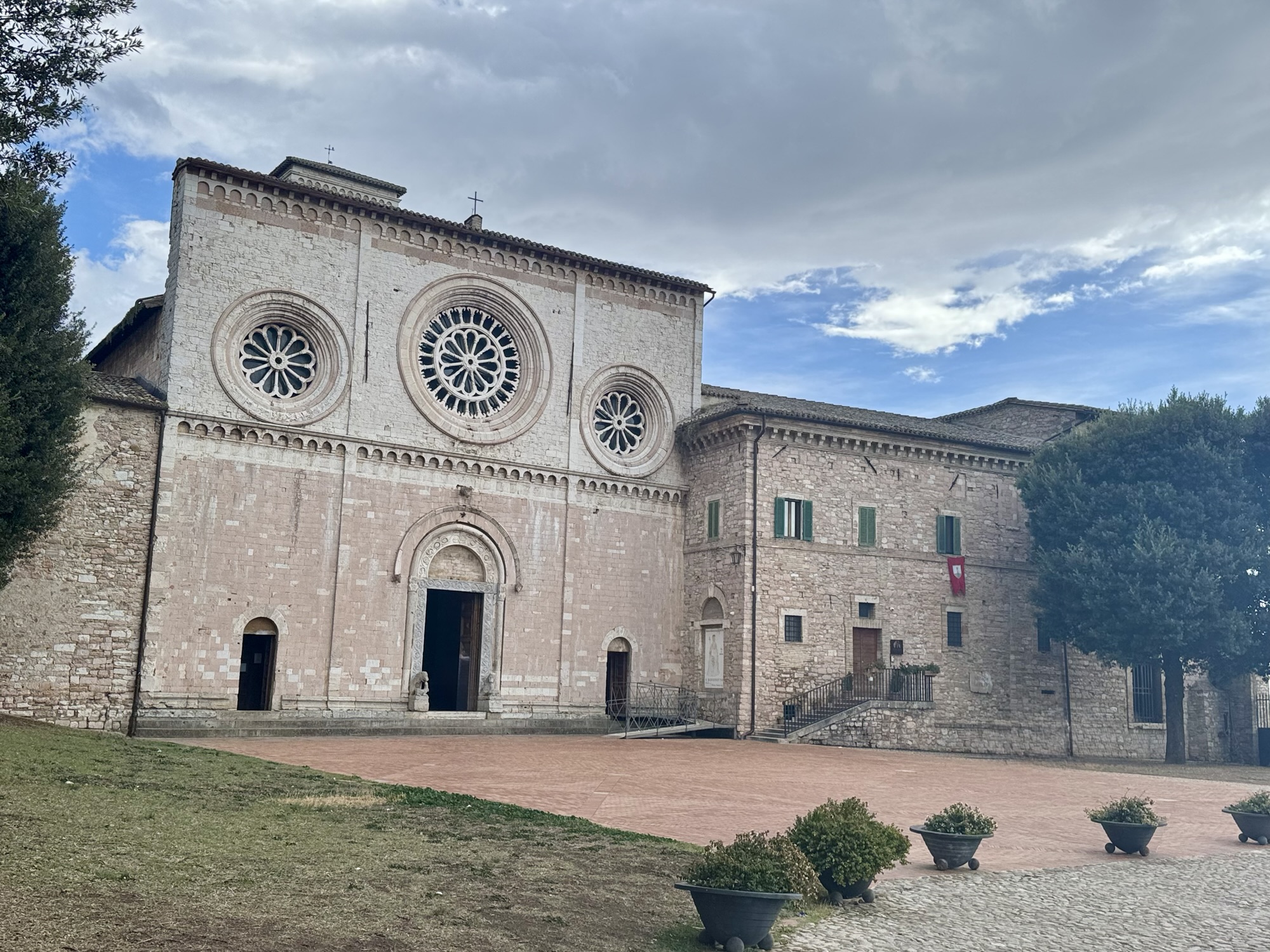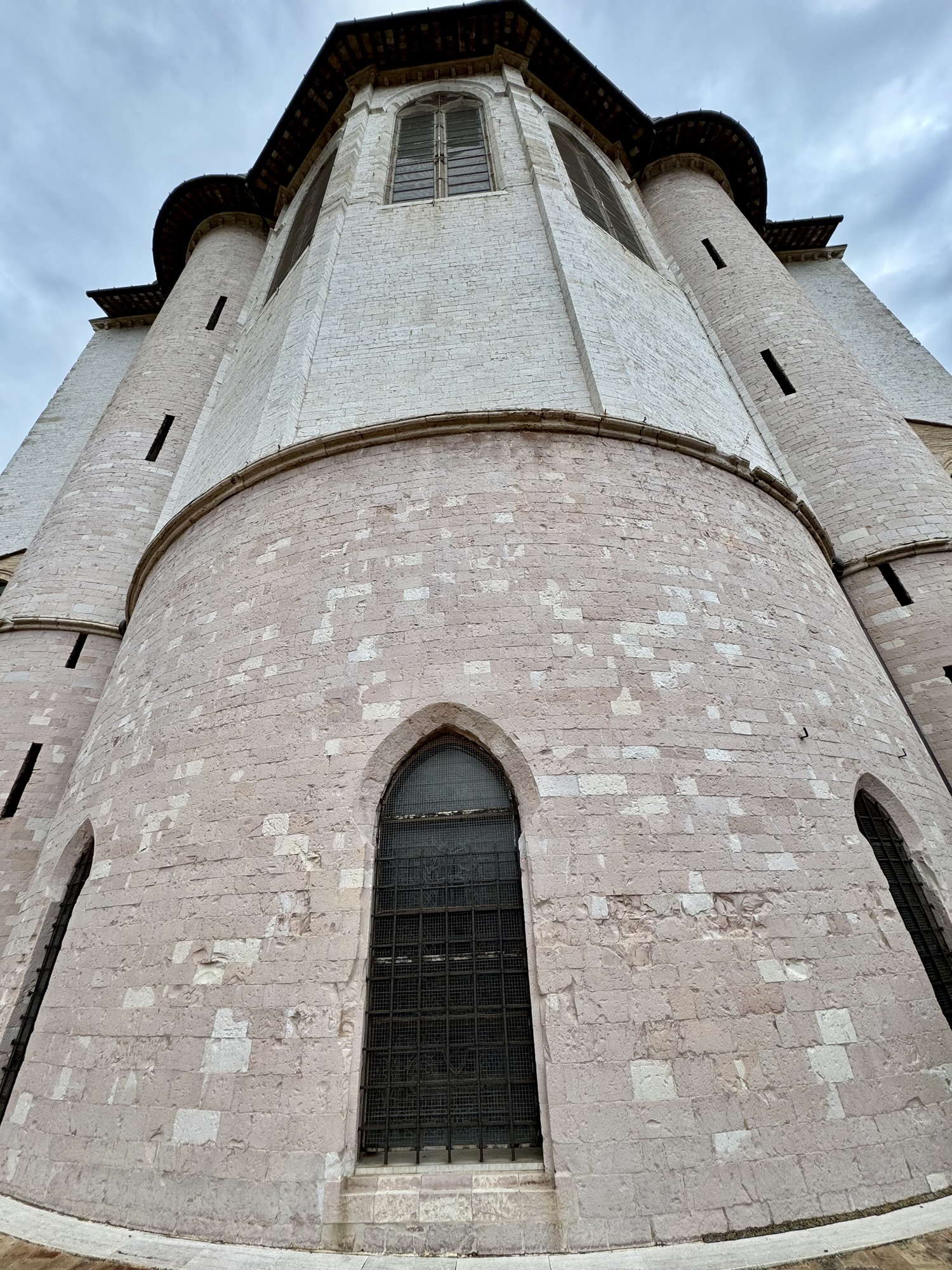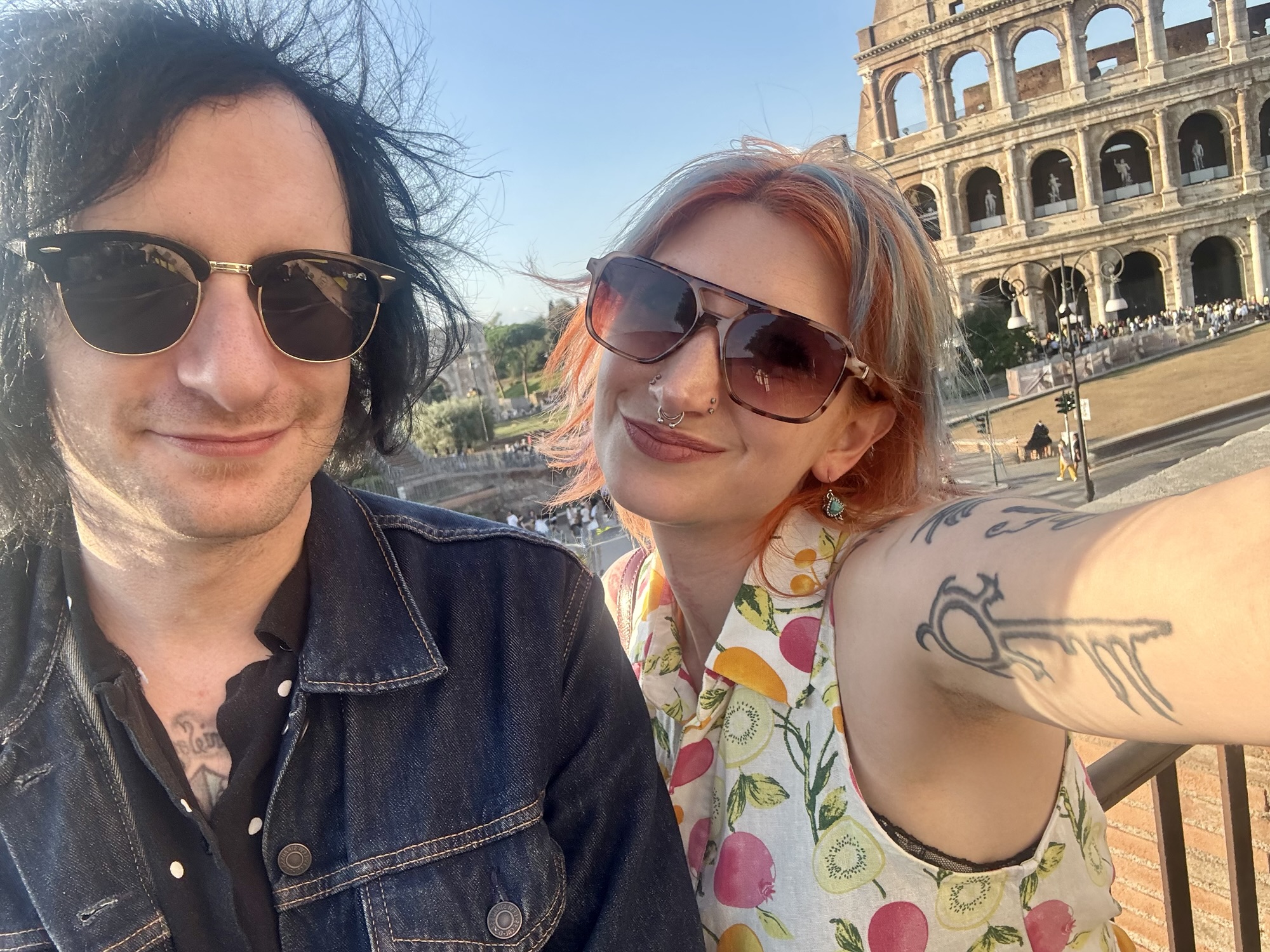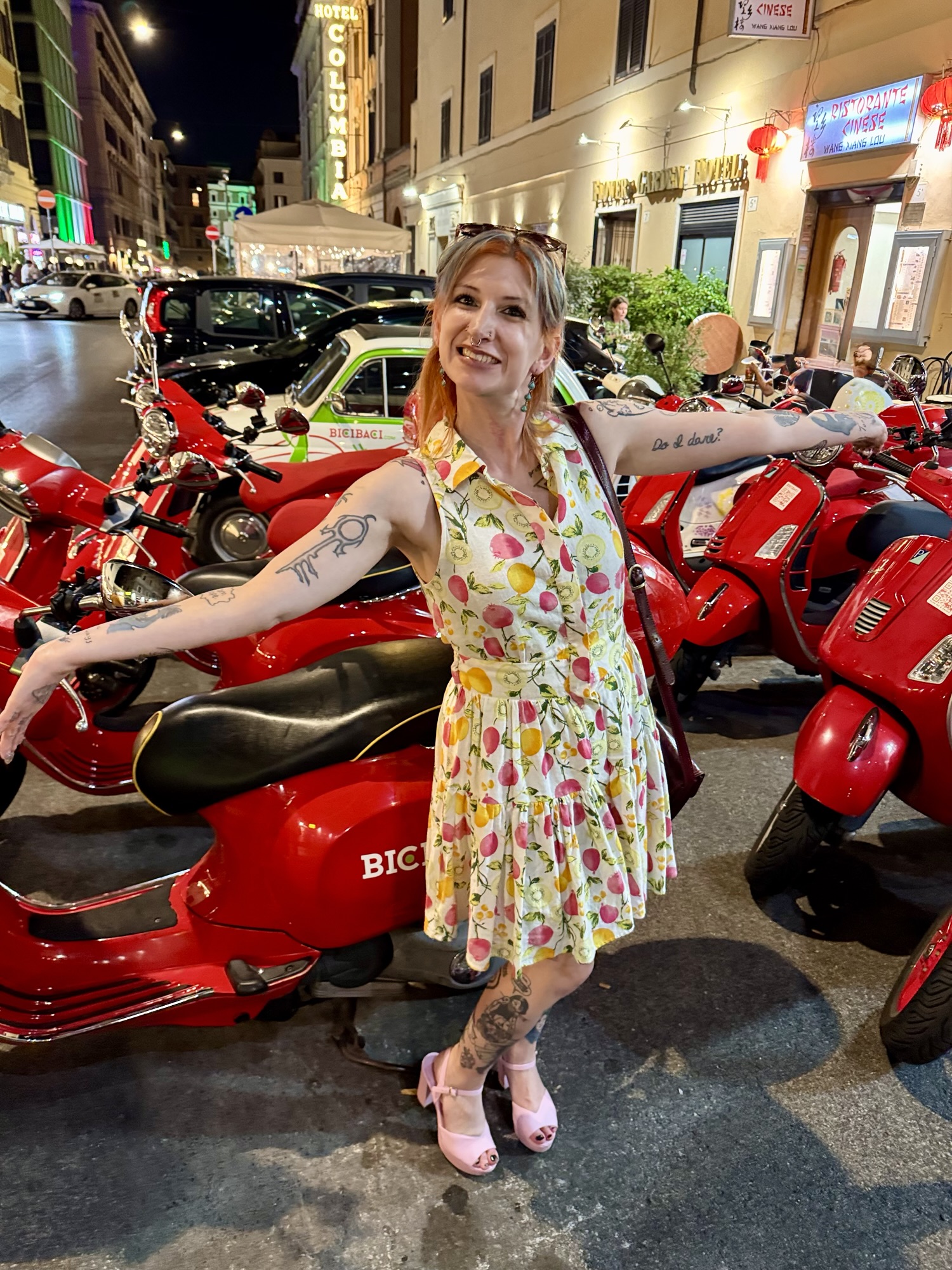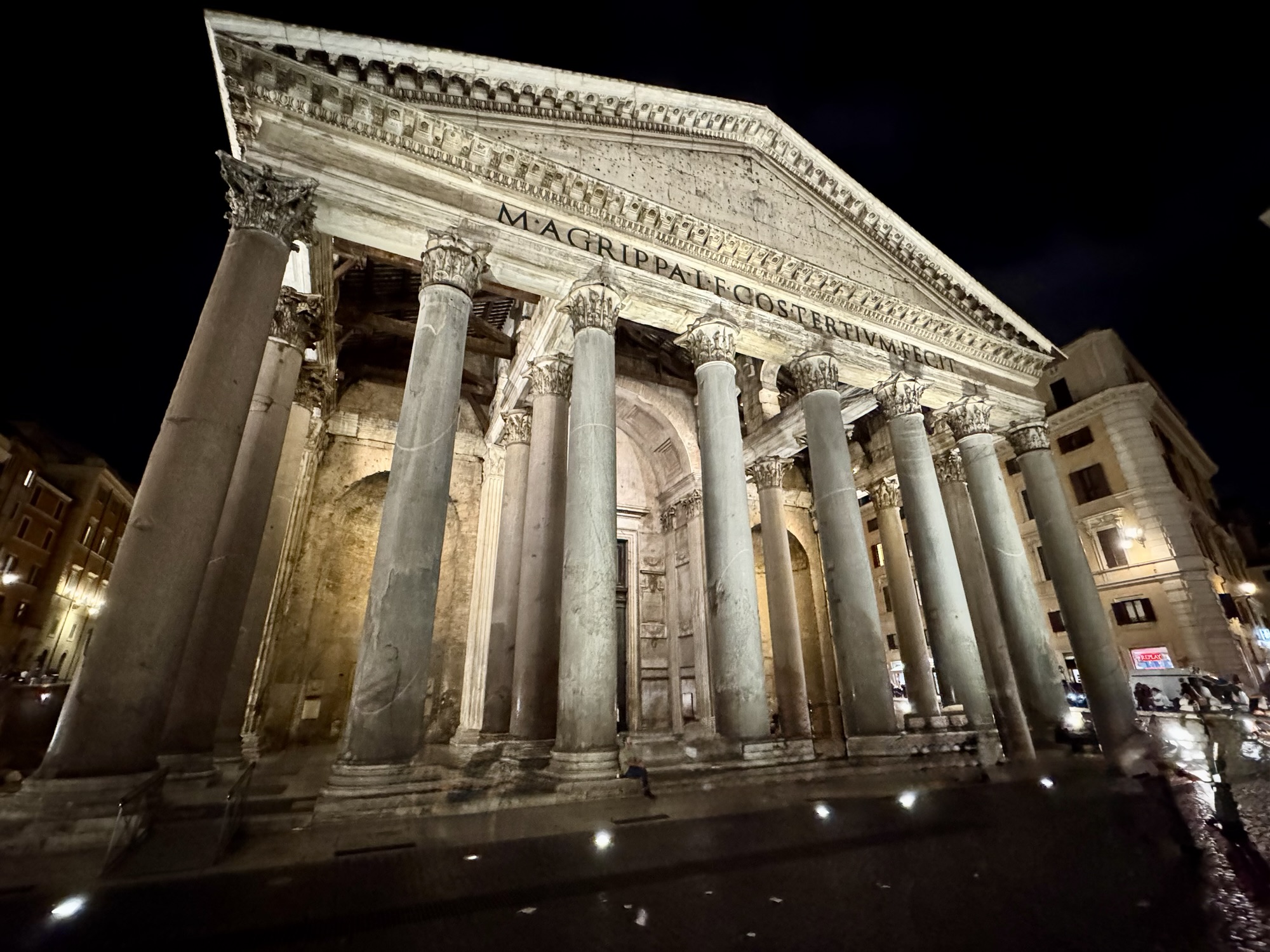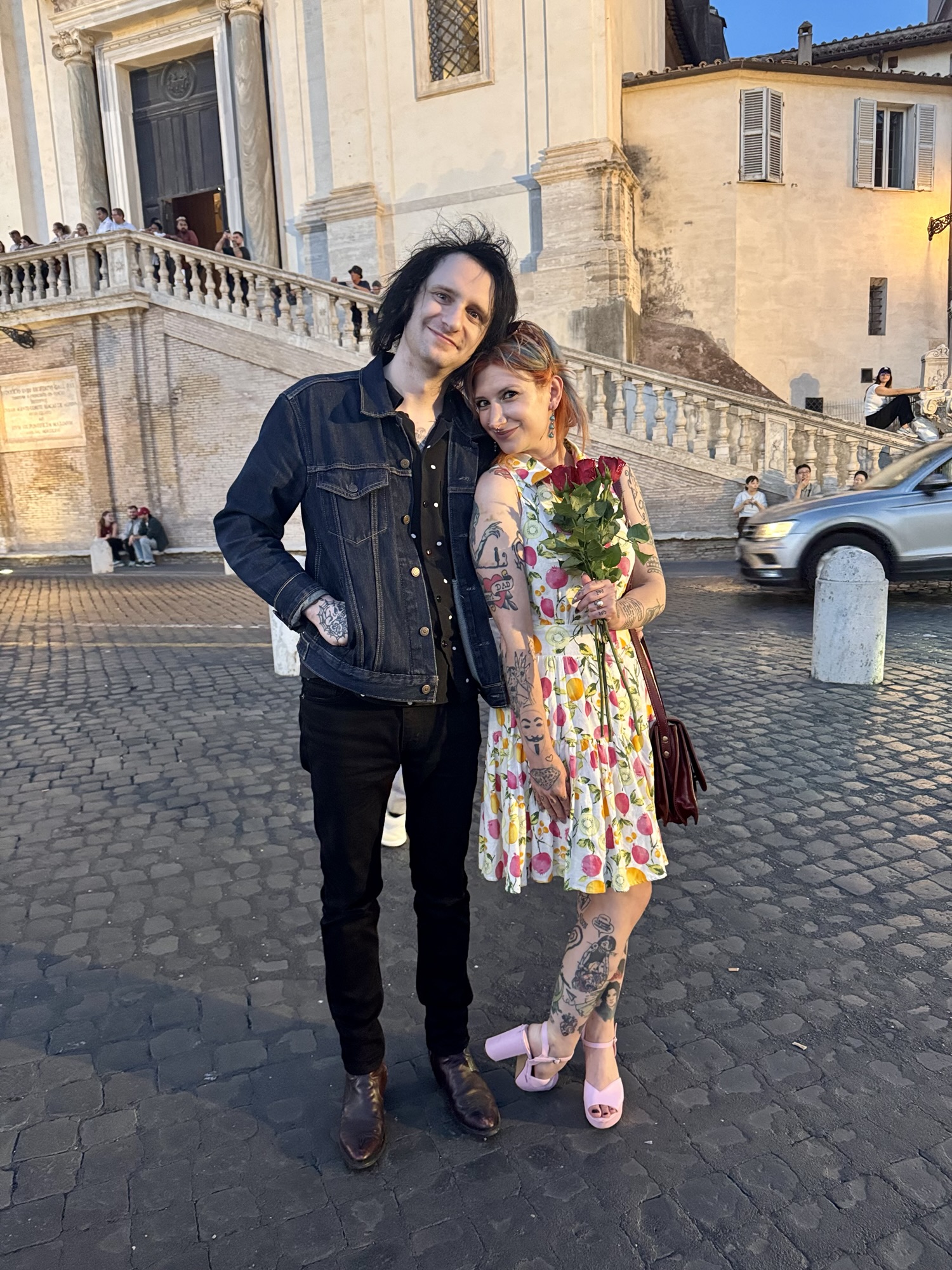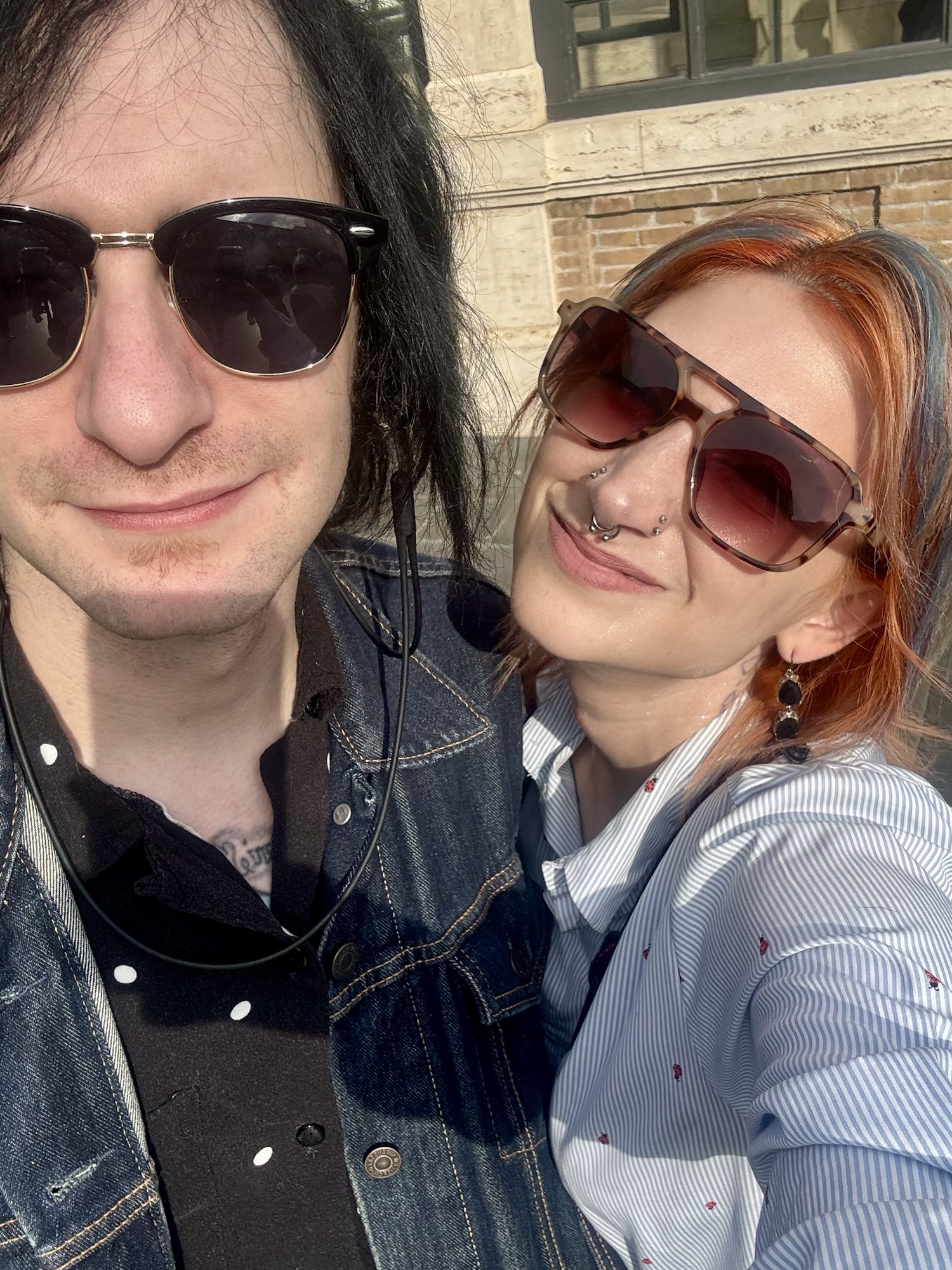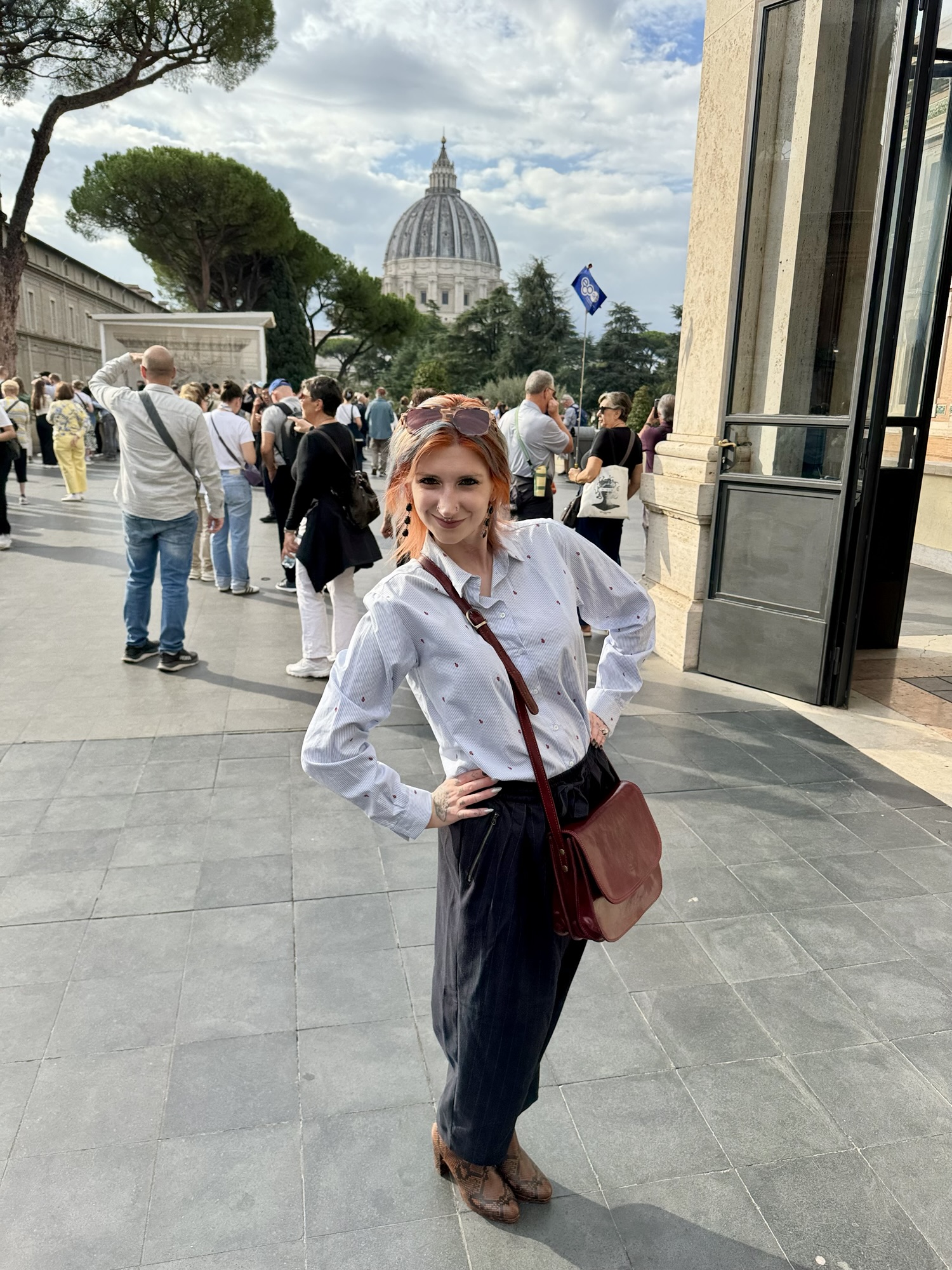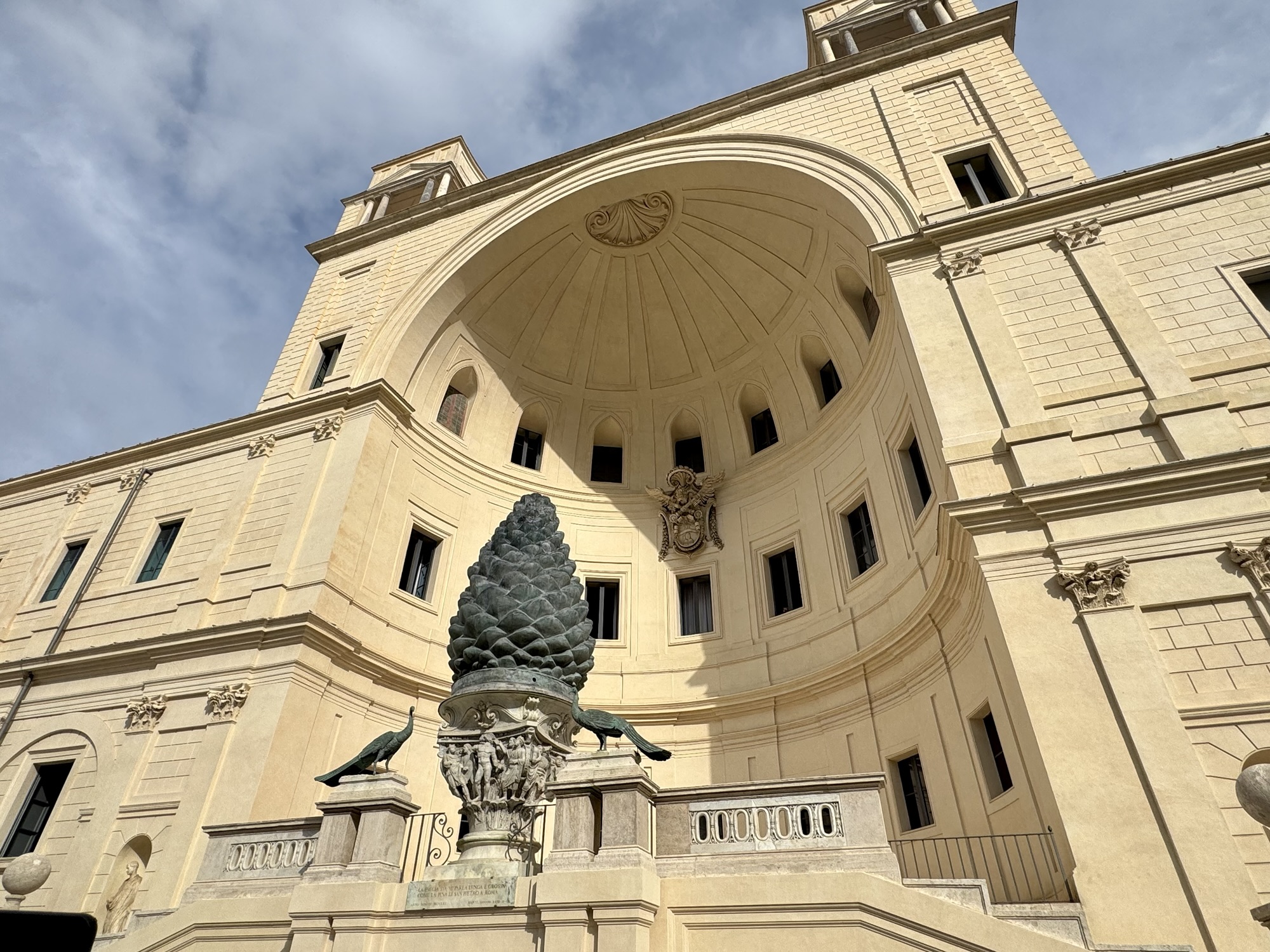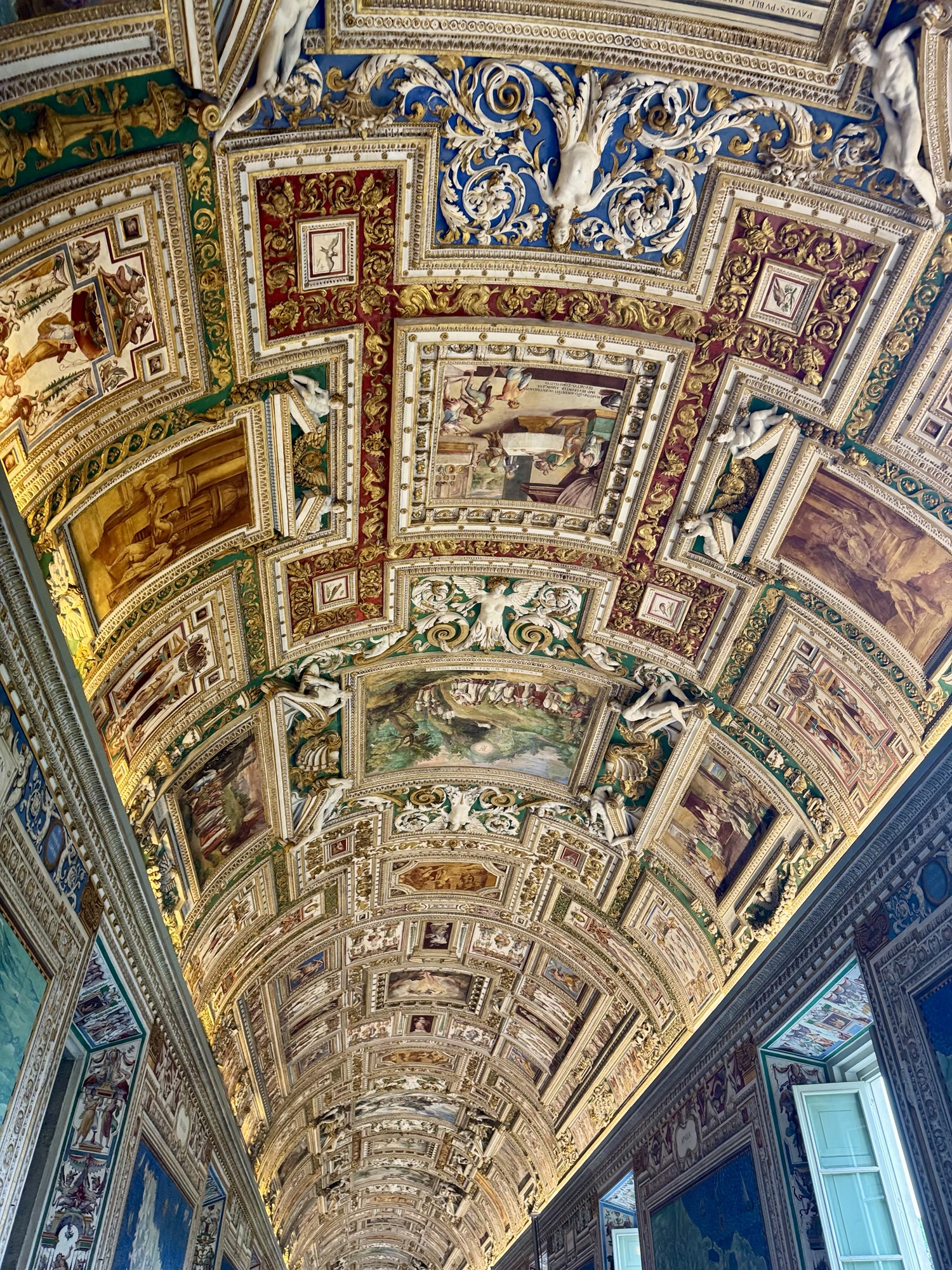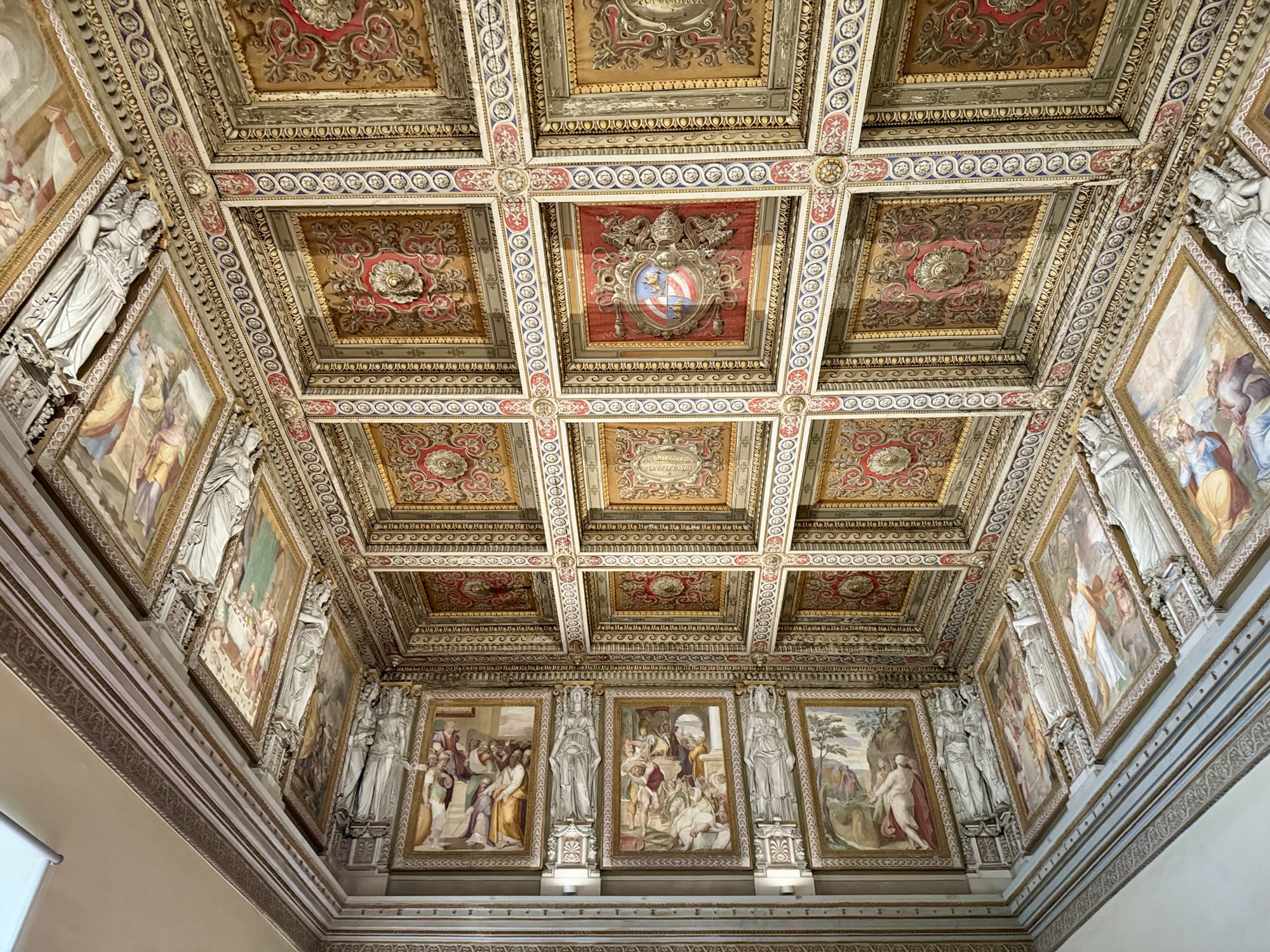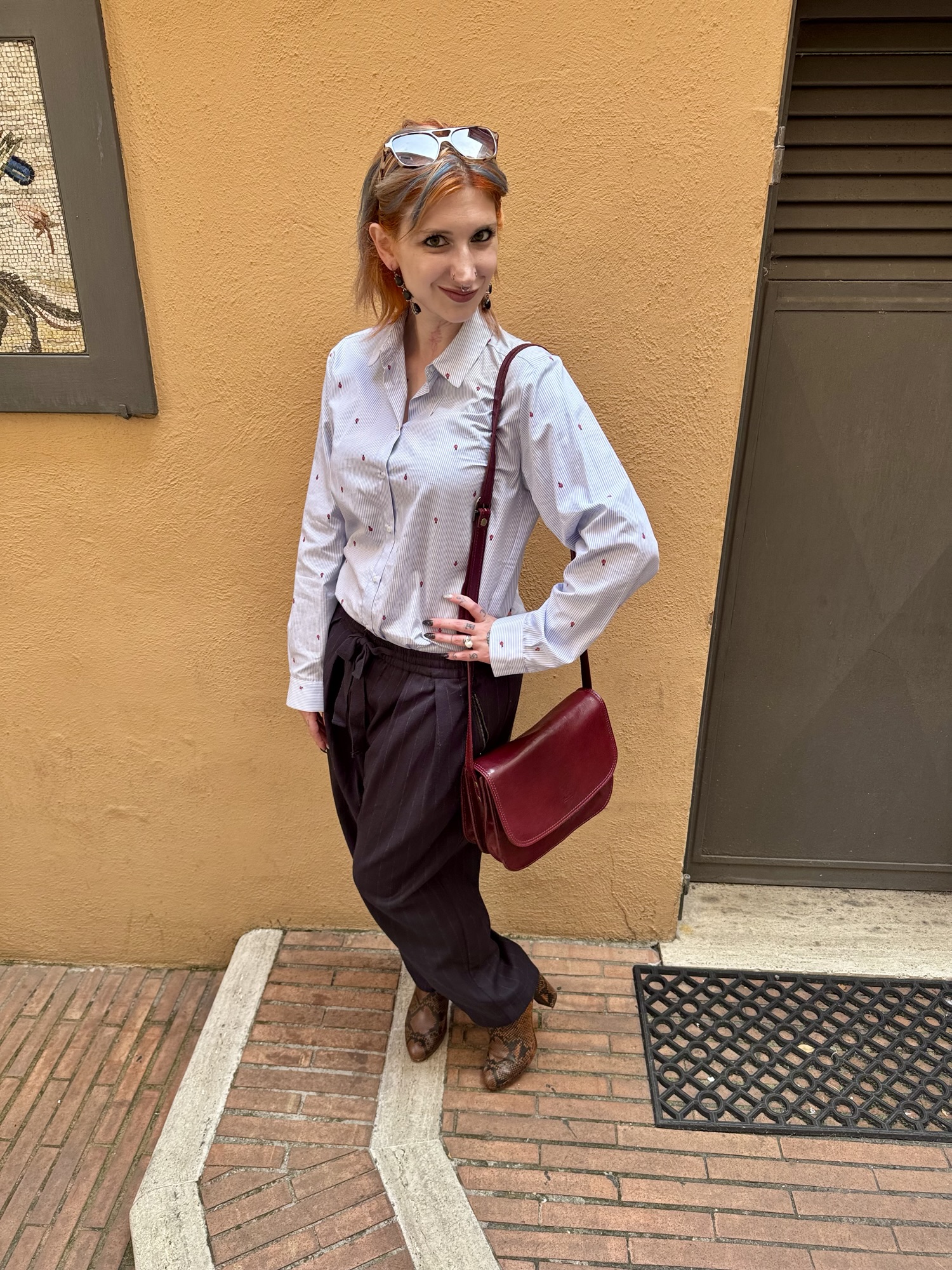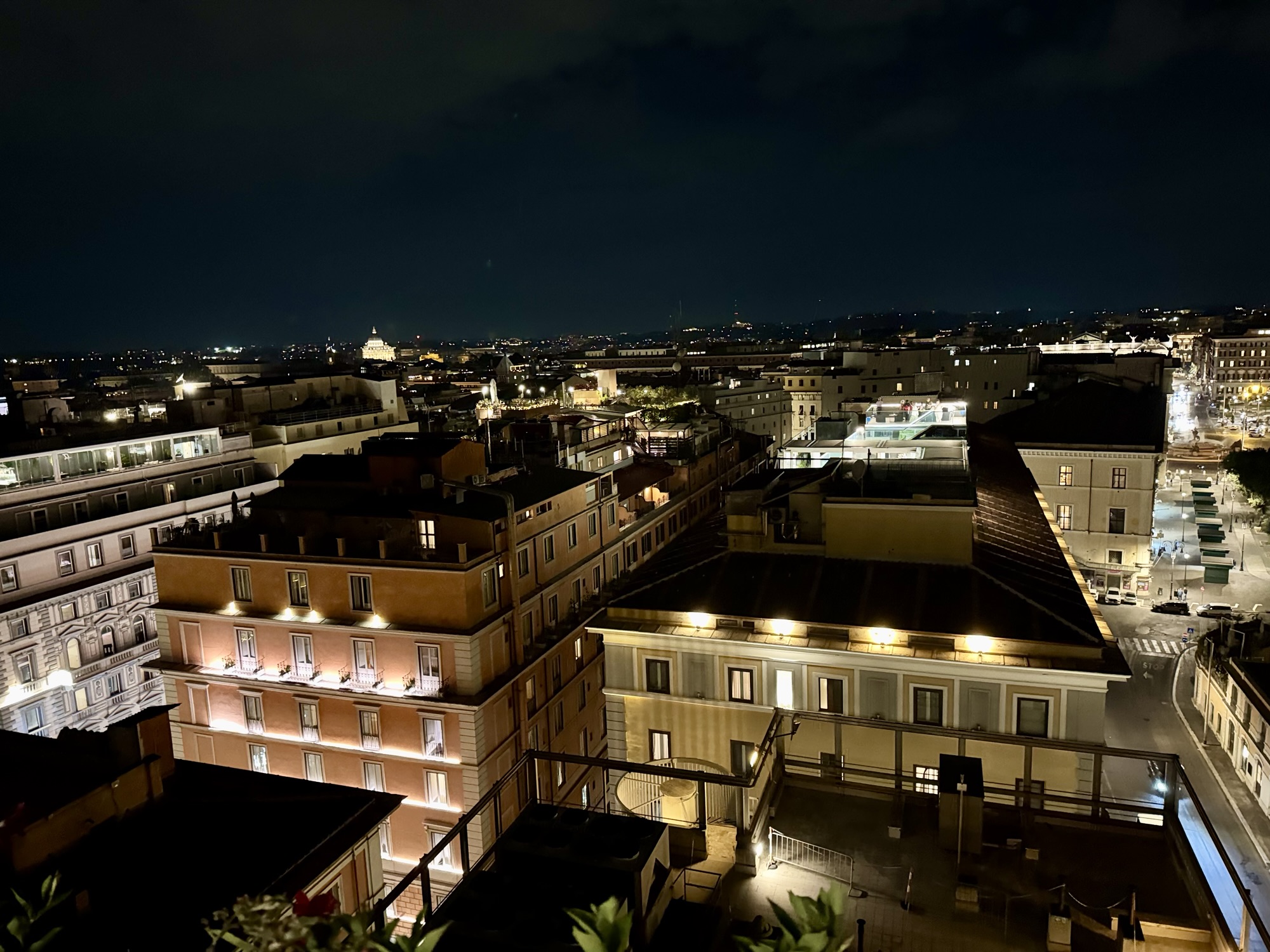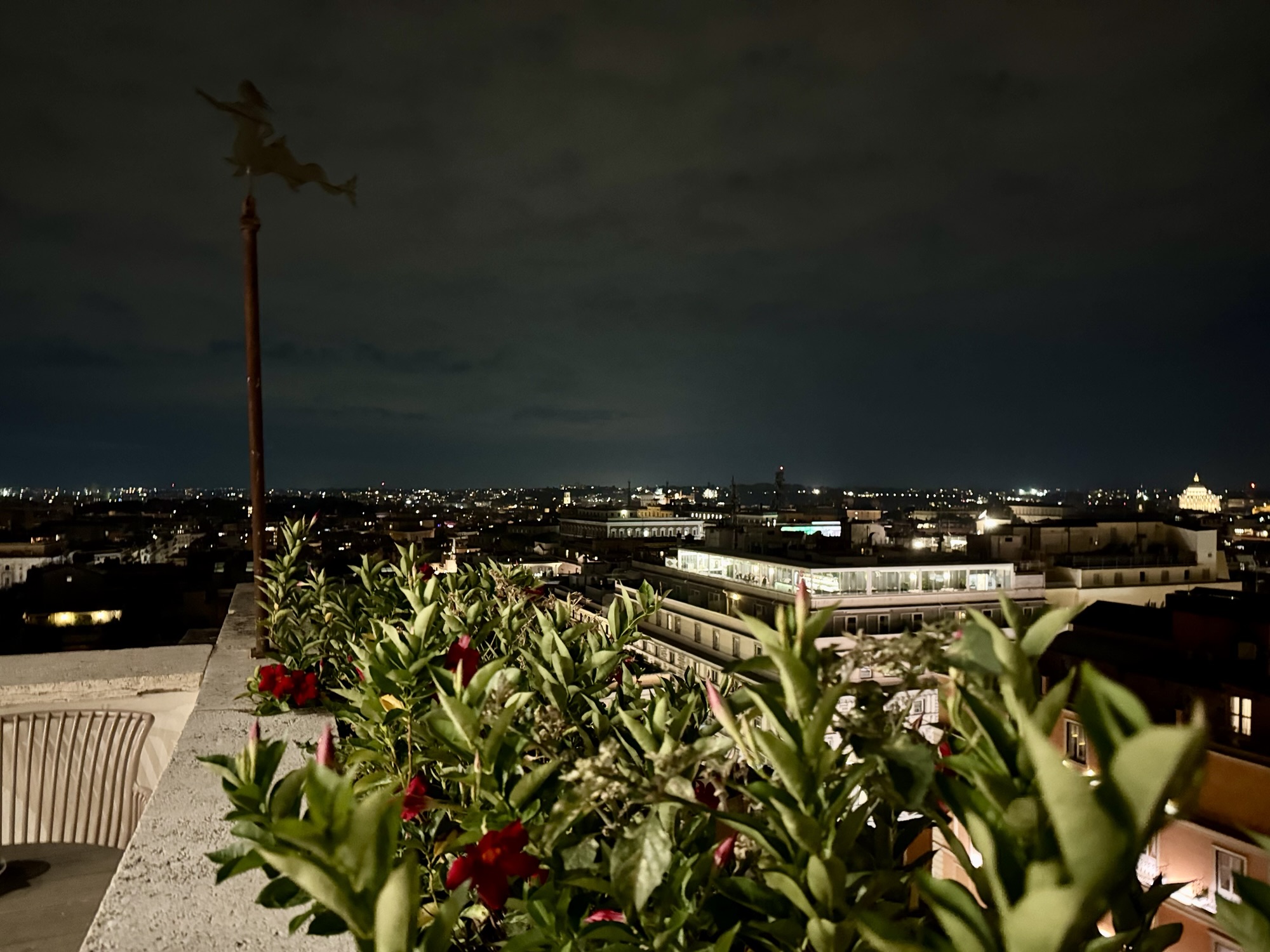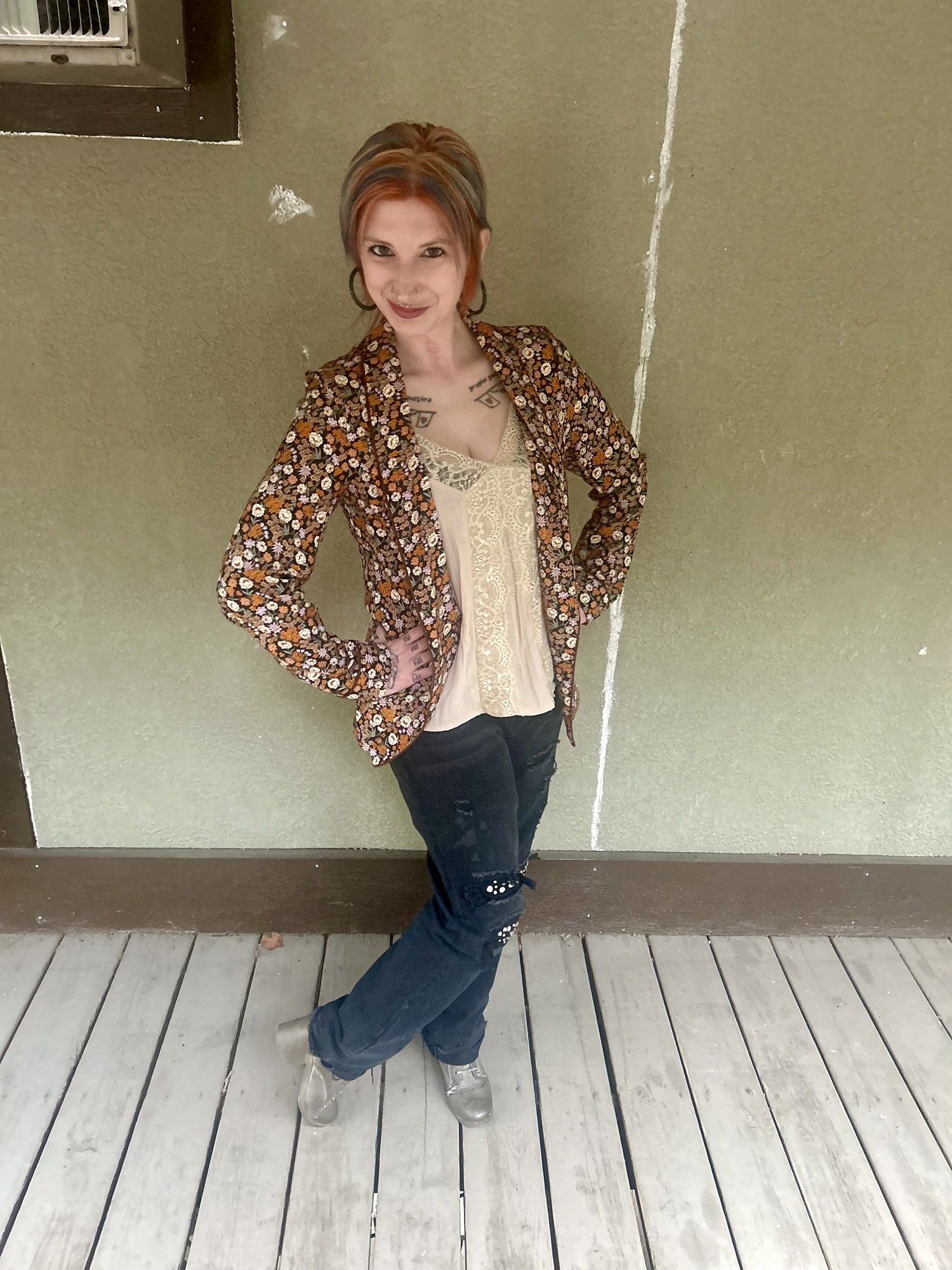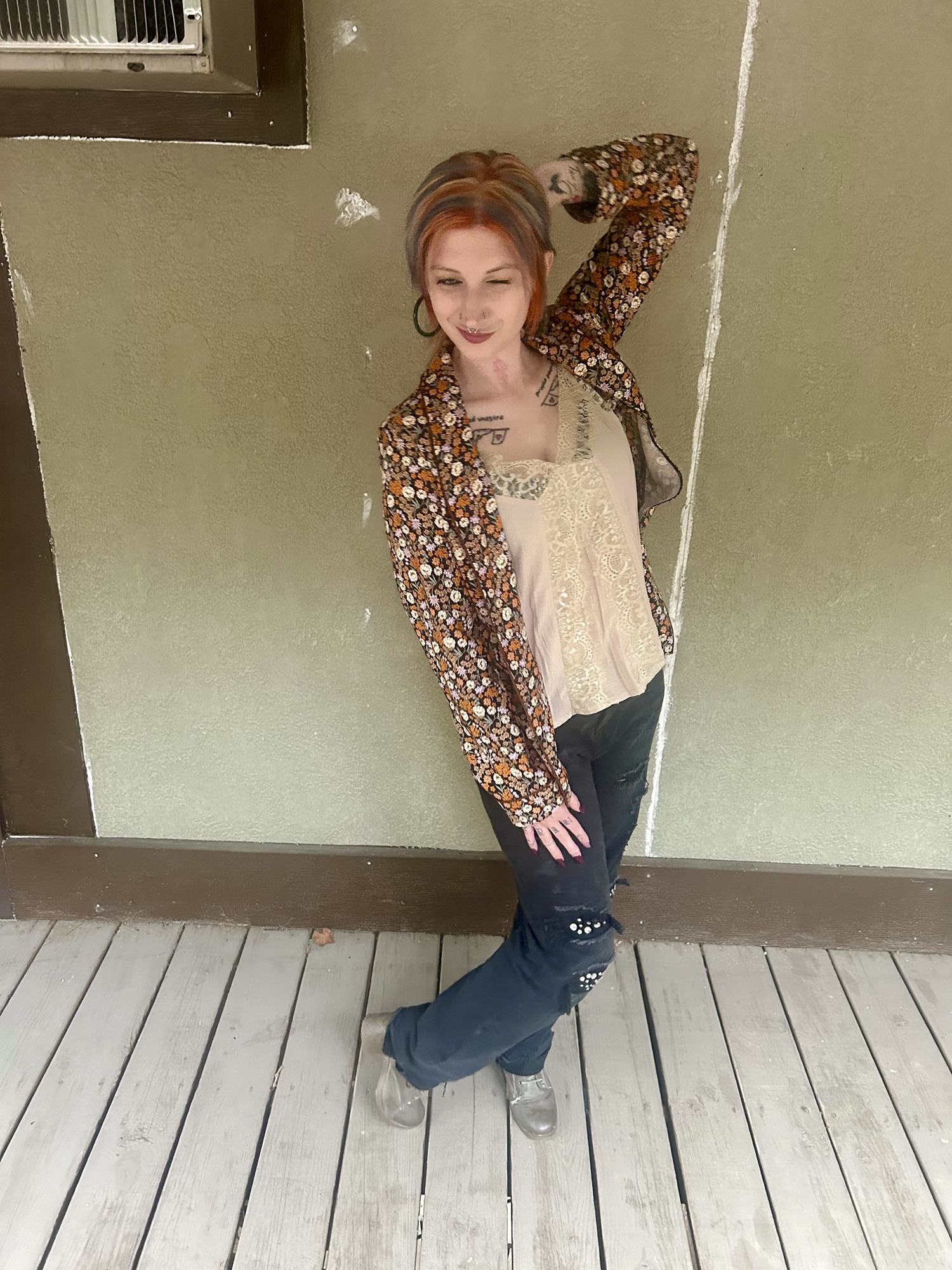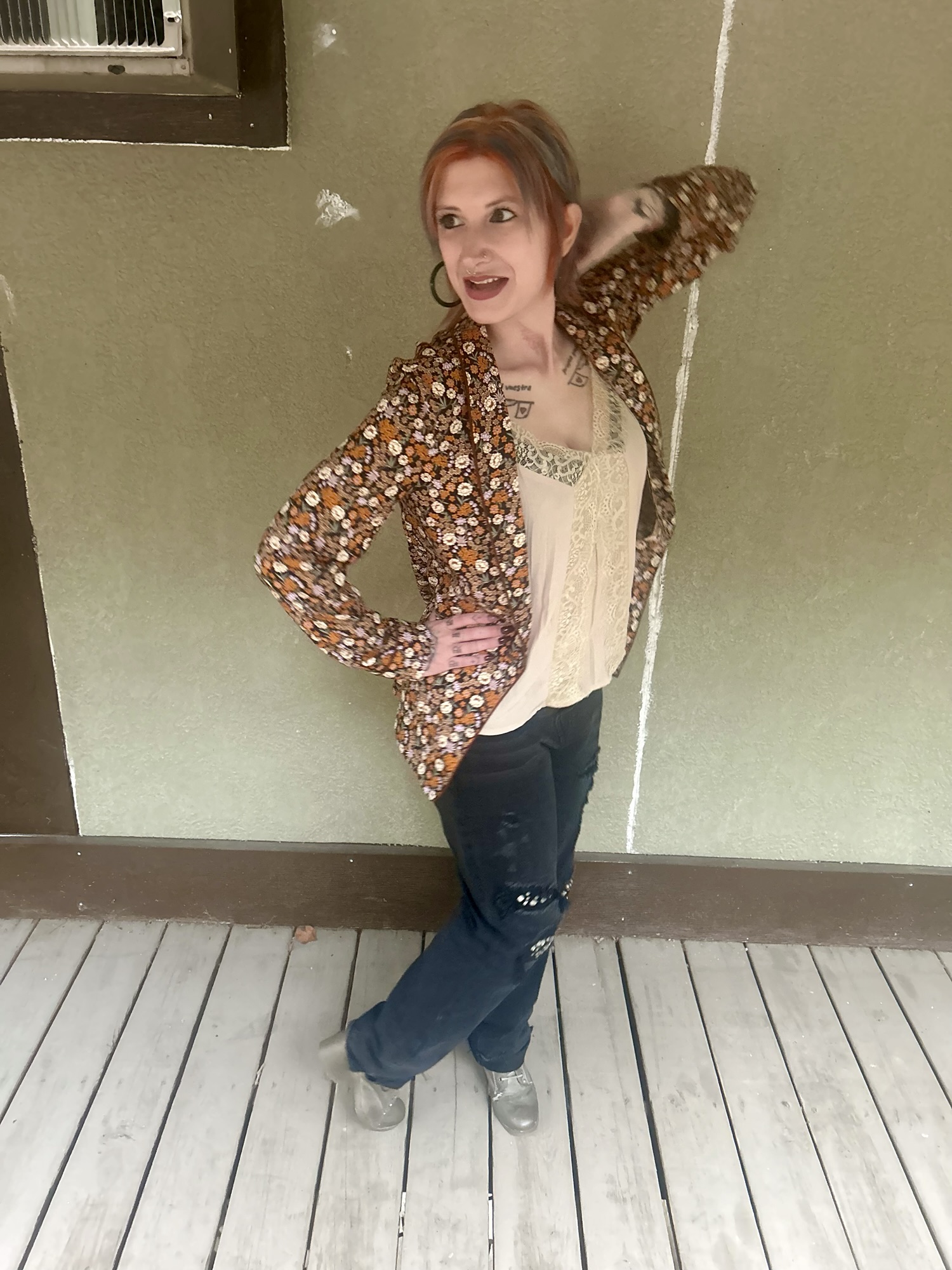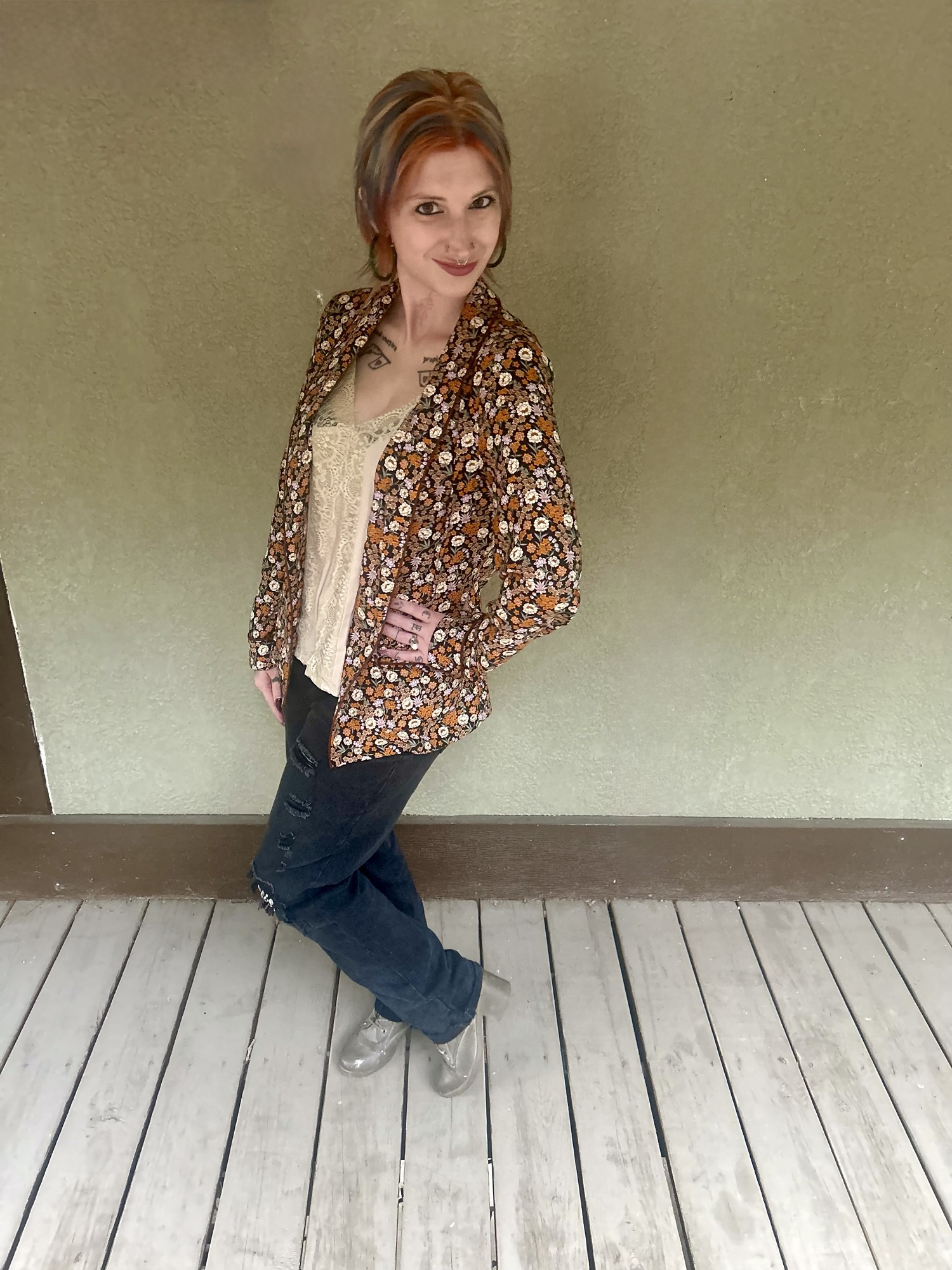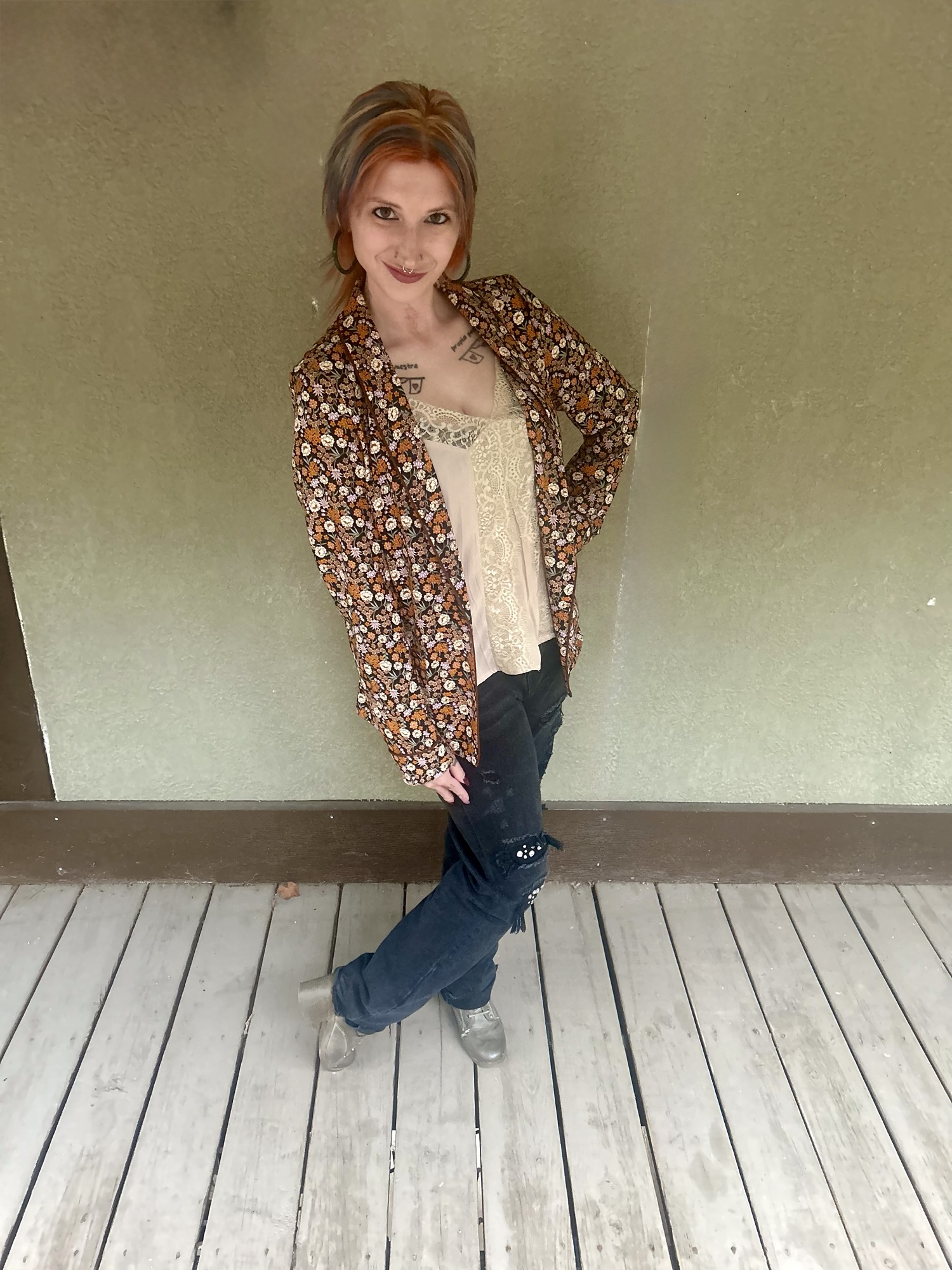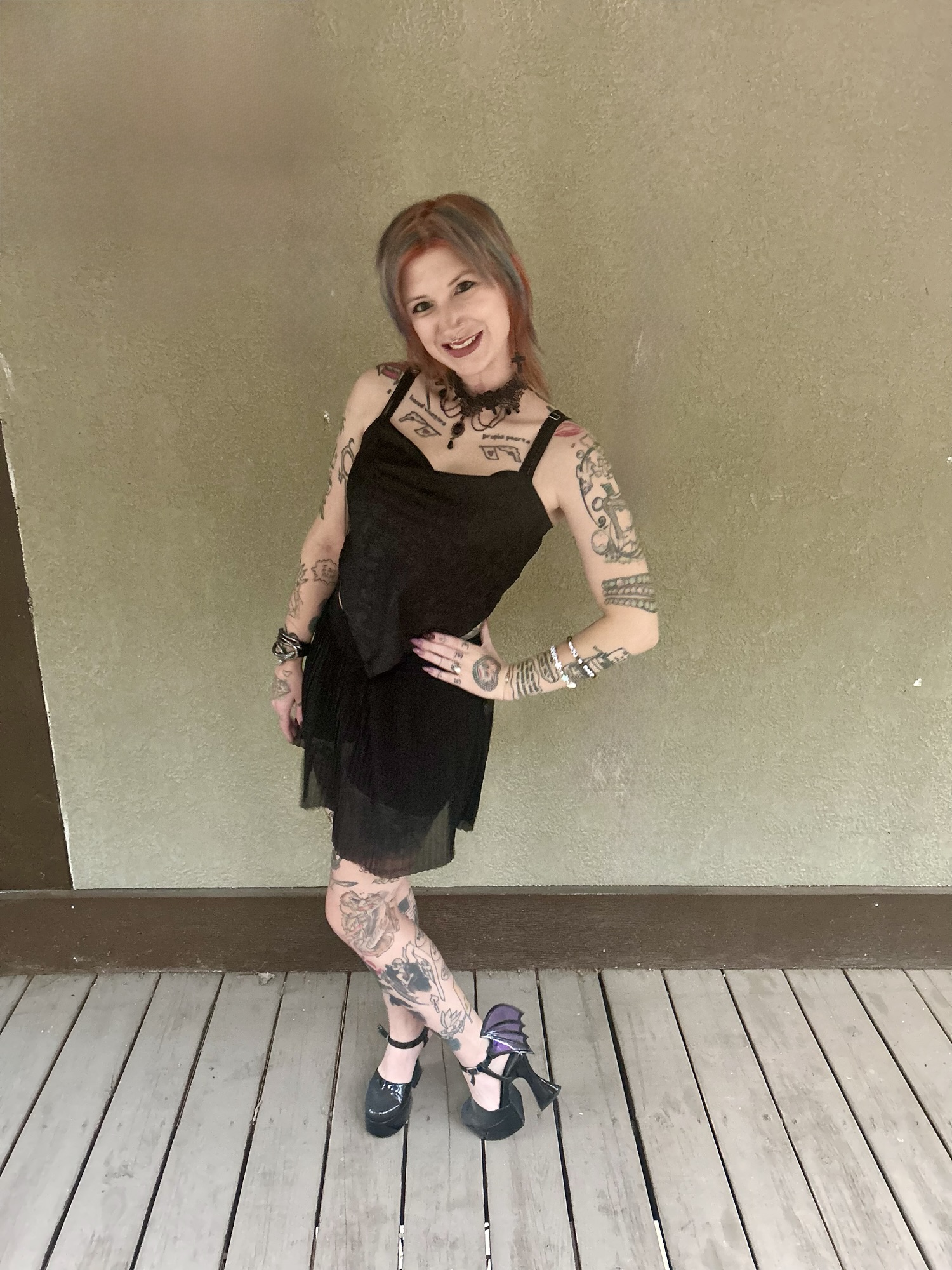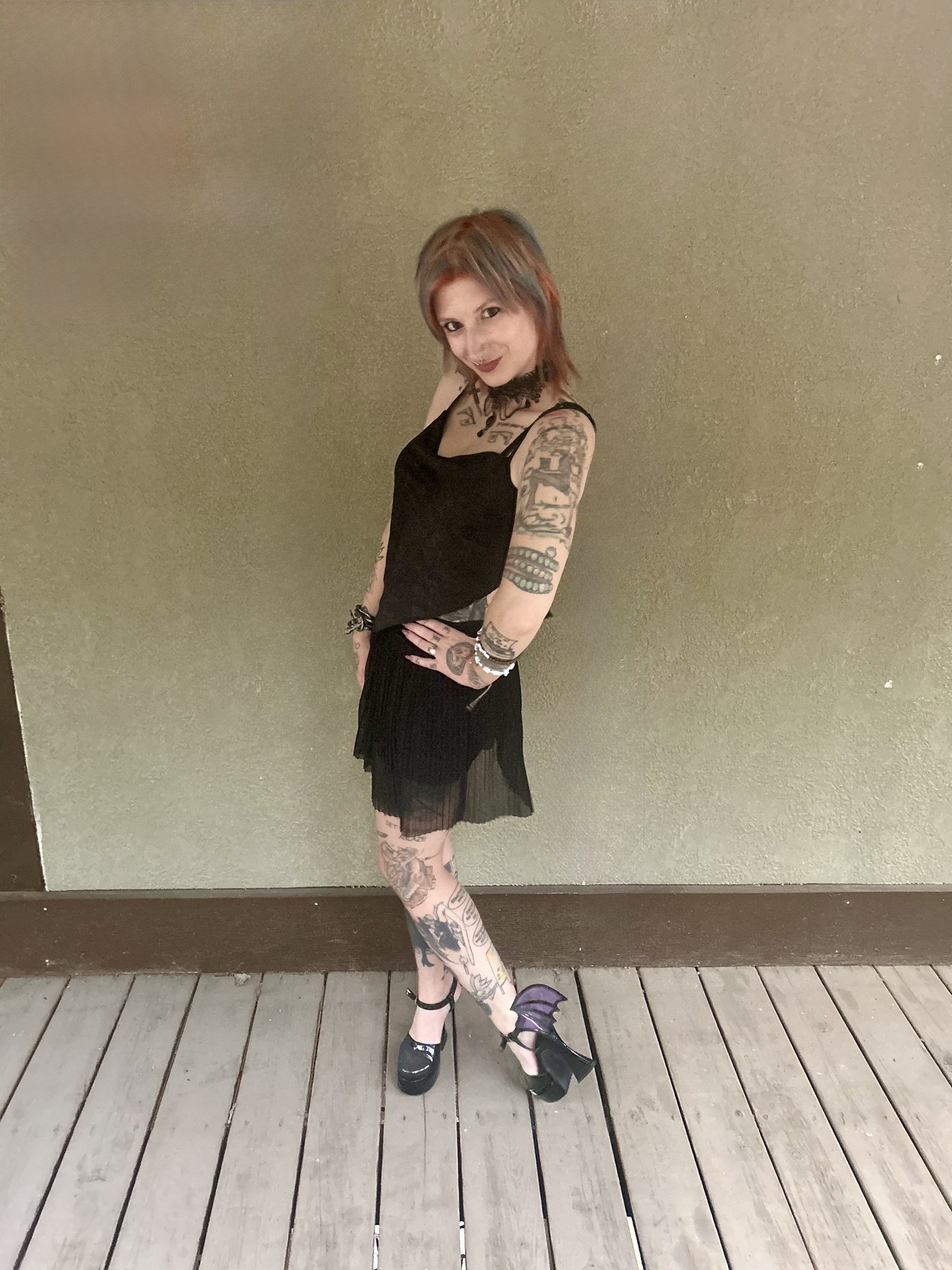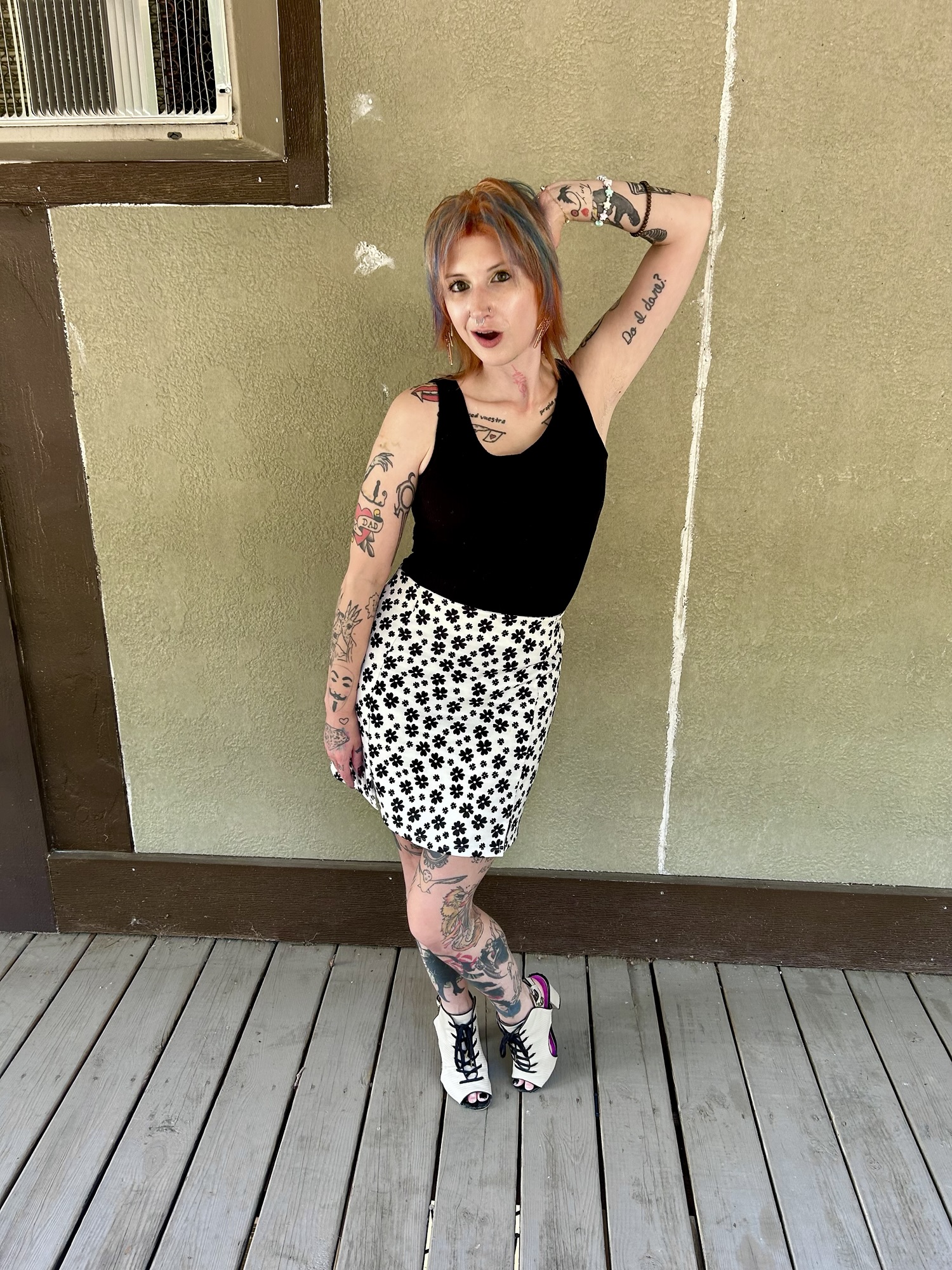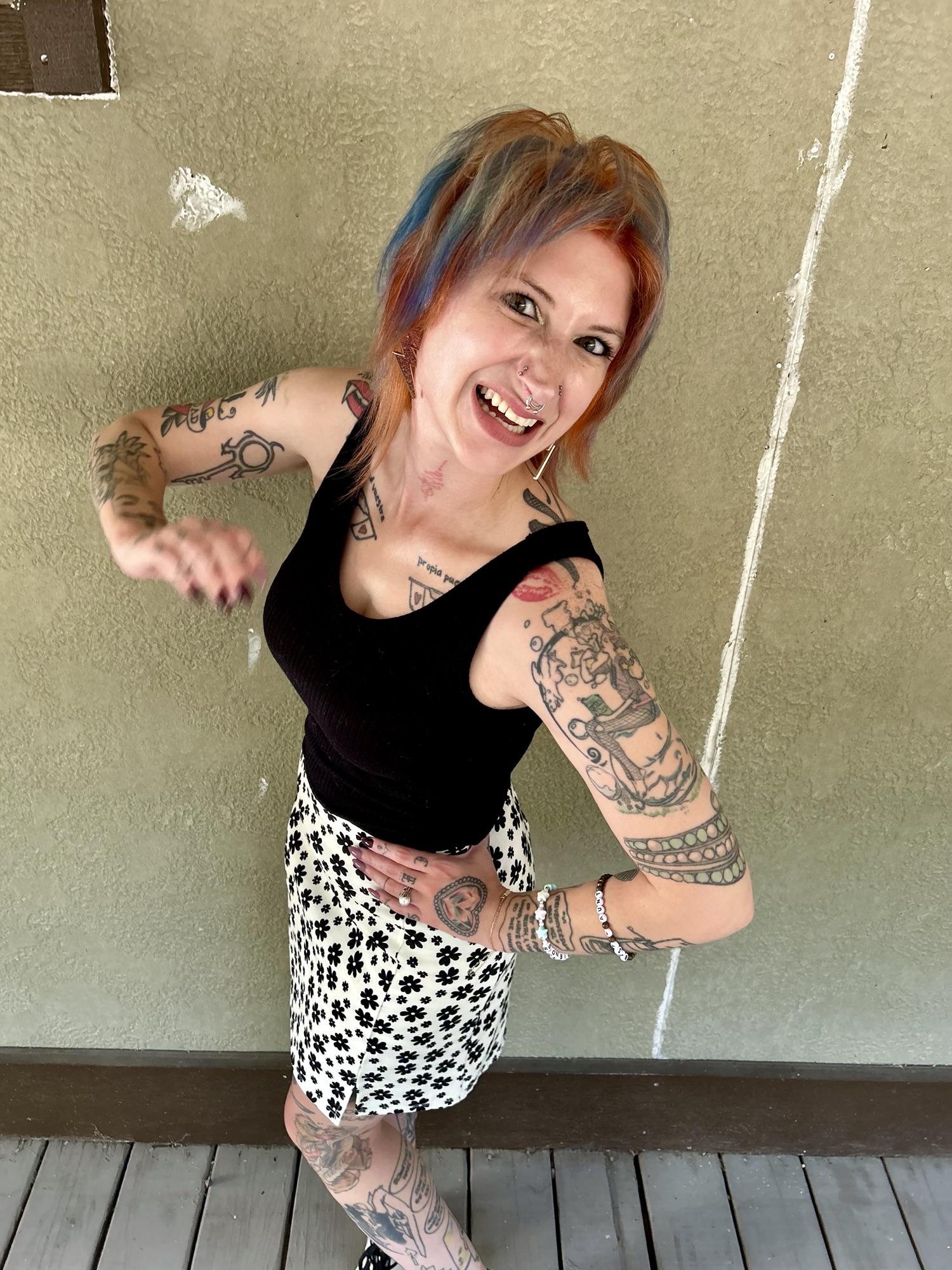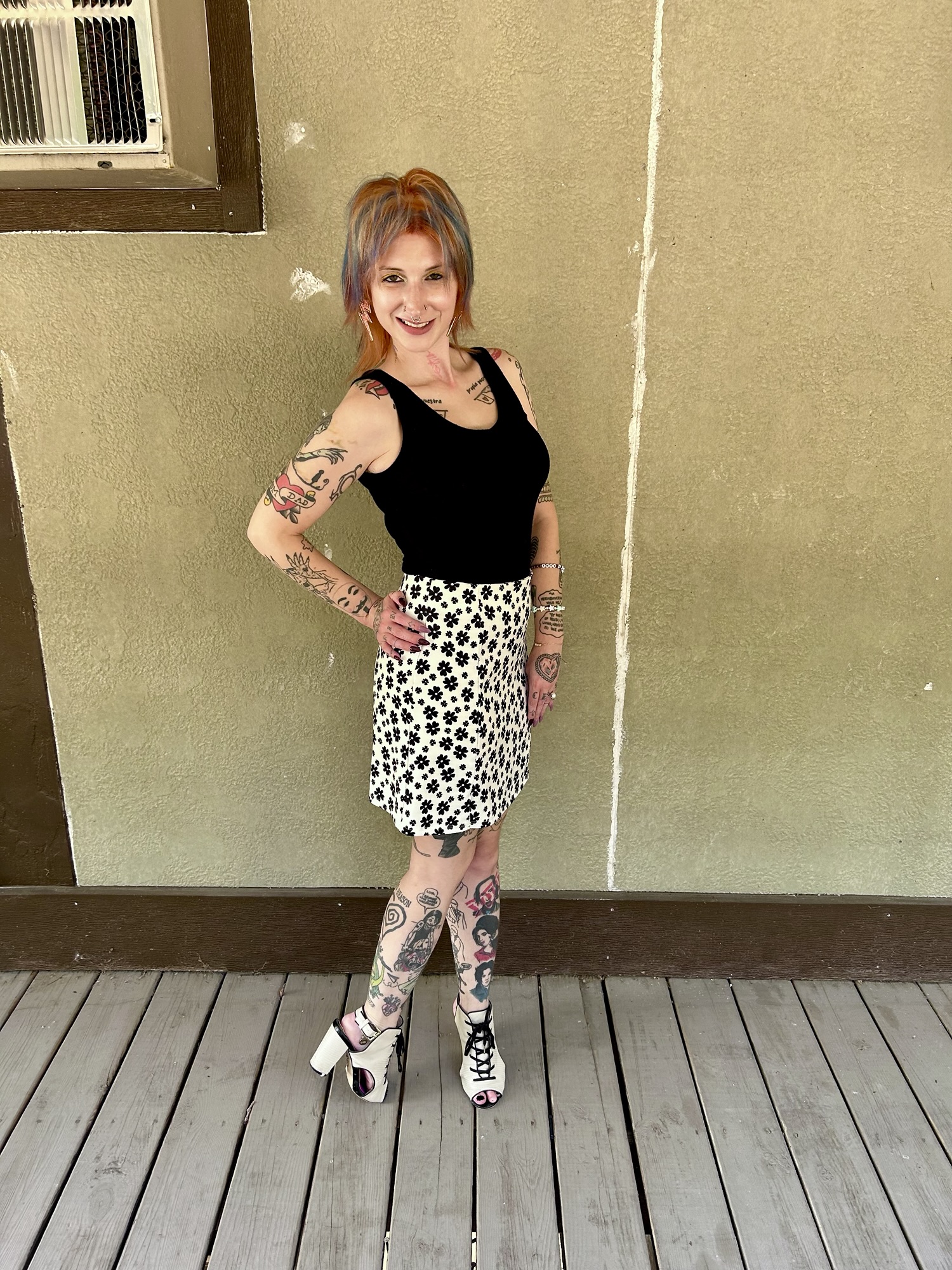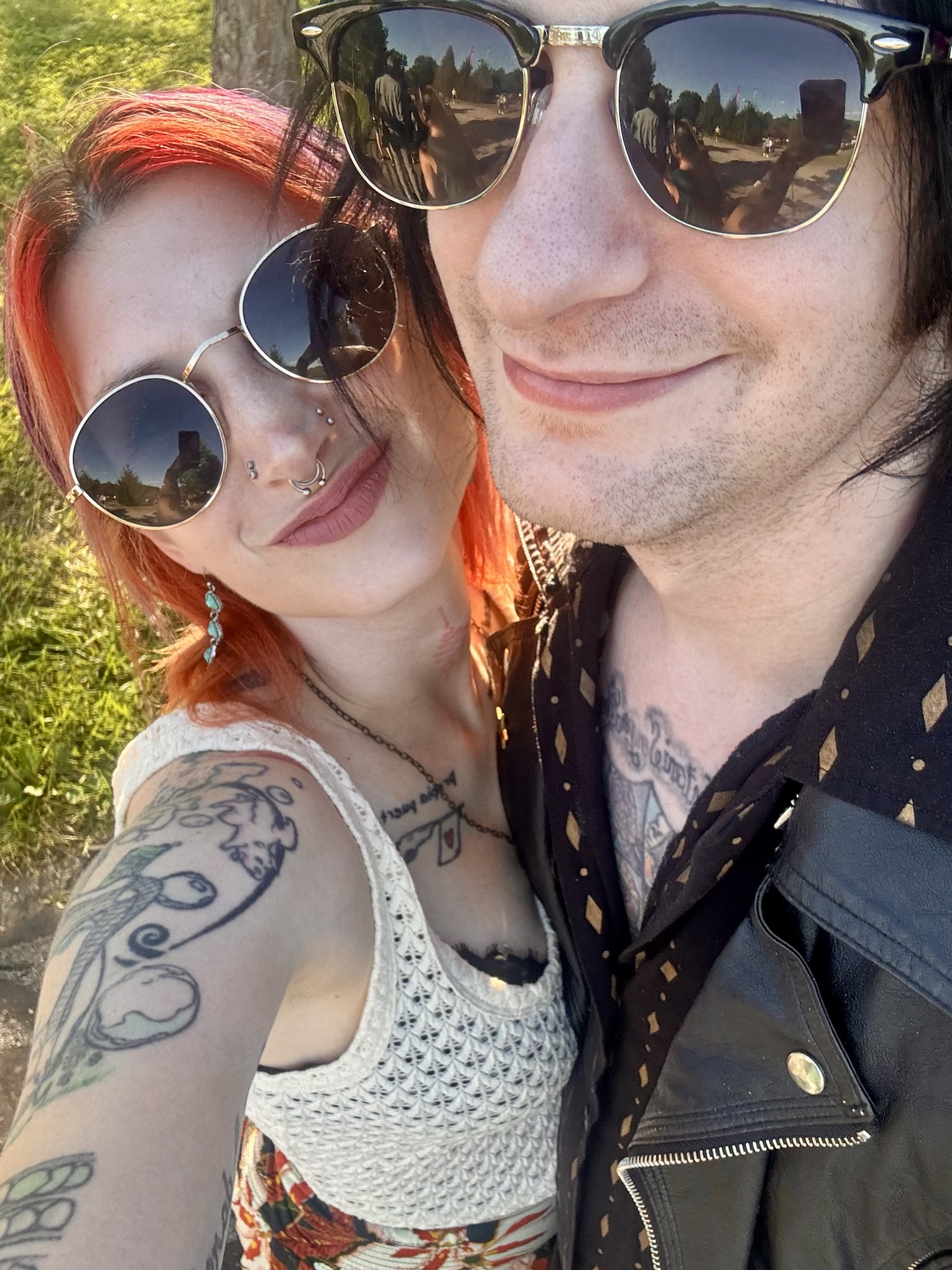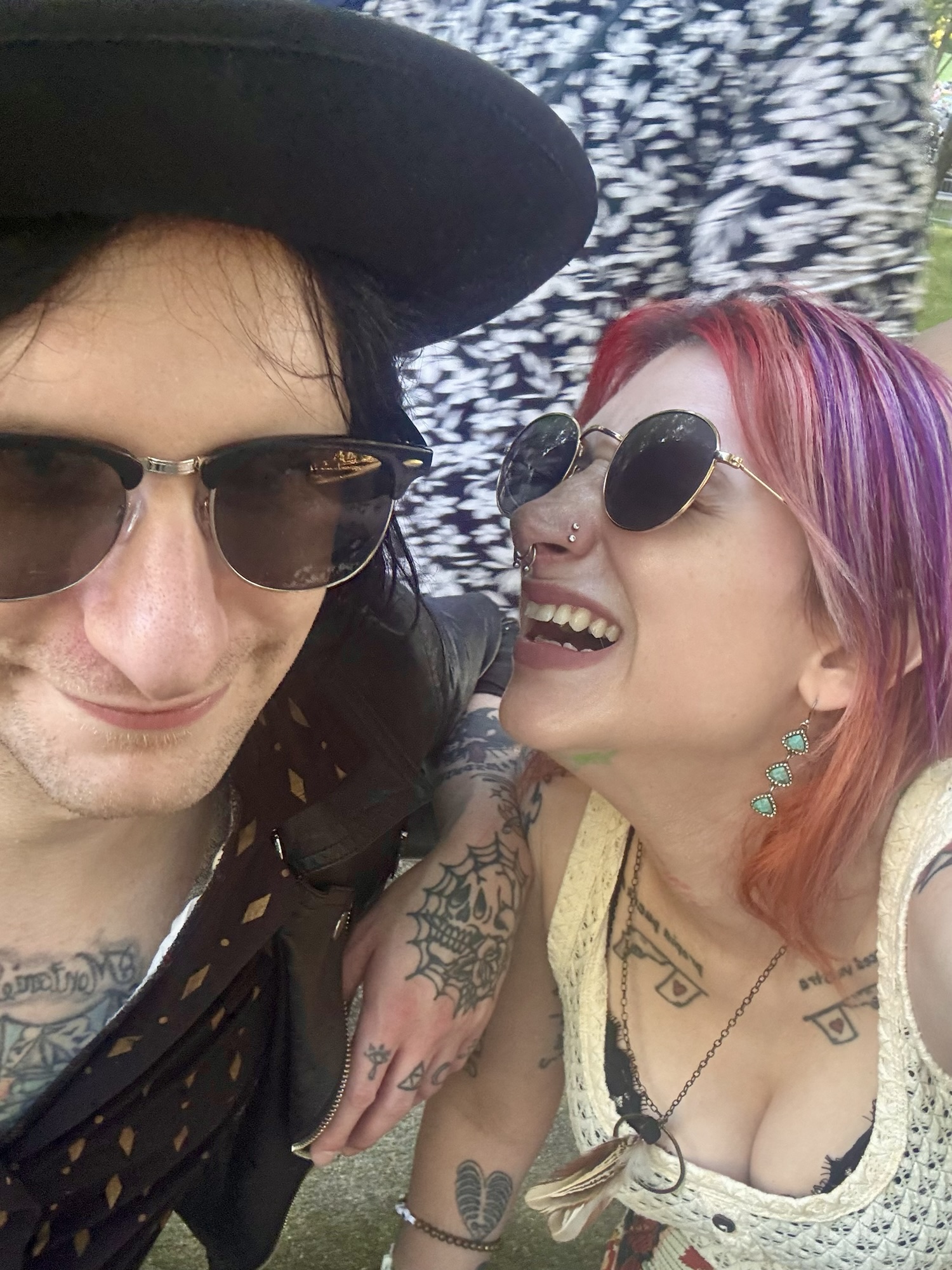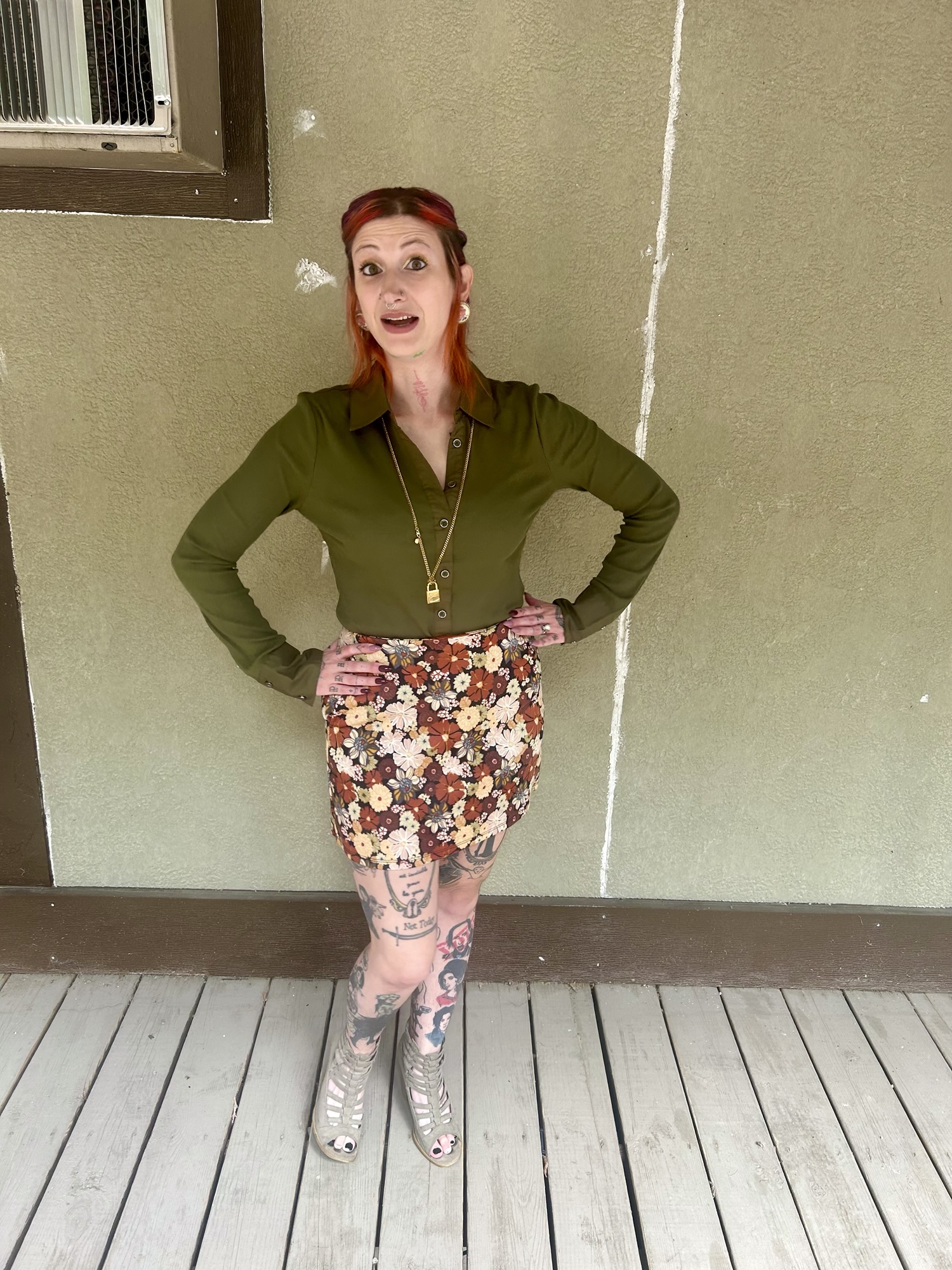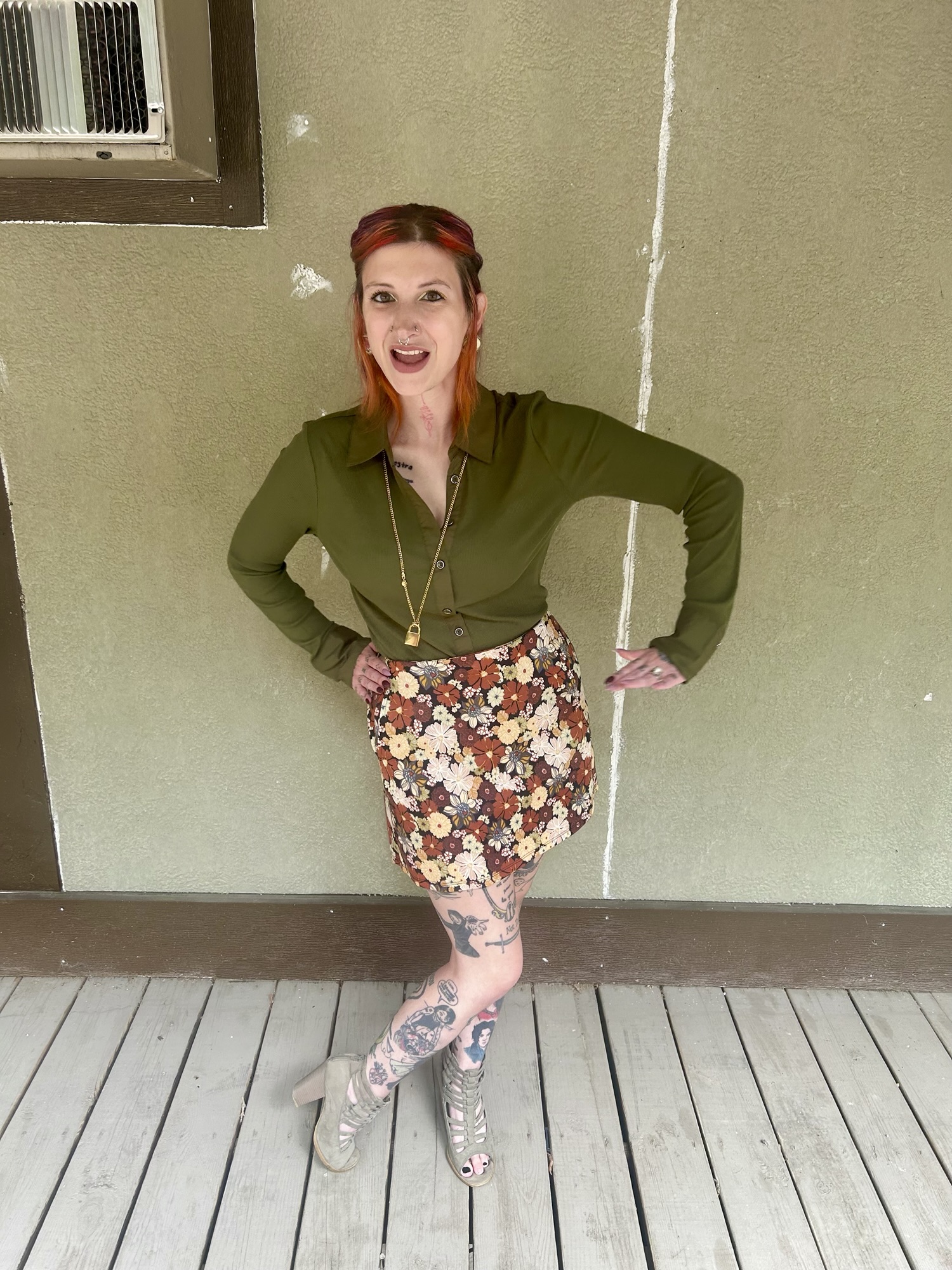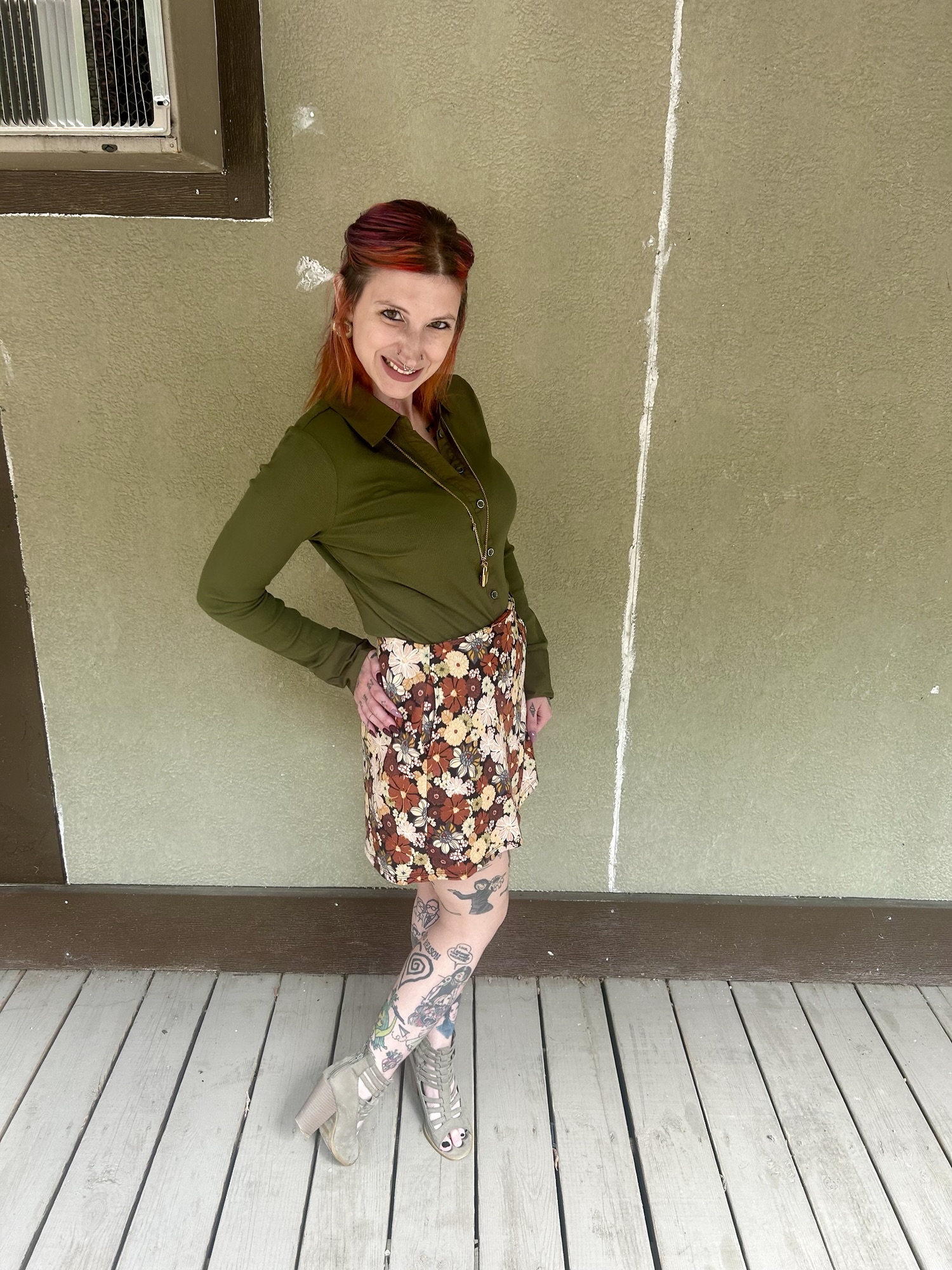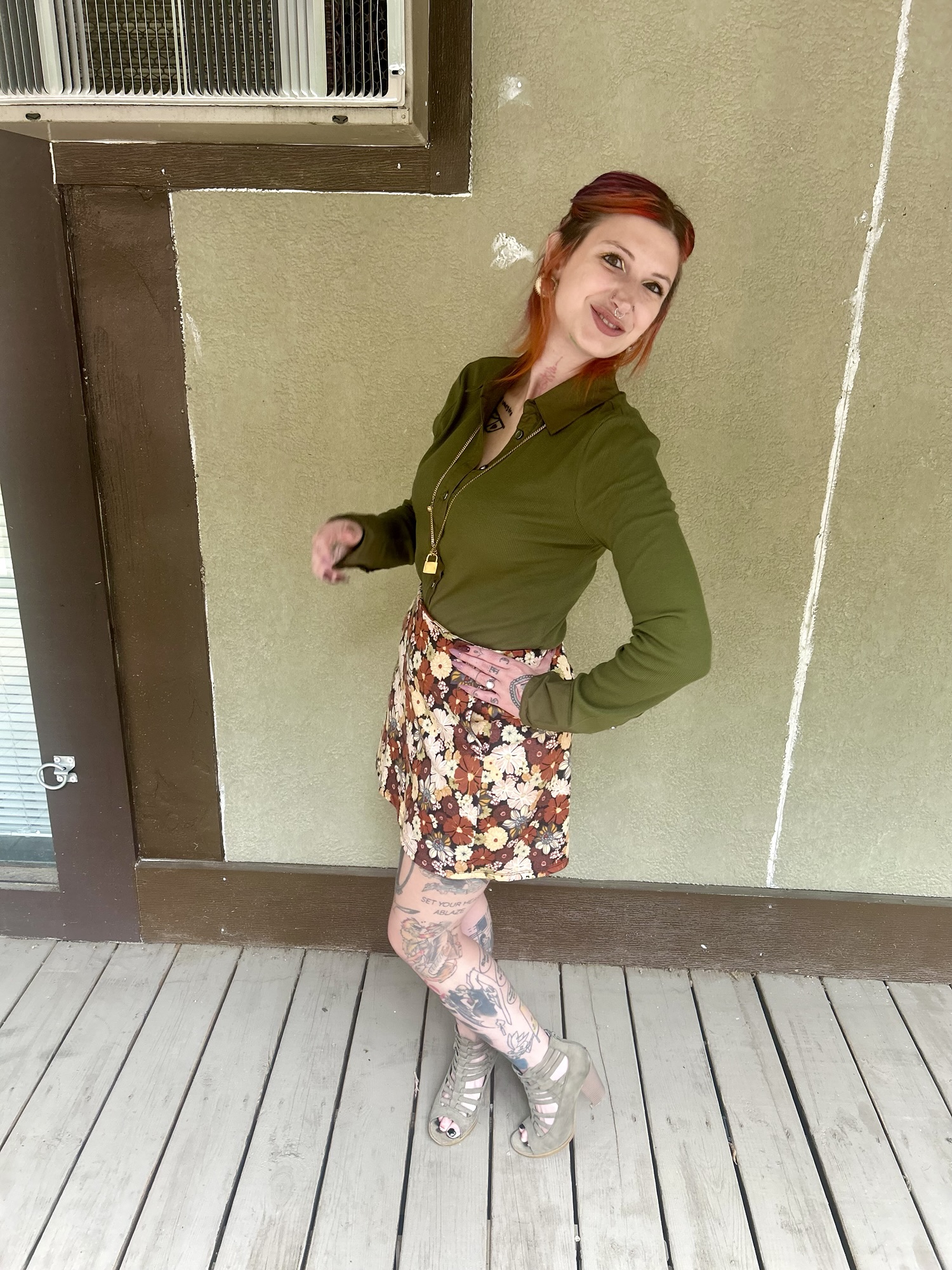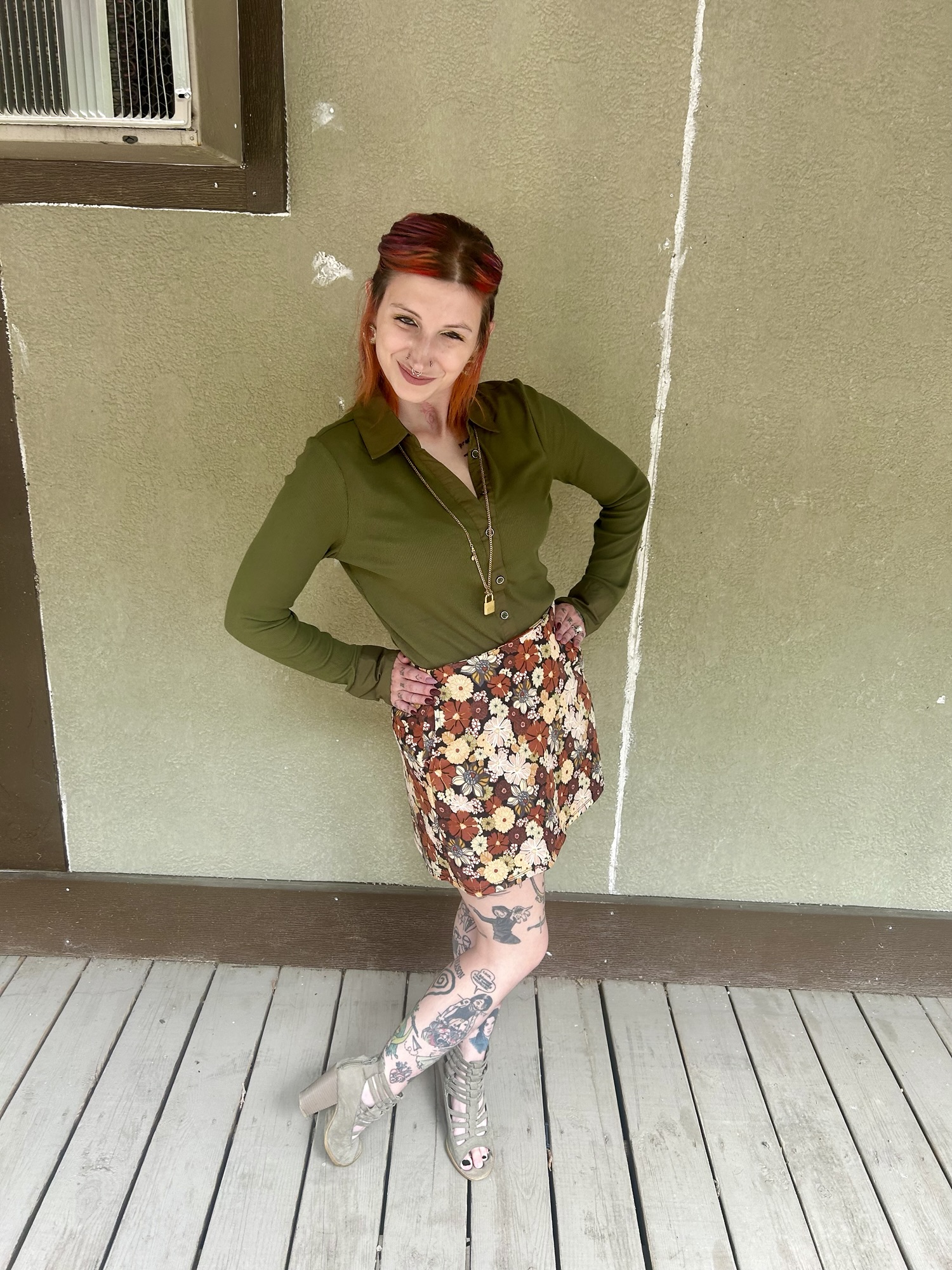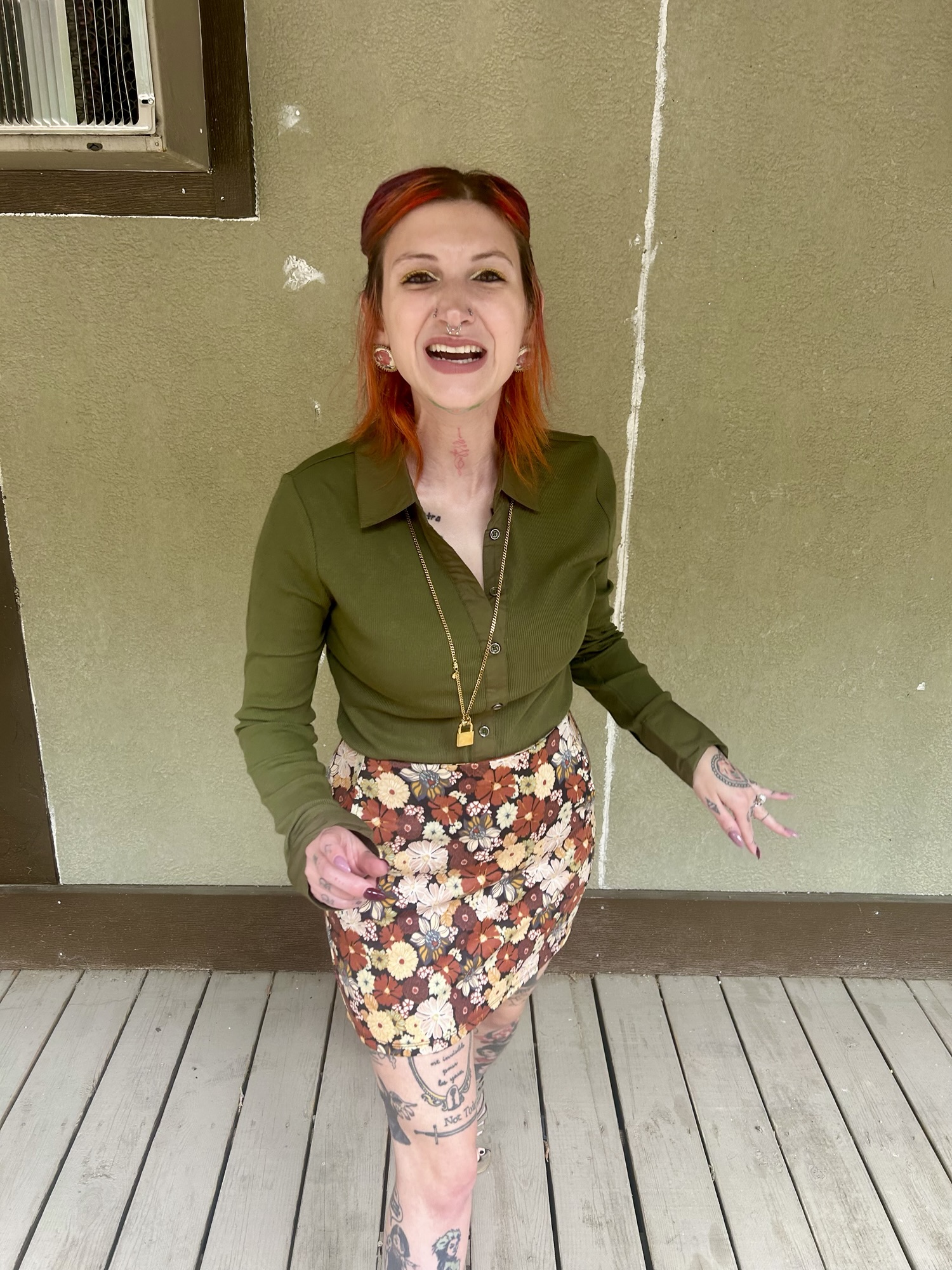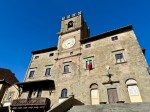
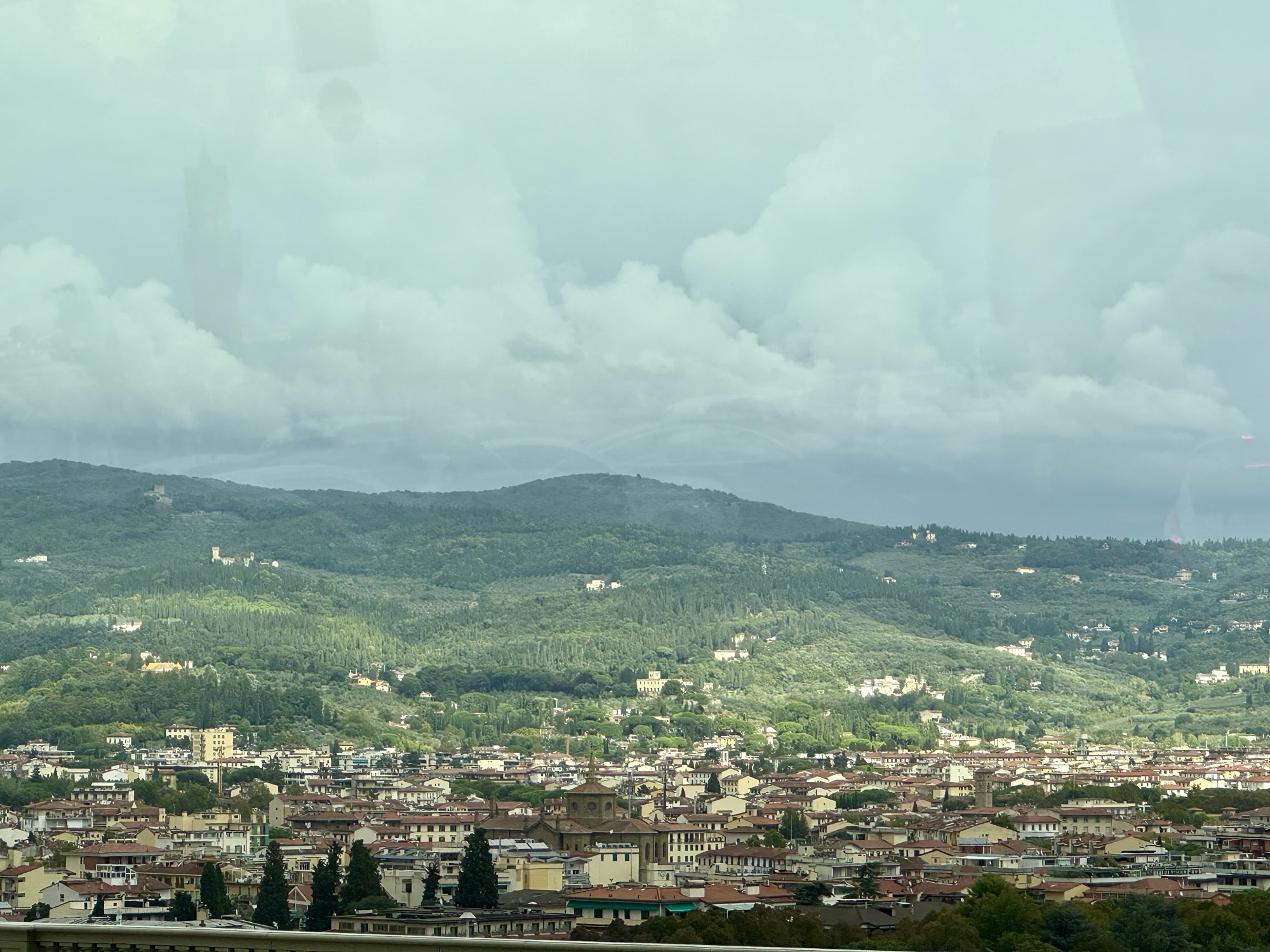
Hello! After an afternoon in Assisi and an evening in Perugia, it was off to Cortona and Florence on our Italy Adventure. We enjoyed a scenic drive through Tuscany to reach Cortona and after our time there, we had the evening in Florence all to ourselves. It was one of my favorite nights of the entire trip because Johnny took me on a fabulous date night. We may not have been able to find the restaurant we originally had in mind but stumbled into a perfect Plan B and it was just the best. Compared to most of the days on our tour through AAA and Collette, this was one of the most leisurely ones and it was so lovely to amble and explore at a less extreme pace with no set plans but sightseeing. Here are some of the highlights of Cortona:
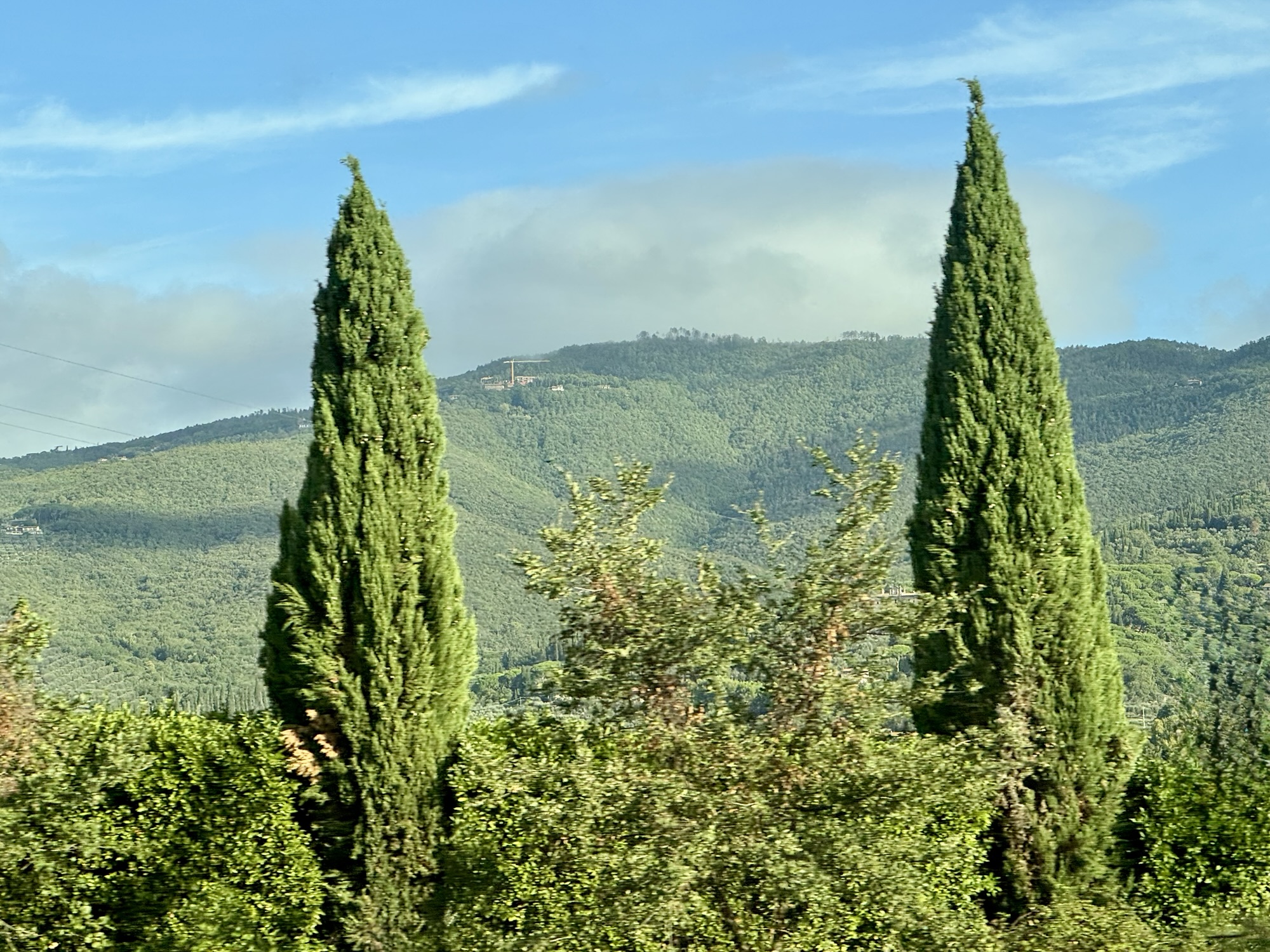
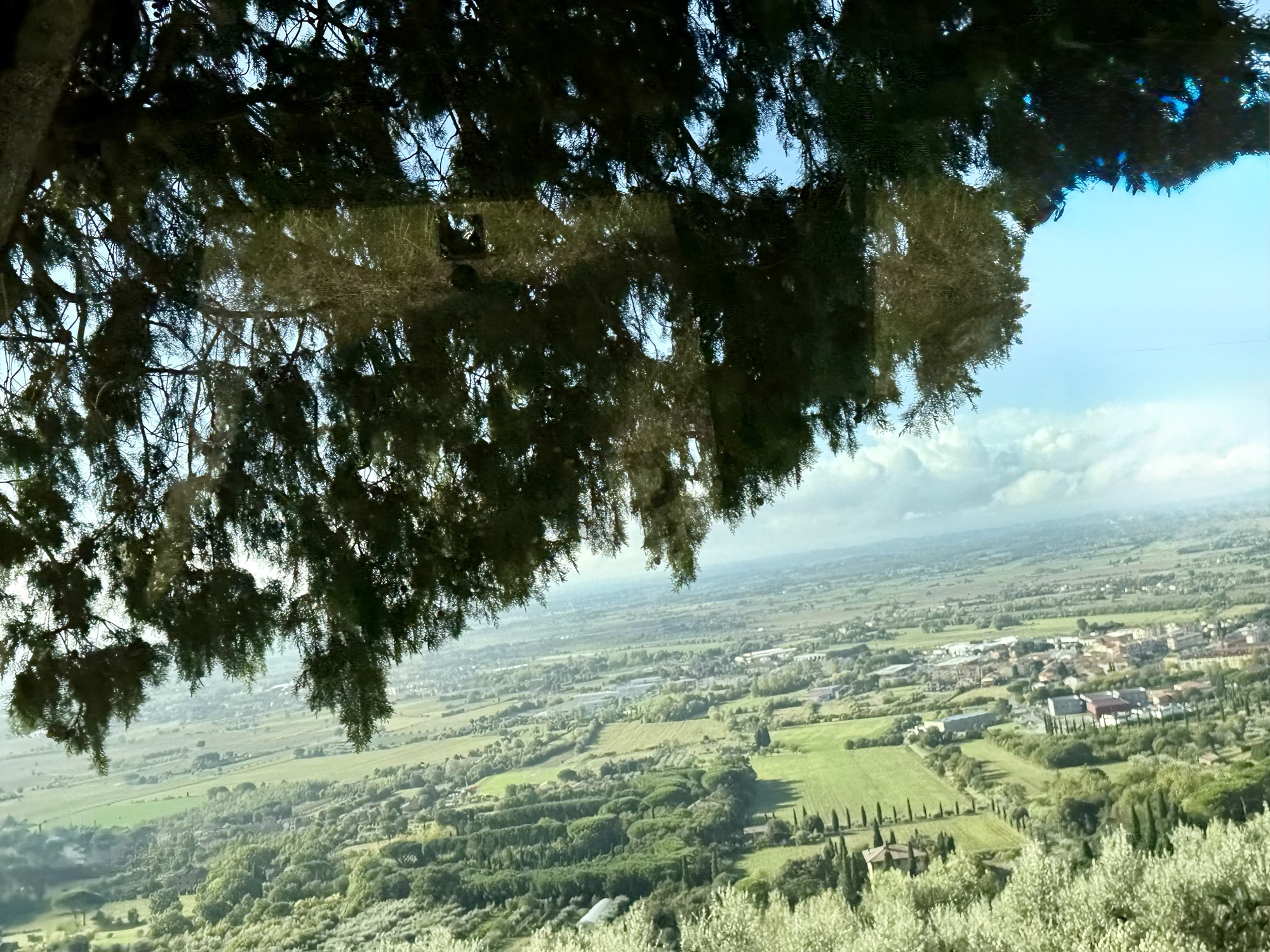
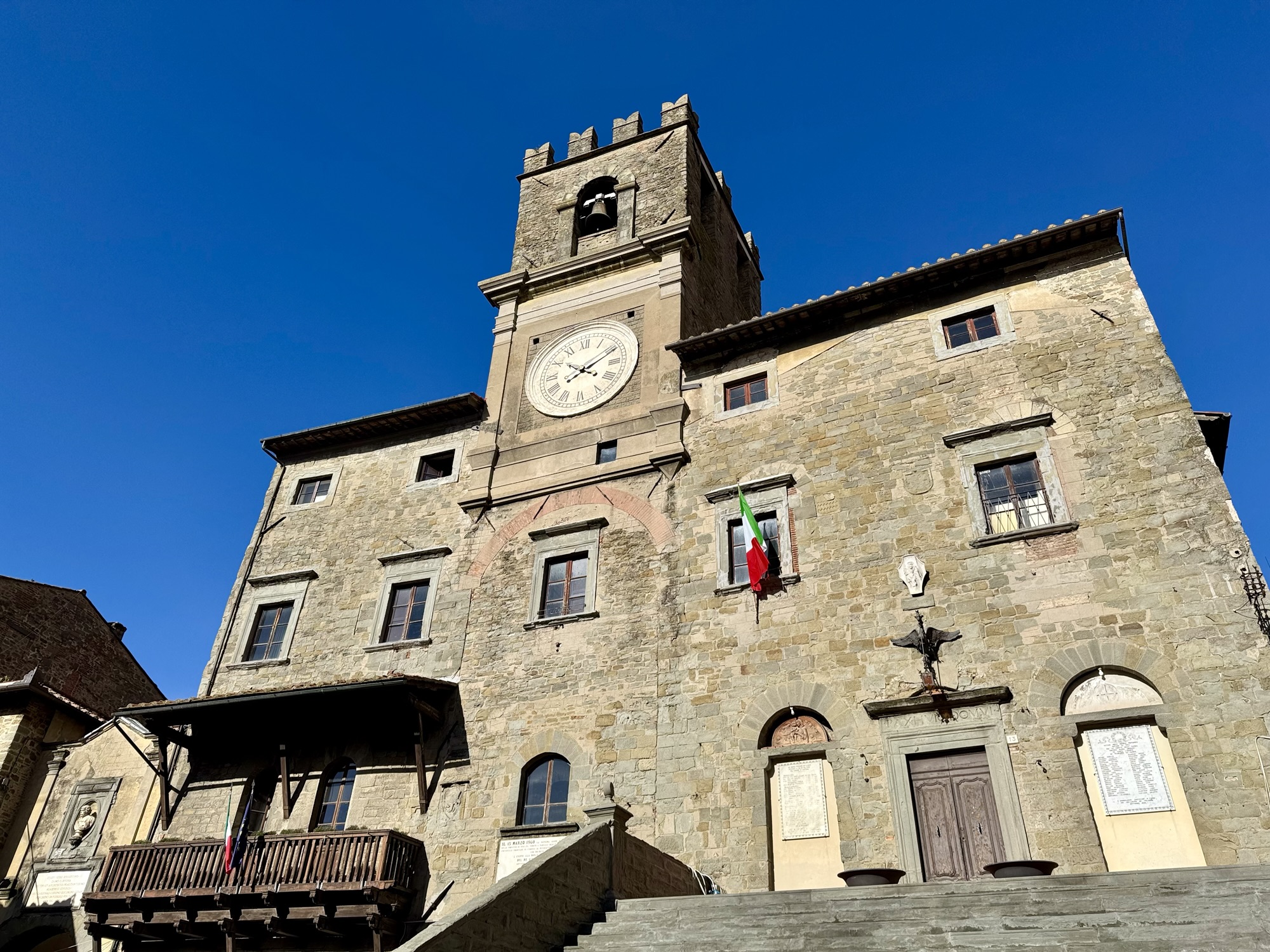
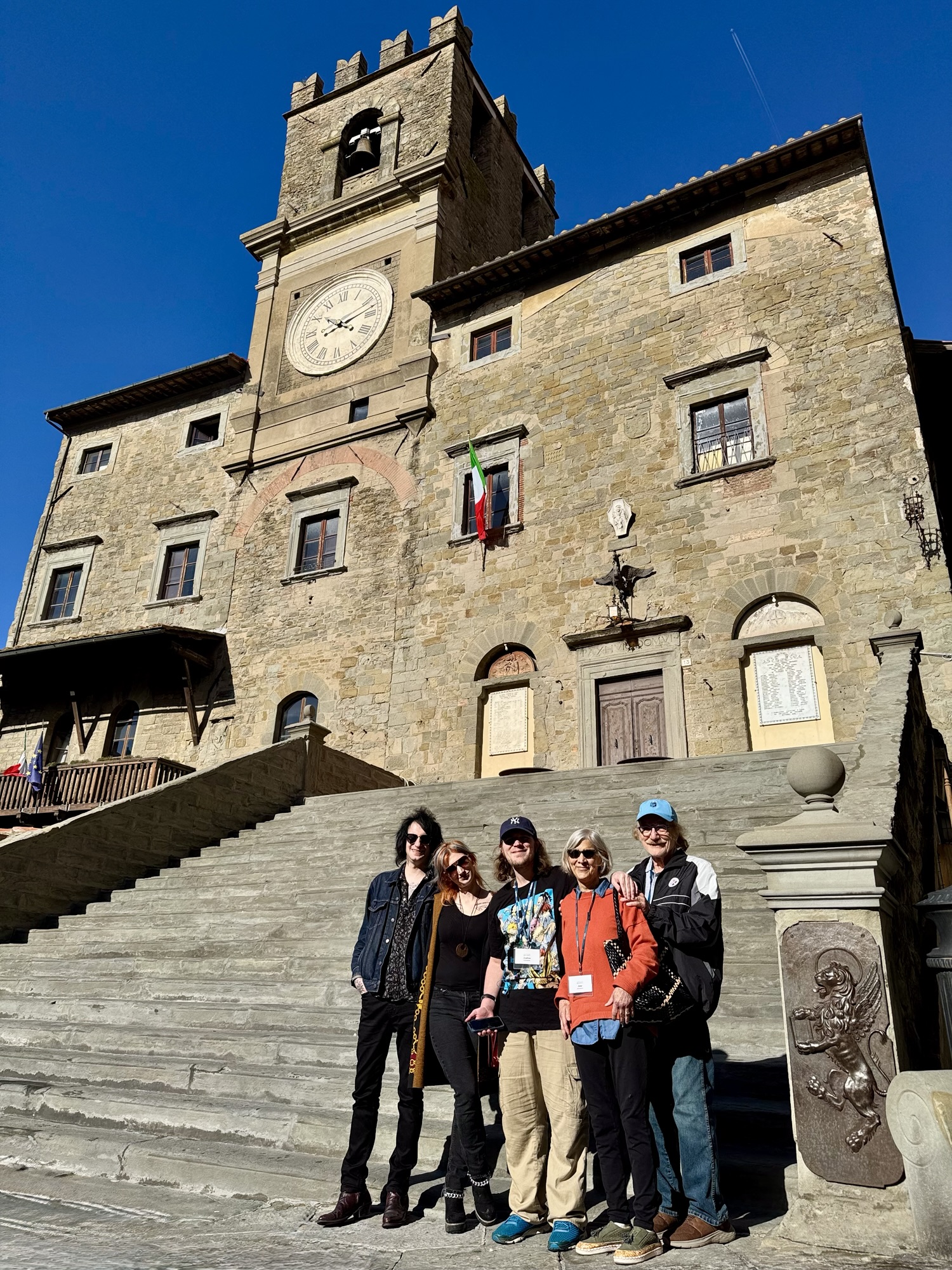
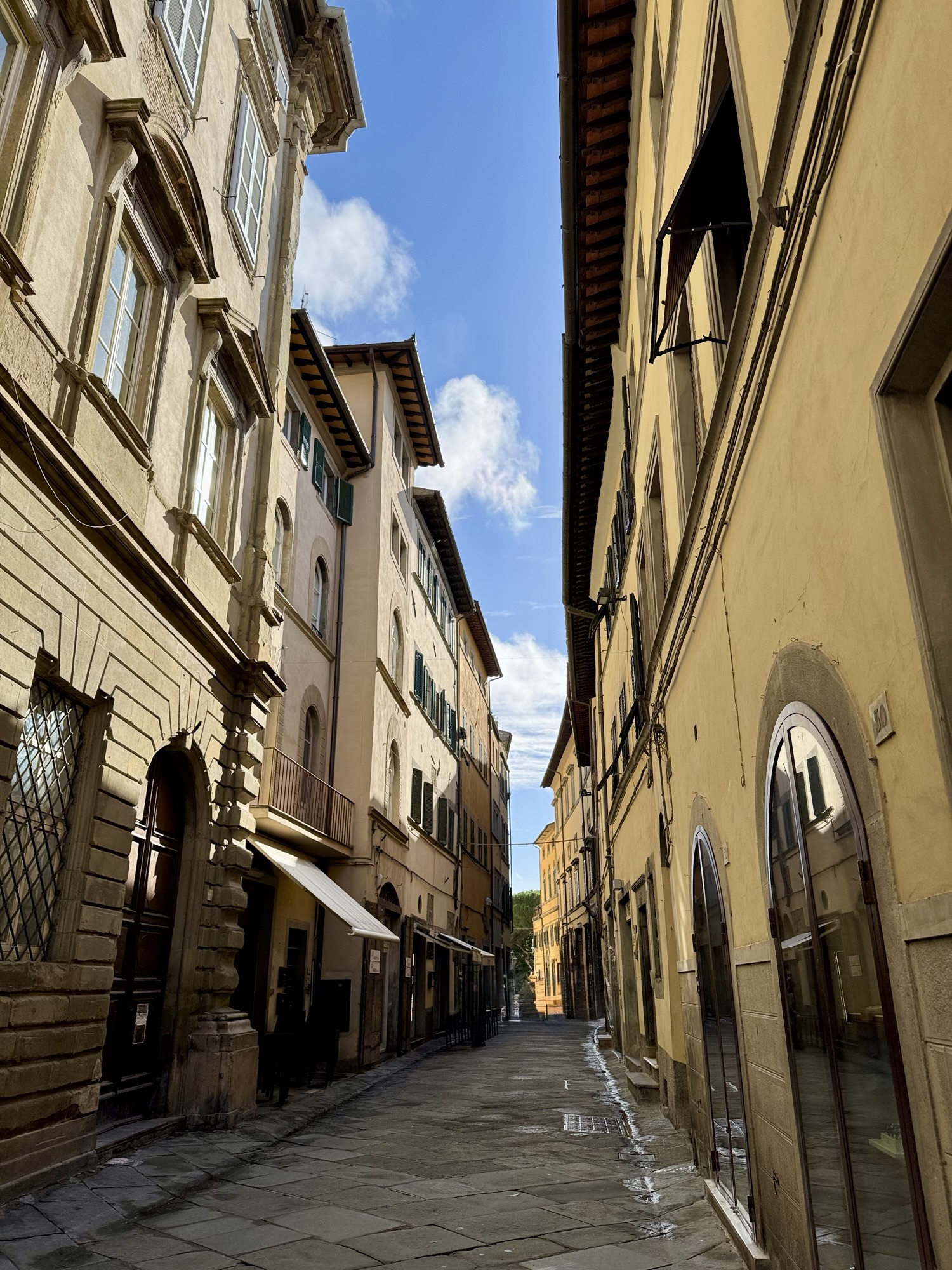
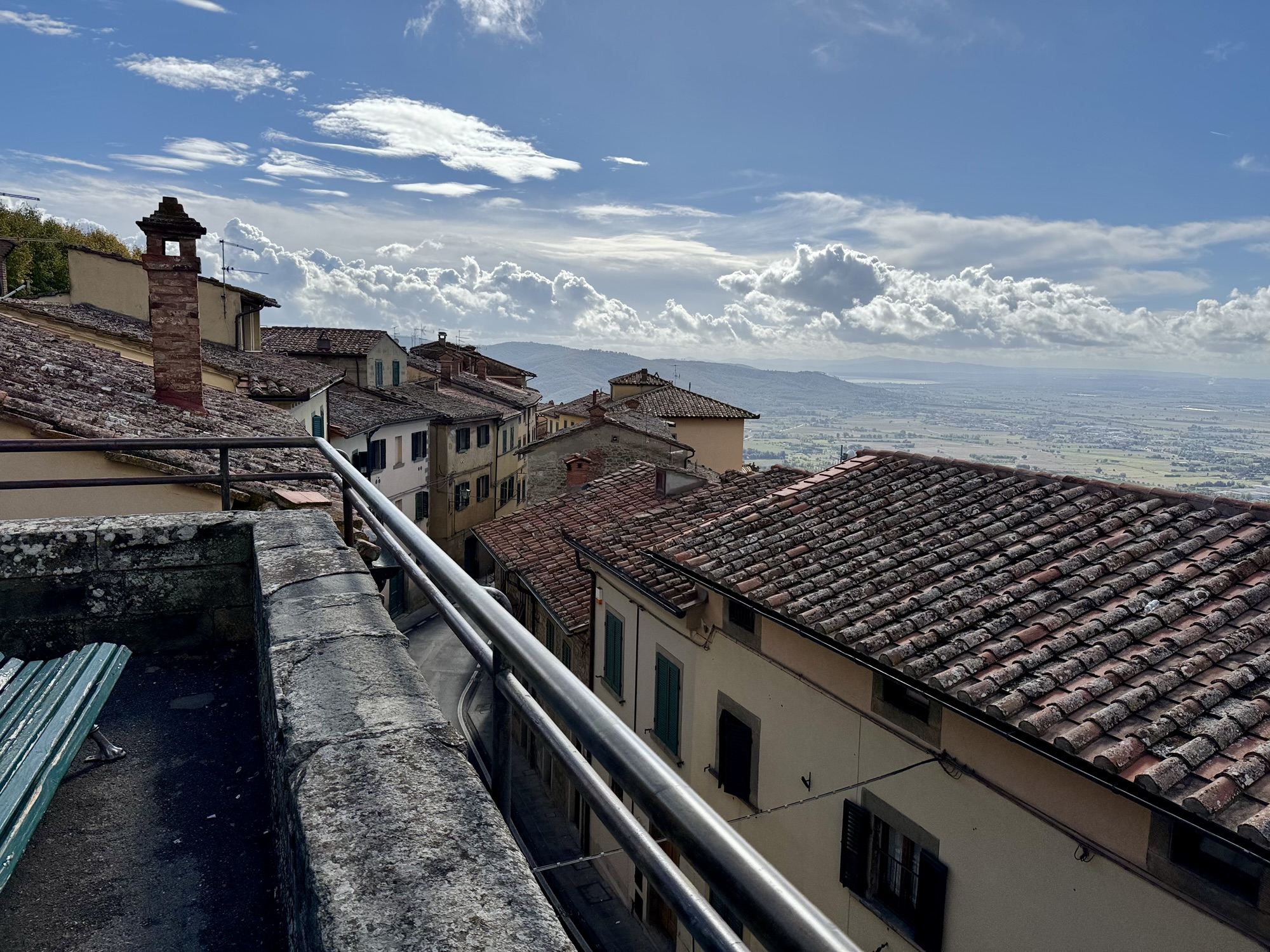
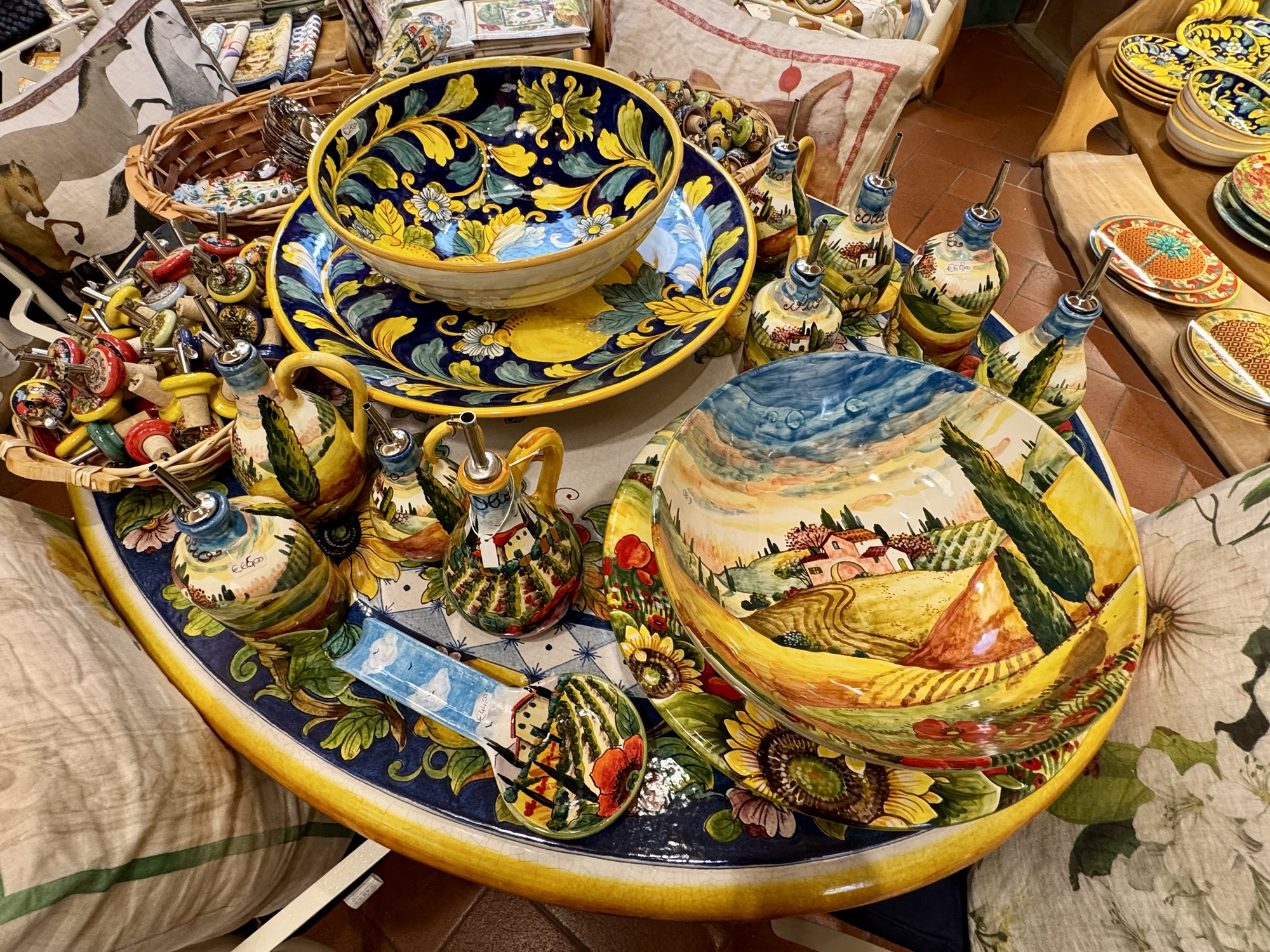
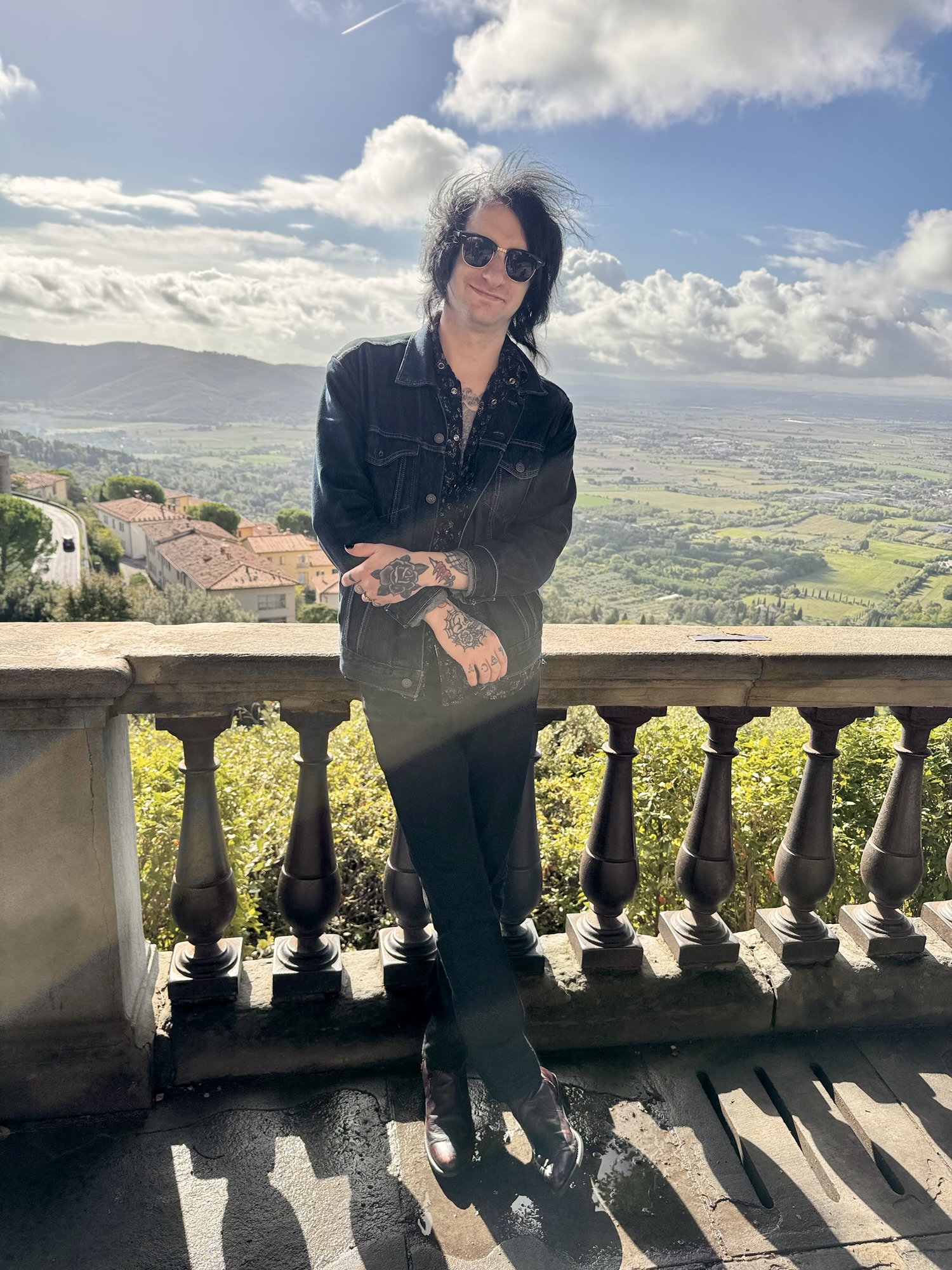
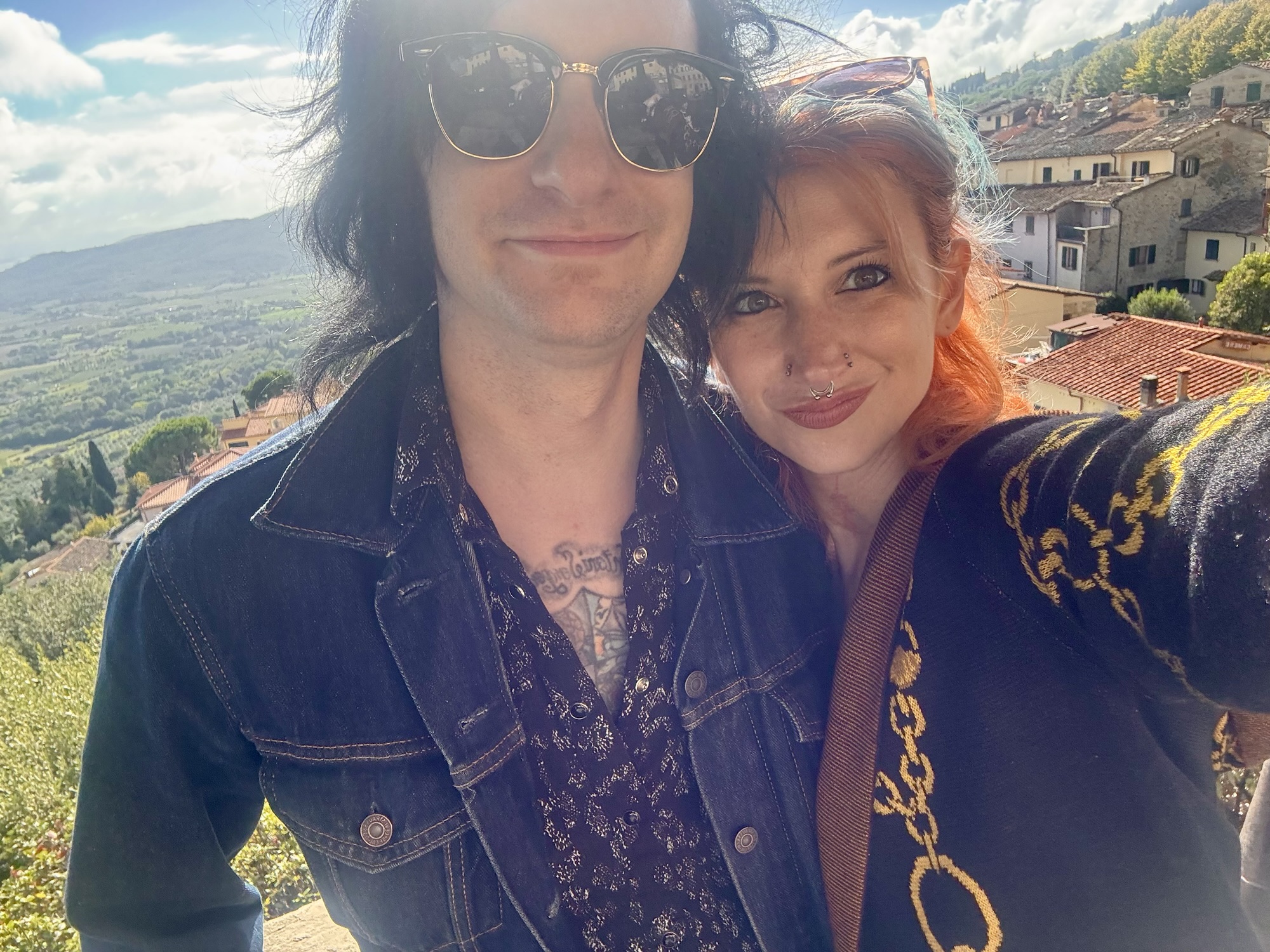
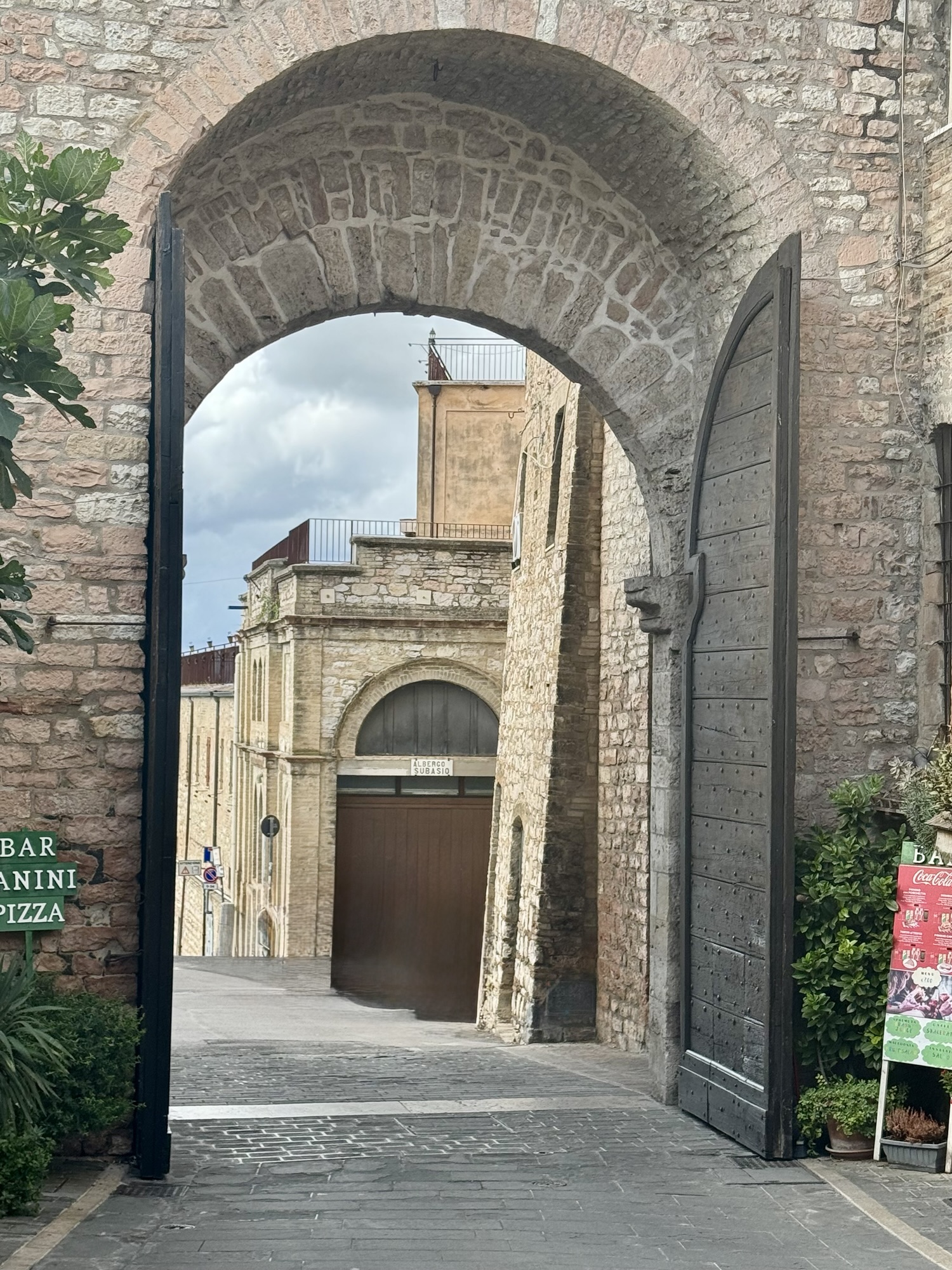
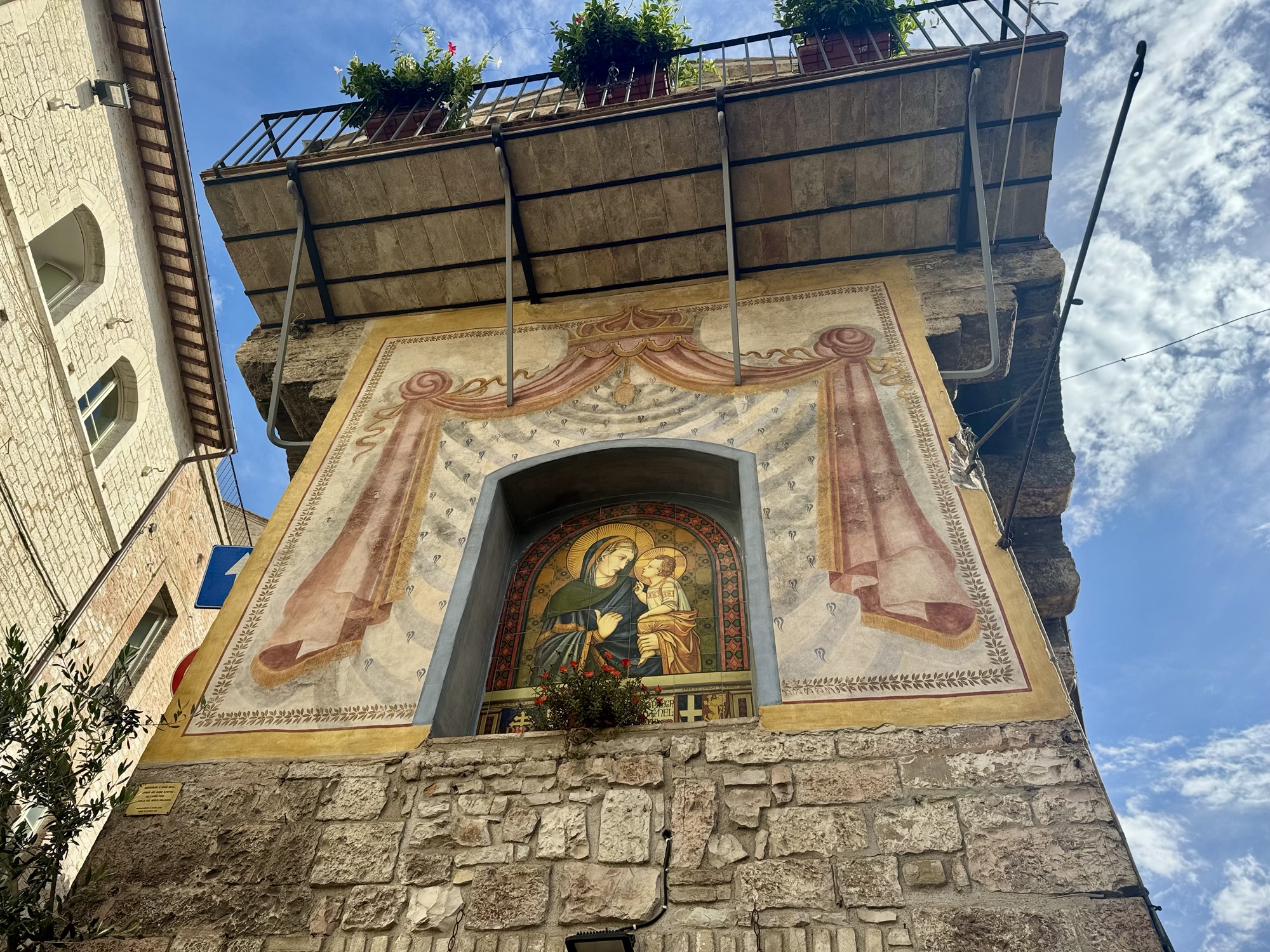
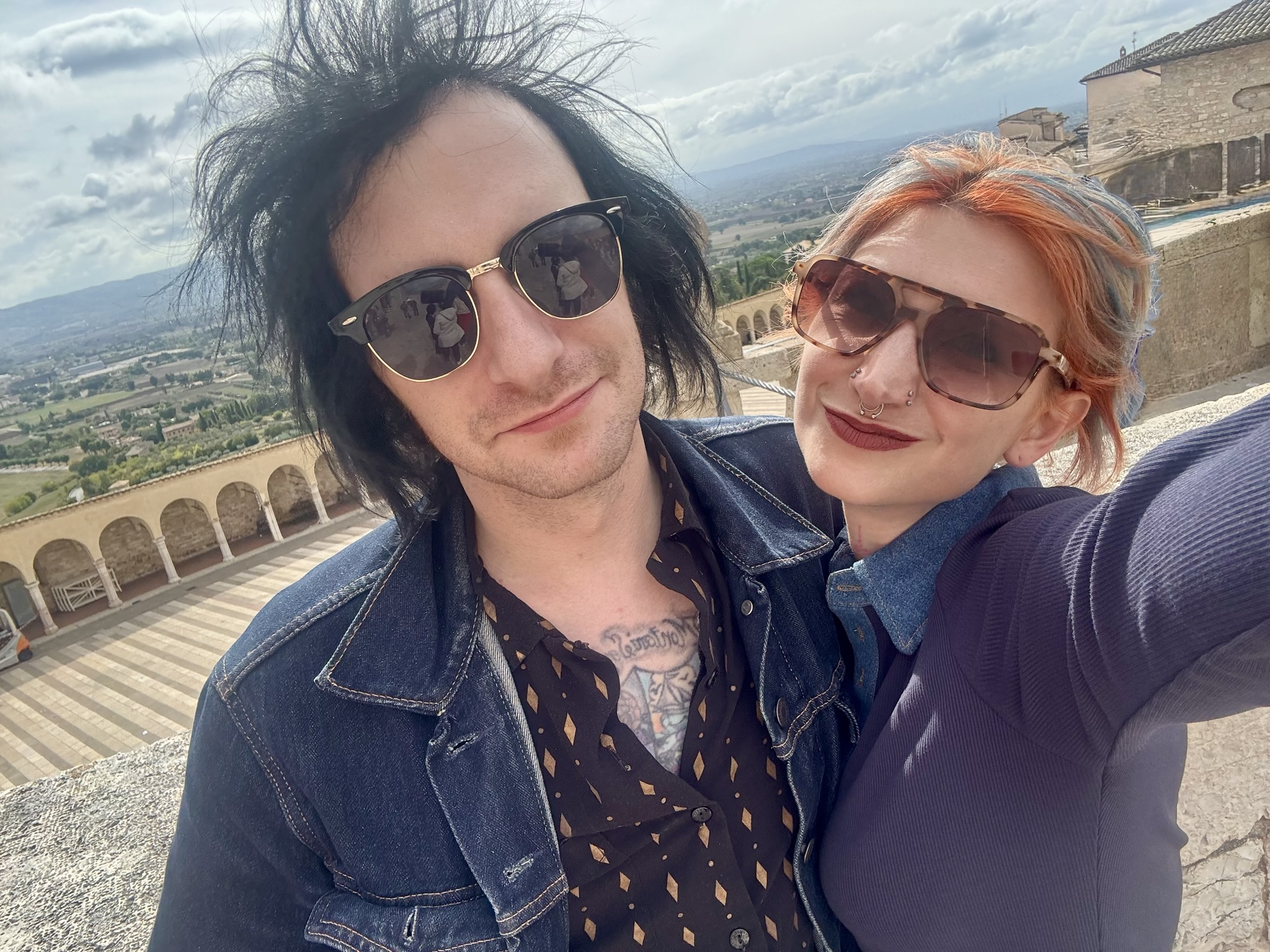
After our tour bus dropped us off in Cortona we had about two hours to take in the sights, pop into quaint little stores, and have a snack or coffee. We spent some time browsing with the rest of my family and then Johnny and I took it to the streets to take in the rest of the city. This was an especially pleasant jaunt as a musician was playing accordion music on the street and it felt like being in a movie! We went through Cortona with nothing in mind and it was so liberating to simply walk and do our own thing. Not to say that it wasn’t a joy being with our group, but it was nice to separate ourselves for a bit and fly solo. By the time it was time to get back on the bus, Johnny and I were able to see a lot of the city and then it was on to Florence.
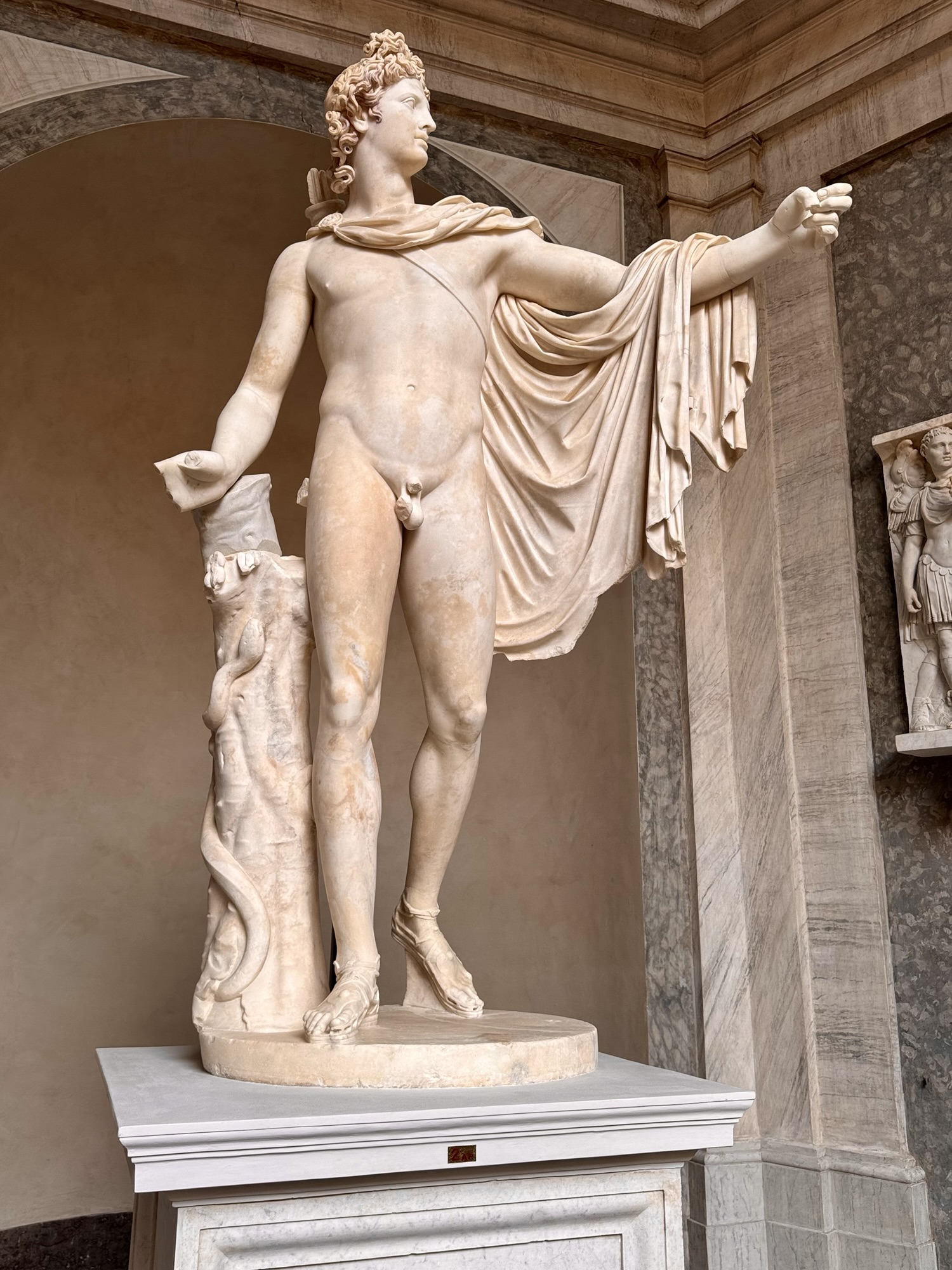
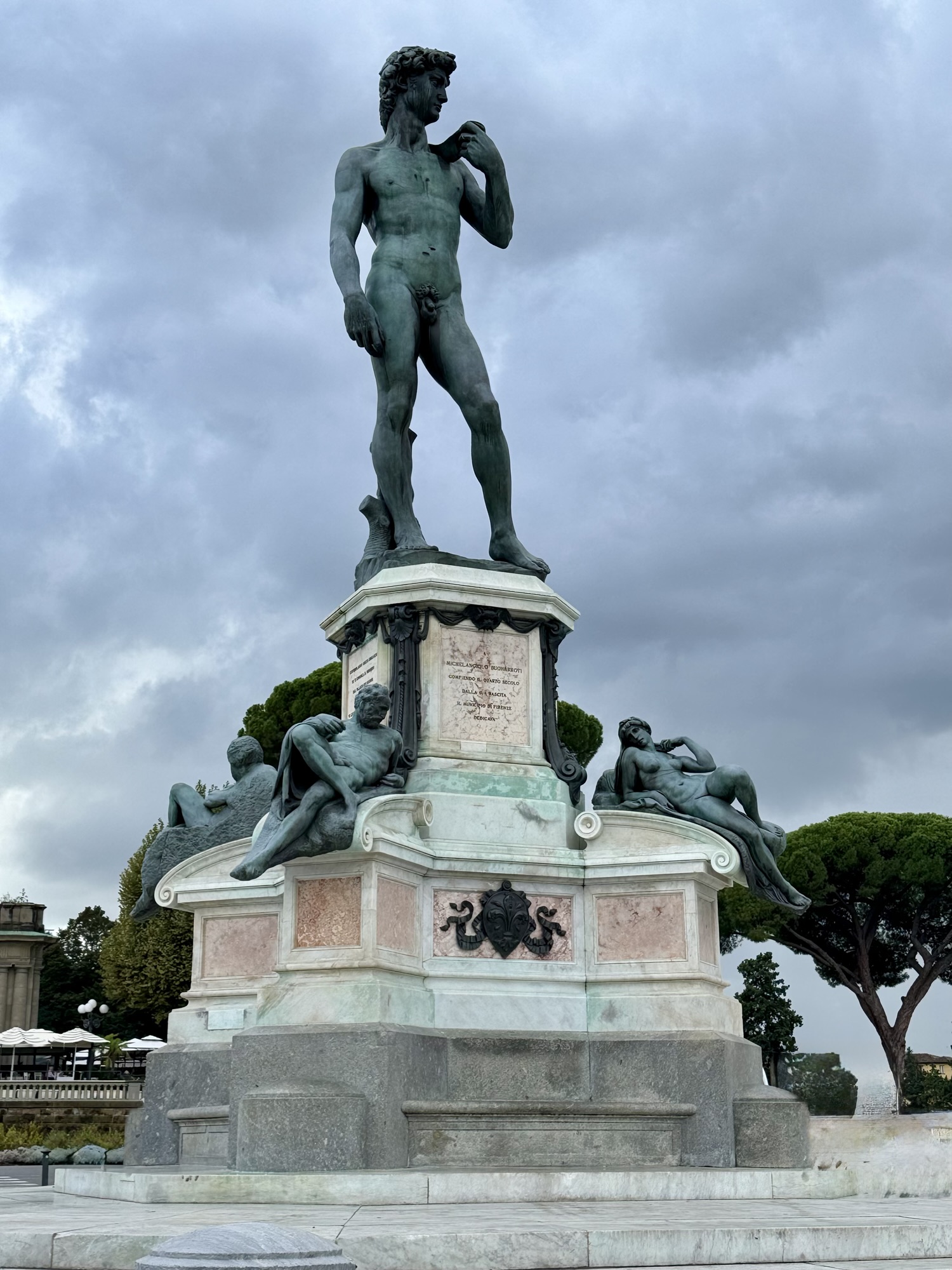
Of course, before arriving at our hotel in Florence, we just had to stop and see the replica of David by Michelangelo. We didn’t have the opportunity to see the real thing as a group and that was okay! The replica is glorious too:
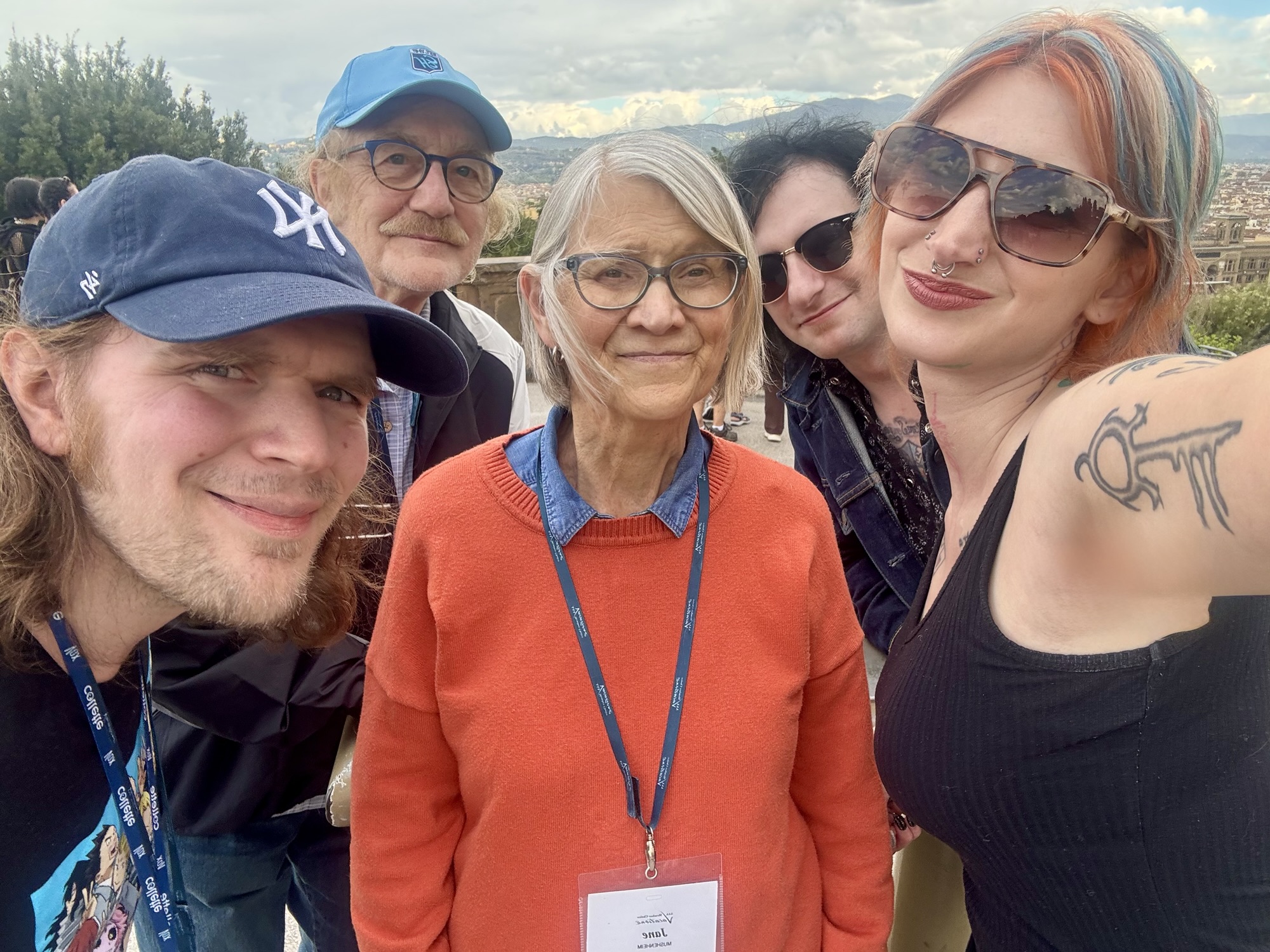
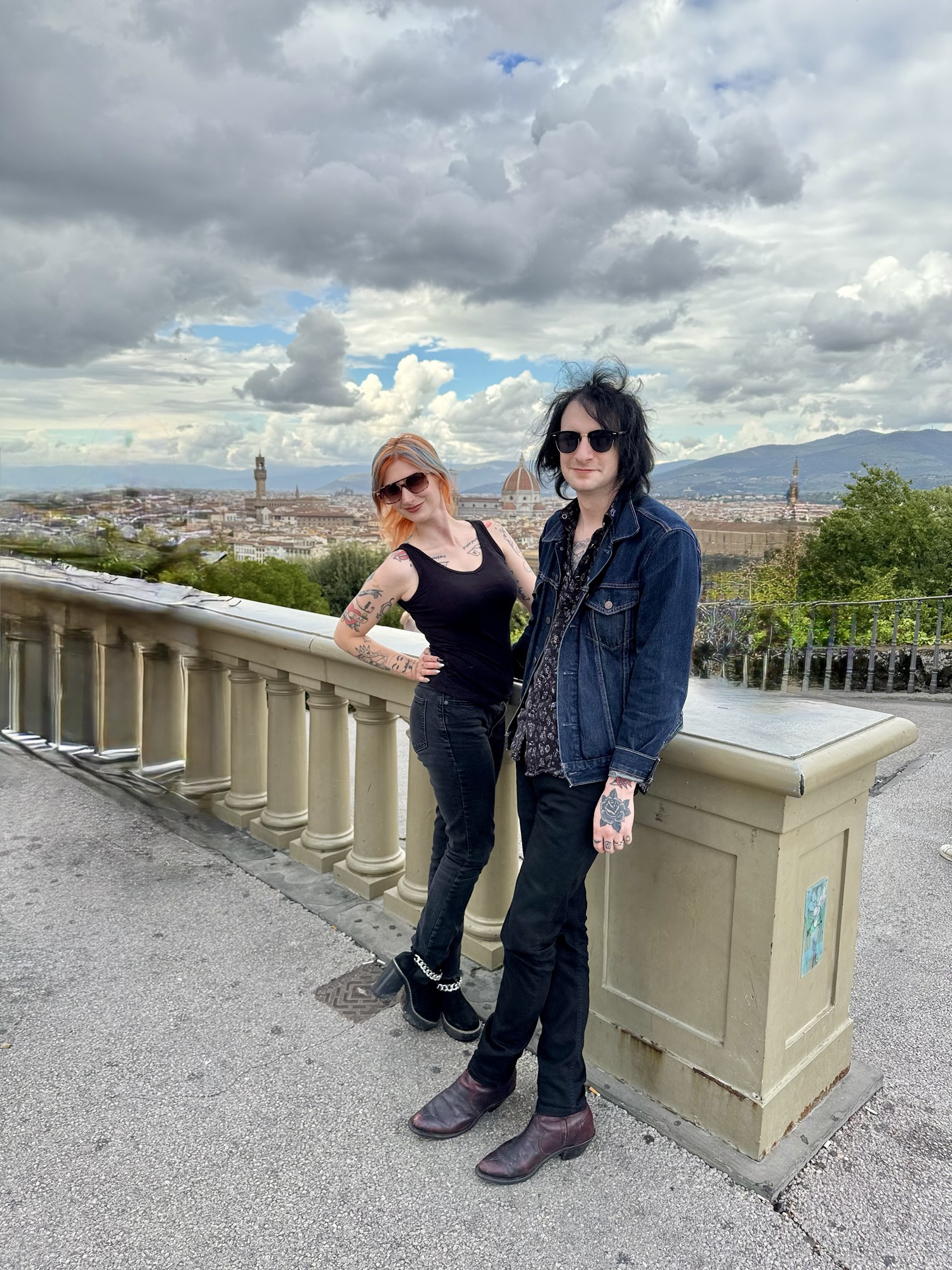
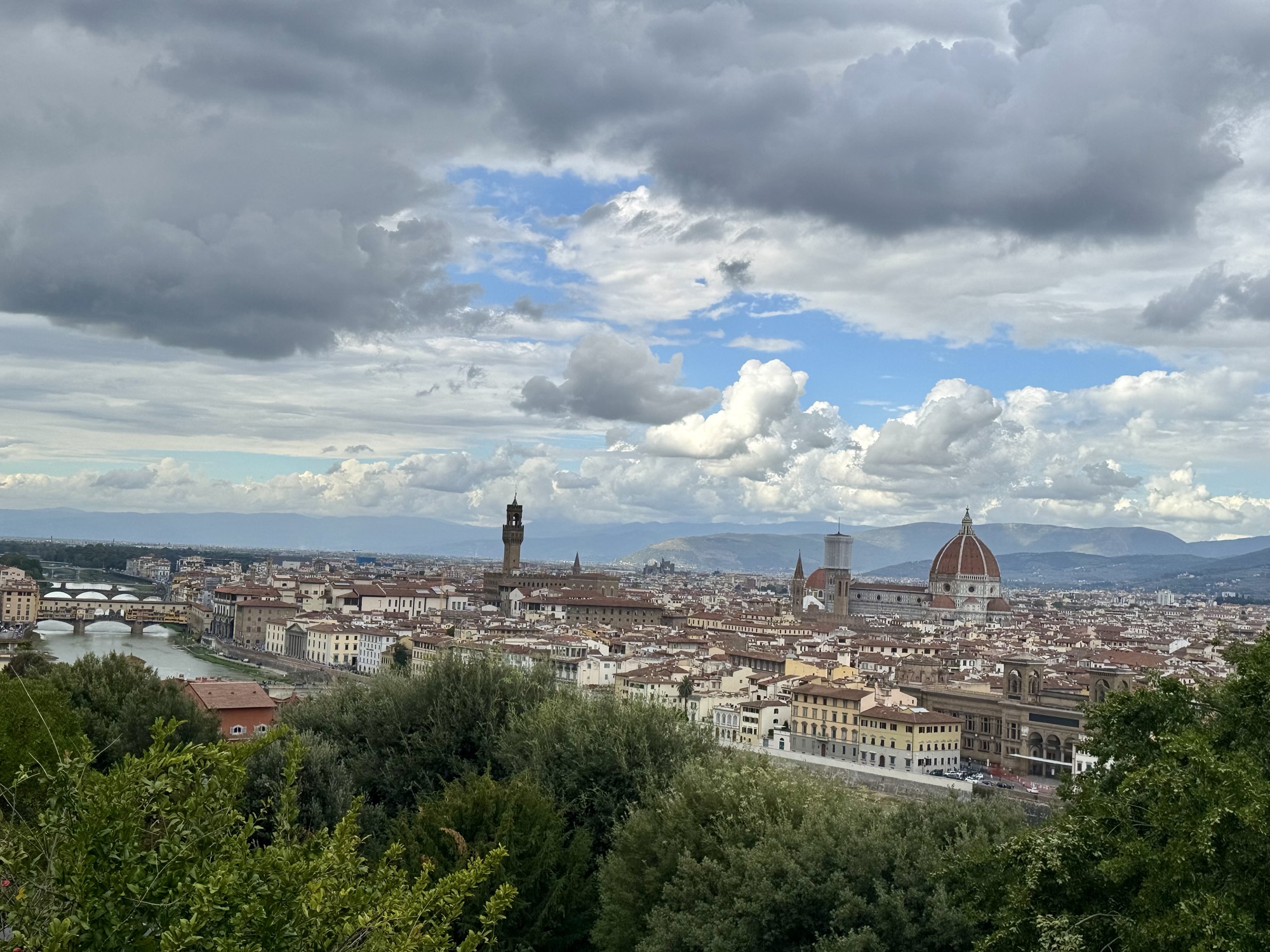
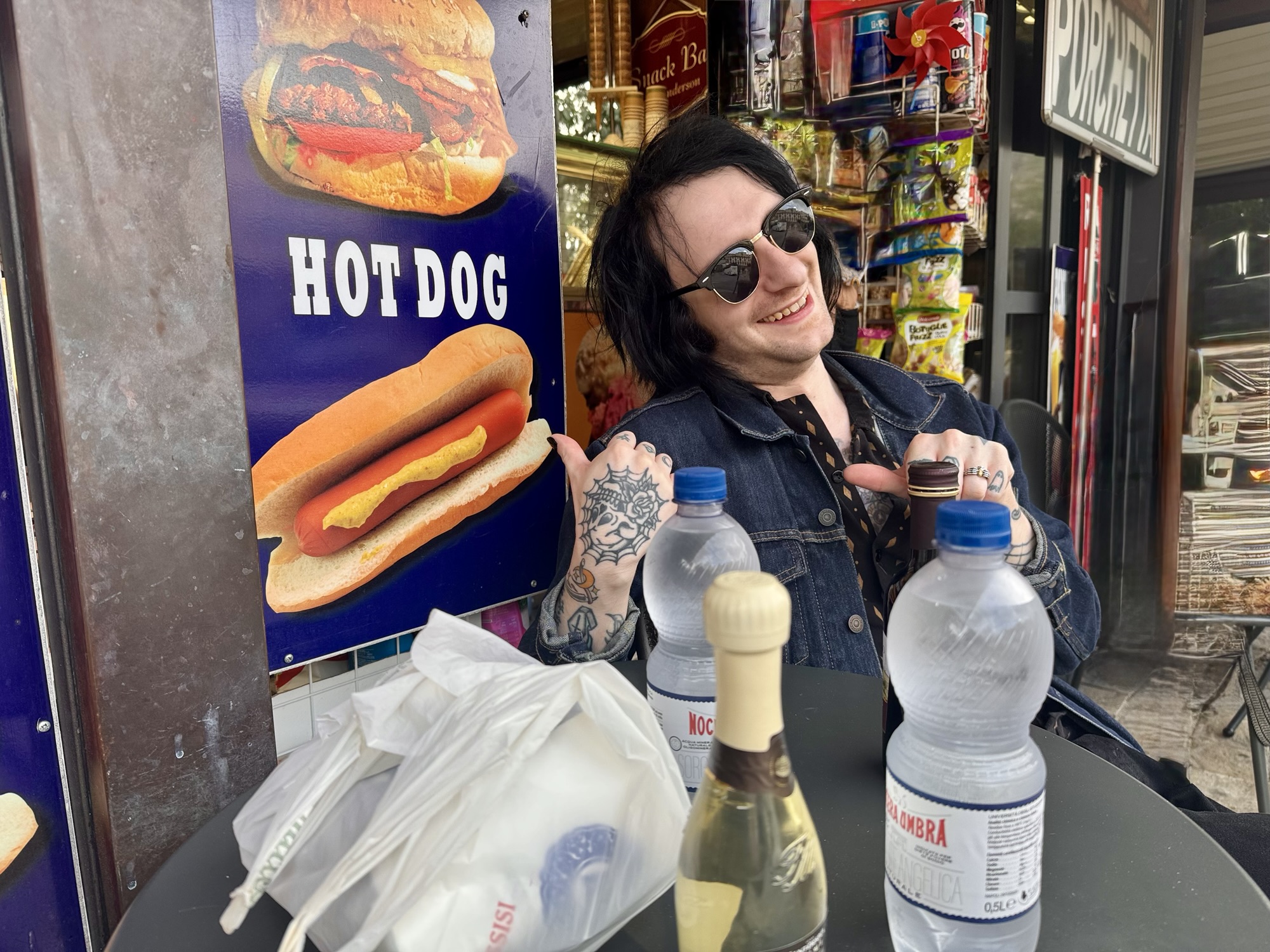
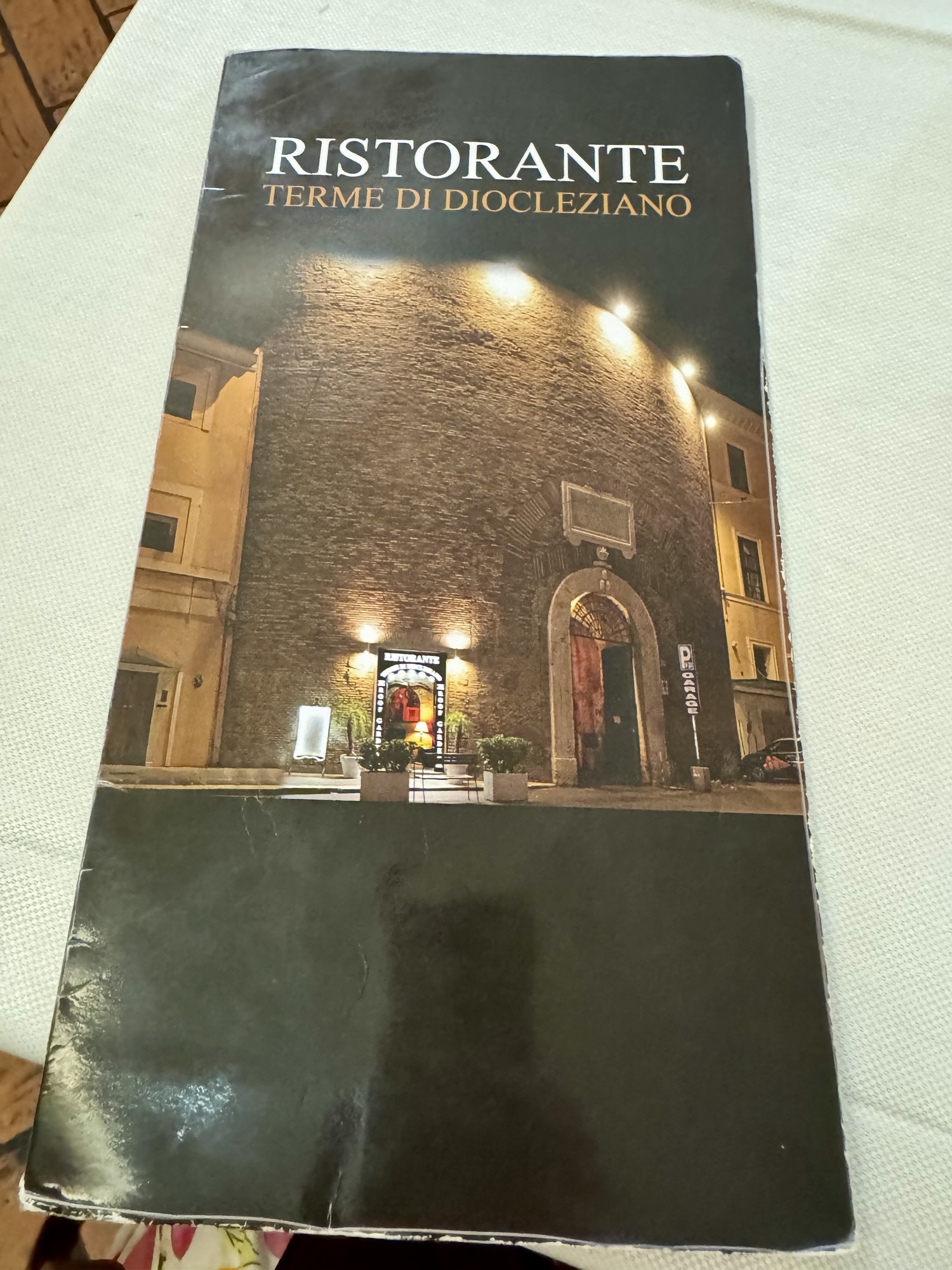
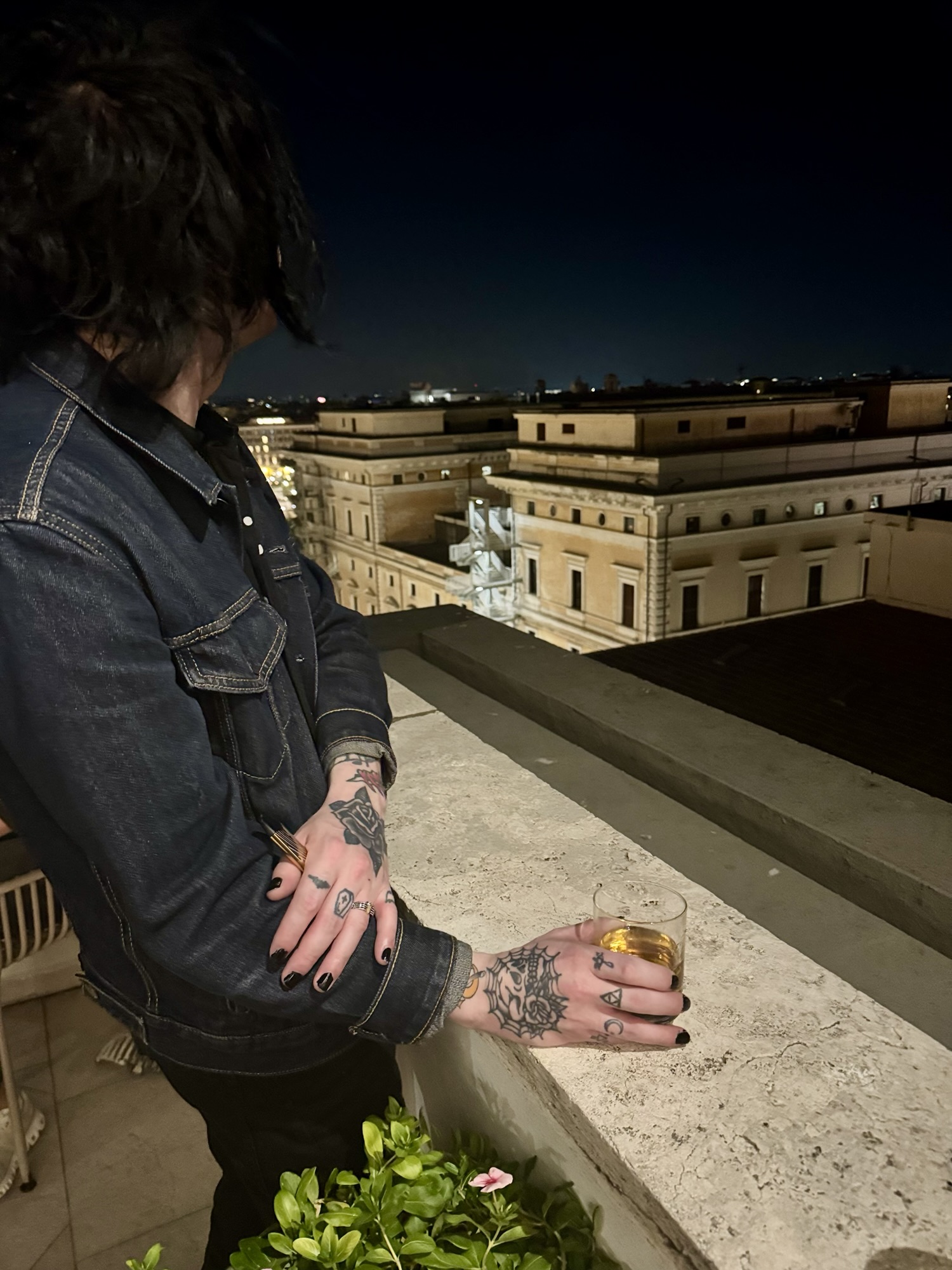
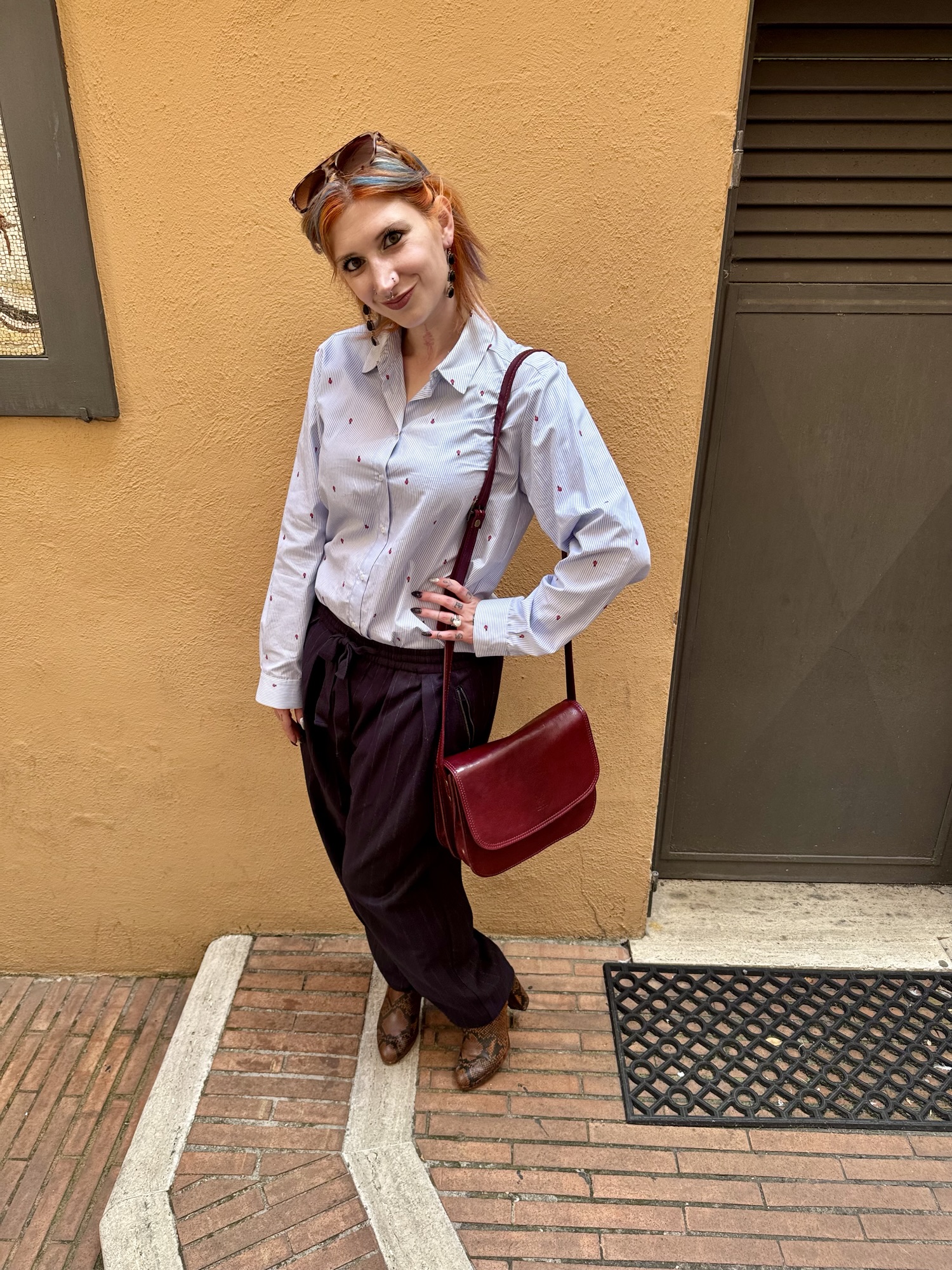
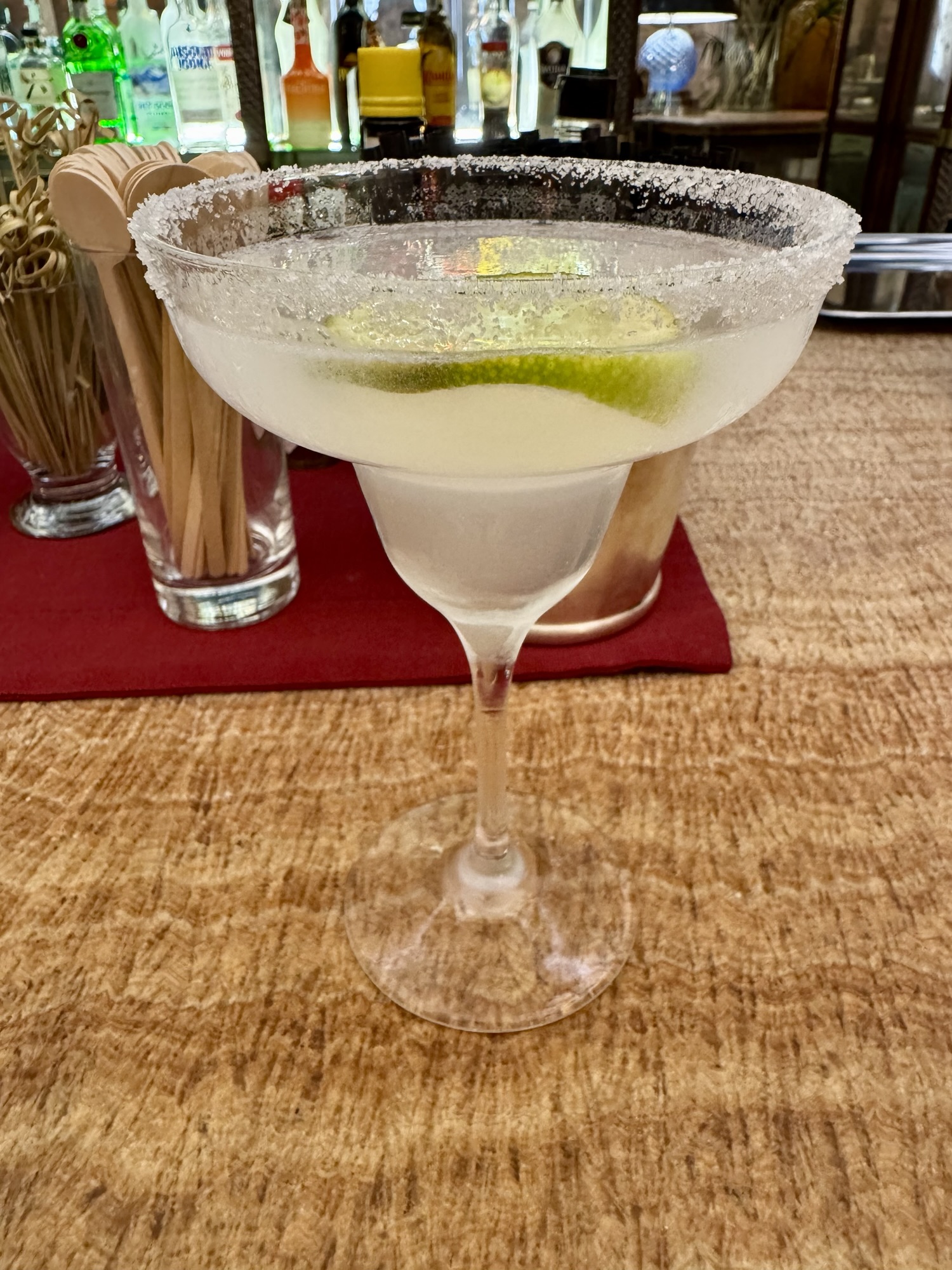
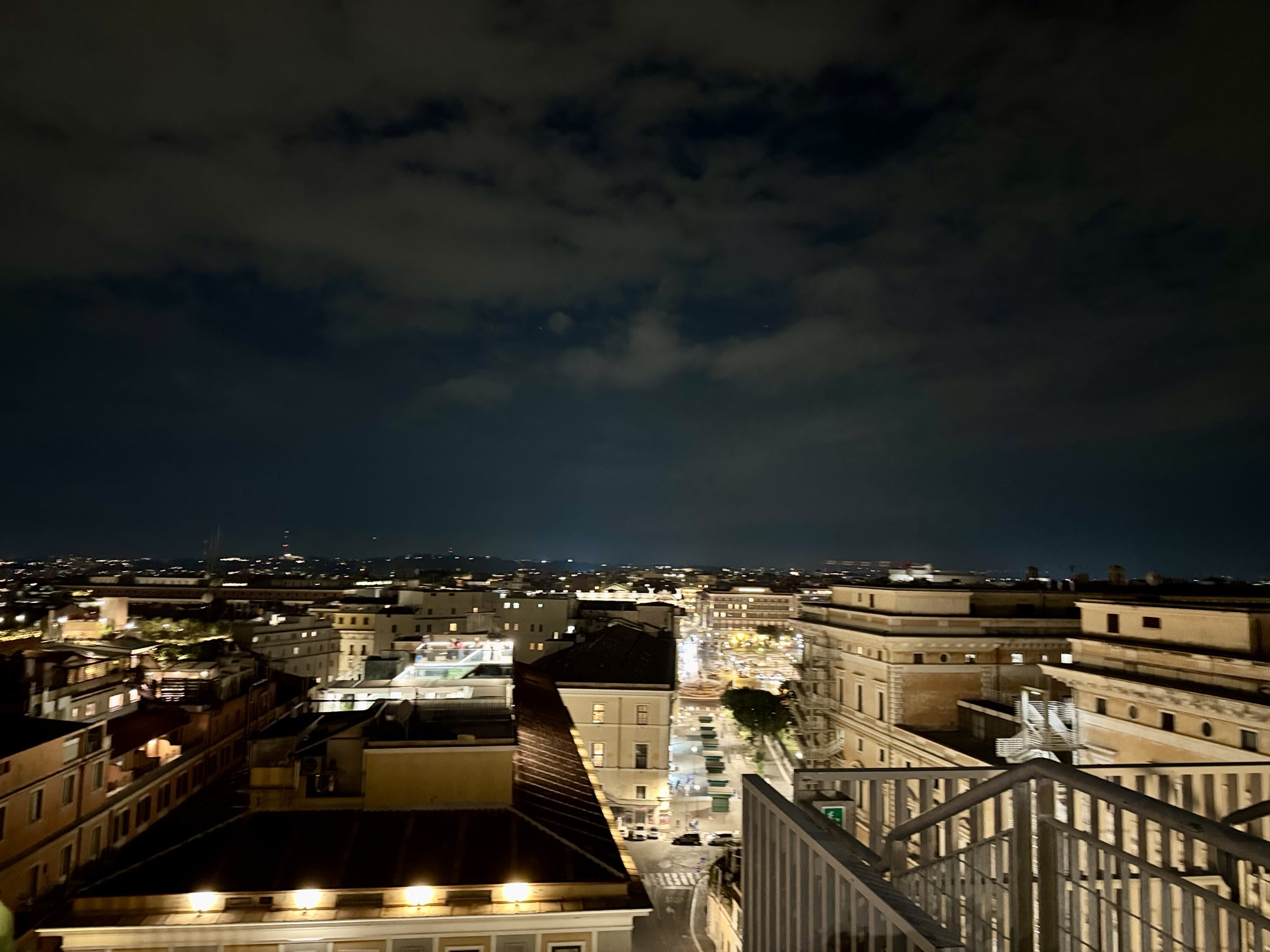
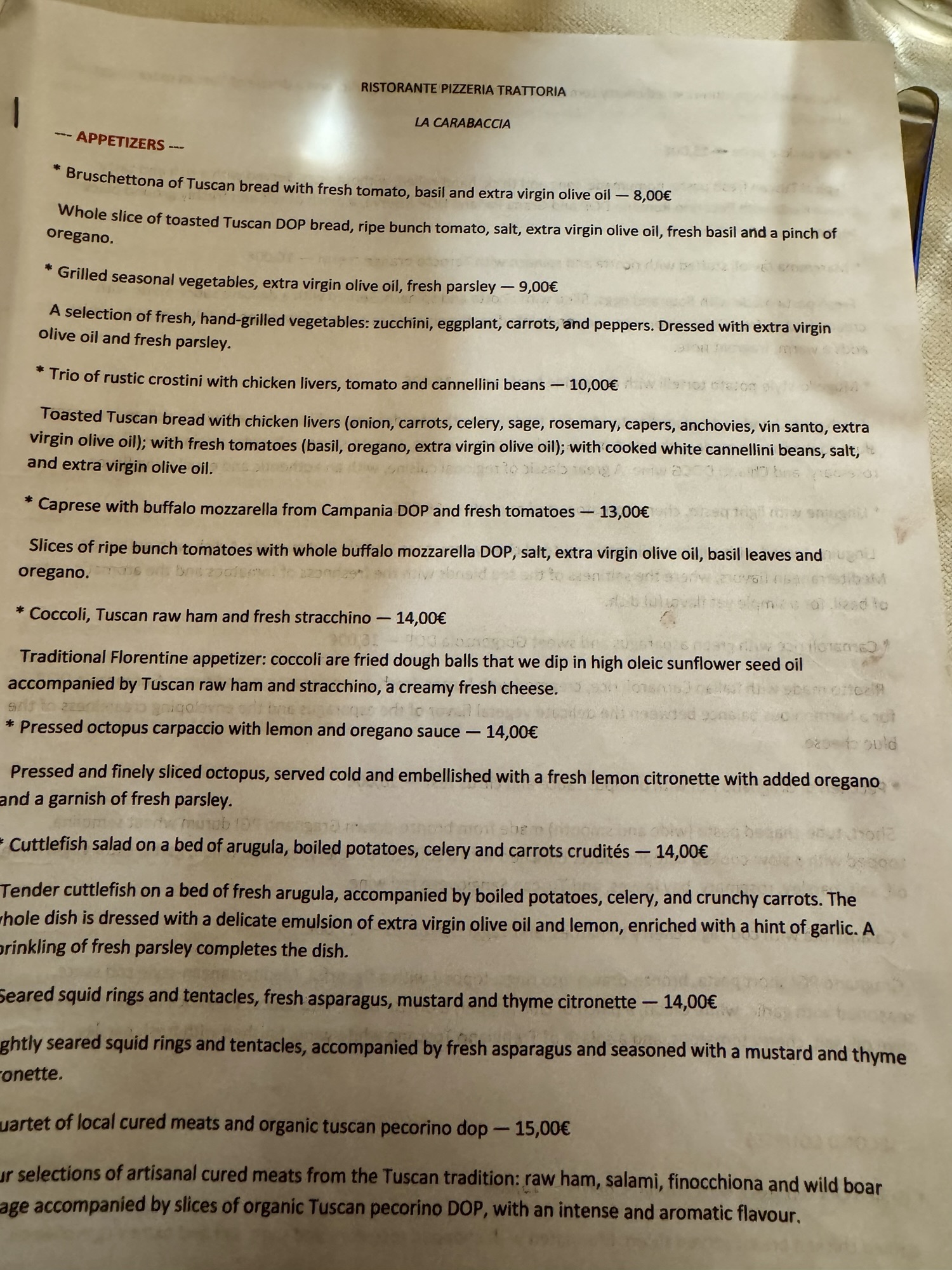
Post pit stop for the replica of David, it was off to our hotel and then the evening was all ours! I was beyond excited because Johnny proposed a date night and the rare free evening allowed us to do so. Johnny and I stepped into our night on the town with a restaurant in mind. However, it is really hard to get around a city you don’t know without cellular data! Johnny and I tried to follow a map and we couldn’t find this place to save our own lives. It was honestly really frustrating because I just wanted to eat and not walk for a while lol. Eventually, we realized our Plan A was a lost cause and went into the first restaurant that had plenty of vegetarian options listed on their outdoor menu.
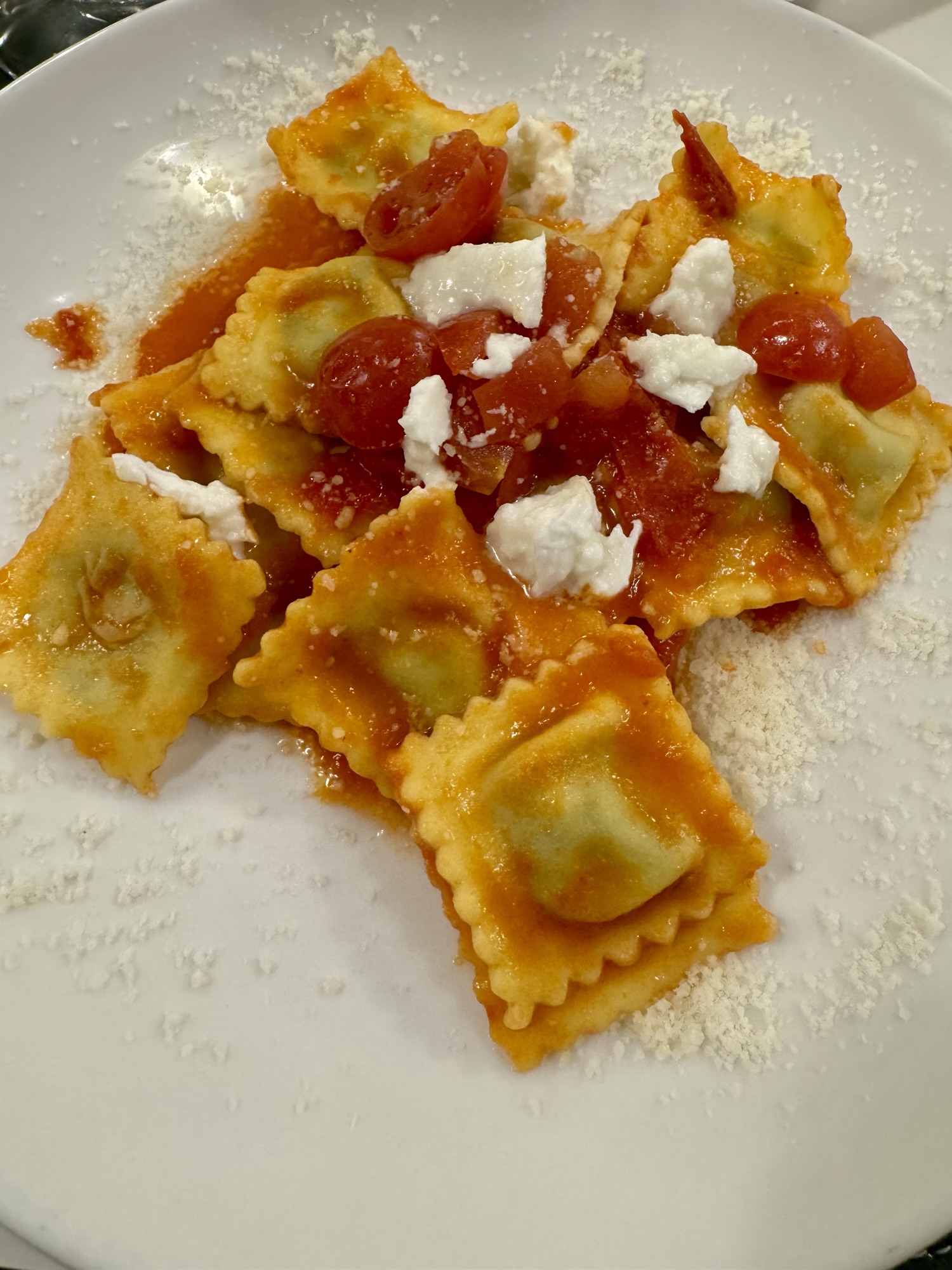
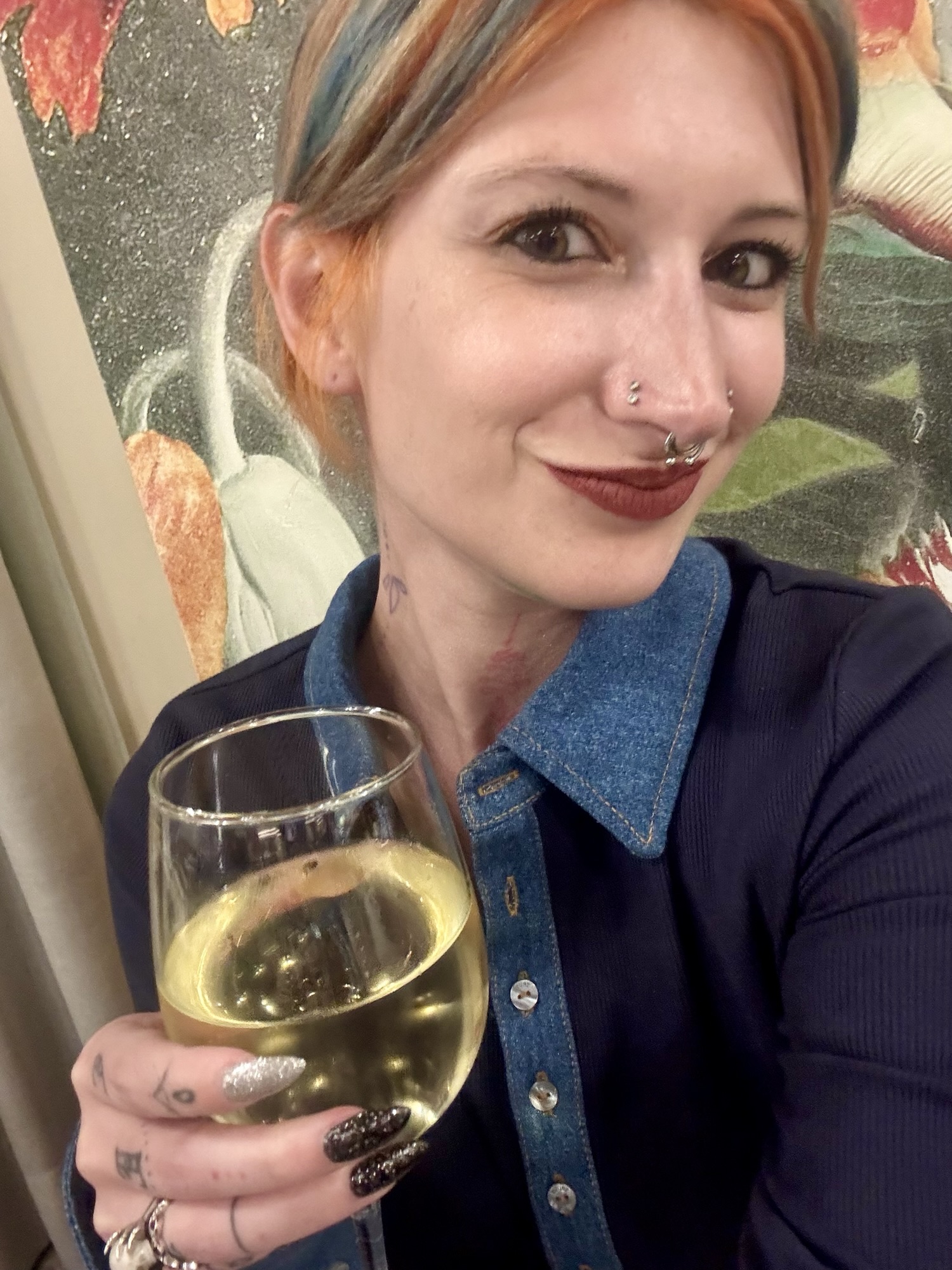
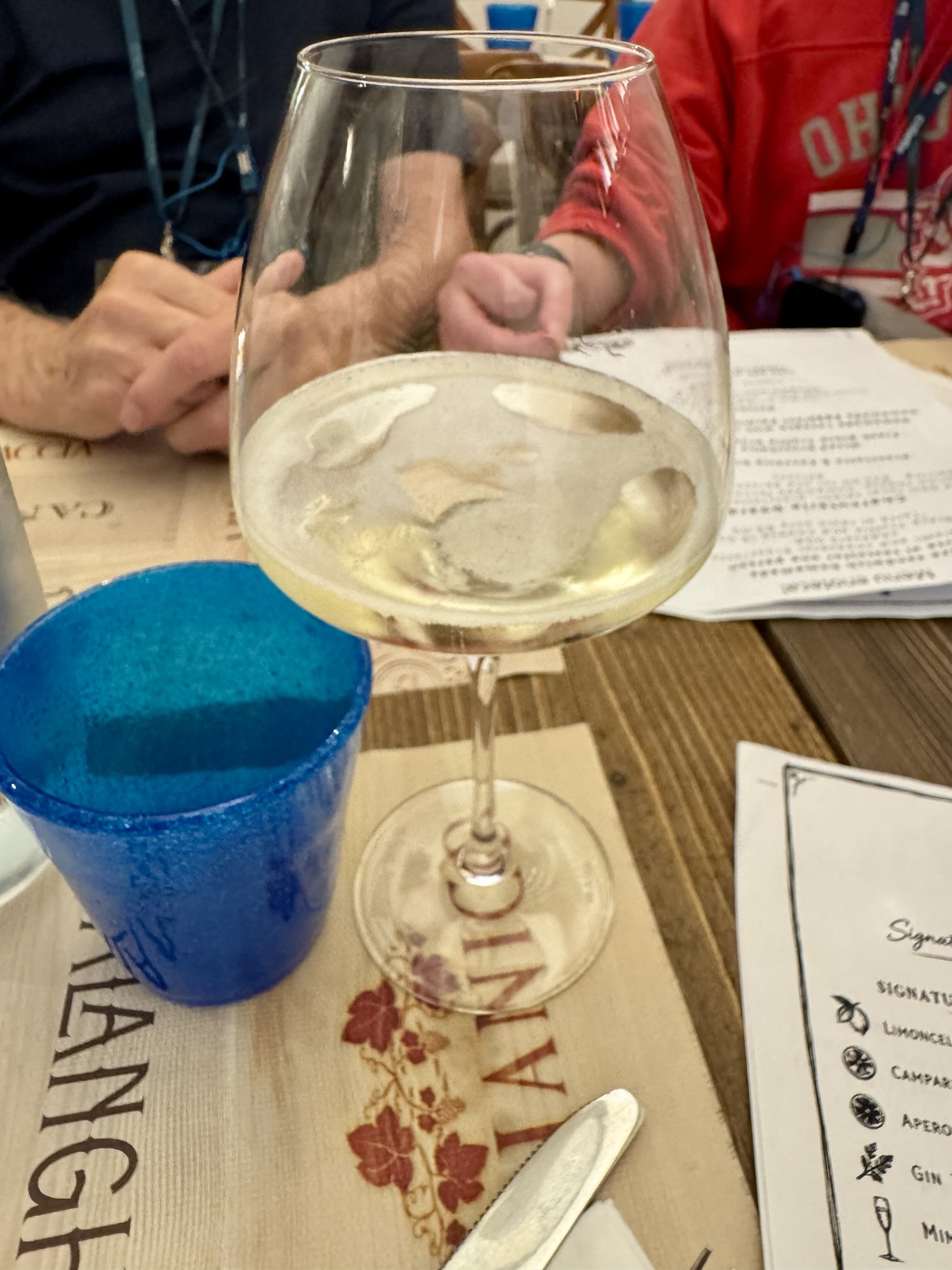
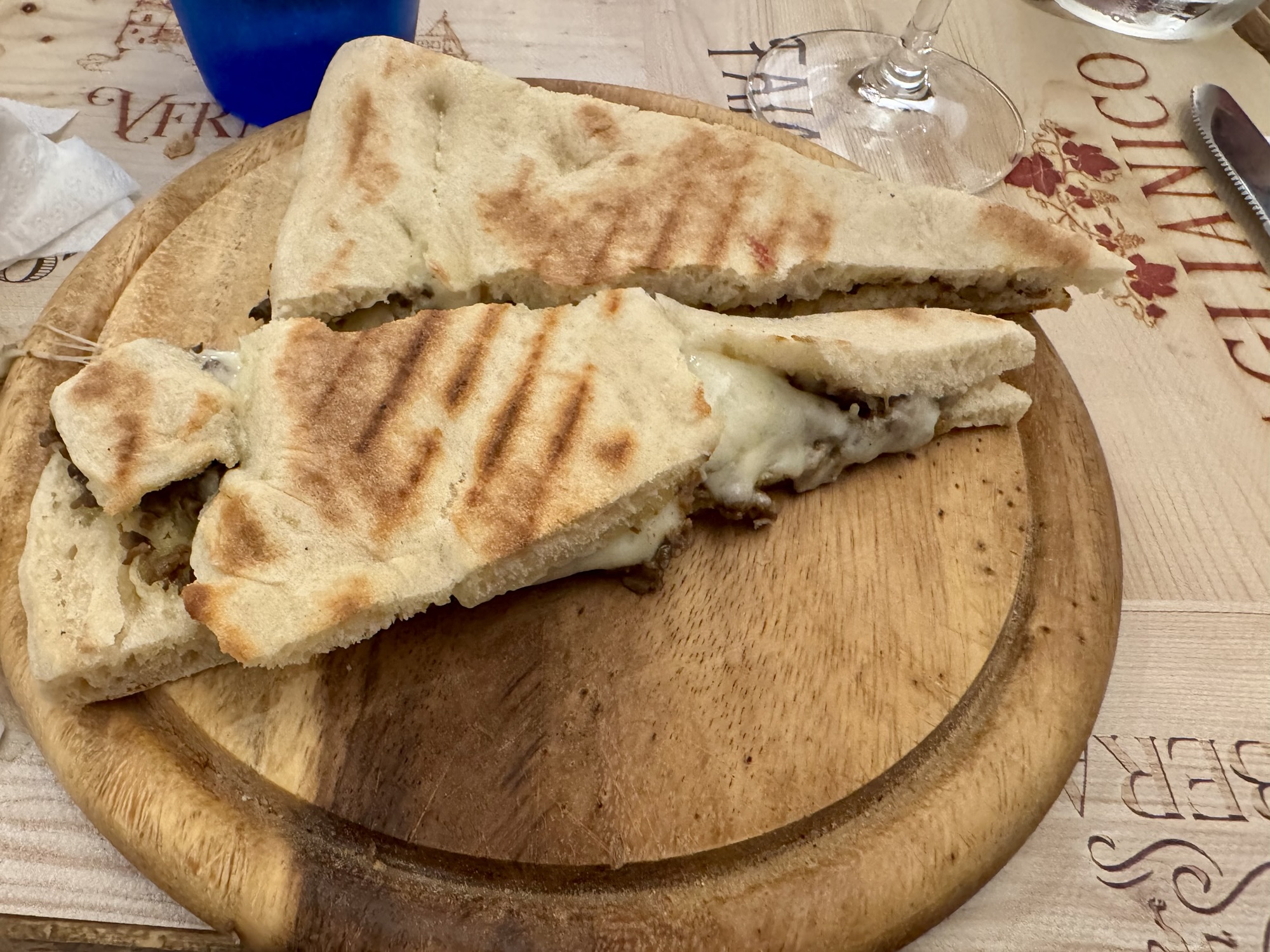
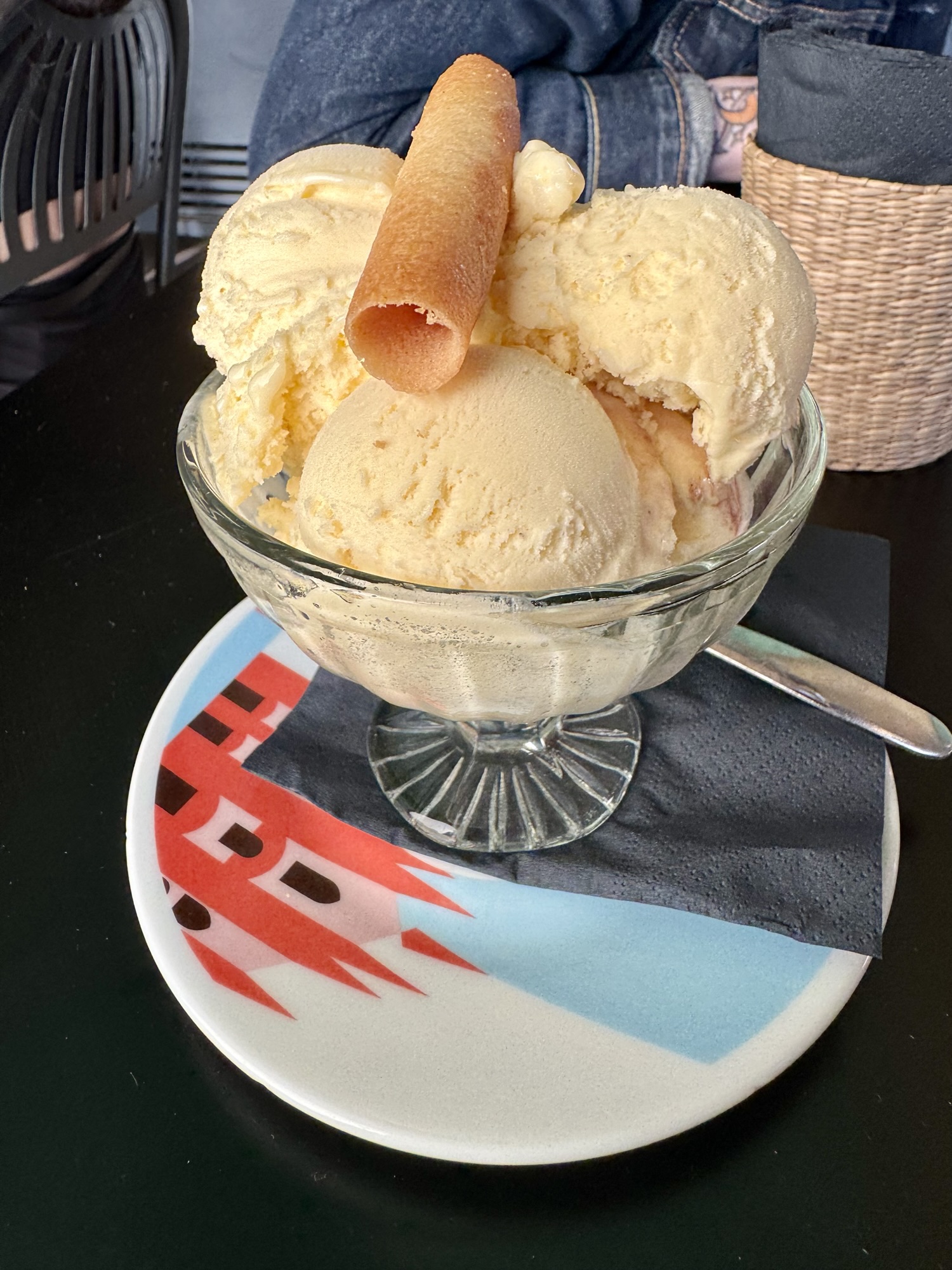
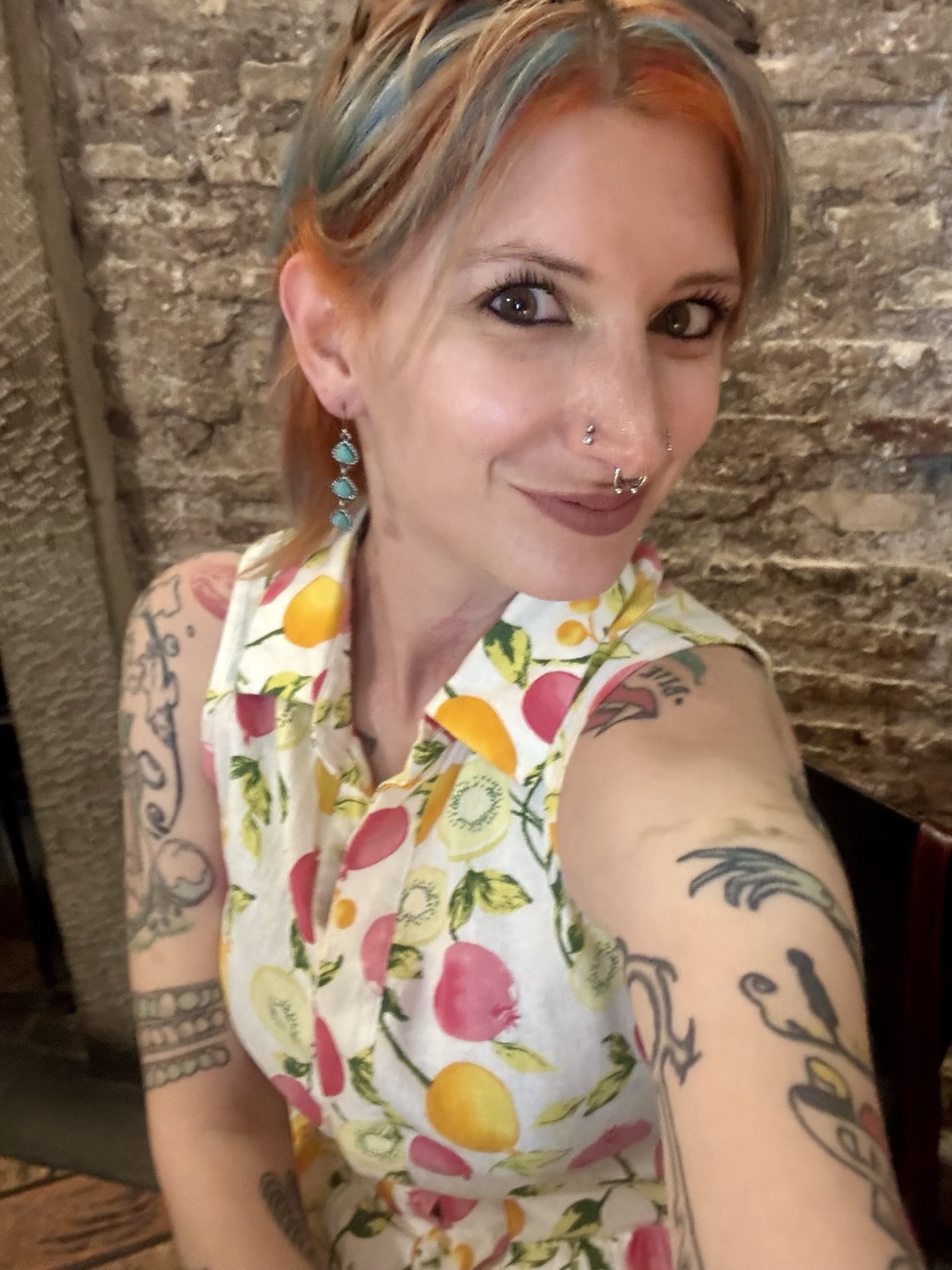
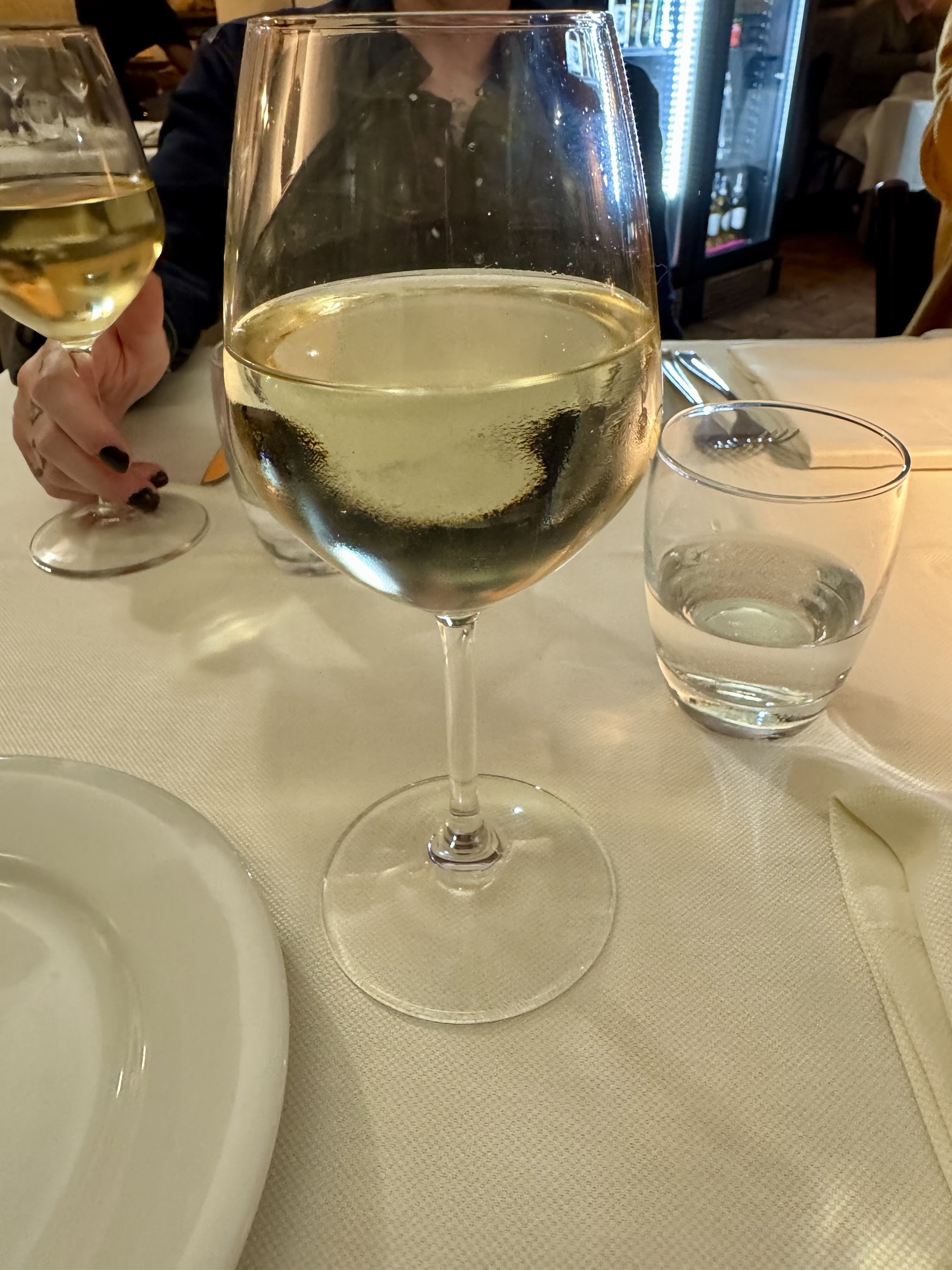
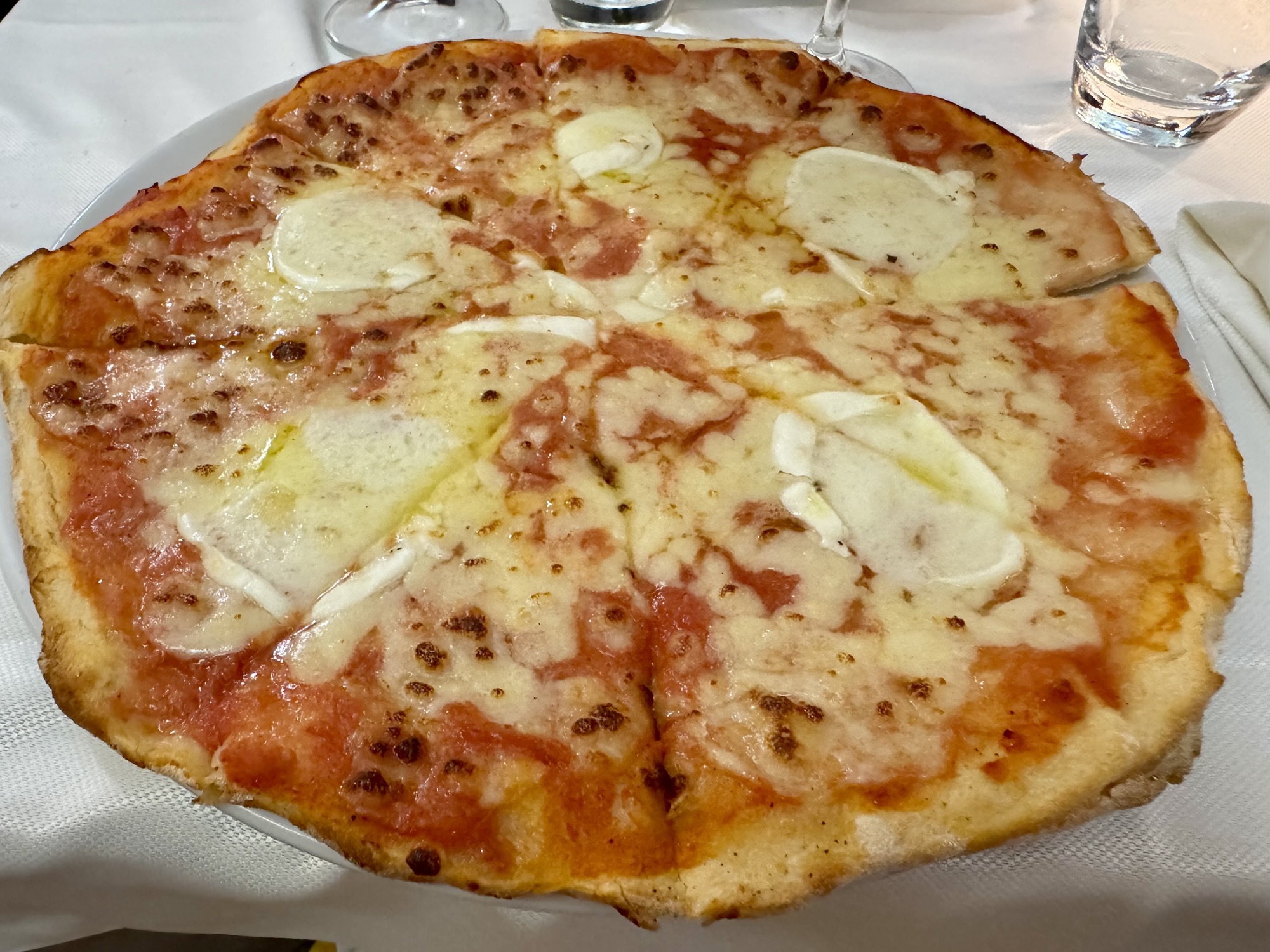
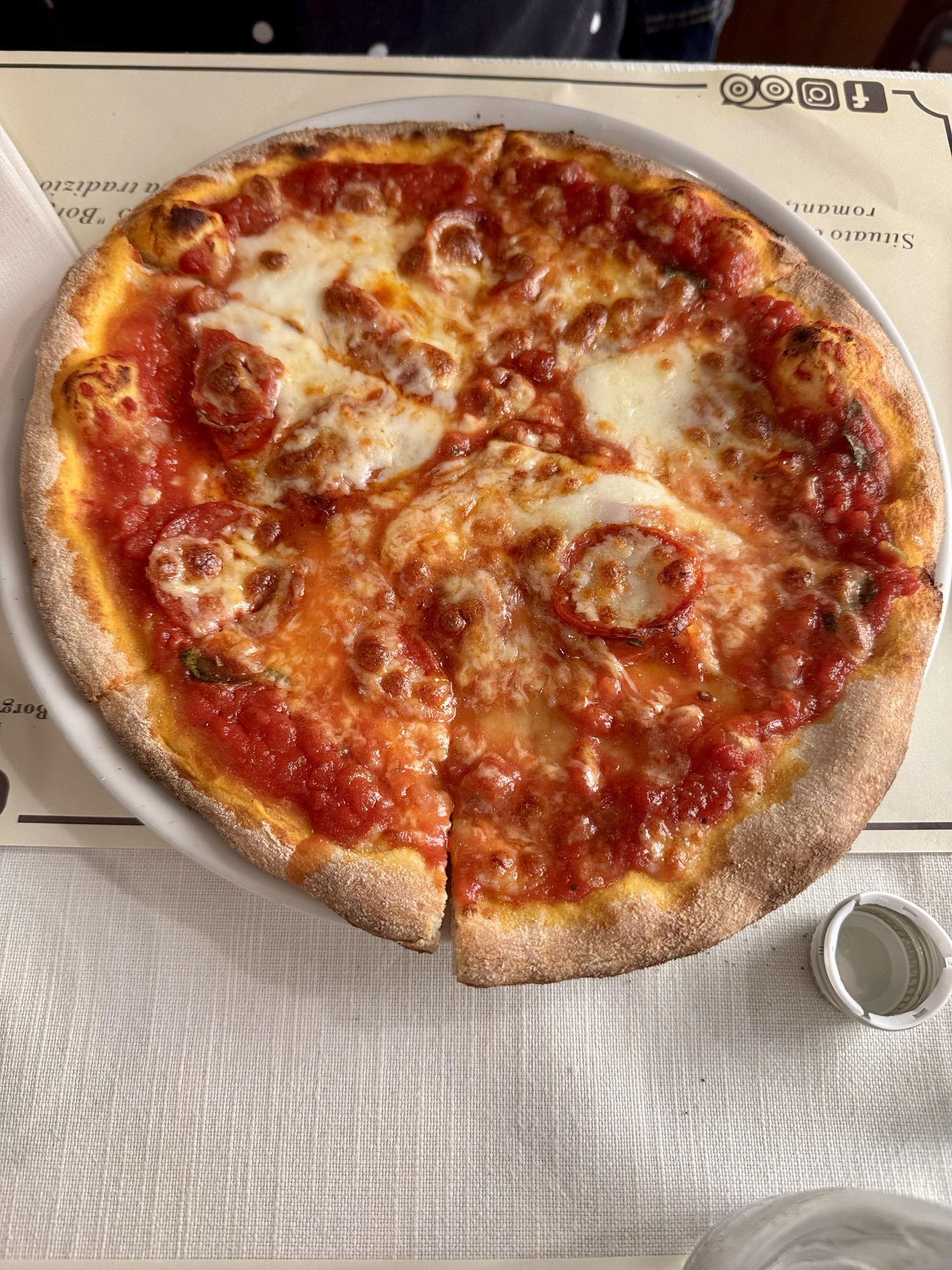
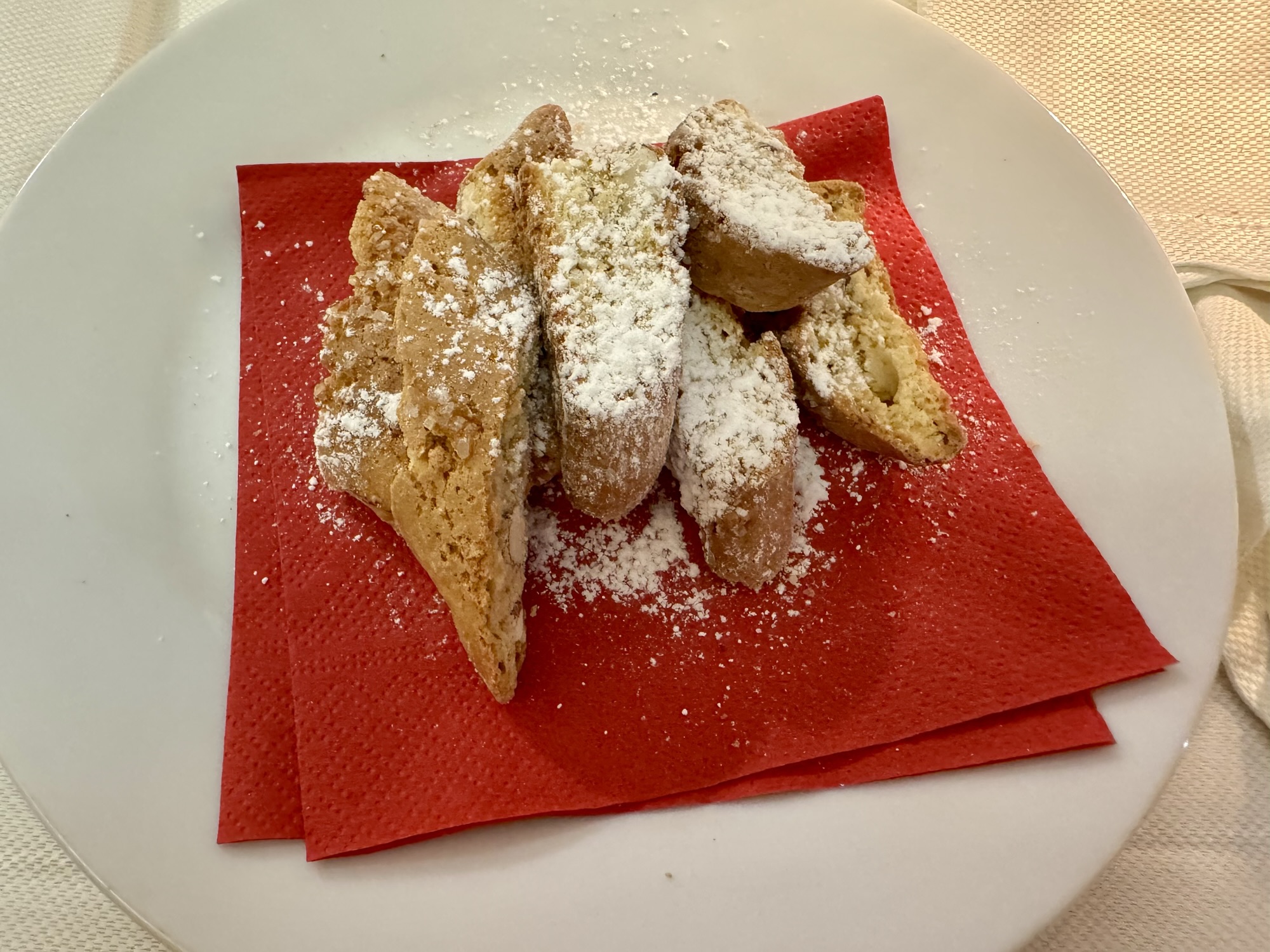
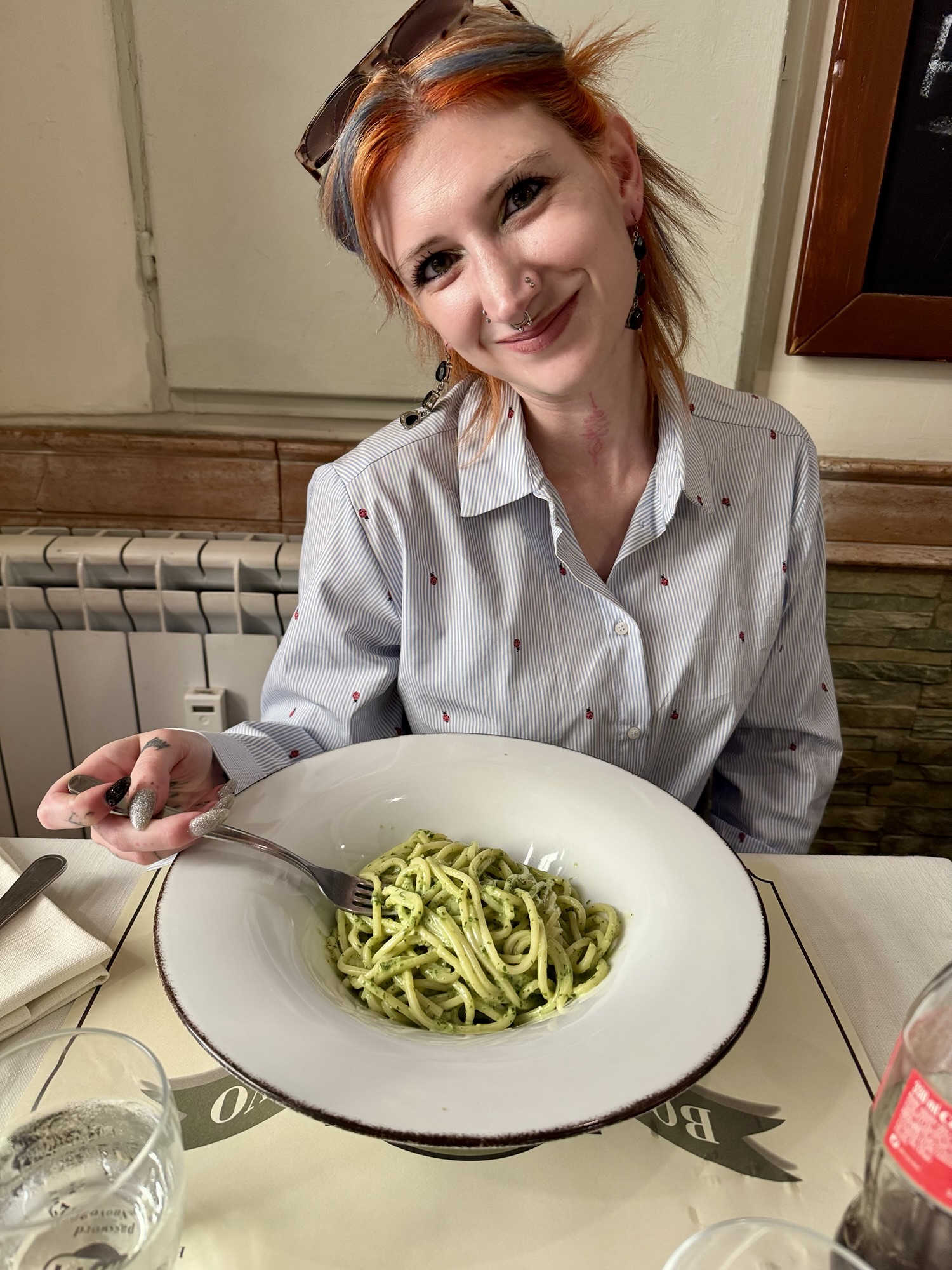
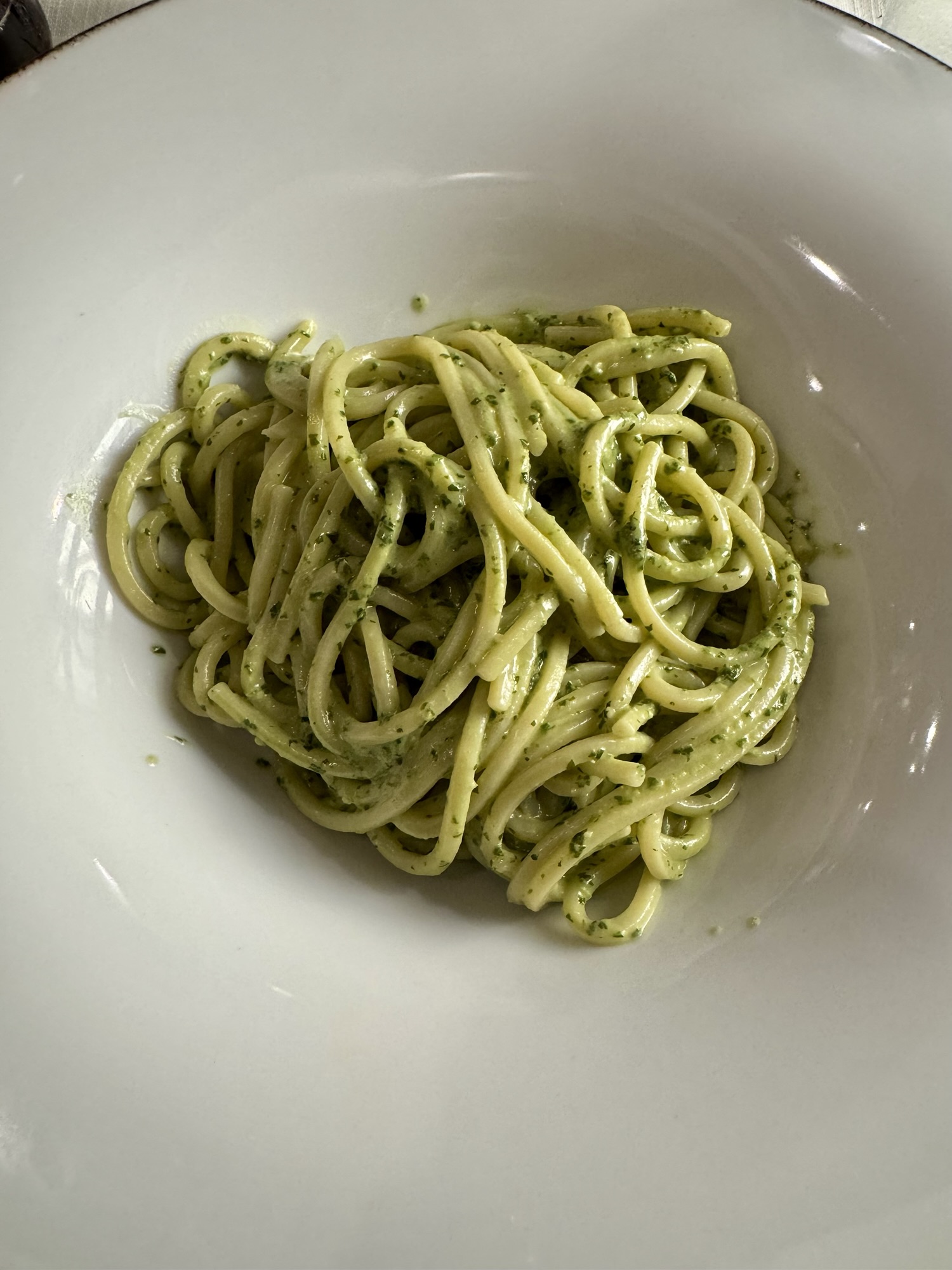
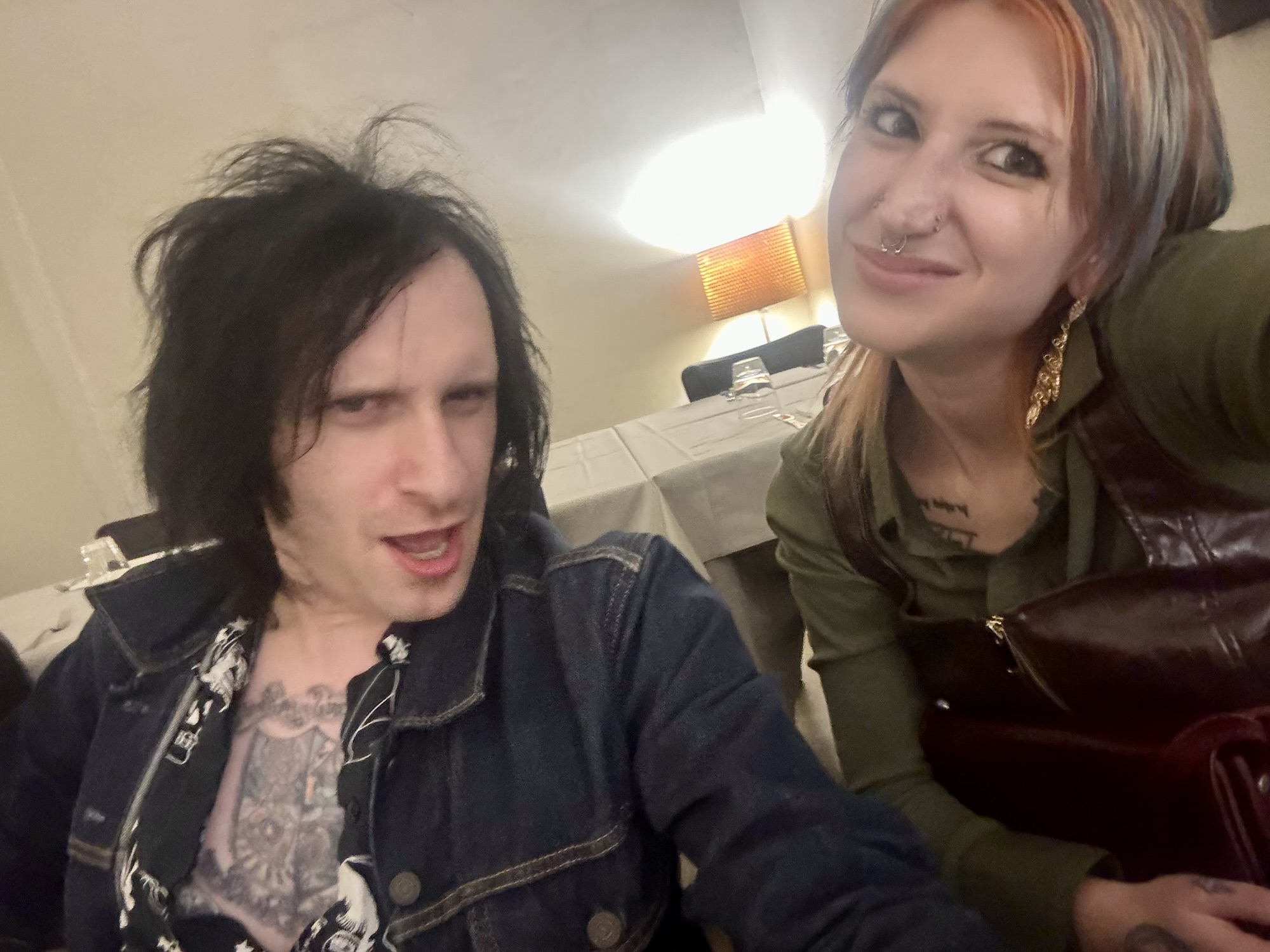
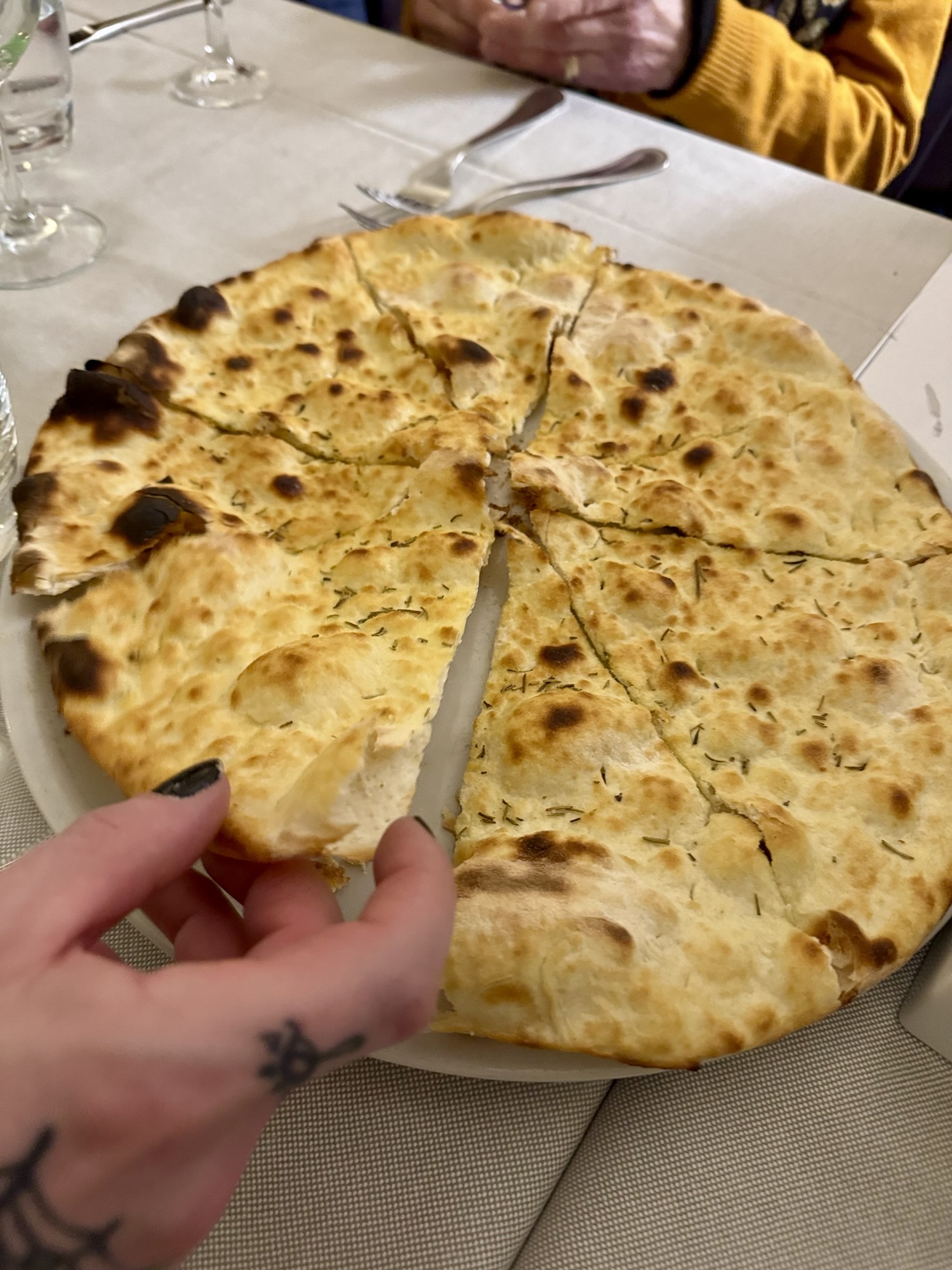
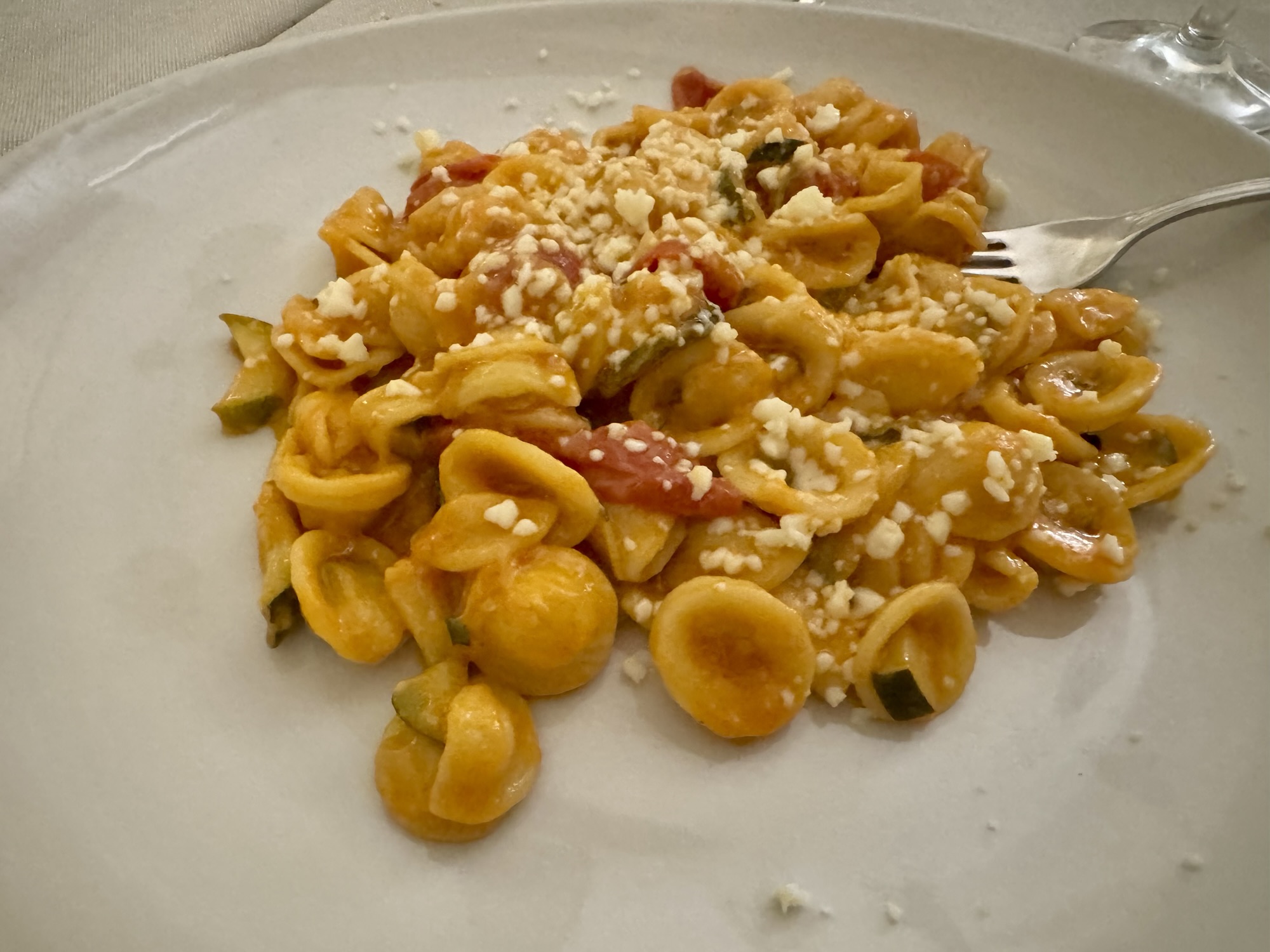
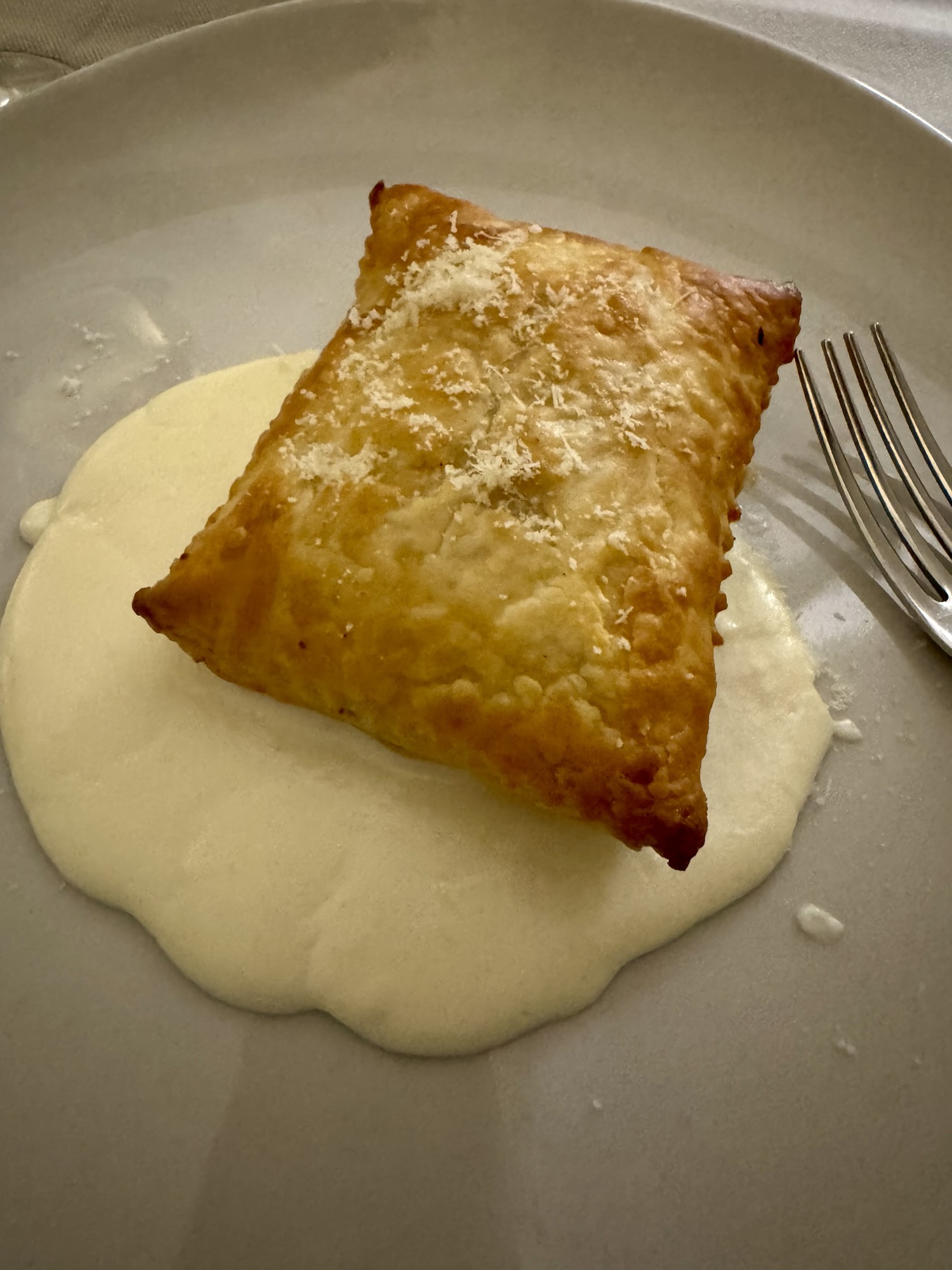
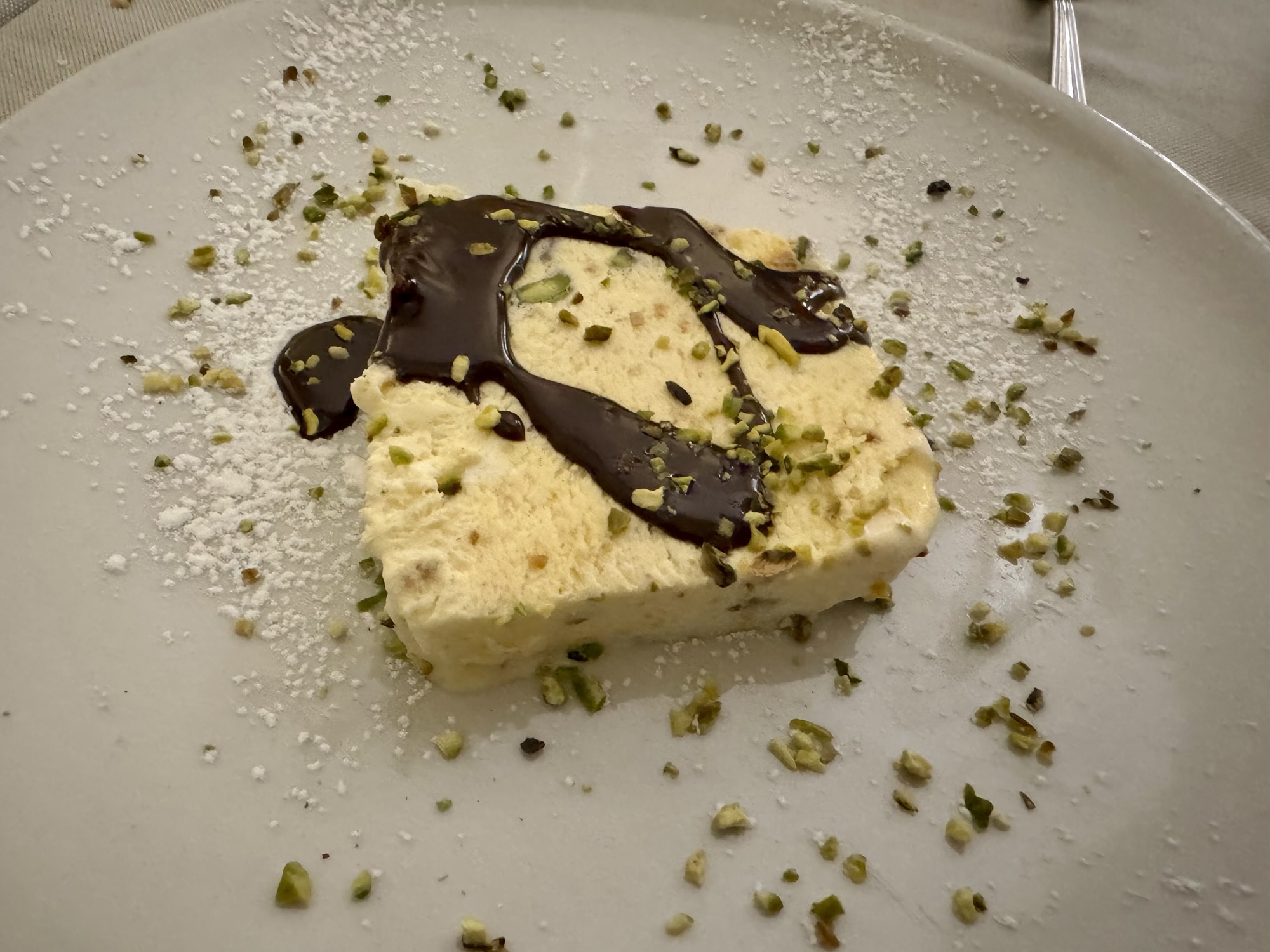
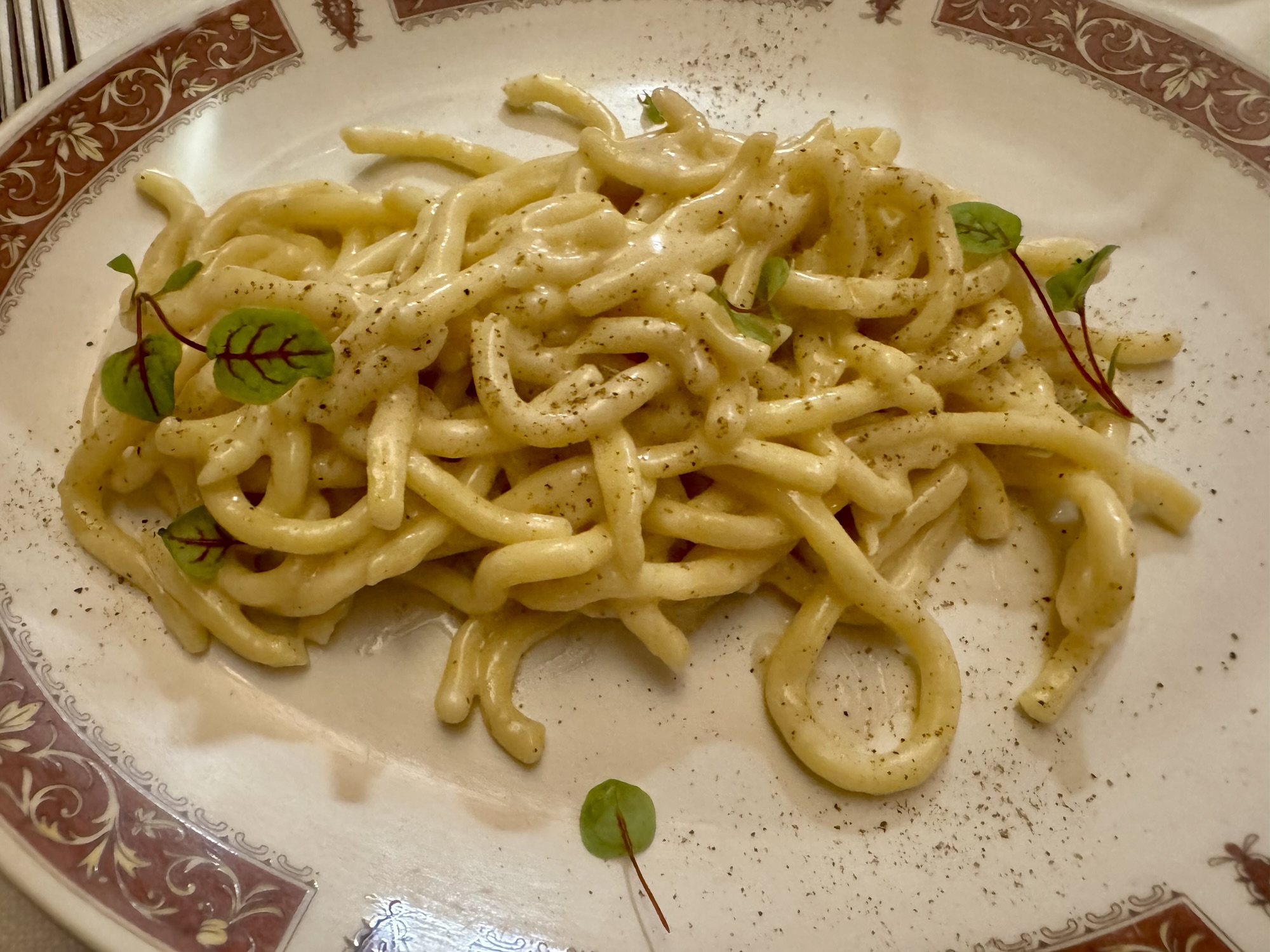
As far as we were concerned, Plan A was for the birds and Plan B at Ristorante Pizzeria Trattoria was where it’s at! Johnny and I both ordered the Cacio e Pepe and we got a bottle of bubbly for the table. Our servers were wonderful, the food arrived quickly, and it was absolutely delicious! I am one of those people that has a hard time pivoting from plans and Johnny is super go with the flow. My original frustration of being lost melted away as we laughed and chatted at our table and it was a firm reminder that sometimes I need to lighten up to keep making the best of inconvenient situations. This was a prime example and I tried to employ Johnny’s laid back attitude for the rest of the trip. Especially when memories like these were made:
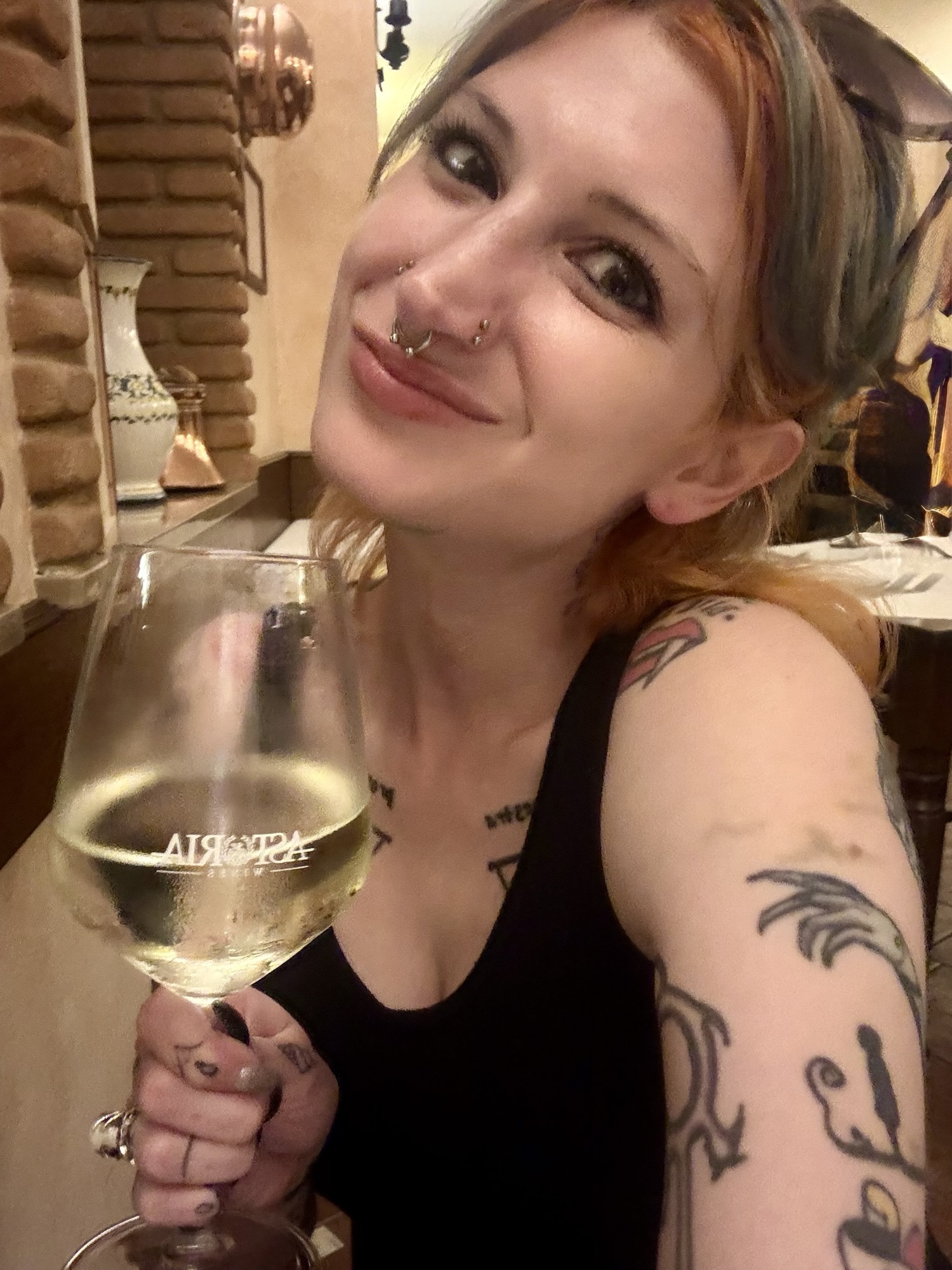
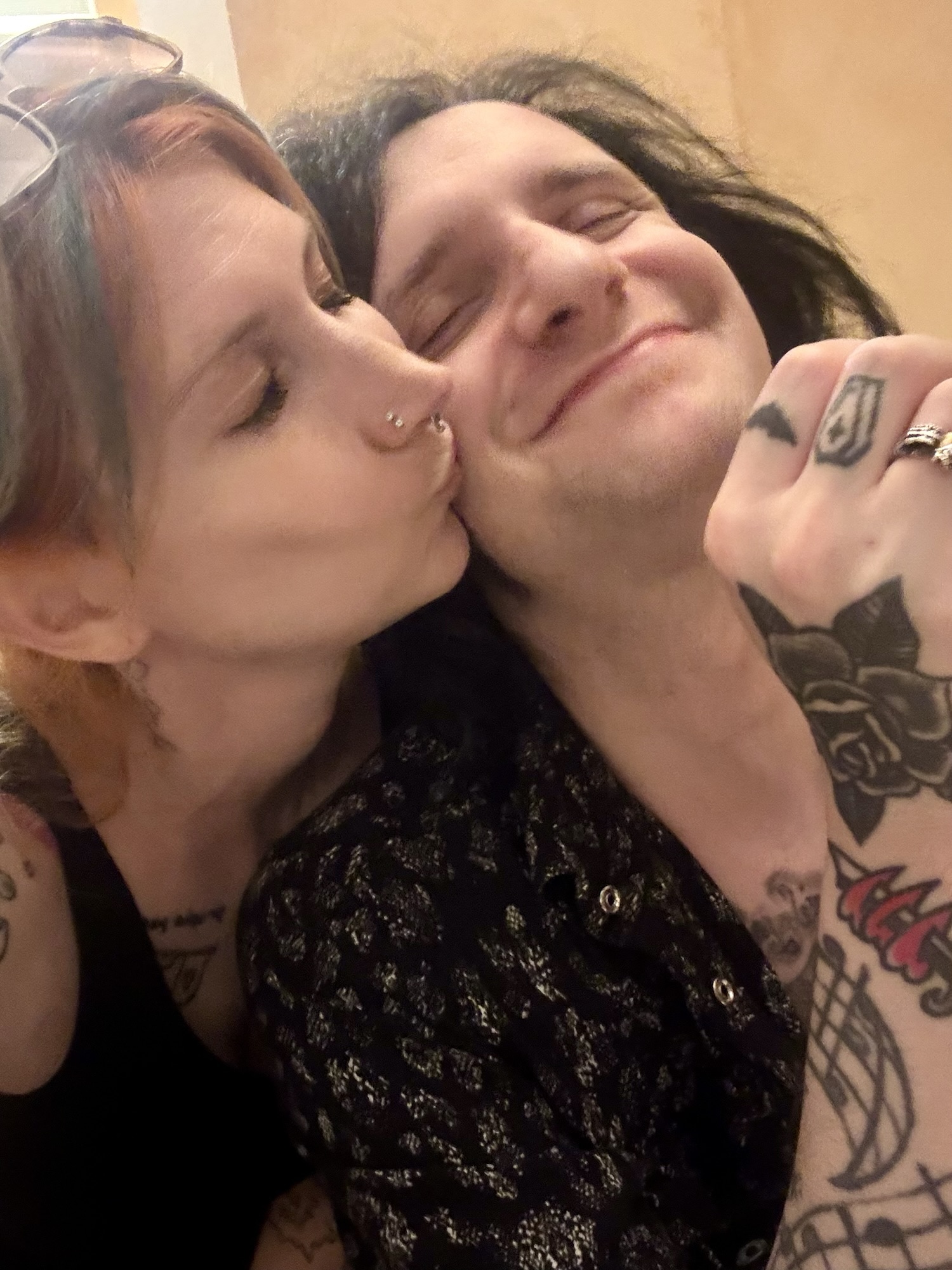
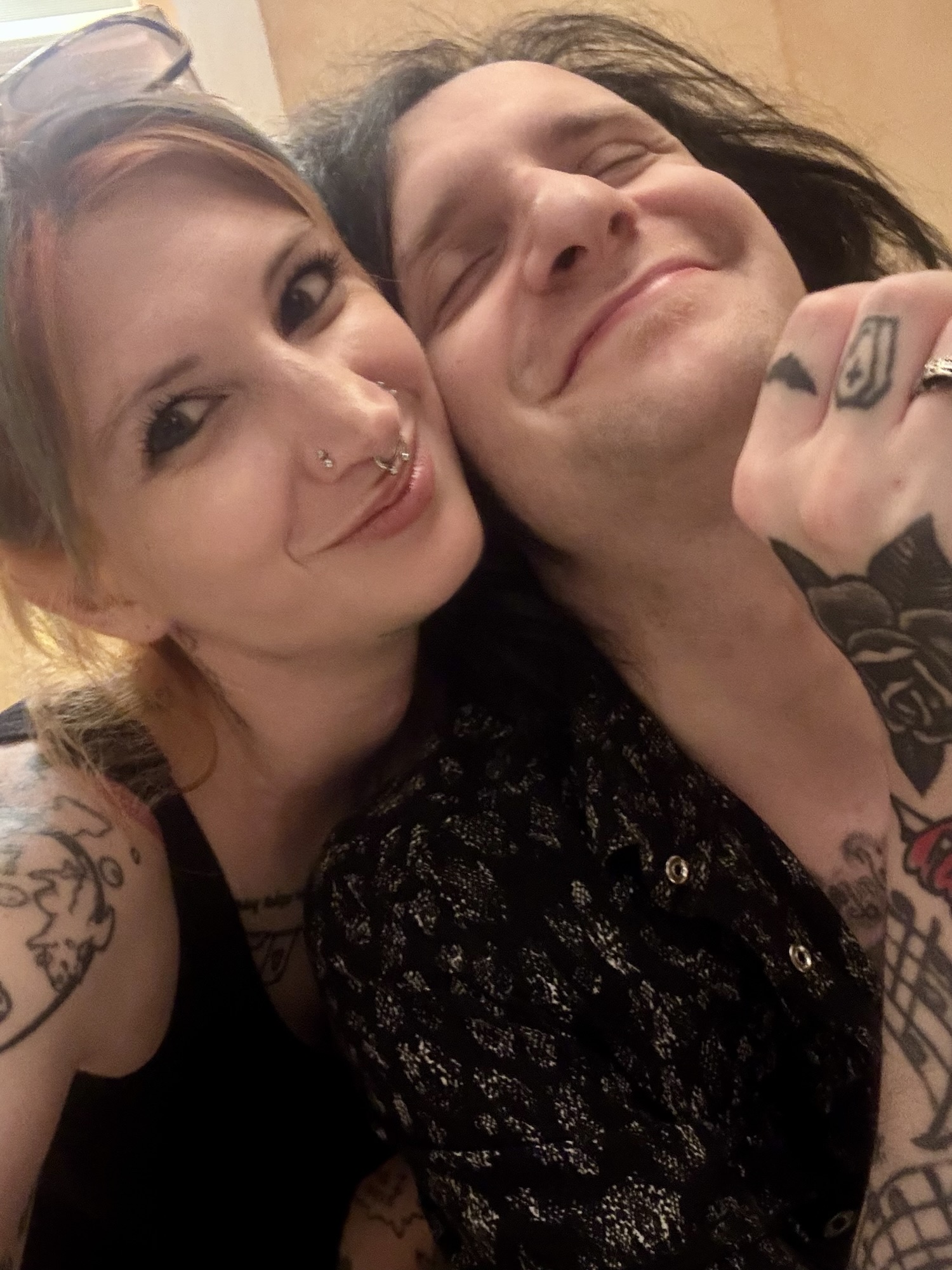
This chill time in Cortona and Florence was exactly what we needed before a jam packed day. Our full day in Florence that followed was incredibly busy but one of the best, as all of my family agreed. Stay tuned to read all about it!
Do you like to try a lot of new foods on vacation? What kind of restaurants do you like to visit when you are traveling? I want to hear from all of you, so leave me a comment and let’s chat! Much love. -Sarah