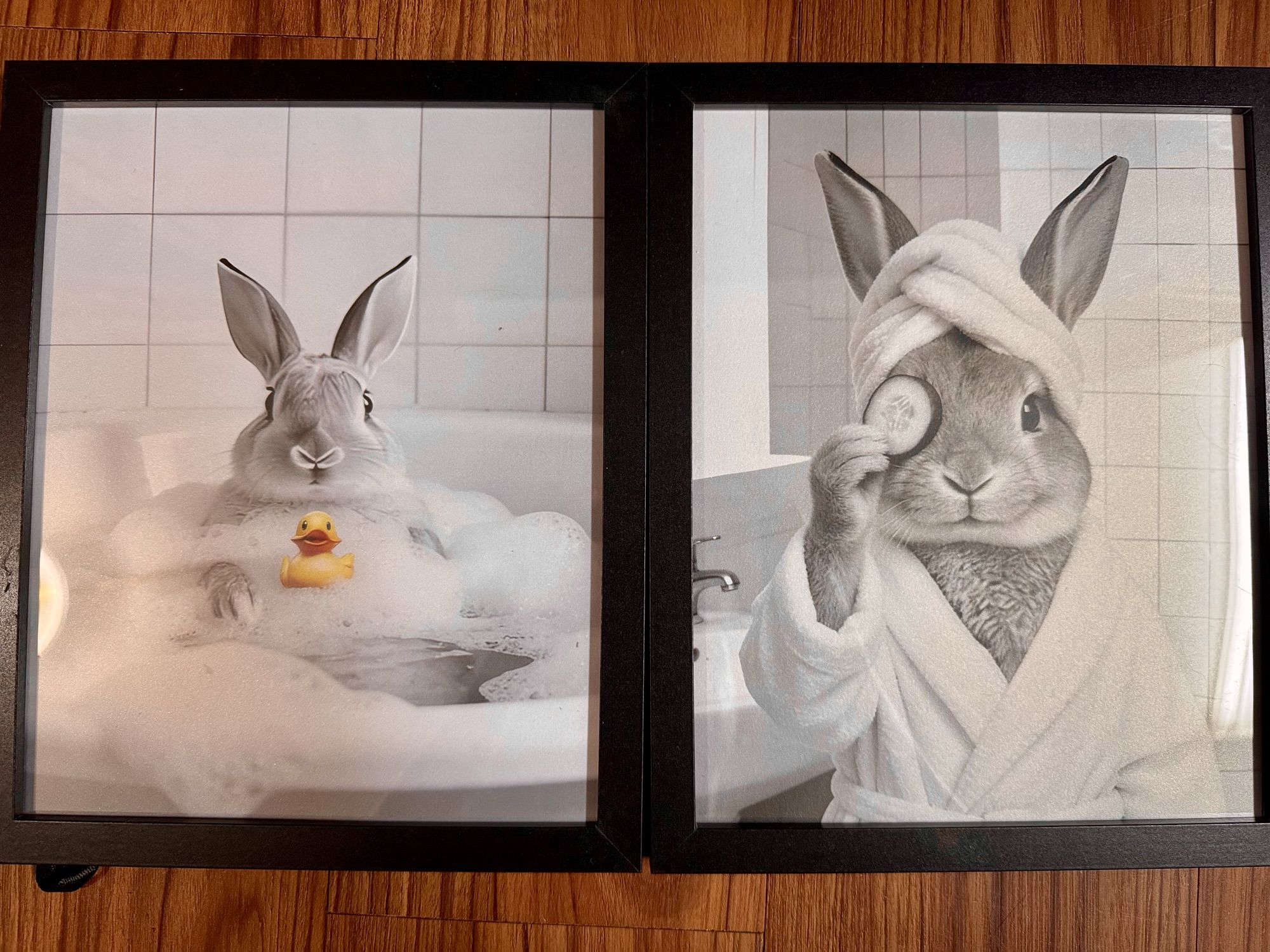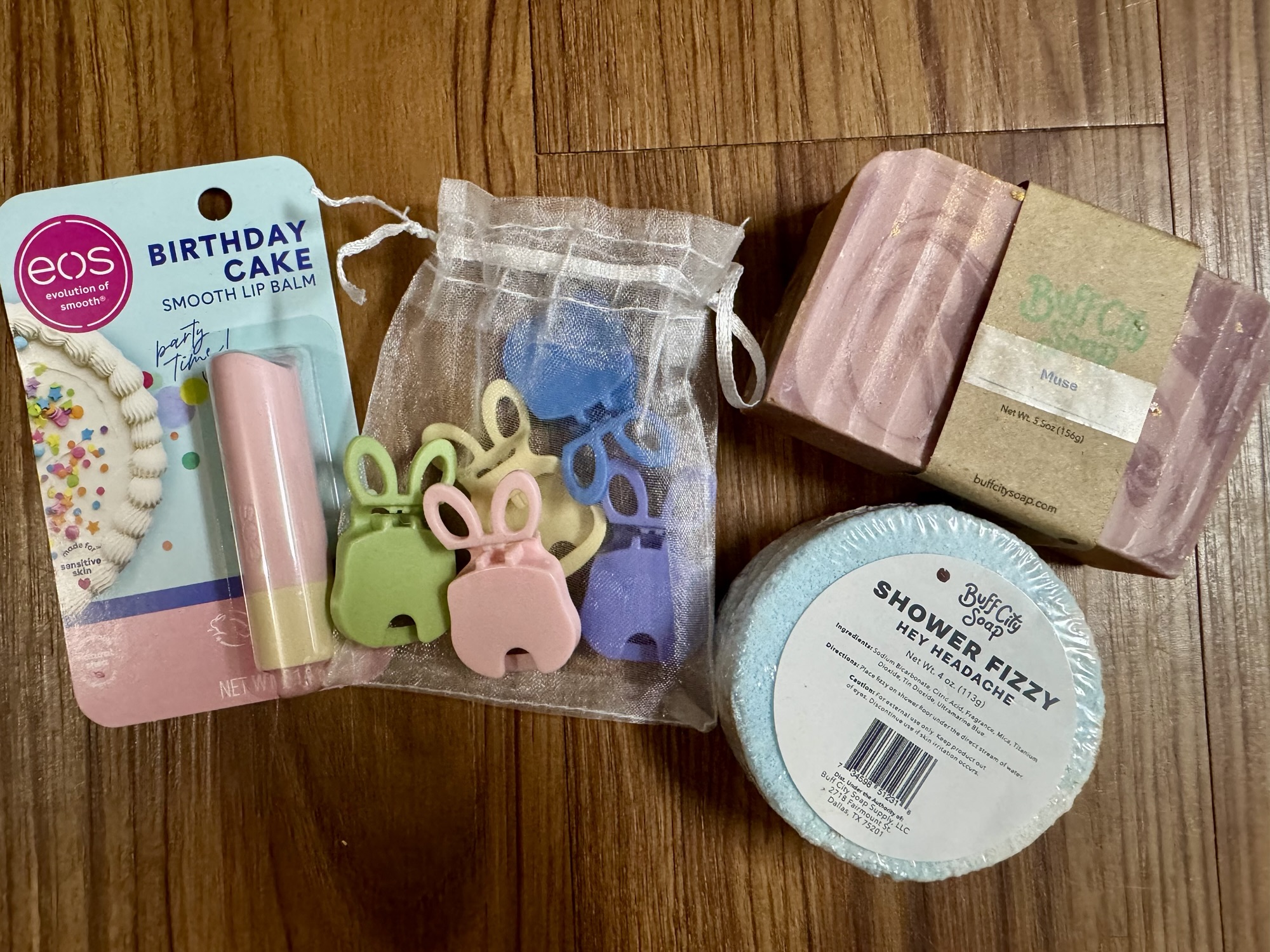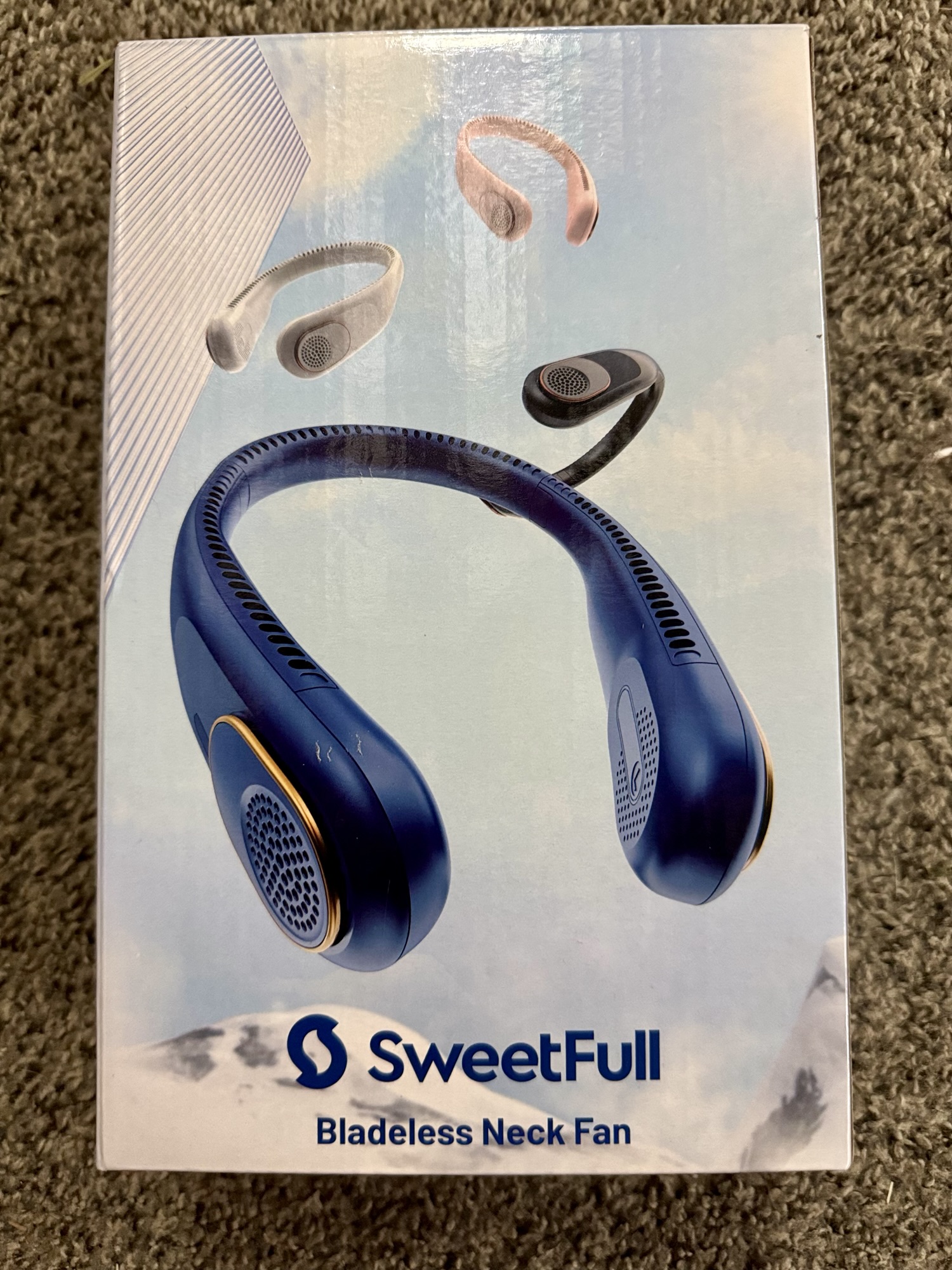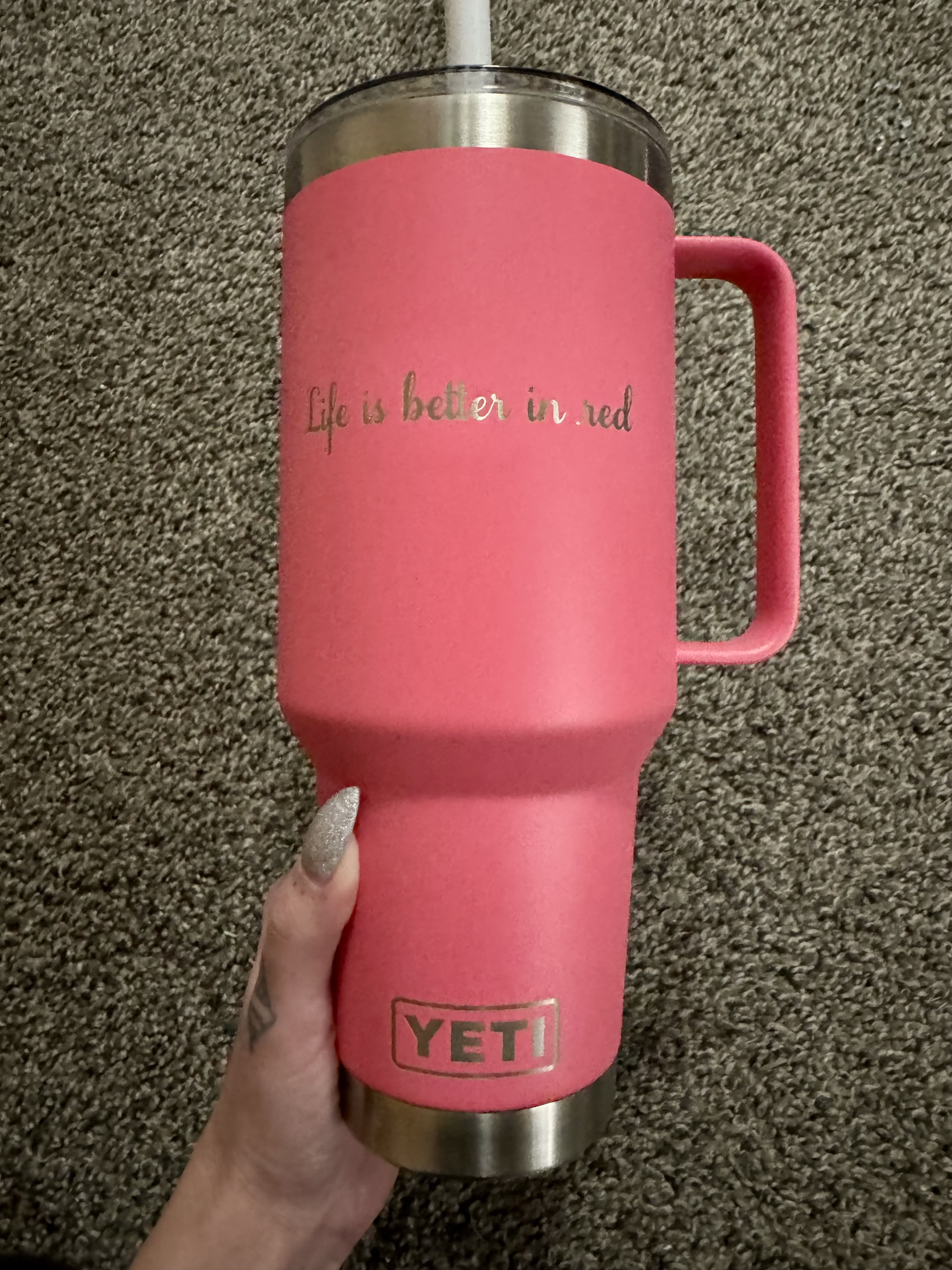
Hi!! There was a very important birthday earlier this week – my best friend Lea was the birthday girl!! Between her recent engagement and big day, there has been so much to celebrate and it brings me an incredible amount of joy. Johnny and I loved being able to enjoy her post engagement party with friends and family and her and I shared a delicious Mexican meal at El Meson for her b-day. For the past eighteen years and change Lea and I have celebrated our birthdays together and I would say a hefty portion of our festivities took place at El Meson lol. It is the best! Regardless of how long we have been besties, it is always special to be together for our special days and I can’t wait for eighteen more years of summer birthdays! ❤

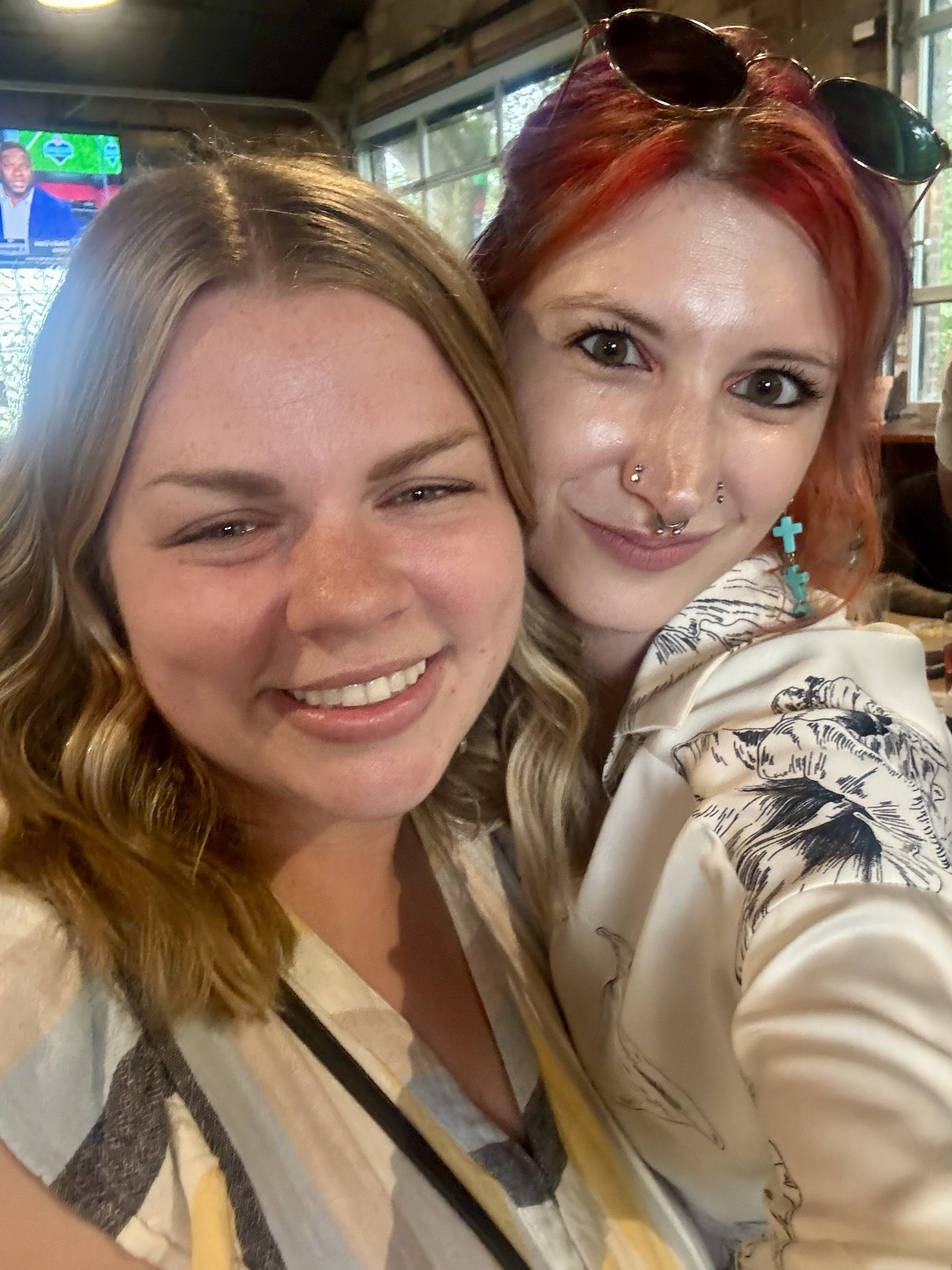
Lea makes life sparkle. She is one of the most vibrant, kind, hilarious, energetic, goofy gals I have ever met and being her friend is like having permanent sunshine. She single-handedly made high school not suck and all of the years that followed, for that matter. It’s kind of insane that we became best friends in freshman year of high school and have not had one fight that entire time. But that’s just what our friendship is. This sounds cheesy but we literally have a soul connection and have no care for anything but fun when we are together. Even during the hardships that life brings, we emerge from our hang outs feeling lighter because we have been laughing for hours on end!
My girl has accomplished so much in her life and is easily one of the hardest workers I know. It makes me unspeakably proud because even during struggles she still came out on top and is perfectly happy with where she is at. We all are too because she is going to make the most beautiful bride and I wish that her wedding was next weekend! The pleasure is truly all mine to be a part of her milestones and cheering her on every step of the way. Just like she does for me. ❤ I don’t know how I lucked out so hard to have a best girl like her!
To my darling best friend going eighteen years strong:
Happy birthday!!!! I love you so!!!!
Are you celebrating any birthdays soon? How long have you been best friends with your bestie? I want to hear from all of you, so leave me a comment and let’s chat! Much love. -Sarah