
Hello everyone!! I started lifewithlilred in September of 2014 and can’t believe I’ll be on my twelve year blogiversary this year! It literally feels like just yesterday when I got enough people telling me I should start a blog and I threw my hands in the air and said “why not?”. Since its conception, lifewithlilred has been a labor of love. I have always enjoyed writing and have been committed to creating a happy space for myself and others as soon as my first post published. Somewhere along the line, I decided that a few articles a week just weren’t enough and made it my goal to post daily content. I am pleased to report that I have officially crossed the threshold of having over six and a half years worth of articles published every day. It’s freaking crazy!
I often get asked how I continue to come up with content to post and my answer is a combination of a few different things. 1) First and foremost, it’s FUN! 2) It’s one of my favorite forms of self care. 3) I love interacting with my readers. And, perhaps most importantly of all – 4) I am stubborn lol. Once I start a streak of something, I simply refuse to stop. The challenge is incredibly motivating and publishing daily is so ingrained in me that I would hate to think of how I would feel if I didn’t sit at my computer and write every day. My suspicions all point to that it would feel freaking terrible. So, I will continue to pop a squat at my laptop with a smile because to reiterate Point 1, it is so much fun. 😀
I would say that I was a pretty lonely kid growing up. I didn’t have a lot of friends and that remained to be true until the end of high school. One of the few things that made me feel better as a teenager was social media. A place where I could post anything and everything and I knew at least someone was looking at it. Eventually, I began to post OOTD pictures which led to my friends on Facebook telling me that if I started a blog that they would read it. The sentiment was so kind and I figured that if my handful of people I interacted with on social media would pop by, maybe others would too. My goal when I started lifewithlilred wasn’t to make money or become famous but to hopefully make friends and expand my very small circle. It didn’t matter to me where anyone was located, just to have someone to talk to and have a space on the internet where I could shout into the void.
And you know what? As soon as my blog started, the loneliness began to dissipate. Every view was exciting, every comment a potential new friend and even a best friend too! Within weeks of starting my blog, the blogosphere brought me Kate of Live In The Nautical and we have been inseparable ever since. Everything I hoped for was happening and I am always going to feel so grateful for it. I went from writing the saddest shit in the world in my journals to writing on my blog for the pure joy of writing in the blink of an eye. lifewithlilred became my safe space. A place that I got to grow and nourish until I forgot why I was ever lonely to begin with.
All of this is a very long way of saying that I keep my daily content streak alive for the lonely girl I was. I keep it going for anyone who feels like they need a friend. Or anyone that needs the reminder to continue plugging away with a smile on their face and a kind word on their lips. lifewithlilred started for me but I realize that it has always been for all of you. I feel so proud to have maintained my streak, formed a happy place for myself and others to retire to, and found the best friend in the world to boot. I am eternally thankful for the encouragement I received to get this blog ball rolling as well as the encouragement to keep sticking to it. Because who knows what will be on my page next?!
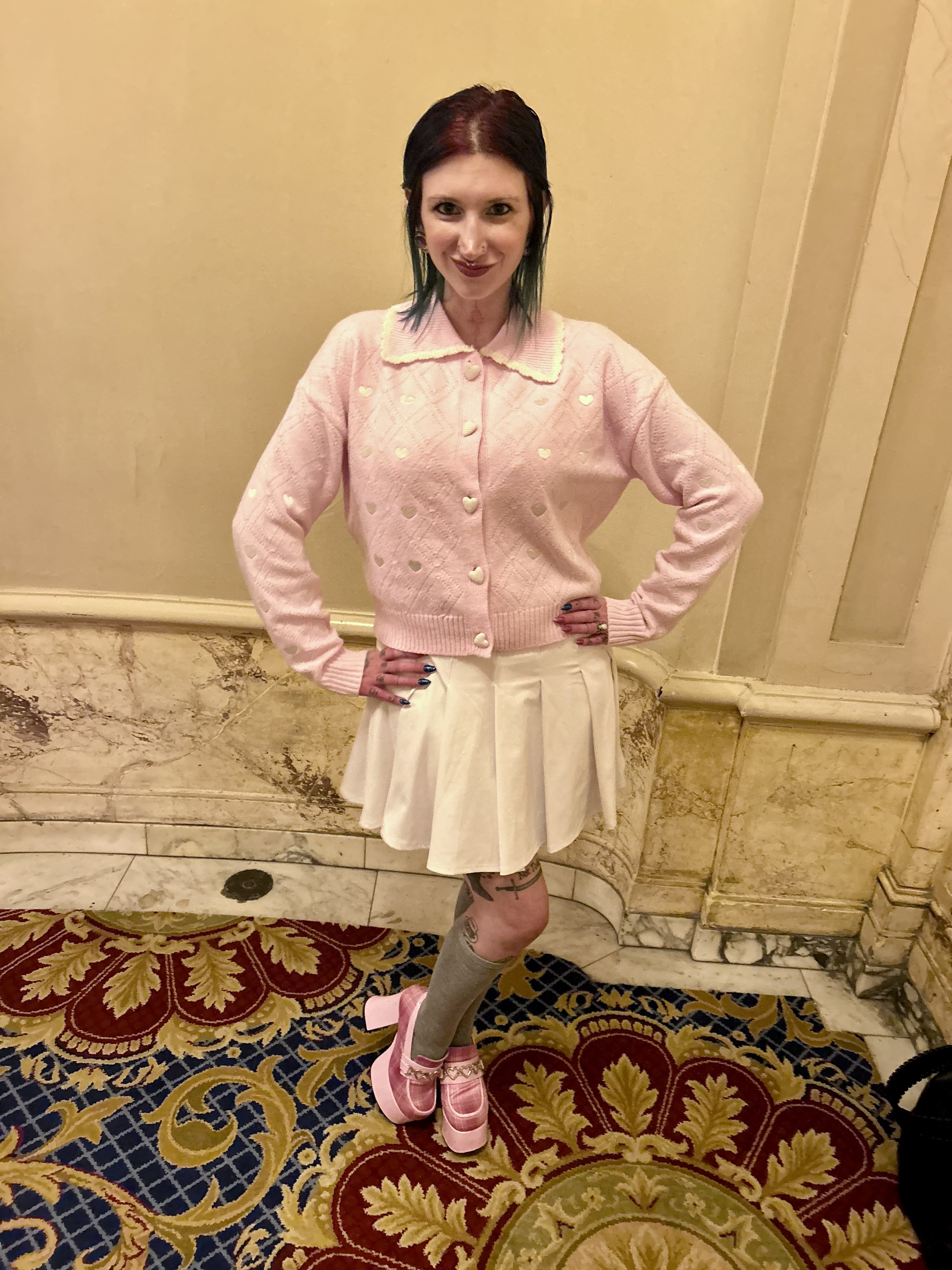
Thank you to everyone who has ever stopped by on lifewithlilred. You made a huge difference to me! ❤
What helps motivate you? Do you have a streak going in anything? I want to hear from all of you, so leave me a comment and let’s chat! Much love. -Sarah









 lifewithlilred