Tag Archives: energy

How To Take Care Of Your Self-Sufficient Home

Standard
How To Take Care Of Your Self-Sufficient Home

In recent years, more and more people have seen the benefits of living a more self-sufficient lifestyle. This way, you are able to live off the grid and still look after your family. You can save money and reap the rewards of your own hard work. Even better, you can live a greener lifestyle as a self-sufficient lifestyle is often a more sustainable way to live. Of course, there are different ways to be more self-sufficient. A lot of people still rely on outside infrastructure, but you might be surprised at how much you can do for yourself if you look after your home:

There are a few different lines of thought about how much land you need to feed a family. If you want to be completely self-sufficient, most sources recommend about five acres of land for a family of four. This includes growing vegetables, crops, and even livestock. As well as the food itself, you also need to consider infrastructure like barns or storage areas, buffer areas like fences and hedges, woodland for firewood, and extra areas for rotational grazing if you have different livestock.

However, most people might not manage to be completely self-sufficient, especially because it takes a lot of land, a lot of investment, and a lot of work to keep it going. But even with a smaller portion of land, you can still grow most of the vegetables that you might need throughout the year, as well as rearing chickens for eggs and meat, and even keeping bees for honey. This middle ground is a much more common option because it’s more manageable for most people. No matter how much land you have, it’s important to plan what you grow, where you grow it, and how much food that will provide. This will allow you to maximize the land you have.

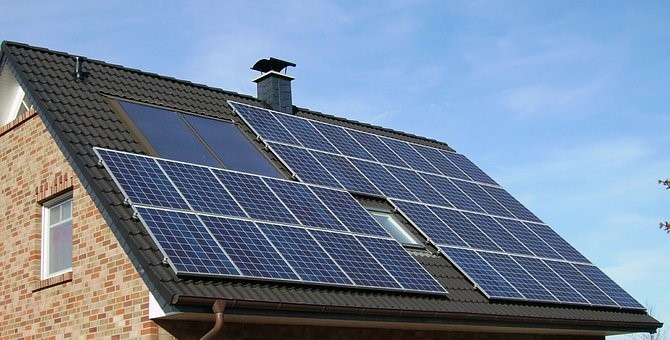
As well as looking after your plants and crops, you need to look after yourself. For many people, it’s relatively simple to set up their utilities so that they’re mostly, if not completely, separate from the grid. Solar and wind power can keep your property running, and you can set up a generator if there’s an emergency. You also need to get batteries for storing the power so that, if you lose it for whatever reason, your home can still have electricity.

You can also use natural water sources like lakes, wells, and rainwater for your home. You can store it in cisterns and clean it before you use it. You will have to make sure that you check local regulations when using natural water bodies or wells. A septic tank can store any waste so your home doesn’t need to be hooked up to a sewage system. You will have to get regular septic tank pumping to maintain it and empty it when needed.

Once you have all of the practical steps covered and your home is self-sufficient, you can focus on making your house feel like your home. You can decorate the exterior and interior for that cottage-core feeling, making sure that you balance practicality with aesthetics.

Creating a self sufficient home is an exciting adventure and can prove that you are much more capable than you thought!

Featured Image By: Unsplash

The Best Investments You Can Make In A Rural Household

Standard
The Best Investments You Can Make In A Rural Household

Escaping to the countryside is a common dream for many people, and most often comes when we’re stuck in a traffic jam on a busy morning work commute! But of course, moving to a rural area and enjoying a more remote home is work and an adjustment to make. For this reason, learning some of the best investments you may need to make in a rural home, even if you find a worthwhile deal, is absolutely worth it. In this post, we’ll discuss some choices that may help you on that path:

You’ll find that solid fencing really does transform a rural property. Many newcomers to country living discover that boundaries help maintain excellent relationships with neighbors while keeping the local wildlife from treating gardens like their personal buffet. But it’s also true that in rural areas, sometimes homeowners just leave their property borders unattended. Sometimes this is fine, but other times it might confuse rural walkers or those who encroach on your property without permission. You’re not being over the top for wanting to make these lines clear.

You can achieve a good-looking option by investing in simple wooden fencing or hedges, which can prevent confusion about where maintenance duties begin and end. Many rural homeowners have learned through experience that clear boundaries prevent somewhat tense conversations about fallen trees or building projects that accidentally cross property lines. Before you buy a property, have the land and borders surveyed so you know what the outlines are.

Most rural homes need their own waste management solutions since they sit too far from main sewage lines. You might be surprised to learn that current septic systems work quite efficiently with minimal fuss, even if it’s not the most romantic idea or home upgrade you want to think about. While the upfront costs can feel substantial, a well-installed system often serves a property for decades when properly maintained, and emptying duties might only be needed once a year or so. If you share this with a neighbor you can split the cost. Care and mindful use makes all the difference here.

Many rural homes sit on minor and private roads that may be your task to maintain, or it won’t get done. They could be owned by a house or perhaps part owned by everyone on the road. It’s fair to say that sometimes, a private less maintained road can be a bit of a headache. That’s because rain can reshape paths overnight and you’ll find out that winter brings its own set of challenges with snow removal becoming a personal responsibility. Many rural communities will be keen in sharing these duties and having good co-operation about it, which helps you split both effort and expenses. You might want to consider either investing in good equipment or building a relationship with a reliable local contractor. This way you can discuss potential issues with potholes or water pooling before it affect your vehicles. As everyone has an interest in avoiding such issues, it’s a worthwhile investment, but one you need to prepare for.

The countryside is amazing in that it offers wonderfully dark nights for stargazing, but you’ll likely want some lighting solutions for practical purposes too. You may find success with modern LED systems because they use minimal electricity while providing excellent illumination when needed. A great portion of rural homeowners discover that carefully placed motion-activated lights are good for security and energy efficiency.

We’re not going to suggest that living in a rural environment is akin to posting in the International Space Station, but power interruptions tend to last longer in rural areas, and weather can sometimes limit access to town. That’s why even if you haven’t experienced an issue yet, maintaining a well-stocked pantry as a matter of necessity rather than convenience is a good idea. You might want to consider keeping emergency water supplies, basic medical items, and a reliable generator on hand if that’s possible. Grit and other snow-fighting materials can help too.

On a rural property, you have more options for renewable power, which might be an investment now but could pay off over time! Rural properties often have good exposure and conditions for solar power, with plenty of open roof space and unobstructed sunlight if you’re lucky enough. You may even have a water wheel as part of your building that might take some time to get rebuilt over the river, or a place you can use for biofuels. While setting up renewable systems does require renovation and installation that comes with a cost, the long-term savings could be quite significant. Back that up with functional utilities such as furnace installation for appropriate heating, and you’ll be set up perfectly!

With this advice, we hope you can more easily make some good investments in your rural household, should you ever escape to that country life you dream about!

Featured Image By: Pexels

Sleeping Good, Feeling Great

Standard
Sleeping Good, Feeling Great

Hello!! I have had a few appointments with my new therapist and it has been most helpful! She is seriously the best and is so much fun to talk to – it’s almost like I’m venting to a friend and I really like that. I have noticed a significant difference in my mood already just by being able to vocalize some of the things that have been weighing on my mind. Another big change that I made other than therapy is finding someone new to handle my medication management and that has been a HUGE success!

It’s incredibly important to get professional help for your well-being when you’re struggling mentally. There are some great services out there, like this website, that you can look into when it comes to improving your mental health and well-being in general.

Prior to the new person I have been going to for med management, I was just seeing a general practitioner. He was fine, but our appointments literally only lasted like two minutes and it was expensive as all get out. So, I decided to make an appointment with a nurse practitioner who works in the same office as my therapist. My only regret? That I didn’t do it sooner because she is awesome and prescribed me a new medication that has seriously changed my life.

This past summer, I was diagnosed with PTSD. I have always suffered from night terrors, but it was getting to be SO extreme. There was a point when I was only having a handful of night terrors per week and it turned into an every single night affair. For months, I was waking up every night screaming and it was horrible for both me and Johnny. It was so hard to fall back asleep after I jarred us awake from screaming bloody murder and we were going through life exhausted.

I had no idea that there was a medication that could help with my night terrors, so I never brought it up. You could have knocked me over with a feather when my nurse practitioner told me that there was something that she could prescribe! Since taking this new medication, I have not had one single night terror. None. Nada. Zip. Zero. I don’t think I realized how sleep deprived I was until I was actually getting a good night’s sleep for the first time in months.

Now that I am sleeping better, I feel energized, my mood has improved, and my work days don’t feel anywhere near as daunting. Normally, I would be too fatigued by the time the weekend rolled around to do anything. Now, Johnny and I have had outings with friends, family, and ourselves every weekend. It’s fun! I feel more like myself than I have in months and I am so thankful that I am finally sleeping through the night. The power of being well rested is a real thing!

If you feel like you are struggling, I can’t encourage you enough to seek help. It might feel scary, but you are going to feel so much better and I am proof of that. I know you can do it! ❤

What is something that helps you sleep well? Do you dream a lot when you sleep? I want to hear from all of you, so leave me a comment and let’s chat! Much love. -Sarah

Woke Up On The Wrong Side Of The Bed? Try This!

Standard
Woke Up On The Wrong Side Of The Bed? Try This!

Waking up on the wrong side of the bed is something that happens to everybody. No matter how well you slept or how much you have prepared for the day, sometimes you just have to accept that it is “one of those days”. On the other hand, you could always try and turn things around and make yourself feel better almost instantly.

Turning your day from a negative into a positive is completely possible, but only if you’re willing to give it a try. Being in a good mood regularly will not only help you to maintain your youthful glow, but it will also give you a better chance of a successful day. Here are a handful of speedy mood boosters to get you going again:

Feel-Good Music:

There is no better cure for a bad mood than blasting some feel good music loud and proud. Whether you’re turning up the volume on your home speakers or you’re putting in your earphones during your commute to work, there are so many ways to get music into your system. Choose your favorite artist or song that will get you going for the day such as Class Clown by Tiana Green or some classic 90’s pop from back in the day. As soon as you hear some music, you will start to feel happy in an instant.

Energizing Food:

There are certain foods that can make you feel good as soon as you digest them, so this is what you need to reach for when you’re feeling blue in the morning. A banana, crunchy granola, or a berry smoothie are all ideal ways to put a spring back into your step.

Exercise:

Getting your body moving is a great way to boost your mood when you’re not feeling the best. Doing a form of exercise that makes you happy will release a whole load of endorphins that will keep you on cloud nine for the rest of the day. Whether you’re trying out yoga, running, weight lifting, cycling, swimming, or dancing, there are so many ways to try exercise without feeling as though it’s a huge chore; having fun is the most important thing!

Hug Someone You Love:

Hugging someone you love can have numerous health benefits, and one includes feeling good about yourself and happier in general. If you wake up feeling less than great, now is the perfect time to grab the one you love and enjoy a warm embrace together!

Having these ideas in your back pocket whenever your day gets off to a rocky start is the best way to move forward and seize the day no matter what!

Featured Image By: Pexels

Reduce Your Bills With A More Energy Efficient Home

Standard
Reduce Your Bills With A More Energy Efficient Home

Household expenses are continuing to rise, all thanks to inflation. Many individuals and families are being forced to look for savings to stop their expenses from getting out of control – which is often easier said than done. Making your home more energy efficient is a great way to help you reduce your bills, and can help you develop less wasteful habits too. Making a few small changes could add up to big savings, and teach you some things about your energy use. Take a look at some of the best and most effective ways to reduce your energy bills:

Turn off your lights and appliances when they’re not in use:

It’s easy to leave your lights on in another room or keep your TV on standby throughout the night, but these things and various other habits can add unnecessary costs to your energy bill. Being better at turning things off or pulling the plug can make a big difference in your energy use. While it’s easy to forget to do these things, you’ll soon see a noticeable difference in your energy use if you make it a habit.

Make your home a smart home:

Another way to manage things like your lighting and heating is to utilize smart home expertise from a team of experts in your local area. Smart home devices can make it easier to control your home so you can control what you spend on energy. From dimming the lights with the sound of your voice to shutting off the heating when nobody is home, a smarter home can help you take a much more economical approach to your energy spending. Adding smart technology is also one of the ways you can increase the value of your home, making it more modern and appealing for potential buyers in the future.

A smart home offers plenty of benefits and can provide a lot of peace of mind. How many times have you left the house and found yourself wondering if you shut off all of the lights before heading out? It has never been easier to control lighting, audio, and more at your fingertips and decrease your energy bill with the savings being twofold as it increases property value.

Modern home buyers want modern amenities and a smart home will check all of those boxes. A smart home brings sophistication to your setting with the latest technologies as well as added security. To find specialists in smart home installation, simply enter a search for “home lighting, audio, and automation integration experts near me”. Be sure to research the reviews of the company for satisfied customers and seek recommendations from friends and family.

Upgrade your windows:

Better insulation can make your home more energy efficient. This is because newer windows are better at keeping the heat in your home, meaning you could reduce how much heating you use throughout the colder months. Explore local energy-efficient window installation companies to help you find someone to replace your windows. New windows can make a huge difference to your home, helping to make it warmer and more modern if you choose contemporary frames.

Consider changes to your heating system:

Older heating systems can use a lot more energy than newer systems, which are designed with energy efficiency in mind. Choosing a different type of home heating system can reduce your bills, and make your home warmer or cooler where needed. It’s also important to maintain your heating system regularly to ensure it’s not using excessive energy to compensate for poor performance caused by a fault.

Making your home more energy efficient can future-proof your home while reducing your bills in the process. Look at your current usage rates and set targets to bring them down. You’ll be amazed at the difference and can feel proud of your efforts to reduce your energy bills!

Featured Image By: Unsplash

Renovating An Old Home? Check Out These Tips

Standard
Renovating An Old Home? Check Out These Tips

When it comes to renovating an old home, there are a few key things to keep in mind for the project to be a success. It’s important to be prepared because there’s a lot that might challenge you when going through this huge undertaking. Here are some tips to help guide you through the process:

Start with a plan:

Before any work begins, it’s crucial to have a clear idea of what you want to accomplish with your renovation. Make a list of the specific areas of the home that you want to update and consider how those updates will fit in with the overall style and architecture of the house. This will help you to create a comprehensive plan and budget for the project, which will help to keep you on track and so you don’t overspend on unnecessary items.

Prioritize structural updates:

An old home may have structural issues that need to be addressed before you can move on to cosmetic updates. These types of updates can include foundation repairs, roof replacements, or updates to the electrical and plumbing systems. While these types of updates can be costly, they are essential to the safety and longevity of your home. By taking care of these issues, your home will be safe and secure for you and your family, and prevent costly repairs down the road.

Make energy-efficient updates:

Energy-efficient updates can help to reduce your energy costs and improve the overall comfort of your home. These might include adding insulation, replacing flimsy siding and doors, or installing a high-efficiency heating and cooling system. These types of updates can be a bit more expensive initially, but over time, they can pay for themselves in energy savings. Another way to do this is to install new windows; Renewal by Andersen window replacement can help you with that.

Be prepared for surprises:

Even the most well-planned renovation projects can encounter unexpected issues, such as hidden mold or old wiring. Be prepared to adapt your plan as needed, consult with experts when necessary, and make changes to your budget to accommodate any unexpected expenses.

Do your research:

It’s important to research the best contractors to hire, the most cost-effective materials, the top ways to make your home more energy efficient, and the latest technology for your renovation to achieve the best outcome. This will help you to find the right team to work with and make informed decisions about the materials and products you’ll use.

By following these tips and keeping an open mind, you can renovate an old home with confidence and turn it into a beautiful and comfortable living space that will stand the test of time.

Featured Image By: PXHere

Saving Energy: 3 Steps To A More Efficient Home

Standard
Saving Energy: 3 Steps To A More Efficient Home

Are you looking to cut down on your carbon footprint or do you only want to reduce the amount you are spending on household energy? If you want to increase your home’s energy efficiency, you need to do more than just reducing the amount of energy. You should figure out the areas that use energy, how it is wasted, and ways to use it more effectively and efficiently. It all starts with making simple changes around the house that would significantly impact the environment and your energy bills.

If you are unsure of where to begin, here are some tips that can guide you to make your home an energy-saving haven:

Improve your Home Insulation:

Insulating your home in the right way helps to preserve heat during winter and keep out the heat during summer, and serves as a great combined investment as you learn from CleanChoice Energy reviews. It also reduces the amount of fuel you burn to warm the house, reducing CO2 emissions into the air. Insulating your house is a cheaper alternative to using power-hungry air conditioning units.

If your home does not have proper insulation, much of the heat will get lost through the roof, walls, windows, and floors. Not only does it become expensive to heat, but it also becomes challenging to maintain the heat. You don’t have to spend much to improve your home insulation. Small home improvements can have a significant impact on your energy conservation.

For example, you can use spray foam to insulate your walls and prevent them from losing heat too quickly, saving you money while also reducing the energy you use. The correct spray foam insulation temperature should be around 120 to 140 degrees Fahrenheit.

Turn Down your Thermostat:

Reducing your heating is an excellent approach to reducing the amount of energy you spend every month. It may be a hard feat to enact during winter because of the extremely low temperatures. However, you do not have to overdo it. You can save a lot of money by just turning your thermostat to a few degrees lower.

If your house gets cold, throw on a sweater or a robe and invest in thermal curtains that you can use during the winter months. A smart thermostat can also help you save energy more efficiently since it allows you to heat only the rooms you are using and control the temperatures from your smartphone.

Avoid Leaving Appliances on Standby:

Appliances still consume electricity even when on standby, provided they still have a connection to the power source. This includes devices such as microwaves, printers, washing machines, TVs, and laptops. Once you finish using an item, switch it off by unplugging from the power source. It can help you save more than $30 every year on energy.

As you can see, you do not have to spend too much time or money to make your home energy-efficient. You can cut your energy bills by following the above simple steps. Remember, when your home is well insulated and energy-efficient, it will not only help you save on costs, but it will also lead to a cleaner and greener environment for everyone.

Featured Image By: Pixabay

Boosting Your Energy Naturally, Sans Caffeine

Standard
Boosting Your Energy Naturally, Sans Caffeine

Do you have low energy levels and feel fatigued on most days? Find that you turn to coffee and sugary treats to get yourself through the day? You’re not alone. Our lives are full of long work hours, stressful relationships, and currently a lot of uncertainty, which has resulted in a lack of energy in most of us. Luckily, there are lots of great ways to give yourself a natural boost to get yourself back to being your lively, energetic self – and all without having to indulge in caffeine. Try the following:

Vitamins:

Vitamins, or lack thereof, can play a huge part when it comes to your energy levels and feeling fatigued. Vitamin b12, also known as the energy vitamin, can help give you a big boost and is needed for overall good health. One of eight B vitamins, it helps the body to convert the food that you eat into glucose, therefore giving you energy. It also prevents anemia that can lead to feeling weak and tired and keeps the body’s nerves healthy. Taking supplements is one of the easiest ways of getting your Vitamin b12 intake; however, you can always find the vitamin in foods such as salmon, red meat, feta cheese, and nutritional yeast.

In addition to vitamins, there are also medications used to support weight loss. If this is something you are interested in, schedule an appointment with your doctor. Your General Practitioner will be able to tell you how you can get energy from Tirzepatide or advise on another medication better suited for your body and goals. Even taking new vitamins is something you should run by your doctor first so it is important to let them know before implementing them in your routine.

Reduce your carbs:

Ever noticed how after eating a big delicious meal that’s full of carbs, whether that be potatoes, pasta, or bread, you find your eyes starting to close, and an afternoon nap calling your name? That’s because when we eat that big dish full of pasta (AKA excessive carbs), we have a rapid spike in insulin levels, which causes a drop in our blood sugar levels, leaving our bodies exhausted throughout the digestion process.

Now, that’s not to say that you have to take carbs off of the menu, but you should try to avoid simple carbs and replace them with complex carbs instead, to avoid that mid-afternoon slump. Try and add more whole grains into your meal, alongside leafy greens and vegetables, and you will notice that a well-balanced diet will make a massive difference to your energy levels without needing to turn to caffeine.

Remove sources of stress and anxiety:

It is well known that both stress and anxiety take a massive toll on health, including having noticeably less energy. Therefore, one of the most effective ways to boost your energy levels is by removing the sources of stress or anxiety in your life. This also includes relationships and friendships that drain your energy and don’t serve you anymore. While it is impossible to remove all stress from everyday life, there are things that you can do to deal with it more effectively, such as meditation, NAD+, and yoga.

Exercise:

As weird as it might seem, regularly moving your body and exercising is an absolutely guaranteed way to boost your energy levels and make you feel good thanks to the resulting mood-boosting endorphins. It has been proven that a daily short walk can provide a more significant energy boost than even food. Try to incorporate a walk or another physical activity into your daily routine and you will notice that you feel more energetic in no time.

Try the tips above to give yourself an energy boost, the natural way!

Featured Image By: Pexels

Cut Your Energy Bills With These Tips

Standard
Cut Your Energy Bills With These Tips

One of the many things that the COVID-19 pandemic is having on society is a rise in energy bills. After all, we are all spending a lot more time at home, so it is only natural that we will consume a lot more energy.

A study carried out in 2009 found that as a nation, the United States was wasting over $130 billion a year on energy. Energy and money that escapes through our roof, through the inefficient seals around our windows, through cracks and holes in the walls, and appliances and lights left switched on or in standby mode. More than ten years later and a massive increase in the technology that we use on a day to day basis and you can imagine how much that amount has probably jumped up by since then.

The one good thing, however, is that our energy consumption is something we have power over, so we can take measures to reduce it. Here, we will look at some ways you can cut back on your bills:

Tackle your temperature:

Depending on the season, the cooling down or heating up of your home does not only bring you comfort during the day but may be the only thing that gives you a pleasant and restful night of sleep.

In the colder months, endeavor to keep the temperature between 18-20 ° C. Any degree higher than this will add up to 10% to your bill. Test the auto timers on your heater, too. By raising your heating time by one hour a day, you can save up to ninety hours of heating costs over the winter.

Once the warmer months have come back, strive to keep your air conditioner above 24 ° C. Any degree lower will add 10% to your electricity bill. Make sure your house is sealed well so that they work efficiently and keep all of the heat or the cool air in.

Increase your insulation:

Think about why you wear a hat in the winter. It is because your head is where you lose most of your heat. The same goes for your home – your roof is the head of your home. By making sure your attic space has the very best insulation possible from somewhere like https://www.insulatekansascity.com/attic-insulation/, you can reduce the amount of heat lost from your house and save you plenty of cash, particularly over the winter months.

Audit your appliances:

Old, outdated appliances can be power-hungry and can really add to your energy bill. If you have older air conditioning units, a flue gas heating system, or water heaters and fixtures, you might want to think about an upgrade. Modern appliances are made to function more efficiently. They also will be using the latest in technology and assembly methods, which is beneficial should you need repairs. It can be hard to find replacement parts for outdated models. Sure, it costs an outlay of money initially but, in the long term, it will really end up saving you. If updating these appliances isn’t possible, it would be a good idea to have an expert in, for example, Hot Water System Installations (or whatever system is problematic) to come by for a maintenance check.

Cutting your energy bills does not need to involve anything dramatic or necessarily expensive. A few minor tweaks to your lifestyle here and there and making sure everything is working efficiently is enough to save you hundreds of dollars every year – global pandemic or not.

Featured Image By: Pixabay

Creating Healthier Habits Around The House

Standard
Creating Healthier Habits Around The House

The topic of health comes up in conversation on a regular basis between your friends and colleagues. There is always a new fad to try out or a trendy eco-friendly switch to consider, but what can really be done to improve your health? Your home is a place in which you need to feel completely comfortable and confident, so you should only make changes if you are 100% on board. Whether you’re going through a renovation and looking for more energy efficient solutions or you have been struggling with your personal health, there are a number of alterations you can make around the house, like some of the following:

Improving Energy Efficiency:

One of the first major changes you can make around your home is your energy consumption. We have grown so accustomed to electronic devices, gizmos, and gadgets, but we don’t realize the impact they are having on our bank balances and the world around us. If you are really looking to make an impact, why not consider Solar Installation? This method will not only save you money, but it will also reduce the number of greenhouse gases that are emitted into the atmosphere. Speak to a specialist today and they will be able to inform you on the best steps to take when it comes to installing solar panels in your home.

health

Pixabay Image

Reducing Waste:

Households around the country are producing more waste than ever before. Not only is this having a negative impact on the environment, but it is also creating a bad habit among society that needs to be broken. Waste can come in many shapes and forms, but the main culprit is plastic. When you look at the amount of disposable plastic you use each week, it can add up to a considerable amount. When this waste is dumped into landfills or oceans it can take decades to decompose, which is having a negative effect on wildlife. Next time you head out shopping, try to take a reusable bag with you instead of picking up new plastic bags from the store. Opt for products that have less packaging too, as this will help reduce waste around the house.

Eat Fresh:

Buying local produce from your farmer’s market is much more environmentally friendly and healthy than shopping in the big supermarket chains. Not only will you be supporting local businesses, but you will be reducing your carbon footprint by eating fresh and local produce regularly. And, of course, it’s always good to eat your fruits and veggies!

Re-Evaluate Your Household Products:

Instead of spraying hazardous chemicals in the air, there are a number of natural cleaning products you can turn to for your household chores. Not only do regular cleaning products waste a lot of plastic packaging, but they also pollute the air around our homes. You can make natural cleaning products yourself using a lot of the ingredients that are already in your cupboard. Look online for some inspiration and start making your own cleaning sprays now.

Combat Water Waste:

Saving water around the house is actually incredibly easy. It doesn’t take much thought on your part and it will benefit your bank balance, too. Try installing a shower timer in the bathroom, so that you are more aware of how long you’re spending in there. A five minute shower each day is much more eco-friendly than a bubble bath or a ten minute shower. Similarly, you can also install a device in your toilet which reduces the amount of water that is used when you flush.

Nobody will ever achieve complete perfection when it comes to their home habits. However, there are so many changes we can all make for the better, so start with the tips above today!

Featured Image By: Pixabay