Tag Archives: medicine

The Cause Of Your Depression Might Not Be What You Think

Standard
The Cause Of Your Depression Might Not Be What You Think

Dealing with depression can be really tough. We all go through a range of different health struggles in life, and some are always easier to put up with than others. When we’re sick, doctors can also diagnose us based on the physical symptoms we have. But when it comes to mental health, we all seem to find that it is so much harder to deal with.

It’s not always easy to know why you feel so down or what’s causing it. However, if you’re sick of feeling that way and you want to change things, you’re going to want to take control. And to do this, it is going to help you to figure out what the cause of your depression might be in order to put it right. So let’s take a look at some of the things that could be causing it:

A Negative Mindset:

Negativity can really impact how you feel mentally. Our brains are programmed to feel negative and to react to external forces in different ways. But, if you tend to focus on negativity and the bad in life, this will bring you down. It may be tough at first, but if you can start to focus on the good things, practice gratitude, and being more positive, it may be the first step to dragging you out of your depression.

A Hormone Imbalance:

Sometimes, there can be a chemical reason for why you’re feeling the way that you do. When this is the case, you’re going to want to consider supplements such as eurycomanone to combat low mood and depression. But it’s important to consult your doctor to work out the best approach to finding a balance before you try it out for yourself. Prior to your doctor’s appointment, take the time to make a list of your symptoms that would point to a hormone balance as opposed to having depression. This could include weight gain primarily in the midsection, fatigue, or a decreased libido. Your doctor will be able to put you on a path to Optimize your Hormone Health so that you can get back to feeling like your normal self. Be sure to take note of any positive or negative experiences with the plan your doctor worked out so you can easily make adjustments.

Poor Diet:

You’ll also find that a poor diet is going to really impact your health levels. Because, in short, a poor diet makes us feel depressed! When you’re eating junk, you will feel like junk. Try making sure that your diet is rich in fruits, vegetables, and whole grains, and you will find that your body and mind will start to feel good.

A Lack Of Exercise:

Similarly, a lack of exercise is also going to harm your mental health. When you exercise, you’re able to get your body and mind into a much better place. So perhaps your lack of activity is what is bringing on your depressive spells? Find a work out that you genuinely enjoy doing and get moving. It’s even better if you are working out outside as you can reduce depressive symptoms outdoors to improve both your mental and physical health.

cause1

Yoga is a great choice!

Lifestyle Choices:

And finally, you may find that the reason you’re feeling so low is that you’re not really in control of your life. Maybe you’ve been pushed in the wrong direction by your parents from a young age, you’re in the wrong relationship, or you’re not following a career that you love? These may all seem like very small issues, but they can all negatively impact your mental health. Maybe it’s time for you to use what you’ve learned in point one (and everything else) and get the strength to make the right lifestyle choices that will make you happy and kick your depression for you.

Getting Help:

Making positive changes in your life can certainly help improve your depression. However, you might not be able to do it without support and that is okay. You might want to consider seeing a therapist or a counselor to begin discussing these feelings. If you find you need something more intensive and structured, you could begin researching for an iop in southern california (or your local area). Intensive Outpatient Programs can make a huge difference through building community, understanding, and integrative therapy to help you live your best life. Seeking help can transform your life and there is absolutely no shame in it.

Depression is no joke, and kicking it in the butt can only help to improve your every day life.

Featured Image By: Unsplash

Are You Cut Out For A Career In The Medical Field?

Standard
Are You Cut Out For A Career In The Medical Field?

These days, if you cast your eye around for in-demand careers, it’s likely you’ll find plenty in the medical field. By ‘medical field’ we’re talking about all of the different careers and jobs in hospitals and other places of work related to medicine. So, that’s already a pretty broad stretch of jobs!

The reason they’re so in-demand is that people always need medical assistance. The population is getting older and older, which means more people are in hospitals and getting medical treatment. Therefore, healthcare institutions need all hands on deck, and they’re constantly looking for new employees.

Immediately, this might strike you as a great career move. After all, one of the hardest things in life is trying to find a job when there aren’t many available. Within this field there are plenty of jobs going, whether you are looking to build a new medical practice or join an existing team, there’s every chance that you’ll find work easily. However, things aren’t quite that simple in the medical field. These types of jobs possess certain challenges that you might not be cut out for. So, before you start aligning your career path, answer these questions to see if you’re a good fit for a medical job:

Do you like working long and unpredictable shifts?

Doctors, nurses, surgeons, consultants, and any other medical professional will not have a typical working life. They don’t always get the classic 9-5 shifts every single day. More often than not, particularly when working in a hospital, the shift patterns are sporadic. You could be in for some hours in the early morning or late at night, and this could completely change the next day/week. If you want to pursue a medical career, you need to enjoy this element of unpredictability. But, if you’re someone that loves a strict schedule and wants to work 9-5 Monday-Friday, then this is definitely not the right career move for you.

Are you prepared to study…a lot?

If your answer is a resounding yes, then this is the right career path for you, and it could be time to start looking for those open residency positions. With some careers in some industries, you can get away without studying much or having a lot of educational qualifications. Here, it’s the complete opposite. Take a look at your standard hospital and you’ll find that every single job requires a degree or qualifications of some sort. Nurses need to undergo RN courses to qualify for work, doctors have to study medical degrees, and so on.

Then, you have further studying to advance your medical career. A nurse can study a 100% online RN to BSN program while they work, to gain more qualifications to be able to perform more jobs. A doctor can go back to university and train to become a surgeon or specialist doctor, and so on. No matter which way you turn, education is at the forefront of your medical career. So, if you’re not prepared to study, don’t even think about it.

school

Ready to hit the books?

Can you cope well with pressure?

This is a simple yes or no answer question. If the answer is yes, then you may fare well in this line of work. If the answer is no, well, you might want to look at a different career path. Every type of medical job will be conducted under immense pressure. You may have strict time constraints, which means that you’re rushing around in an emergency situation. Or, you have certain rules and things that you need to pay very close attention to, for the patient’s safety, meaning you’re under even more pressure. If you’re the type of person that thrives under pressure, then you might have found the ideal career option.

Are you able to handle stress?

Similarly, are you able to handle intense periods of stress? Everyone gets stressed, it’s just part of life. However, there’s no denying that some people cope better than others. For anyone out there that knows how to handle and manage stress by meditating or finding ways to relax, then you’ll survive a career in the medical field. It’s no secret that working in medicine is extremely stressful. It goes back to the point about pressure. Being under intense pressure day after day is bound to cause stress. But, if you can manage it, then go for it!

Are you a people person?

If you’ve gone through all of the previous questions and still think that you’re cut out for a job in the medical field, then this is your final test; are you a people person? Do you like talking to other people and being around other people? Is this something you’re confident at doing, or do you always shy away from others? Naturally, working as a medical professional, all of your daily tasks will involve interactions with other humans. You’ll work as part of a team and need to be good at working with others. But, most importantly, you need to be excellent at talking to patients – which can sometimes be more difficult than you think!

medd4

Are you a team player?

If you answered yes to all five questions, then woohoo! A career in the medical field could possibly be for you. If you are interested in the medical field, or even public health in general, then you may be interested in this public health education degree. It’s a big decision to make, but you should always make sure to follow your interests when it comes down to it. Don’t let the downsides of a field push you away from your passions.

Featured Image By: Pixabay

Why You Should Care About Your Employees’ Health

Standard
Why You Should Care About Your Employees’ Health

As a business owner, you might think that you have more pressing concerns than the health of your employees, like running the business properly for a start, but here’s the thing – the health and well being of your employees should be one of your most vital concerns. Here’s why:

Employees Who are Healthy are More Productive: When your employees feel well, they operate at optimum levels. Healthy employees have bundles of energy and that means that they will work harder than employees who are sick, ill, and unfit. It, therefore, makes sense to encourage your employees to live healthier lifestyles in any way that you can, including by bringing in spectrum healthcare to run corporate wellness checks in the office periodically or offering free or subsidized gym memberships to all of your staff.

Healthy Employees Will Take Less Sick Days: Obviously, employees who are in good general health will take fewer sick days over the course of a year. This will not only ensure that your productivity stays high, but it could also save you a lot of money, especially if you have a lot of employees.

Sickness Won’t Be Spread: We’ve all seen it happen – one person comes into the office with a cold, and the next day three employees call in sick, the next day ten people aren’t there, and so on and so on until it seems like the whole office is wiped out and you’re struggling to keep the business running. By offering your staff immunizations for common illnesses, you can stop the spread of sickness and keep your business running come what sore throat, horrible flu may.

 why1

Pixabay Image

Healthy Employees Have Their Heads in the Game: When you’re sick, you will know only too well that you start to ruminate about your illness. You start to think the worst and you worry if you’ll ever feel better. This can take your head out of the game and make it difficult to concentrate on your work. When your employees are ill, then it can be all too easy for them to make mistakes that they wouldn’t usually make and this could cost you your company’s reputation or a lot of money, depending on how serious those errors are.

Healthy Employees Will Be Less Stressed Out: Stressed employees, again, are more likely to make mistakes and be less productive than those who are completely relaxed and healthy. Not only that, but stressed employees can make for a tense and often unpleasant environment, which is why taking care of your staffs’ mental health needs by providing meditation classes, yoga, or other relaxing activities can be really worthwhile and pay off in the long run.

Healthy Employees are Positive Employees: Sick people tend to be naturally more negative because they are worried about themselves. Like stress, this can cause a negative atmosphere to develop in the workplace. Healthy employees, on the other hand, are more likely to be positive more often, which will make your workplace a happier place to be.

why2

Happy, healthy employee!

Featured Image By: Pixabay

Keeping Safe When You Are Traveling: A Complete Guide

Standard
Keeping Safe When You Are Traveling: A Complete Guide

Who doesn’t love to travel? Whether it’s for a vacation, business, or to visit your family, travel educates and entertains. Unfortunately, some trips do not go well and are ruined by accidents or ill health. Here’s a quick guide to how you can keep healthy when you are away from home and what you can do if something goes wrong. But fingers crossed that it doesn’t, of course!

Be proactive and prepare before you go:

Be realistic about your health and your physical limitations before you travel. This is especially important if you have chosen to travel by air. There are some people who should not fly and they include:

  • Babies under 2 days old
  • Women who have passed 36 weeks of pregnancy
  • People who have recently had any type of surgery
  • People who have recently suffered a stomach, eye, or head injury.
  • People who have recently had a heart attack or stroke

If you have any sort of health condition it is always a good idea to talk to your doctor before you leave, just in case.

Plan ahead for injuries and illnesses:

You will be responsible for hospital and other medical arrangements during your trip so double check your health insurance and make sure that you are covered for the entirety of your vacation as well as the location you are traveling to. Should you be planning a longer stay, it is a good idea to enter a search for “health insurance quotes florida” (or your vacation destination) in case a medical emergency arises. No one wants to imagine anything going wrong on a trip, but it is far better to be safe than sorry. In addition, think about where you will access treatment if you become ill or injured. Compile a list of USA emergency dentist locations and hospitals in case something goes wrong. This will cut down your stress levels if you are in need of treatment while you are away, as you will already have a place in mind.

Take your own first aid kit with you for minor emergencies. Stock it up with band-aids, antiseptic wipes, and cotton wool so that you can treat cuts and scrapes. Include any prescribed medication and some pain killers. Some basic first aid knowledge is essential so have a read up on what you should do in an emergency. You also need to know when you should call a doctor. In general terms, you need to call medical assistance if you have diarrhea AND a high fever, have been bitten or scratched by an animal, or have been in an accident and are seriously injured.

Let your friends and family know when you will be going, where you will be going, and when you intend to return. Always carry details of your next of kin and your medical requirements with you. You can store these in a mobile phone or in card form in your wallet.

Look after your health while you are away:

It is easy to get carried away on holiday and take risks that we would not take when we are at home. Some sensible precautions will go a long way towards making your trip a safe one. Limit your alcohol intake and use sunscreen when you are in hot and sunny climates. Be especially careful if you are on the coast or in the country as there are additional hazards. Be aware of your surroundings and think about the dangers that you might face and how to avoid them as necessary.

Vacation is meant for fun, not catastrophe. Have a back up plan in place for peace of mind while you have a good time!

Featured Image By: Pexels

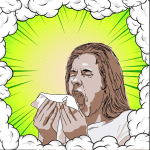
The Real Reasons Why You Sneeze So Much!

Standard
The Real Reasons Why You Sneeze So Much!

Allergies at any time of the year can be frustrating. Having a stuffy or blocked nose gets in the way of enjoying the summer months and it makes people really miserable. Of course, we can take basic medication to solve the problem, like antihistamines, but is it really getting to the root of the problem? It seems that more and more of us are suffering from allergies now, so here are some common causes in the modern world:

A Gluten Allergy: There are so many more people diagnosed as celiac now than ever before. This could be because there are more issues in the processing of food but also the fact that our immune systems are sufficiently weaker now than they were 100 years ago. We are now used to having a whole manner of processed food, but it’s not necessarily something our bodies can process. There are an increasing number of people who are now being diagnosed with a gluten sensitivity. And if you feel a bit sluggish it could be a sign. But you also may even have a very runny nose.

Toxins In The Air: More people on the planet means more dirt, dust particles, and waste. There can be so many toxins in the air at any one time, from cigarette smoke to hazardous fumes to mold and mildew in your home. With that in mind, we are being exposed to a dangerous level of chemicals on a daily basis! To minimize the amount of bad air in our homes, we can use air purifiers and air cleaners. Companies like Farnen & Dermer specialize in whole-home air cleaners, which work more effectively than an air purifier, which is suitable for a smaller area. Even something like mold, which is predominately invisible to the naked eye, if left untreated, can really develop into a long-term health problem.

Medications: So many people are being prescribed antibiotics for an infection, and a common ingredient in many antibiotics is penicillin, which can cause serious reactions such as anaphylactic shock. If you ever experience a serious allergy due to a medication, you need to contact your doctor immediately or call the emergency services if it is a potentially life-threatening reaction. Some other common drugs that may cause an allergic reaction include aspirin, medication for autoimmune diseases, corticosteroid lotions or creams, and products containing bee pollen.

It’s important to remember that an allergic reaction can be a symptom of an issue with your immune system. For issues such as a gluten sensitivity, the problem can be solved by avoiding gluten and gluten-containing foods. If your immune system isn’t fighting at full strength, it may mean that you are constantly fighting allergies and getting more than your fair share of colds. To determine what you may have an allergy to in common, everyday circumstances, you should avoid the suspected substance for around 30 days to really be sure. And for many of us, a lack of vitamin D is the reason why we cannot fight infections as well. So make sure to take a good vitamin D supplement, too. Ahhchooo!

Featured Image By: Pixabay

Want to Help People? Here’s What to Study

Standard

Some people just have a huge heart. If you’re thinking of going to college, you might not know exactly what you want to do yet, but you do know that you want to help people. If helping others is what you want to do with your life, you have many options to play a part in improving the lives of other people. Some careers that will help others take place behind the scenes, perhaps as part of scientific research or even administration. Others involve much more interaction with people who need help and care and are much more hands-on. If you want to go into a caring profession or help others in any way that you can, here are some fields of study which you might want to consider:

Types of Study: Depending on what you think you might want to do with your life, you don’t necessarily need a degree. Some professions require you to have a college education, whereas others might ask that you have specific training or experience. You can study your chosen area of interest in different ways, too. Even if you want to get a bachelor’s degree, you can study it online instead of having to go on campus. Many people improve their education in their evenings and spare time while they work. You might decide to spend around four years doing a bachelor’s degree at college and, perhaps, even go on to postgraduate study. Or you could do a shorter associate’s degree for some subjects. There are lots of ways to study and to reach your desired career path, although some have paths that are more set in stone than others.

Getting a Nursing Degree: For many people, the first caring career that they think of is nursing. Nurses can do a huge range of jobs, from supporting doctors in hospitals and clinics to working in nursing homes or out in the community. This is a degree that can take you to many different places. To become a nurse, you have to get a degree in nursing, which could open you up to a wide range of specialisms. You need to be registered to practice, which proves that you have the qualifications that you need. During a nursing degree program, students will get to experience a range of patient care scenarios to prepare them for the work force. If you’re looking for a quicker route into the healthcare field, you might consider training to become a certified nursing assistant, which allows you to gain hands-on experience with patient care.

help

Such a flight attendant pose!

Do You Have What It Takes to Be a Doctor? If you’re considering working in a medical profession, you might also have considered becoming a doctor. Some people start thinking about it long before graduating high school, whereas others might not think about it until after they’ve completed their undergraduate education. Qualifying as a doctor takes grit, especially if you want to work in a high-pressure field like emergency medicine or surgery. Not everyone makes it, so it’s important to be sure about what you want to do before you start your medical degree. There’s no doubt that you’ll help lots of people as a doctor, but it also needs to be the right career choice for you.

Human Services: Not every caring profession involves working in a hospital or medical environment, or even working with sick or injured people. Many caring professions involve various supporting roles, which help to deliver services to the people who need them. This could be in areas such as social services, family support, veteran affairs, or elderly care. If you want to work in community outreach and help to connect people to services that they can benefit from, a degree in Health and Human Services could be right for you. This degree teaches you how to help people with a number of challenges in their life, from disabilities and illnesses to difficult home situations. It could lead to a career working with people of all ages, from children to the elderly.

help1

Wikimedia Image

Admin, Management, and Support: There are also lots of other roles in health care, caring, and social work that are more behind-the-scenes. There are careers in management, administration, and support that might appeal to people who don’t want to be as hands-on as a nurse or carer might be. It could still involve working with people who need help and doing a lot to improve people’s lives, though. Some specific fields of study to consider include Healthcare Management, Medical Billing and Coding, and Health Information Technology. Facilities like the Portobello Institute (or a similar learning institute in your local area) offer facilities management courses to get you started on your career path. These careers can still often require plenty of compassion, as you might be making decisions that affect people’s lives.

Studying Pure Science: What about being a scientist? It wouldn’t necessarily mean that you work directly with people who need help. However, it could mean that you do a lot to help the people who need it. Working in scientific research can give you opportunities to help people by furthering understanding of medical conditions and diseases and developing and testing medications and treatments. If you want to work in scientific research, you might consider a Biology degree. A science degree could also lead to working in laboratories, hospitals and medical clinics.

help2

SCIENCE!

Social Work: Outside of healthcare, one of the professions that many people who want to help others consider is social work. It can be a tough career, but there can be plenty of rewarding moments. People often think of working with children and families when they think of social work, but it can involve working with anyone who needs help. A social worker might help people with disabilities or perhaps people who have experienced an abusive relationship. They can work with elderly people or people experiencing health issues. A bachelor’s degree in Social Work is a necessary foundation, while some roles in schools or clinical work require a master’s degree. Like many caring roles, social workers also need to be licensed by their state.

As you can see, there are a lot of education requirements for social work but it is well worth it if this is your passion. Every lesson and lecture, every study session with Social Work Exam Strategies, and every essay written will get you one step closer to achieving your goal. Social work is a field that requires your complete dedication and if you can’t dedicate yourself to your studies, it might not be the best choice for you.

Education: Another way to help others is to assist them with their education. This could mean working with children, but there are lots of ways to begin a career in adult education. If you want to teach children or teenagers, there could be several different education paths which you can consider. High school teachers are often required to have a bachelor’s degree in the subject that they want to teach, perhaps with a minor in education or a qualification in a program that prepares them to teach. If you want to teach kindergarten or elementary, a bachelor’s degree and teacher education program would probably be necessary, as well. Some specialist education areas might include teaching English as a second language or teaching music, which you could do for both adults and children.

help3

Knowledge is power!

Counseling: When people need help, they don’t always need assistance with physical illnesses. Sometimes, they require help through talking therapies, whether it’s to help with a mental illness or just personal problems. Being a counselor or therapist is one option that you have if you want to help people work through their problems. Counselors can help people with their relationships, give school guidance, help with addictions, and much more. Although you can start off with a bachelor’s degree, many counselors also have a master’s degree and even a PhD.

Ministry: Some people want to help others in a more spiritual way. If you’re religious, you might consider some form of ministry. If this is something that interests you, entering the career might involve attending a specialist institution or school, such as a seminary. However, some people might begin by studying theology or even philosophy. If you want to offer religious leadership and guidance, it’s best to look into the structure and rules set out by the religious organization that you’re a member of. Different groups and churches may have their own ideas on what qualifies you to help others.

Law: If you want to help people, another area to consider is the law. There are many areas of law in which you could practice and several of them involve helping people to get justice. You might consider criminal law, in which you can also help people on matters such as accident claims and other civil matters. Of course, to be a lawyer, you need to go to law school. There are also other careers and roles that you might consider, though. For example, you could look into being a paralegal or a legal secretary. These still involve some legal knowledge, but you don’t have to study for as long.

help4

#justiceisserved

Emergency Services: If you think that you can handle a high-pressure and fast-paced job, you might consider a role in the emergency services. For several of these roles, you’re unlikely to need a college degree. You will have to complete the necessary training and education, though. You could consider roles such as an EMT, firefighter, or emergency call responder. Some people take on these jobs as full-time careers, while others do them while studying to help them pay for their education. It can also give valuable experience for future careers and opportunities.

People who like to help others can use their career to change people’s lives in many different ways. You can choose to study a variety of subjects at college or find other ways to get the skills that you need to positively impact someone.


Getting Ahead In Your Medical Career

Standard
Getting Ahead In Your Medical Career

If you already have a job in the field of medicine, then you are probably well aware of just what a challenge it can be. More than many other kinds of work, working in medicine can really take it out of you (coming from the daughter of a doctor and nurse!). To succeed in such an area, you need to have a wide variety of decent skills and the courage and patience to put them into practice every day without fail. What’s more, if you are keen to progress in some real manner, then you will also need to be able to forge ahead with a number of other qualities as well. Fortunately, knowing what those are is often enough to give you a good head start and that’s why we’re going to take a look at some of those essentials now:

Being A Team Player: It might sound like something of a cliche, but that’s only because it is actually based on something quite true: if you want to get ahead in pretty much any kind of career, you need to know how to be a team player. This is as true in medicine as it is in anywhere else, so you might want to bear that in mind if you want to improve your standings at your current job. It is not just about focusing on the actual medical skills, after all, but also ensuring that you work well as part of your team. Get this right, and the people around you will really appreciate it – and that will make all of the difference.

Gaining Further Education: Getting to any kind of role within medicine can take many years of training and education, so it is no wonder that so many are no longer interested in continuing their studies once they have landed a secure job. However, this can actually be one of the most powerful ways to continue to advance in your medical career. If you are happy to take on further education, you will probably find that it does wonders for your ongoing career and growth. What exact route to take here will depend on your current role and on what you want to achieve. If you are a registered nurse, for example, and you want to receive training that will help you in management and leadership roles, then something like the OLOL Online RNBSN course might help you. Again, it all depends on your situation and what accomplishments you want to make.

med2

Knowledge is power!!

Proving Yourself: In many ways, the way to improve your medical career is to remember that there are aspects in which it is just like any other job. This means continuing to be professional no matter what stressers may arise. If you are able to keep your cool and to continuously persevere and improve, then your superiors will likely notice that in no time at all – and that will probably serve you very well, indeed. Simple things like ensuring that you are always punctual and remembering to be polite will help you to get ahead much faster. It will also make yours and your coworker’s working lives much more enjoyable.

med3

Team work makes the dream work

Keeping Up With The Latest Developments (not the Kardashians!): The world of medicine is one that is prone to constant change because of new discoveries and technology. If you are able to keep up with those changes, then you will be much better off because of it. This can be much easier said than done, but as long as you know where to look and which resources to trust, then you should soon find that it is easier than you think. The fact is, developments in medicine are constant, and it is unlikely that you will be able to keep on top of every single change within the field. But showing your employer and your colleagues a willingness to understand all of the latest developments, and the bravery to try and put them into practice without harming any patients, is one of the foremost abilities and qualities that are likely to be highly admired by everyone you work with. Get in the know, and constantly seek new horizons within your work – this is how medicine succeeds and how you might succeed, too.

Consider Different Paths: Finally, it is worth bearing in mind that there are always other paths within medicine that you might be able to consider. Knowing and remembering this when things get tough will help you to remember that you can always change paths slightly while still remaining in the world of medicine. Sometimes this is far preferable to staying in your role and merely hoping to succeed.

med4

Maybe not mountain climbing…

Featured Image By: Pexels

Sick Of High Medical Bills?

Standard
Sick Of High Medical Bills?

If medical bills are starting to drive you into an unhealthy debt, don’t despair. You shouldn’t have to financially ruin yourself in order to care for your health. There are many sly ways of cutting expenses on your medical bills that could be worth taking advantage of. Here are just a few to take a look at:

If your boss offers an FSA – use it! More and more companies are supplying Flexible Savings Accounts as an option to their staff. Every contribution you make to these accounts is tax free and can be used to cover all manner of out-of-pocket medical costs including prescriptions, medicines, and dental care. You’re allowed to save up and spend a certain allowance each year – which should be fully taken advantage of. Even if you don’t have a medical problem throughout the year, FSA spendings can be used to buy over-the-counter drugs, baby products, bandages, crutches and in some cases eye wear such as glasses or contact lenses.

Ditch big brand medicine: Only buying medicine from big brands is a rip off. These brands may have enough popularity and money to advertise on TV, but they’ll have had to pass exactly the same quality tests as lesser known drugs from small brands. These small brands are likely to be much cheaper. If you’re on a prescription, shop around for other similar medicines that you could be saving money on. Ask your doctor and switch to generic brands to save a very pretty penny.

Tailor your insurance plan to you: Taking the time to really shop around for health insurance plans can save you a lot of money. Use comparison sites and check companies that are off of these comparison sites, too. Companies such as Health Insurance Innovations are known for being able to offer customized plans to suit your needs. You may also find a good family bundle somewhere that could also save costs. And remember that you can lower your premiums by raising your deductible.

Join a farm bureau: Every state has its own farm bureau – an organization primarily set up for farmers, although practically anyone can join (farmer or not!). Joining will cost a small monthly or annual fee, however, you usually will get all kinds of perks, a common one being huge medical discounts. Always check the incentives offered by your local bureau first before signing up, as perks do vary from state to state.

Get help from an advocate: Advocacy programs are largely in place to help those in need who may not be able to make a medical decision for themselves. However, advocates can also help out those that are financially struggling with healthcare. An advocate may be able to shop around for you, come up with alternative treatment plans, and negotiate better rates from hospitals and insurers. This isn’t a service that everyone can take advantage of – your financial situation may have to be assessed first to determine whether you really cannot pay off these medical bills.

Featured Image By: Torange

Choose The Right Medical Career Path For You

Standard
Choose The Right Medical Career Path For You

Whether you’re looking to start your career fresh out of college or you’re an older adult who is looking to give their career a fresh lease of life and retrain, the medical industry has such a vast variety of jobs and roles that there is something to suit anyone, from any background or specialty. Some roles require no specific training or education and you can enter at high school diploma level and receive all of the training you require on the job. Others may require you to return to university to study on a medical or science based program.

One thing is for sure, though – if you’re looking for a job with career prospects and advancement opportunities, the medical field is almost certainly for you. It’s moving and evolving at a fast pace with the many changes in technology and scientific breakthroughs, so you’re going to be kept on your toes. If this sounds like the field for you, but you’re not sure which job or specialty is for you, here are some handy questions to get you thinking:

Are you a people person?

Some medical jobs require you to deal with people on a daily basis and form strong and close personal connections with patients who rely on you for support and their health. If you’re great with people, then nursing, surgeons, doctors, and practitioners might be the way to go. These roles all require specific training, but they put you on the front line of dealing with patients on a daily basis. If you’d prefer something a little less medical, but still within the care field, then health and social services and care givers might be a good direction to consider. These roles require you to care for the sick outside of the hospital, either in their own homes or in another institution, such as a nursing home. These are great jobs for people who don’t want to head back into a college education, and would prefer to learn on the job or in a community college, but still want to put caring at the center of their career.

If you’d prefer not to work with patients every day, either because you’re shy or just not a people person, but still want to do good and help to advance the field of medicine, then a lab job or researcher’s position could be more suited to you. These posts tend to be accessed through a college education, but lab work can be obtained with a high school diploma and promotions will come through experience in the role. Other positions include a pharmacist or pharmacy assistant, technician, or computer database operative, all of which are essential in the medical field, but don’t rely on regular one on one communication with patients.

med.jpg

Wikimedia Image

Where would you like to work?

Not all medical jobs take place in a hospital or doctor’s office so don’t give up hope yet if that was initially putting you off. There are so many important jobs that happen behind the scenes like administration or Healthcare Laundry Cleaning to provide patients with sanitized gowns and linens. If you want to help people, work with other professionals, and you’re not too emotional, a hospital or hospice could be perfect. It’s important to know what sort of roles you wouldn’t enjoy, as well as ones you will. If you’re very easily stressed, it could be best to avoid the ER or other fast-paced environments. If you’d prefer to work in a job which helps people, but isn’t overly heart-wrenching, then why not consider eye or ear care, such as the Ear Science Institute? They’re always looking for people who want to care for people and offer training within the field for people who want to retrain from another skilled profession.

If you’re more interested in working with younger or older people, you could look into nursing jobs at assisted living facilities or pediatric centers. Knowing the types of people you’d like to work with or the types of work you wouldn’t like to undertake can help you to narrow your search to the right type of institution, which can then help you to refine it down to the specific role within that field. Don’t forget to consider some more unconventional locations to work, such as a medical base or cruise ship. Almost everywhere needs some type of medical professional, right?

Do you have computer skills?

You might wonder how your current skill set translates to the medical field, but you might be surprised at the incredible range of non-medical roles which are available. Computing, programming, and coding are always important in the field, so people who have those skill sets are encouraged to apply for jobs and training posts. There are a lot of databases which require maintenance within the medical field for patients and research, so that could be an option. You could even assist in creating technology like barcode scanners used by medical professionals. There is always a place for technical skills in the field of medicine! Otherwise, people with computer skills are required in research positions for genetics, where the human DNA is being deconstructed in a way which computer specialists will be familiar with. There is also a lot of technician work available for people with skills using their hands or electricals – the medical machinery and computers need maintenance, after all.

Do you love working with children?

Some people prefer working with adults and elderly people; others find working with children is the ultimate feel good career. There are many roles which involve working with babies and young people. Nursing roles range from midwifery all the way to pediatric nursing for children with long-term disabilities or illnesses. Pediatrics is a field which is highly emotive and can be quite heart-wrenching, so it’s not for the easily upset. Many people consider it to be one of the more fulfilling fields in the medical sphere, though.

How do you deal with stress?

Each different job within the medical field comes with its different types of stress. If you deal well with high-stress and fast-paced environments, working in the ER might be for you. Those who work in the emergency room have to deal with patient after patient, who could be in a tremendously life-threatening situation and the shifts can be long and relentless. People who don’t deal so well with high and sustained levels of stress might find hospice care, clinical work, or research more appropriate.

There are vast numbers of different roles in the medical field for people at any point in their professional or educational life and of different personalities and backgrounds. If you want a job in which you can help people and get immense career satisfaction, consider choosing a career path in the medical field – you won’t regret it.

Featured Image By: Pexels

Sarah’s Sanity Update

Standard
Sarah’s Sanity Update

Whatsup everyone and Happy Fourth Of July to those that celebrate! So this past week I finally met with a new psychiatrist after I had a disappointing falling out with my old pill pusher of seven years. Long story short, my final appointment with her resulted in me walking out and her never refilling my prescriptions. This ended up being a major shit show because I desperately needed my sleeping pills and antidepressants refilled because my prescription was almost gone. I only had about two days worth of medicine at the time and then I was donezo until I could get someone to fill my prescription. Multiple phone calls were made to my old psychiatrist’s office but she never followed through and at that point I was fresh out of my pills. I’ve been on a very high dose of Trazodone for years because I literally can’t sleep without it and I’ve been on Effexor for close to a year for depression and anxiety. And because my doctor was an asshole, I was without my medicine for almost an entire week….It was legitimately the worst time of my life.

I think people think that I’m exaggerating when I say that I can’t sleep without my pills – but I can’t sleep without my pills. In the five days that I was without my Trazodone I probably slept a total of twelve hours or less. It’s that bad. Some nights I was up all night, other nights I was lucky to catch two hours of sleep. It was just so hard because on top of being completely exhausted from little to no sleep, I was starting to feel the effects of medication withdrawal as well. I went from taking my pills every day for years to stopping them completely without weening myself off. This resulted in flu like symptoms and I was basically in zombie mode for five days. It was honestly pretty scary. I felt like a shell of myself. I was so weak and so fucking tired. I looked like a straight up junkie – my eyes looked hollowed out from the dark circles that appeared from lack of sleep and I had no appetite so I was barely eating which made me look very frail and paler than usual. I was a hot, hot mess. Thankfully on day six of no meds, the emergency psychiatrist on call at a local hospital looked through my files and felt comfortable refilling my prescriptions. She was seriously an angel and that first night of being able to sleep again was the most amazing thing in the entire world.

That paragraph doesn’t even begin to describe the physical turmoil and mental exhaustion that my sleepless nights resulted in thanks to my ex-psychiatrist. So when I met with my new one this week and told her about what happened she was extremely sympathetic and began asking me more questions about my sleeping habits. She then diagnosed me with insomnia which was never brought up with my old doctor. I’ve always known that my sleeping problems were more severe than just the occasional sleepless night. Sometimes I can’t sleep even when I do take my medicine, which is enough Trazodone to knock out a horse. It was very comforting to have my issue diagnosed with an actual name. I never really brought up the “I word” with my old psychiatrist because I figured that after seven years she would have diagnosed me by now. So being seen by someone with a fresh pair of eyes who was able to address the problem within fifteen minutes of meeting me felt awesome. This brings me immense relief because now I know that no matter what psychiatrist I end up at in the next few years I’ll never have to argue to keep my dose of sleeping pills high or have to explain myself about it.

I definitely feel a lot better after meeting with my new psychiatrist and feel very comforted in knowing that I have this new diagnosis in my file now. I really liked my new doctor and am looking forward to my next appointment with her! I hope that all of you are having a fabulous day so far! Are you celebrating the Fourth Of July? Are you up to anything fun this weekend? I wanna hear from all of you, so leave me a comment and let’s chat! Much love. -Sarah