Tag Archives: learning

How To Learn A Brand New Skill In Middle-Age

Standard
How To Learn A Brand New Skill In Middle-Age

Middle age is nowhere near the “can’t teach an old dog new tricks” stage yet, and that adage is hardly even true in the first place. Sure, nootropics like Fasoracetam can give you a leg up, but nothing beats diligent hard work and motivation. So, let’s say you want to dive straight into embracing your novicehood in a brand new skill. How might you go about it? That’s not an easy question to answer, but in this post, we’ll help you get there. Let’s begin:

Don’t Over Complicate It:

Your age doesn’t mean you have to swim before you can walk, so never over complicating your pursuit is healthy. Say you want to learn how to draw – using anatomy figures and learning very basic perspective tips with YouTube tutorials or even sketchbooks can be tremendously helpful. Perhaps instead of learning a new hobby, you would like to try a different career. You can do this no matter what your age is and all you need to do is start. You can look into local colleges, certification programs, or community services courses online so you can learn in your own time and give back to those who need it. Remember that you have nothing to prove to anyone but yourself.

Fall In Love With The Craft:

As we get older, we tend to learn skills for practicality. This is because we all have to earn a living, or refine ourselves in certain roles, be that parent, homeowner, business person, etc. But obligation can often make you feel disconnected or even tired of the skill or habit before you even begin. That’s why it’s good to fall in love with the craft, even if it’s learning basic DIY so you can improve certain aspects of the home more cheaply and integrate your own aesthetic changes.

Join A Social Group:

This is an optional step, but you’ll find it’s much healthier to learn alongside and make mistakes with novices just like you, who may be in the same boat. For example, you can definitely learn yoga poses and take classes online, but there’s something connective about being in a studio with people from all walks of life and trying not to fall down among them during increasingly difficult poses that yes, you one day will pull off. Not only does this turn the skill into an event, but let’s face it, it can be harder to make friends as you get older. As such, this provides a golden opportunity to get started and socialize while doing it.

With this advice, you’re sure to not only learn, but excel in a brand new skill, no matter your age!

How To Boost Your Kids’ Confidence

Standard
How To Boost Your Kids’ Confidence

During the pandemic years, it was tough for little ones to learn social skills without being around other children their age. As we’ve moved past the COVID times and into the open world again, some of our kiddos might be shy and need a little confidence when starting school or engaging with other kids. This article will share some advice on how to boost your kids’ confidence:

Enroll Them In A Literacy Program:

Literacy programs can help kids improve their written and verbal communication and engage with other kids around them. Foundations like Scottish Rite have speech-language and literacy programs in California. The foundation provides fully-funded courses to help children overcome speech or language obstacles and become confident individuals who enjoy engaging with written and spoken language.

Teach Them Responsibility:

Giving kids a taste of manageable independence can help them become more resilient and able to complete tasks independently. Teaching your kids how to look after a garden can teach them a lot about responsibility, patience, and allow them to see their work rewarded as plants grow and flourish. You could also give them a small item of responsibility if they are younger, like selecting an activity for the weekend.

Set An Example:

Your children learn from you and how you interact with the world around you. Try to set a good example by being positive and engaging with other parents in a group setting. Let them see you try something new and enjoy the experience. Help them to persevere by ensuring they see you follow a task through to the end. Your kids will learn from your example if they see you happy and confident.

Help Them Get Comfortable With Failure:

Studies show that up to a third of the population could be considered perfectionists. Perfectionists often find it hard to handle failure and tend to over prepare for events so they can constantly meet high standards. It’s important to get kids comfortable trying new things without fearing failure. This will teach them to be well-rounded adults who can adapt and thrive in new environments. They will also learn essential life skills like resilience and problem-solving.

Get Them Engaged In Learning:

Getting kids engaged in learning is fundamental to giving them confidence in school. Try Learn Bright’s hands-on learning programs to give them a taste of real-life experiments that they can engage with and complete in groups or independently. Getting kids involved in hands-on learning is a great way to appeal to visual learners and help boost their confidence in a school environment.

Encourage Team Work:

You can encourage kids to work better together in groups at home. You can do everyday things like letting them plan a meal with you or playing collaborative board games together. Help them build their confidence by encouraging them to work with you and the family to get things done. When they have play dates, you can also get the kids involved in a team activity or encourage them to join an after-school club to engage with children of a similar age.

Praise Perseverance Over Results:

Praise your child for persevering through a hard task, not just for the results they get. Teaching them to keep going even when things get tough is important to raise resilient children. Remember, top marks aren’t always the goal. If your child struggles in math, going up from a C to a C+ can be a significant achievement. If they aren’t into sports, getting them to join a soccer club is something to be celebrated.

There are many ways to engage children through learning or playing and, in doing so, raise them into confident and well-rounded adults.

Featured Image By: Pexels

Watercolor Weeping Willow Pt. 2

Standard
Watercolor Weeping Willow Pt. 2

Hello! This past Tuesday, I spent a lovely afternoon painting with my mom. I wanted to revisit doing a watercolor weeping willow to see if I could improve upon my last one. Like my last effort, I am not especially pleased with what I came up with. However, I do think there were a lot of things on an individual basis that were good. The big picture was just meh, though. Take a look at my latest watercolor creation and I’ll tell you what I did like about it:

image_50366209(1)

What bothers me the most about this picture is that I didn’t get full weeping willow vibes from it. I think it’s actually a pretty decent tree, but it wasn’t the tree I wanted lol! I do like the trunk that I made quite a bit and I thought that the color I mixed up for it was great. I also am a fan of the overall color palette that I established. To achieve it, I did a lot of mixing of greens, yellows, blues, and browns. It’s a lot of fun to create your own colors and see what you come up with!

The thing that I am happiest with about this weeping willow is that I think I am getting a more firm grasp on creating the signature “tendrils”. For my other attempt, I did a lot of brush strokes that weren’t blended the best. This time around, I did a really light base coat over the tree and patted it dry. Then, I painted waterlines and applied some paint to the very top of the line. After I had my trail of water, I held the paper up and let the paint run down. This was the closest I got to a tendril and I think that I’ll be onto something if I do smaller waterlines the next time. 😀

As with all of my watercolor paintings, this “weeping willow” is not the best. It doesn’t have to be, though! It’s always nice to spend time painting with my mom and after every sesh, I have new ideas to try. The outcome wasn’t successful, but the fact I tried and am more than willing to try again is a GREAT SUCCESS!!

What is your favorite kind of tree? What should I try painting next? I want to hear from all of you, so leave me a comment and let’s chat! Much love. -Sarah

Steps Of Growth: Responsibility & Life’s Challenges

Standard
Steps Of Growth: Responsibility & Life’s Challenges

Raise your hand if you’ve ever been confronted with the question: “How can we teach our lovely little ones about responsibility?” Now, raise your other hand if life’s unpredictable challenges make you feel like you’re herding cats. Yep, thought so. Both hands up in the air! Here’s a little secret: there’s no one-size-fits-all guide to this. But there are a few things that might help you teach your kiddos about responsibility and the art of embracing the challenges life sometimes throws at you:

Plant A Garden And Watch It Grow:

Gardening, apart from being therapeutic, can be an amazing teaching tool to allow your kids to understand that even the littlest flowers need love, care, and patience. Let your little one pick a plant or flower they’d like to grow. Let them water it, take care of it, and patiently watch it bloom. Through this, they learn that consistency, responsibility, and love can lead to beautiful results. And when pests come along or when the weather isn’t ideal, they will learn to understand that challenges are natural parts of life.

Add A Little Twist To Everyday Chores:

Ah, chores! The word itself probably makes your kids want to run for the hills. So how about creating a chore chart that’s actually fun? Add some glitter, stickers, and quirky tasks. Muddle the regular chores like tidying up toys or setting the table with something fun, like the floor is lava or last one to tidy up is a rotten egg. This way, while they’re diving into whimsical adventures, they’re also learning the art of daily responsibility.

Share Stories From Your Book Of Life:

We all love a little story. And children even more so – they adore stories, especially real ones that involve the people (or characters) they actually know. Share tales from your family’s past, about a time when you overcame challenges or how you learned from mistakes you once made. You might think these anecdotes are mundane, but for young ears, they’re exciting tales of adventure and learning.

Pass On A Job Of Personal Responsibility:

You might be tempted to protect your little ones from the big, vast world out there, but every once in a while, you need to trust them with just a smidge more responsibility. Maybe it’s letting them decide the menu for the family picnic, taking care of a new puppy companion, or even managing their pocket money without being told they’re wasting it on something they don’t need. These small steps of trust can work wonders in teaching them about the responsibilities of life. And don’t worry if they stumble a bit. Those mini missteps? They’re just stepping stones towards their remarkable journey of growth and understanding.

Lastly, remember to shower your kiddos with loads of love and encouragement even when it feels tough to do so because you’re frustrated by your circumstances. Let them know that every challenge they face is an opportunity to grow!

Featured Image By: Pexels

Easy Ways To Help Your Child’s Social Skills

Standard
Easy Ways To Help Your Child’s Social Skills

It is highly beneficial for your children later in life if you help your child’s social skills as early as possible. Some experts agree that it is never too early to begin teaching your kids – some evidence suggests this can begin as early as in the womb, where babies can form attachments. To help your child’s social skills blossom, you can begin with some of these ideas:

Let them Mix with Other Kids:

An isolated child will find it hard to develop the necessary skills later for mingling with others. This can mean a harder time in school, college, and even carrying on into adulthood. Letting your kids mix with other children will help give them the confidence they need to speak to others, therefore avoiding social isolation. Daycare centers like Play and Learn School offer a wide range of activities to help your children in their vital early years of social skill development.

Engage with Your Kids:

A recent study in the UK found that 10% of children struggle with learning the social skills needed for the best possible education. But simply having your children engage with others helps build confidence, teaches them social responsibilities, and develops language skills. And this is easy to do. For example, have your children converse politely when someone enters your home. Also, teach them to say please and thank you. And above all, talk to your kids often.

Help Your Child’s Social Skills with Activities:

Bonding with your kids over a shared interest is one of the greatest joys of life. But it isn’t always the case that your kids will enjoy the same things as you and forcing them to take part in activities they don’t want to will cause great distress. It helps to expose your kids to a wide range of hobbies and activities, so they can find something they enjoy. Then, you can capitalize on this since they will be more willing to engage with other kids while doing something they like.

Consider enrolling them in an academy:

As educational settings go, academies provide students with the support they need to thrive in any setting, while also helping them to develop a range of social skills. After all, this is because they often require them to live alongside their peers, as opposed to spending just a few hours a day together. During this time, they form life-long friendships while also developing key skills that help them to get on with others, from conflict resolution to clear communication.

Before enrolling your child in these facilities, be sure to do plenty of research to ensure you’re finding the right fit. For example, if you were considering Eva Carlston Academy in Salt Lake City, you should check out Eva Carlston Academy reviews ahead of time.

Teach by Example:

You play a massive role in the life of your children and kids learn most of what they do from their parents. For instance, your children will speak the way you do, treat people how they see you doing it, and even swear if you speak that way. So, your responsibility as a parent goes well beyond taking care of your children. You are the prime example of their social development. Leading by example can play a key role in helping them become more socially well-rounded.

Don’t Push Them Too Hard:

As a parent, you know there is a delicate balance between trying to get your children to do something they don’t really want to do. Forcing them into a situation can cause resistance. And over time, this builds into complete refusal. It’s the same for social activities. It is a good idea to expose kids to social activities and encounters. But some children are naturally shy, and forcing them to engage will make this worse. Let them engage when they feel more comfortable.

It can be tricky to help your child’s social skills develop properly. But you can help them along by having them mix with other kids, talking to them, and being patient for them to socialize more!

Featured Image By: Pexels

Indian Cooking Class At Stir Studio Kitchen

Standard
Indian Cooking Class At Stir Studio Kitchen

Hello! Indian food is one of my favorite things to eat, but is something that I have never tried to cook before. Sure, I have recipes for some of the dishes I like on Pinterest, however, I never took the plunge to buy the ingredients. Some of them are pretty expensive and I could never justify it before because Johnny isn’t an Indian food fan (He never tried it and never wanted to!). This all changed this past weekend, however, because I learned how to make some Indian dishes at a cooking class and, surprisingly, Johnny loved the leftovers! With this newfound knowledge, maybe I will prepare Indian food at home yet! Check it out:

image_50417153(3)image_50455809(2)image_50418177(3)image_50419969(4)image_50400001(7)image_50450177(4)image_50740993(4)image_50735617(1)image_50734849(4)image_50456833(5)image_50456321(5)image_50461185(5)image_50429697(3)image_50738945(4)image_50420481(10)

On Friday, my aunt and I both attended a three hour Indian cooking class at Stir Studio Kitchen in Hudson. There were ten students in total and we were taught by a very skilled chef named Zack. During our class, we learned how to make naan, tikka masala, and palak paneer. We were also treated to kulfi ice cream for dessert made by our teacher. The class was amazing and while it was fun to cook, it was even more fun to enjoy the meal we made together – we were all starving by the time everything got plated up!

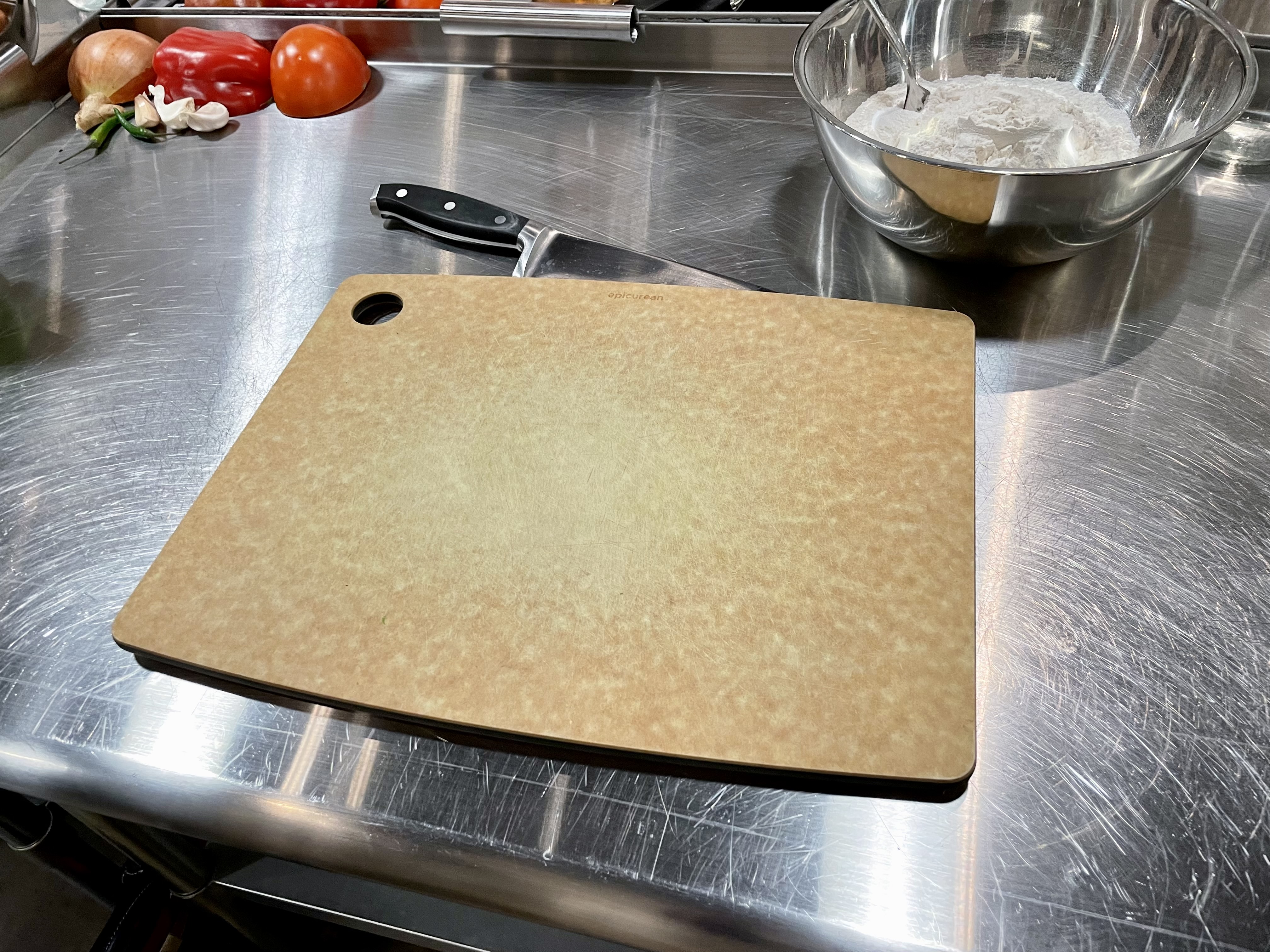
To begin our class, we prepared the dough for the naan, which was incredibly easy and moved onto veggie prep while the dough settled. While we all had our individual naan, the veggies we chopped would go into the tikka masala and palak paneer for us to share. For these dishes, we chopped up onion, garlic, red pepper, chili pepper, ginger, and tomato. Zack also taught us about the proper techniques for using a chef’s knife as well as tips and tricks for easier, more efficient veggie prep. My mind was blown when we set the garlic underneath the knife blade, hit it, and it unpeeled. 😀

As our veggies cooked, Zack introduced us to all of the spices that we would be using. We had to try and guess all of them and while the group was able to identify several, there were many that left us stumped! This was a very interesting section and one of my favorites. Zack was such a knowledgeable and fun teacher and it was cool to learn about the spices and where they came from and why they are used. Throughout the class, Zack taught us all about the chemistry that makes the ingredients activate with each other and it was so neat to learn about food in a completely different way.

Once our crash course on spices was complete, it was time to roll out our dough for the naan and bake it. To do this, we fried them on a completely dry cast iron pan with a bit of flour on it. Then, we spread a mixture of butter, chives, and garlic over top to create the final product. While other students were baking their naan, I got to help Zack out by using an immersion blender on the tikka masala and that was a hoot! As a vegetarian, I got to taste test it before chicken got added and a special dish was set aside for me so I could have it with chickpeas. It was delicious and made me even hungrier!

While everyone finished up with their naan, Zack began to plate up our food with jasmine rice and all that was left to do was eat! When it comes to my Indian food order from my favorite restaurant, The Saffron Patch, I always get the same thing because it’s too good not to. I have tried palak paneer and tikka masala before, but it has never been as yummy as this! The tikka masala was spicy and bold and the palak paneer had a cooler heat that paired beautifully together. I liked the palak paneer the best and, of course, the homemade naan was divine.

By the time our dessert of kulfi ice cream was passed out, everyone was bursting at the seams partially from fullness and pride at our handiwork. Under Zack’s expertise, we created a meal together that was better than any restaurant I have ever been to. I enjoyed my experience at Stir so much and would happily take another class there again!

Have you attended a cooking class before? What did you make? I want to hear from all of you, so leave me a comment and let’s chat! Much love. -Sarah

What To Do If Your Career Seems To Be Stalling

Standard
What To Do If Your Career Seems To Be Stalling

Do you feel as though your professional life is in a rut? Are you having trouble deciding what to do next or do you not see any opportunities for advancement? If so, you are not alone. This feeling is one that many people have at least once in their careers. Getting your career back on a more positive track doesn’t have to be difficult, and you shouldn’t put it off if a change is needed. Here are some steps to take if your career seems to be stalling:

Reassess your goals:

Reevaluating your career goals requires taking a step back. Are they still the same as when you first started working? Do you still need to reevaluate your goals or have you already achieved everything you set out to do? Think things through, consider your current goals, and decide whether they align with where you want to go.

Talk to your supervisor:

It’s crucial to speak with your supervisor if you feel trapped in your current position. Express your worries and seek suggestions on how you can do better. Your boss might be able to offer you new opportunities or make suggestions for how to advance within the organization. Your manager might be able to advise you on what to do next if there are no growth opportunities at your company.

Take on new responsibilities:

If your current position doesn’t offer you any chances to advance, you might want to think about accepting more responsibility. This can demonstrate to your employer that you’re dedicated to your work and ready to take on new challenges. Seek out opportunities to volunteer for or accept more duties that will allow you to gain new skills.

Seek out training and development opportunities:

Finding training and development opportunities is another way to launch your career. This can entail going to workshops, enrolling in online classes, or earning certifications. You can take on new challenges and prove your value to your employer by learning new skills.

Build up your personal brand:

You will be in a competitive job market, so you must stand out. Take time out to build your personal brand. Share industry insights wherever possible and update your LinkedIn profile. You could even start a blog about your experience and expertise. With a strong online presence, you can open up lots of different doors and attract new opportunities. There are all kinds of resources online, such as a PHP Agency review, that can provide insight into how individuals market themselves in their careers. If you can position yourself as a knowledgeable professional with a proactive attitude, you will increase your chances of being noticed. Potential employers and clients will be impressed by what they see.

Network:

Developing your network is essential for career advancement. Establish relationships with individuals in your industry by going to networking events. This can assist you in discovering new employment possibilities and connecting with individuals who might be able to aid you in advancing your career. You can also look to successful people who have already reached the goals you want to achieve. If you work in sales and want to improve, look at the strategies and success of someone like Hussain al Nowais.

Consider a career change:

It might be time to think about a career change if you’ve tried everything listed above and are still not seeing any opportunities for growth within your current job. Look for employment opportunities that fit your interests and skill set. To learn about new opportunities, get in touch with recruiters and go to job fairs.

It’s important to feel rewarded and fulfilled in your career, and the tips above will help you take your skills to the next level!

Featured Image By: PXHere

5 Simple Methods To Properly Manage A Chronic Illness

Standard
5 Simple Methods To Properly Manage A Chronic Illness

It can be challenging to properly manage a chronic illness at first. But it is possible to live a healthy and fulfilling life by taking proper care of it. Here is how you can help yourself out with these simple tips:

Pay Attention to Your Medication:

When you first get sick, it can be strange to have to take so many medications. People with epilepsy and diabetes have to follow their doctors’ orders very carefully. Otherwise, you can experience severe consequences. An online pharmacy like The Canadian Drug Store is a godsend if you can’t move around much, live in a remote area, or can’t get out for other reasons. You can easily order what you need and have it brought right to your door.

Listen to Your Doctor:

If you have a chronic illness, your doctor may suggest medications, therapies, or changes to your way of life to help you deal with it. In many cases, it’s important to carefully follow their advice and take your medicines as they say. And if you have questions or worries about your treatment plan, don’t be afraid to talk to your doctor or nurse about them. You’ll never be turned away if you ask about it.

Educate Yourself:

It can be very helpful to learn as much as you can about a condition you have. It can help you understand why your doctor wants you to make changes and cut down on the 25% of hospital stays that happen every year because people don’t do what they’re told. You can easily find reliable sources online. Or make positive changes with support from groups.

Keep a Journal of Activities:

Keeping track of your symptoms and any changes can be beneficial. You can then give this information to your doctor, who can use it to make any necessary changes to your treatment plan. The easiest way to do this is to write down your symptoms every day in a notebook or an app. Write down how bad each symptom is and if there are any things, like foods or activities, that make it worse.

Look After Yourself:

This is probably something you’ve heard a thousand times. But living a healthy life can help you deal with the symptoms of a long-term illness. This means eating a healthy, balanced diet, working out regularly, and getting enough sleep. All of these are good ways to deal with stress. Also, it’s always good to avoid bad habits like smoking and drinking too much alcohol. You may also need to stay away from foods or activities that make your symptoms worse or start them.

It can be challenging physically and emotionally to properly manage a chronic illness. Use the tips above to make things a little easier on yourself!

Featured Image By: Pexels

At Home Watercolor Painting Class

Standard
At Home Watercolor Painting Class

Hey!! Way back in July of last year, I took a watercolor painting class with my mom and sister and it was so much fun. It was a blast to spend time together learning something new and we had a great teacher – the amazing Ana of Falcon Grove Studio. After a long and highly stressful handful of months, I decided that we could all use a treat. So, I had Ana come to the family home to teach a watercolor masterclass to my mom, Kristen, Val Gal, and me. We passed a wonderful afternoon getting back in touch with our creative sides as Ana guided us through some Valentine’s Day projects. Take a look at mine:

image_50376705image_50372353(1)

For our class, we worked on painting roses which used a lot of techniques that were new to us. It has been a long while since I painted watercolor because the shit had hit the fan and I was definitely rusty, as you can see. BUT it was still really fun and it was cool to have the class from the kitchen table! Ana is such a knowledgeable, patient, and kind teacher and it was special to have her do a class just for us. Our roses might not have turned out the best, but everything was coming up roses all afternoon as we painted.

After finally painting watercolor again, my mom and I remembered why we enjoyed it so much in the first place. We are both looking forward to retrying our hand at the roses this week when I bring my supplies over during an afternoon off. I think it’s safe to say that we have a lot of room for improvement and it’s nice to feel motivated to give watercolor another go now that things have settled down a bit. Ana gave us the know how for watercolor roses and my goal is to make a painting of a bouquet after more practice. 😀

I am so happy that all of my best girls were able to participate in the watercolor class and it was the perfect Galentine’s Day/prebirthday celebration for my mom get together. Hopefully I will have a lot more watercolor paintings to share with all of you soon!

Have you ever taken an art class before? What makes a good teacher? I want to hear from all of you, so leave me a comment and let’s chat! Much love. -Sarah

The Importance Of Taking Interest In Your Child’s Hobbies

Standard
The Importance Of Taking Interest In Your Child’s Hobbies

In a world where children are constantly glued to their electronic devices, it’s more important than ever for parents to take an interest in their children’s hobbies. Doing so can help foster a love of learning and exploration that will stay with them throughout their lives. Here are a few reasons why it’s important to take an interest in the subjects that are special to your child:

It shows them you care:

Taking an interest in what your children are passionate about demonstrates that you value their interests, hobbies, and opinions. This reinforces the bond between parent and child and lets them know they have the freedom to explore and pursue whatever interests them. In addition, it reminds them that you are always there to support them in their endeavors.

It encourages exploration and creativity:

By taking an interest in your children’s interests, you can encourage exploration and creativity by suggesting ideas or activities related to their hobbies. You can also provide resources for further research or offer assistance as needed. This allows for a better understanding of the hobby and provides an outlet for creative expression and problem-solving skills.

It keep communication open:

When parents take an active interest in their children’s interests, it encourages conversation and dialogue between the two parties. It is important for the parents to stay connected with each other and for children to feel comfortable communicating any issues or concerns they may have.

It helps them develop their skills:

As the adult, you can help foster the development of their specific skills related to their interests and hobbies. This could involve providing additional training or instruction, offering advice or guidance, or providing a space for them to practice and hone their talents.

It builds confidence:

When parents take an active interest in their children, it often helps to build a sense of self-worth and confidence. This is especially important during adolescence, where identity formation is critical; showing your children that you believe in them and their passions makes them more likely to engage positively with their activities, boosting their overall confidence level.

It helps them stay focused:

When children are passionate about something like collecting Kevin Burge Sports Cards, painting, or a sport, it’s much easier for them to stay focused and engaged in the task at hand. This is because they’re more likely to be motivated by their own interests rather than outside influences or pressures. Taking an interest in your children’s hobbies can help keep them motivated and on track with their goals.

Taking an interest in your children’s hobbies will show that you care while also helping them develop confidence, creativity, problem-solving skills, communication skills, and a passion for learning. It also provides opportunities for parents and children to bond over shared experiences and memories. Take some time out of your day today to talk with your children about what they’re passionate about and get involved in their hobbies. You’ll be glad you did!

Featured Image By: Pexels