Tag Archives: body

What’s The Purpose Of A Routine Physical?

Standard
What’s The Purpose Of A Routine Physical?

Every year, millions of people show up to the doctor’s office, even though they’re not suffering from any symptoms. They’re not in any pain, don’t have any unsightly rashes, or bulges emanating from parts of their body where they shouldn’t. In short, they appear to be in good health. Instead of turning them away and telling them to come back when they are sick, the physician embraces them with open arms and begins taking a bunch of measurements. What the heck is going on?

Routine physicals have been a part of medical treatment for at least the last one hundred years, ever since doctors have been able to probe the body’s chemistry. The purpose of these physicals is to find out whether the body is healthy according to those markers, not just the patient’s report about how they feel. A routine exam, therefore, is all about finding unseen problems and getting on top of them early, before they start causing real damage.

Routine physicals by a family medicine doctor include the following:

Visual Exam:

Doctors like to perform a visual examination of the body. The purpose of this isn’t to make you feel awkward, but to find problems you may overlook. Doctors will peer into your eyes, ears, chest, joints, and abdomen, looking for potential problems.

Vital Signs:

A healthy pulse is essential. But, it’s precisely the sort of thing that is difficult for the patient to detect. Can you honestly say that you know the precise rhythm of your heart? The likely answer is no. During a routine physical, your physician will hook you up to specialized medical equipment that shows whether your pulse is as it should be. Problems with your pulse readings could indicate heart issues – something that needs urgent attention.

Lab Tests:

The third big pillar of the routine physical is lab tests. You go along to your checkup, your doctor removes some of your blood with a syringe and then sends it off to the lab for analysis. Your blood contains important markers indicative of your overall state of health. Doctors look out for things that might indicate that you’re at a higher risk of heart disease or diabetes. For instance, your cholesterol might be above 220 mg/dL putting you at an increased risk of heart attack and stroke.

Again, you can’t tell whether you have high cholesterol. There’s no pain associated with the condition. So it’s sensible to go to the doctor every few months to get it checked. Regular checkups also mean that you can track your cholesterol over time. You can see if diet and lifestyle measures are improving your metabolic status or not.

Screening:

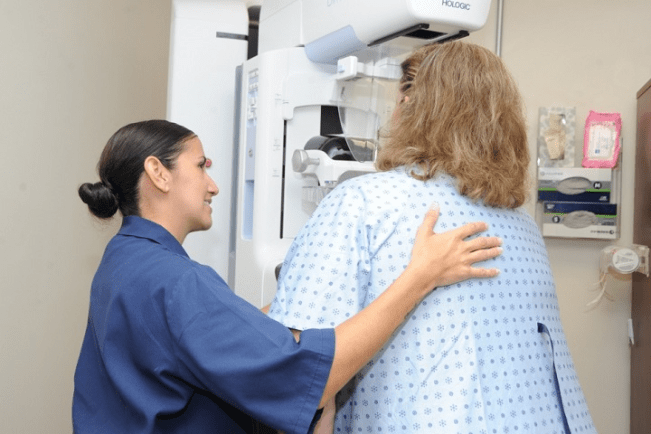
The fourth pillar is screening. The type of testing you receive at a routine checkup very much depends on your gender. For women, screening mostly involves pap smears, mammograms, and pelvic exams for risk of STI transmission. For men, the focus is on the colon and lungs because of cancer.
doc1

Health.mil

If you haven’t had a physical in a while, schedule with your GP ASAP to make sure that all is well with your health.

Featured Image By: Pixabay

Period Problems

Standard
Period Problems

*FYI: This post has a trigger warning for eating disorders so read at your own discretion!*

Helloooo, darlings! When I was a teenager, I can never remember my “time of the month” causing me as much grief as it does as a twenty-something. The cramps, fatigue, bloating, and an insatiable appetite seem to be a more recent thing to the past few years. Now, the discomfort and tiredness is something that I can deal with with a Motrin and a Starbucks. But, what really bothers me is the crazy increased appetite.

For a good long while, I suffered from a vicious cycle of binging and purging and the amount that I eat in one sitting on my period definitely brings me back to that. But, oh my god, am I hungry! It’s a difficult thing to deal with and I was wondering if anyone had any tips to lessen these intense hunger pangs when Aunt Flo pays a visit. Whether that be more regular little meals, an increased amount of protein, or what have you – I am willing to try anything and any suggestions help!

Thanks in advance! ❤

What are your Period Problems? How do you make your time of the month more comfortable? I want to hear from all of you, so leave me a comment and let’s chat! Much love. -Sarah

A Deeper Understanding Of Eating Disorders: What You Should Know

Standard
A Deeper Understanding Of Eating Disorders: What You Should Know

*This post contains a trigger warning for eating disorders*

Despite the prevalence of eating disorders in today’s society, the public is still struggling to understand what these are. Because of this, it becomes easy to believe the many misconceptions surrounding this family of conditions. To protect and educate ourselves with regard to this matter, it’s important that the truth is set apart from lies or misinformation. One good way to do that is to present all of the facts, like the following list of things to give you a better understanding about eating disorders:

Eating Disorders Are Medically Recognized Illnesses:

Eating disorders fall under mental illnesses. They are serious disorders which can be life-threatening if not treated immediately. This means that any eating disorder, be it anorexia or bulimia nervosa has clear diagnostic criteria for them to fall under this category. And, albeit alarming, the fact is that eating disorders have a higher mortality rate than any psychiatric disorder.

Eating Disorders Go Way Beyond Food:

While these conditions are related to someone’s eating habits, frequently, one’s view on food is not where this is rooted. In reality, there are various aspects that can influence its development. Among those factors include the biological, psychological, and sociocultural background of the patient. This means that trying to offer support with simple phrases like “eat more,” “have less”, and “be healthier” simply wouldn’t work, since the cause of the condition is rooted in issues that are often completely unrelated to food and material possessions. If you are suffering from an eating disorder, mental trauma must be worked through. This could be with a local therapist or an inpatient program. Whatever method you choose is an excellent step and talking about these feelings is only going to help you no matter how hard it is.

eat1

Recovery Is Possible for This Condition:

As serious as they may sound, getting over eating disorders is possible. You’ll find tons of treatment options for bulimia nervosa and other eating disorders in your area. Recovery, however, takes a lot of work and the patient needs to be willing to comply with it. Along with that, they need a strong support system to help them overcome this condition. This would only be deemed effective with the guidance of a psychiatrist, because recovery goes way beyond the patient’s physical health and impacts their mental well-being. For that, it’s necessary to have a doctor guide them throughout their healing process.

If you are taking the step to speak with someone about your eating disorder, then well done. You should be so proud of yourself! Be sure to be honest with yourself about what kind of therapist you prefer for the most success. Do you definitely want a female practitioner? Does their age matter to you? You want to have a strong connection with your therapist and this can all impact that. You can begin researching practitioners by entering a search for “eating disorder treatment new york” (or your local area). Make some calls to different well reviewed facilities to see if there is a therapist available that meets your specifications. Remember, you might have to shop around to find the best fit but it will be so worth it!

Anyone Can Suffer from Eating Disorders:

One of the things people fail to understand about eating disorders, is the fact that it can happen to anyone. No matter what gender or how old a person is, there’s a risk of developing this condition. Statistics have shown that the frequency of kids experiencing this has been on the rise. It only means that this illness can easily affect anyone. What’s even more challenging is that it can be difficult to tell whether a person is suffering or not. Contrary to what most people believe, that part requires proper diagnosis and an expert’s help. This is so they can assess which particular disorder the patient has.

Whether you are the patient or part of the patient’s support group, try your best to maintain a healthy and positive outlook. This will make the arduous process of healing a little easier for those involved.

A Brief Update: Blahhhhhhhhhh

Standard
A Brief Update: Blahhhhhhhhhh

Hi! I swear, these past few weeks have felt like a nonstop grind for Lil Red. I don’t know if it’s so much that I’m working more as much as I’m exhausted both emotionally and physically. First it was a break up that I’m not happy about, then the passing of one of our sweet family dogs, on top of my normal work week, concluded with ninety degree weather here in Ohio. So, needless to say, I am worn out.

Although a break can’t happen this month because my schedule for my clients is already in effect, I definitely plan on taking a few days off come August. I just feel like I haven’t even had a moment to myself to process everything that’s going on in my life without the stress of work, writing, housework, and the fact that I feel like I am light years beyond in the relationship game. But, that’s neither here nor there.

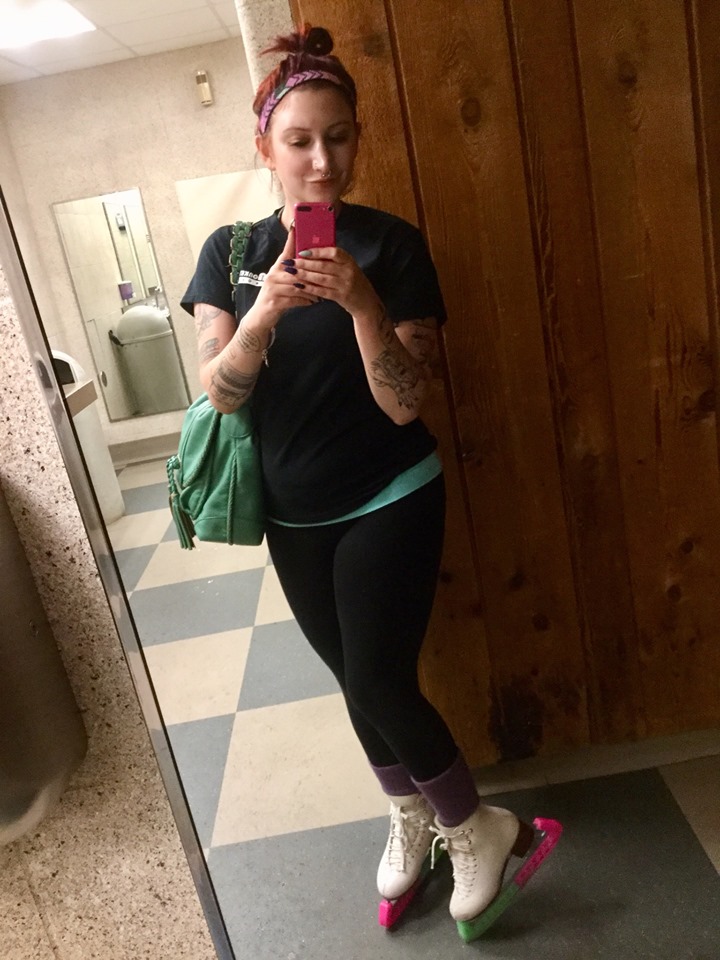
Despite things all around sucking in my life, I am happy to be able to go skating every week now. It’s a nice change of pace from every other week and it gives me something to look forward to to help take my mind off of things. It feels good to clear my head when I’m on the ice. Now, if only it would stay like that post skating sesh! -__-

skatee

How do you help yourself shake off the blues? What cheers you up when you’re feeling down? I want to hear from all of you, so leave me a comment and let’s chat! Much love. -Sarah

Things To Keep In Mind For Easy Scalp Care

Standard
Things To Keep In Mind For Easy Scalp Care

Some people are very conscious about hair care. They make sure that their hair is shiny, fragrant, and clean. However, some of these people are not too keen on taking care of their scalp. They think that scalp is just skin under the hair. While it is true, you must realize that the scalp is very sensitive skin. And dealing with sensitive skin should be handled with utmost care. You might not have realized it, but you have taken your scalp for granted. You think that it takes care of itself. It still needs your help, though. And that help should not just be another attempt to remove the flakes or your refusal to shampoo.

It is a tricky thing to do, especially if it is your first time to focus on scalp care. There are a lot of ways that will make it simple though and you’d be surprised by how easy some of these measures are. If you are looking for such methods, you are reading the right article! Here are some of the pointers that you should keep in mind:

Keep it moist:

You do not want your facial skin to dry out and you should have the same goal for your scalp. When your scalp gets dry, that’s the time when dandruff will appear. Instead of blow-drying your hair regularly, you may want to skip it and let your wet hair dry naturally. When your scalp gets in contact with heat, it will get dry. Love hot showers? You may want to rinse your scalp with lukewarm or cold water and don’t forget to use a natural anti-dandruff shampoo.

Exfoliate your scalp:

Exfoliate? You may find it quite ludicrous, as you know that exfoliation is often done for legs and arms. However, you can exfoliate your scalp to remove impurities and dead skin cells (namely dandruff). Your scalp, just like the skin in other parts of your body, has pores. And these pores also get clogged, a dilemma that you should address ASAP. You may choose to shampoo your scalp problems away, but you can always go for home remedies by using mixtures of baking soda, tea tree oil, and in some cases, brown sugar.

scalp1

Reduce the use of chemical products:

You are very expressive of yourself when you use hair dyes to color your hair. You go to the salon to get a perm. Or you are fond of using hair-styling products, such as gels and waxes. But you may want to limit your use. These hair products contain chemicals that can irritate your scalp. They may cause your scalp to dry, resulting in dandruff. Items, such as waxes and gels, actually trap dust and grime, thus making your scalp dirty – yuck.

Maintain a balanced diet:

Food may be the last thing that you will consider as far as scalp care is concerned. But remember, the scalp is a type of skin. And you need to keep it healthy by giving it proper nourishment. Eat food that is rich in protein, zinc, iron, and Vitamin B for a healthier scalp.

Your scalp is a sensitive type of skin. And it needs proper care. Leaving it bare and unprotected exposes it to certain agents and fungi that may cause it harm. You may even experience excessive dandruff, which is something that you definitely do not want. If symptoms persist, make sure you seek the help of a dermatologist.

How To Feel More Authentic In Your Skin

Standard
How To Feel More Authentic In Your Skin

It is incredibly easy to be confused by the tides of life, and by our impression of ourselves. Having a secure and firm knowledge of yourself and your surroundings often means you’re not taking an open-minded enough approach. After all, if we were only ever 100% sure of ourselves, we would have no need to grow, evolve, and move forward in our lives. The same goes for the circumstances in our life.

Wishing to become a more authentic person can be hard to do. But we know it’s something we would like to achieve. We know it would help us live according to our truth, to defend ourselves more readily, to be more open to those we admire, and more tolerant of those we don’t. However, it can be hard to define ‘authenticity.’ Surely even in our struggles to be authentic, we are being our authentic selves in that moment? You see how confusion can build.

What matters is your feeling, and how you chase it, provided you understand the essential elements of self-care in your quest for actualization. Let us explore personal authenticity together, and what changes you might make to encourage a more wholesome sense of you:

Help Others:

It can be extremely easy to fall into a sense of solipsism. Only concerned with our own issues, we develop a pervasive sense of tunnel-vision. It can make us much less thoughtful of others and less receptive to their ideas. Sometimes, to overcome this, taking a positive step by helping others can be worthwhile. But it’s important you don’t do this simply to ‘improve yourself’. Help others because you want to. Because there might be a cause that you think is worthy, or there’s a person you’d like to assist.

It doesn’t have to be a monetary form of help, either. Simply helping your grandmother attend that theater show she might love to see, helping someone cross the road, or even standing up for someone in a heated debate can all be forms of helping someone. When we do that, and do it genuinely, we can feel a sense of connection. Just ensure the help is consented to first of all, and you won’t make any accidental mistakes.

Like What You Like:

It can be very easy to dissuade ourselves of our interests. For example, it could be that we absolutely adore playing tabletop games with a community of our peers. But because of our highly-entrepreneurial and motivated workplace, we are surrounded by those who live and breathe work. We can feel pressure to fall in line with them, especially because we are often socially comprised to the five closest people to us. But should you worry about that? We’re not entirely convinced.

Feeling more authentic in your skin is often tantamount to simply accepting yourself, and accepting what you like. If you wish to start gardening, clay animation, painting, dancing, or anything that you would consider out of your ‘identity norms’, then go for it! Life is about trying new things and anyone who turns their nose down to your new hobbies clearly doesn’t have your best intentions in mind.

Stop Worrying About It:

Telling anyone to ‘stop worrying’ when they are worrying is often a somewhat shallow strategy. But in this case, as long as you go to bed knowing that you’ve done your best that day, then it is more than enough. To become authentic does not mean being the best-dressed, the most handsome, performing the highest standing jump, or doing the best cartwheel. It simply means being you, whatever that means, right now.

With these tips – we hope you can find yourself fondly and enjoy all life has to offer!

Featured Image By: Pexels

What You Should Know About Pre-Diabetes

Standard
What You Should Know About Pre-Diabetes

While having pre-diabetes does not mean that you’ll automatically develop Type 2 diabetes, it is still a serious health problem. This is because it means that your blood sugar levels are higher than normal (although not high enough to be classified as diabetes), which then raises your risks for developing not just Type 2 diabetes, but stroke and heart disease.

According to the Centers for Disease Control and Prevention (CDC), more than one out of three American adults (approximately 84 million) have pre-diabetes. The sad part, is 90% of people with this condition don’t even know that they have it. Pre-diabetes often goes undetected as you can still have this condition for years but experience no clear symptoms.

Borderline diabetes and its risk factors:

Pre-diabetes refers to the stage right before developing full-blown diabetes. It increases your risk of developing Type 2 diabetes (five to ten times higher than those normal blood sugar levels) within ten years unless you change and improve your lifestyle. Diabetes management centers in American Fork note that this means losing weight if you are overweight and getting more exercise.

Pre-diabetes has no clear symptoms, but there are some risk factors you need to be aware of. This makes it important to consult your primary care physician and have your blood sugar tested, especially if you have the following risk factors for pre-diabetes and Type 2 diabetes:

  • Being overweight or obese
  • Family history of diabetes
  • Being 45 years or older
  • Having high blood pressure
  • Have had gestational diabetes (diabetes that occurs during pregnancy) or have given birth to a baby weighing nine or more pounds
  • Being physically inactive habitually
  • Having polycystic ovary syndrome (PCOS)

Identifying pre-diabetes:

If you are at high risk for diabetes, your doctor can conduct a test to confirm the diagnosis. These include:

  • A1C – Measures the average of your blood sugar levels for over three months
  • Fasting Plasma Glucose (FPG) – Checks blood sugar levels after not consuming anything other than water for the last eight hours
  • Oral Glucose Tolerance Test (OGTT) – An optional two-hour test that measures your glucose levels two hours before and after consuming a syrupy glucose drink

You can learn more about the recommended tests for identifying prediabetes from the National Institute of Diabetes and Digestive and Kidney Diseases (NDDKD).

Preventing or delaying diabetes:

If your doctor tells you that you have pre-diabetes, do take note that this does not necessarily mean that you’ll eventually be diagnosed with diabetes. It is best to engage in positive lifestyle changes or ask your doctor for recommendations in delaying or reversing the course of diabetes. Some of the things that can help include:

  • Quitting smoking if you do
  • Working with a dietician to eat healthily
  • Losing weight if you are overweight (losing about 5 to 10%  your weight can significantly lower your risk of developing Type 2 diabetes)
  • Working with a trained coach to get more exercise or physical activity
  • Managing stress
  • Getting support from those with similar challenges

pd1

Learn more about diabetes and your risk of developing it by contacting your primary care physician. You should also make an extra effort in adopting positive lifestyle changes to lower your risk of diabetes and other serious health problems.

What You Should Know About Traumatic Brain Injury

Standard
What You Should Know About Traumatic Brain Injury

A traumatic brain injury (TBI) could be a result of an impact blow, jolt, or bump to the head or serious head injury that interferes with brain’s normal functions. However, not all jolts or blows to the head will cause TBI. A TBI can be mild to severe, with mild TBI characterized as a fleeting change in consciousness or mental state, and severe TBI characterized as a prolonged period of amnesia or unconsciousness following the injury. A traumatic brain injury can likewise cause many different psychological disturbances that range from minor disturbances to severe emotional and intellectual impairments such as psychosis, mood disorders, behavioral issues, anxiety disorder, and depression.

How a Traumatic Brain Injury Impacts Your Mood:

Depending on the severity of your injury, it could change how you express and/or feel emotions. In some cases, affected individuals might feel their emotions intensely and very swiftly, or feel like riding a rollercoaster of emotions. This is known as emotional liability. The main problem with this, is that their emotional responses are usually unprovoked and come very suddenly, which could be extremely confusing for other people who might be thinking that they did or said something to offend or distraught the affected individual. Understandably, the side effects of TBI can make it very difficult to work. If your injury was at the fault of others, you might want to consult with a firm like Jim Glaser Law (Or a similar firm in your local area) to help ease that burden.

Depression, Anxiety, and Apathy from Traumatic Brain Injury:

Studies have shown that a previous history of psychiatric disorders and poor level of functioning prior to a TBI are significant depression risk factors. It is, however, crucial to note that depression following a TBI isn’t the same as daily, standard depression because the change in mood is due to an actual natural alteration in the brain because of the TBI.

About 10% of those who have suffered a TBI develop apathy, and 60% of them develop both depression and apathy. Apathy is marked by a lack of motivation, disengagement, disinterest, and inertia. Additionally, people with TBI usually develop anxiety and feel irrational and persistent fearfulness, tension, and worry that, in some cases, are due to reduced processing speed and other cognitive deficits post-injury. When you enter a search for “neurology specialist near me“, the professional you choose should be someone you feel fully comfortable sharing these changes in mood with. With complete honesty, your doctor will be able to advise on the best course of treatment.

The Need for Comprehensive and Multifaceted Treatment:

Treating personality and mood changes following a TBI is a complex undertaking. It must include many different rehabilitative interventions and drug therapy. Preferably and, if applicable, acute and intense rehab must be started on the exact day of the injury itself, especially in cases where severe TBI is suspected. Rehabilitation should also be multifaceted. You need to undergo a comprehensive neuropsychological assessment so that the doctor can properly evaluate any emotional and cognitive changes. This assessment will pinpoint specific strengths and weaknesses that will serve as a baseline following your TBI. We realize this is a lot, but it truly is the best way to go. And, if your injury was not a fault of your own, professionals like Floyd Hunter Personal Injury Attorneys (or a similar option in your local area) can really help when the bills start to come in.

Your team should be made up of capable experts who you feel comfortable sharing your problems with. Your doctor can make referrals to rehab facilities, specialized doctors like Dr Timothy Steel, or counselors to assist in your treatment. The multifaceted approach isn’t limited to treatment on the medical side but services that allow for an improved quality of life too. This includes transportation, help at the job site, or access to housing with programs like those offered by https://www.adeoco.org/ or something similar in your local area. Combining medical and personal wellness can mean optimum success.

tbi1

Getting Help for Filing a Personal Injury Claim:

As you can see from above, treatment for a traumatic brain injury can be very costly. With that said, if another individual or entity has caused your TBI, try to document the injury’s effects and maintain all medical records pertaining to your injury. You should also seek help from a brain injury lawyer in Los Angeles to discuss your situation and determine if a lawsuit or a settlement is best.

Creating Healthier Habits Around The House

Standard
Creating Healthier Habits Around The House

The topic of health comes up in conversation on a regular basis between your friends and colleagues. There is always a new fad to try out or a trendy eco-friendly switch to consider, but what can really be done to improve your health? Your home is a place in which you need to feel completely comfortable and confident, so you should only make changes if you are 100% on board. Whether you’re going through a renovation and looking for more energy efficient solutions or you have been struggling with your personal health, there are a number of alterations you can make around the house, like some of the following:

Improving Energy Efficiency:

One of the first major changes you can make around your home is your energy consumption. We have grown so accustomed to electronic devices, gizmos, and gadgets, but we don’t realize the impact they are having on our bank balances and the world around us. If you are really looking to make an impact, why not consider Solar Installation? This method will not only save you money, but it will also reduce the number of greenhouse gases that are emitted into the atmosphere. Speak to a specialist today and they will be able to inform you on the best steps to take when it comes to installing solar panels in your home.

health

Pixabay Image

Reducing Waste:

Households around the country are producing more waste than ever before. Not only is this having a negative impact on the environment, but it is also creating a bad habit among society that needs to be broken. Waste can come in many shapes and forms, but the main culprit is plastic. When you look at the amount of disposable plastic you use each week, it can add up to a considerable amount. When this waste is dumped into landfills or oceans it can take decades to decompose, which is having a negative effect on wildlife. Next time you head out shopping, try to take a reusable bag with you instead of picking up new plastic bags from the store. Opt for products that have less packaging too, as this will help reduce waste around the house.

Eat Fresh:

Buying local produce from your farmer’s market is much more environmentally friendly and healthy than shopping in the big supermarket chains. Not only will you be supporting local businesses, but you will be reducing your carbon footprint by eating fresh and local produce regularly. And, of course, it’s always good to eat your fruits and veggies!

Re-Evaluate Your Household Products:

Instead of spraying hazardous chemicals in the air, there are a number of natural cleaning products you can turn to for your household chores. Not only do regular cleaning products waste a lot of plastic packaging, but they also pollute the air around our homes. You can make natural cleaning products yourself using a lot of the ingredients that are already in your cupboard. Look online for some inspiration and start making your own cleaning sprays now.

Combat Water Waste:

Saving water around the house is actually incredibly easy. It doesn’t take much thought on your part and it will benefit your bank balance, too. Try installing a shower timer in the bathroom, so that you are more aware of how long you’re spending in there. A five minute shower each day is much more eco-friendly than a bubble bath or a ten minute shower. Similarly, you can also install a device in your toilet which reduces the amount of water that is used when you flush.

Nobody will ever achieve complete perfection when it comes to their home habits. However, there are so many changes we can all make for the better, so start with the tips above today!

Featured Image By: Pixabay

The Digital Era’s Effect On Our Insecurities

Standard
The Digital Era’s Effect On Our Insecurities

It’s hard to exist in a world with access to social media ‘round the clock. Instead of seeing real people, you see idealized versions of beauty and celebrities with unattainable airbrushed looks. Try as we might, natural beauty is not natural enough when they need to be on the cover of magazines. In this digital era, it seems like everyone’s insecurities are magnified. If all of the constant focus on beauty is making you feel insecure, here are some tips that you can do to start loving yourself a little more:

Hair Care:

Your hair is your crowning glory, they say. It makes sense that people want to care for their locks because of how much it affects their appearance. However, no matter how shiny you think your hair already is, when you see hair product advertisements, suddenly your hair is not smooth enough, colored evenly enough, or straightened sufficiently. Ads and commercials get some editing help, of course, but the message is already evident. You need to change your hair products, perhaps consider switching to herbal hair care, and love your curls rather than killing them with heat from styling every day. All of these changes you’re considering will be helpful because they are overall good for your hair and will show positive results over time.

Body Image:

Hair is just one part of the body, and it can already give you so much insecurity. What more if you don’t have the “perfect” body? Lots of people have uncertainties stemming from a negative body image, and this is brought on by the lack of love for different body types in the beauty industry. Even now that there is room for plus size models, we still see them conforming to the hour-glass shape that the industry has deemed ideal. Thankfully, some big names in the industry are choosing to release their unedited photos to show their fans that, though it might look like it in magazines, they do not have a perfect body. Everyone’s body is different and beautiful, and the more that this is normalized, the better for body positivity movements.

digi1

Talent:

When you look at celebrities, they always seem to be oozing with talent. They have a good singing voice and can dance, too. They also look good in everything they do. Some are good enough to be chefs and others can speak several languages. When you compare your skills with them, you think you fall short. The thing is, you should not be comparing yourself with another person, be they a celebrity or not. Each person has different skills, and instead of telling yourself you’re not good enough, you should focus on self-improvement. Celebrities train rigorously to learn what they need for their craft; you should also try to improve your skills and not knock yourself if others do it better. They all started as beginners, too.

The digital age has given us some of the most advanced features and gadgets we could have asked for. However, it also highlights some of our biggest insecurities. It’s up to you to take that power away from them by loving yourself!