Tag Archives: therapy

Feeling Blah

Standard
Feeling Blah

Hi everyone and happy Sunday! Is it just me or are any of you guys feeling totally blah lately? I recently started going to therapy at the beginning of October and it has had me in quite a tizzy. That, on top of the changing weather, the darkness that falls in the early evening, and the stressers of daily life has left me feeling completely lackluster.

Now, I get it, life isn’t always sunshine, puppies, and rainbows (I wish!) – but that doesn’t mean that having the blues doesn’t freaking suck! Everything in Lil Red’s world at the moment has just been that step below average. So the not good but closer to bad doldrums have hit me like a ton of bricks. And once those feelings make camp in your head, it’s so hard to shake them.

I try not to be a complainer and god knows I try to just grin and bear it, but boy is it exhausting. I have found solace in Netflix and chilling with myself in between my work schedule but I think that I have become wayyy too comfortable just sinking into the couch and trying to forget my worries in a binge watching session.

So how does one peel themselves off of their futon and start taking life by the horns again? Shit, I don’t know! That’s why I’m asking you guys! Lol, but seriously I need to take a deep breath, get up, and just go. Yes, it’s easier to lose myself in a Saw movie marathon but it would be better to do things that are good for me to clear some of the fog in my head. But, man is it hard sometimes!

What do you do to ease some of the blahs in your brain? How do you get yourself going again after a stint with depression? I want to hear from all of you, so leave me a comment and let’s chat! Much love. -Sarah

Featured Image By: Pinterest

The Old College Try

Standard
The Old College Try

Hi everyone and happy weekend! So this past Thursday I decided to give going to see a therapist a shot. Things in Lil Red’s world have been anything but perfect lately, so I thought I would try my hand at going to have a chat with a professional for the first time in years. Don’t get me wrong, I have friends that I can talk to when I’m feeling GLUM, but who wants to spend BFF time rehashing the most depressing stuff ever? Not me.

I saw a therapist all throughout high school and shortly after and it always seemed to help. And, I have to say, that it definitely felt good to be able to unload some major burdens onto someone who doesn’t know myself or my family a couple of days ago. I’ve been feeling incredibly overwhelmed and depressed as of late and I’m over it. I’m stressed out constantly and I need to just be able to vent to someone and then get up and walk away from it until next time.

I felt a little bit better after my first hour long session on Thursday, which is way better than feeling one hundred percent miserable. AND I have my appointments scheduled for the rest of September and all of October to work on getting these blues shaken away. I felt pretty proud of myself for actually attempting to do something instead of just wallowing in my own misery until things start to get better. I am definitely looking forward to next week’s session!

I’m giving therapy The Old College Try again and I’m excited to start making some improvements for myself. How do you deal with the major blahs? Has therapy helped you now or in the past? I want to hear from all of you, so leave me a comment and let’s chat! Much love. -Sarah

Featured Image By: Pinterest

Meaningful Career Ideas For Those Who Care

Standard
Meaningful Career Ideas For Those Who Care

Do you ever feel like you want to give something back to society? If so, you are in excellent company. While many people are driven to forge careers in helping people from an early age, others often take a while to come to a decision. There are plenty of stories of incredibly successful people who trade in their career to contribute more to society, and if that sounds like something you would like to do, then there are a multitude of options. The big question is – which meaningful career will mean a lot to you?

Sure, you could become a doctor, attorney, or professor in any field you like. But if you are making the decision to change careers mid-life, you have to bear in mind that it could be difficult to make such a leap, due to the financial implications – and your own personal responsibilities. So, let’s take a look at some of the other options available to anyone who wants to make a switch and start helping others out:

Teacher:

Preparing the nation’s youth for a healthy and prosperous life is a vital role, yet one that is often pilloried. However, don’t believe the expression ‘those that can do, those that can’t teach’ – nothing could be further from the truth. Teachers are pivotal to the success of this country and watching your students grow and become young adults is a highly rewarding career. If you have experience and life skills or have excelled in your field, why not think about becoming a certified teacher and helping large groups of kids achieve great things? Since the pandemic, teaching can be done online too. Perhaps you might like to Teach English Online for a few hours a day from the comfort of your home. It would be an excellent way to get a feel for if this is something you would like to do on a full time basis.

care10

Pexels Image

School Counselor:

On the subject of schools, teaching isn’t the only role that can make a difference to people’s lives. School counselors are becoming an important part of the education system, and it’s a well-paid role that will allow you to help students overcome their problems. Personal development and education is such an important part of growing up for kids, yet the sad truth is that many of them struggle. Whether it’s due to problems at home, behavioral issues, or any other matter is irrelevant – but as a school counselor, you will be responsible for helping those kids to make the best of their abilities while working on the things that trouble them.

Medical Assistant:

Let’s move on to health care. It’s an incredibly safe career to get involved in, given that it is entirely recession proof – everyone will always need treatment for illness or, in the case of medical assistants, ambulatory or emergency services. On your medical assistant training, you will learn how to work with patients under the direction of a physician in a setting similar to an emergency room. You will complete paperwork for patients, do things like administer medication, check vital signs, and assist in minor surgeries. In short, you will assisting in emergency services in the vast majority of cases – it’s a highly important role.

care11

And you’ll learn how to work that thing!!

Licensed Practical Nurse (LPN):

A Licensed Practical Nurse’s role is similar to that of a medical assistant, but there are a few key differences. There’s plenty of additional info out there that describes these subtleties, but mainly, you will work under the direction of a Health Care Provider or a Nurse. Just as a medical assistant, you will help with medication and checking vital signs, but you’ll also be responsible for personal hygiene and providing ongoing care to patients. The key difference, however, is the setting that you will work in – most LPNs work in clinics rather than emergency rooms.

Therapist:

There is a therapy for any illness, condition, or injury, so your choice of options here is vast. For those interested in psychology and the mind, becoming a CBT professional could be an attractive option, where you will coach people through their problems by changing the way they think. A counselor or therapist for mental health is also a great option. This could be a private practice or in a hospital or recovery center that features Knightsbridge Mental Health Furniture for each patient’s comfort. For those more interested in treating injuries or other physical conditions, why not consider a physical therapist role? There’s speech therapy to consider, too, where you will be helping people overcome vocal problems. If you prefer working with people long-term, on a one-to-one basis, a therapeutic career could be an ideal choice.

care12

Don’t forget about massage therapists!

Paralegal:

Finally, paralegals are vital to the legal profession, yet remain mostly anonymous. No, you won’t get the stardom and hotshot status of being a prosecuting or defending lawyer – but you will be integral to their success. A paralegal’s role involves supporting lawyers behind the scenes, researching evidence and statements, and ensuring that paperwork is up to date for each case. It’s a field with plenty of prospects, too, and some paralegals even decide to resume their studies and become attorneys.

There is a vast world of caring careers out there, and the above list is just scratching the surface. Do your research, study hard, and end up with the career of your dreams!

Identifying When Your Friend Might Need Your Support

Standard
Identifying When Your Friend Might Need Your Support

Despite the immense potential and beauty that life can offer, and does offer all of the time, sometimes we all must enter periods of sadness, sorrow, and doubt. This can trigger from a range of different problems, and we all experience it now and then. Not everyone can be functioning at 100% all of the time, and periods of depression or isolation can actually serve for the greater good in the long-term. If you’re going through a period of depression, that previous statement must be apologized for in terms of its bluntness, but not it terms of its message.

Trivializing depression is always wrong, but robbing it of all complete perceptive value would be wrong, too. Overcoming a depressive episode can make you a stronger, more down-to-earth person. Remember, a tree’s branches can only reach as high as its roots go. A person who has successfully made it through a depressive episode is likely to come through the other side better off in some ways. It can be a purifying fire, that forces you to prioritize what is important to you, who is important to you, and how you can best live your life with wisdom and foresight.

However, this doesn’t mean that being depressed isn’t real. If you’ve been through feelings of despair yourself, you’ll know about the support that you hope for but usually can’t articulate your desire to retrieve. As a friend, it’s important that you keep an eye on your other friends or roommates to make sure they are okay and doing well. Here’s what to look for if you notice a change for the negative in your loved ones:

Change In Physical Appearance: Depression can rob you of many things, not the least your physical vitality. If you’ve noticed that your friend lacks their usual vitality, they could be deeply depressed, or even worse, they might be turning to substances to overcome their issues. This never works in the short or long term, but is a tempting process for someone who feels that they have no escape.

Communicating your concerns can be difficult to approach in these circumstances without seeming hostile. Living with a prescription addict can be even worse, because they can often get a sanctified, legal way to obtain their habitual maladies. To overcome these issues, try and help them get help through any means necessary. Inform their GP and family. Be there for them. If you have to, organize some form of stay-in recovery. Depression culminates in many ways, and people take it differently depending on their personality. Another sign to look out for is:

Withdrawing From Social Life: Withdrawing from standard social discourse is a good sign that tells you that someone isn’t functioning at 100%. Another sign is keeping an odd schedule, such as replying to your messages on social media at the early hours of the morning. A symptom of depression is late sleeping and late rising, so be sure to look out for this. Even introverted people need social contact, so complete withdrawal, especially if said person used to be social, can be taken in a number of ways.

Communicate clearly to the person that you harbor no ill-will for them limiting themselves or withdrawing, but let them know that you are worried about them. Never stop inviting them to places. Consider doing activities inside with just the two of you. Try and open up conversation as much as possible without being annoying. See what you can do to be present. Even if they don’t show it, they’ll likely need you far more than you think.

Sometimes, the best remedy as a friend is your simple presence. However, sometimes it requires more than that. Be sure to identify which one will be more helpful and take further action when needed. What matters is your observation and your willingness to help your friend through thick and thin.

Featured Image By: Flickr

Improving Your Emotional Well-Being, Starting With You

Standard
Improving Your Emotional Well-Being, Starting With You

While the world is still full of many wrongs – many things we would alter, tweak, and change – we are moving in the right direction on so many critical topics, not least of all mental health. Funding, awareness, openness, and the battle against its stigma. These are all ways in which we are improving as a society that realizes the debilitating outcomes for those unlucky enough to be preyed on by their own mind.

But the one thing that can have the biggest influence above all is you. Sure, that may sound cliched, but what’s wrong with that? Cliches are just truisms. Of course, the only way that you can help yourself on an emotional level is knowing how you can take better care of yourself. Get that right and your well-being will follow.

The Word ‘No’: We are taught to say ‘yes’ from an early age. Taught that the word ‘yes’ brings with it opportunity and adventure, and this is true. However, it is important to respect the word ‘no’, too. By learning when and how to say no with grace and understanding, you will find it much easier to fit in the things that you want and need to. There is never enough time or energy to do everything. So in order to enjoy saying ‘yes’ you need to know how to say ‘no’, as well.

Go Outside Every Day: When you are trapped in the vice-like grip of depression or anything of that ilk, the idea of crawling out from under the duvet and leaving your bed can be unfathomable, let alone leaving the house. However, research has proved that spending time outdoors can boost your energy and emotional strength, while also giving you a heightened sense of well-being.

Make Big Waves: Mental health issues can manifest in so many different forms, including severe dependencies. Escaping this crux can be as tough as it gets, so don’t be afraid to make big waves and take big steps. Seek help. Speak to therapists. Look at that extended stay treatment at Beachway. Approach counselors. Your mental health and emotional well-being is the most important thing that you have, which is why you shouldn’t accept any compromises. Asking for help is a sign of strength, not weakness.

If you think therapy is the right step for you, it doesn’t hurt to look at several different options to find the best fit. You might find that the practices at Life Redefined Clinical Counseling or a similar facility in your local area speak to you. Or perhaps the therapist you had your first appointment with wasn’t the right match. It’s okay to shop around so trust your instincts until you find the best person to help you.

Get Lots Of Sleep: Studies have shown that you should get at least seven and a half hours of sleep each night. This is because sleep deprivation, whether it be broken sleep or chronic insomnia, can lead to weight gain, a loss of focus, feeling unstable, and a general lack of productivity. If you manage to get into a good sleep pattern, not only will you feel better, but you will be better too.

Respect Yourself: We neglect ourselves without even realizing it. That is why you should start making a conscious effort to treat yourself in the same way that you treat your family and closest friends. Imagine how you would help a friend that was suffering in the same way that you are. We’re talking about offering yourself compassion, respect, kindness, and advice. Pushing yourself to be a better you is important, we can’t deny that. But being hard on yourself is different. Being hard on yourself only encourages guilt and can harm your emotional well-being to no end.

Every new aspect of your life starts with you, including improving upon your mental health. Make goals, challenge yourself, and take the steps necessary to start a lifestyle in which you are kinder to yourself.

Featured Image By: Pexels

5 Tips For When You’re Worried a Friend Has a Mental Illness

Standard
5 Tips For When You’re Worried a Friend Has a Mental Illness

It is, unfortunately, just a fact of life that so many people are suffering from mental conditions. These problems can affect people from all backgrounds and demographics. You really can’t know who is suffering and who’s not just by looking at what they have or how much money they earn. If Prince Harry of England can suffer from mental health issues, then anybody can. When it’s your close friend or partner, sudden changes in their mood and outlook on life can be glaringly obvious to you. Here are five tips for handling that situation, should it arise (we hope it doesn’t!):

Talk It Out:

People have a hard time opening up about mental health problems, which is one of the problems in the first place! So it’s unlikely that your friend is just going to spill every single detail about what’s going on inside their mind, especially if they like to put on a front that everything is all good. If you suspect that something’s up, have a conversation with them. A real one. They might just have a small issue that they just need someone to listen to. If it’s more serious than that, then you can take it further. For example, a major cause of mental illness is childhood abuse. If this is something that your loved one confided in you, you might want to read this helpful article about Understanding Childhood Abuse and Mental Health so you can be a better support system.

Give Positive Energy:

If a friend is suffering from something that’s not nice to deal with, then they will obviously be in a dark place. While it’s not easy to be your bright and cheerful self around someone incapable of matching your enthusiasm, it’s important that you bring all of the positive energy you can muster when you’re around them. This doesn’t mean being loud and suggesting a wacky adventure every time you’re with them; it means being calm, thoughtful, positive, and suggesting activities that might boost their mood. It won’t be easy, so patience is definitely a virtue.

Encourage Them To Get Help:

Sometimes, a friend will be suffering from problems much more threatening than mild depression, for instance. It might be that they need to get professional help. Unfortunately, they might not go down this path if they haven’t accepted that anything’s wrong. When that happens, help them see for themselves that something isn’t right. If you suspect your friend is suffering from schizophrenia, have them take a self-screening test from schizlife.com here. When they don’t feel attacked and can be honest with themselves, they might be more willing to seek professional help for their problems.

Don’t Get Too Close:

While it’s important that you do everything that you can to make sure your friend is okay, you should avoid getting too close to the situation. This is especially relevant if the friend is your boyfriend or girlfriend. It’s important that you keep a healthy distance, for their sake as well as your own, as sometimes your own mental health can suffer when looking after their other half. Make sure that you take care of you, too.

You’re There For Them:

Above all, make sure they know that you’ll always be there for them. Some people’s conditions flare up, and they need to know someone is there for emotional support. If you let them know that you are available, night or day, then they’ll have an extra dose of comfort knowing that they’re not alone in the world.

Mental health issues can be scary, and as a friend or partner it is your duty to show support to a loved one who is struggling. Life is not always sunshine and rainbows, but you can definitely try and help it to be!

Featured Image By: Pexels

High Tension: How To Deal With Stress More Effectively

Standard
High Tension: How To Deal With Stress More Effectively

There are few people in the world who would deny that life can be pretty stressful at times. Between work, family, socializing, and all of the other aspects of life that you find yourself coming into constant contact with, even the good parts of it can make you a bit frazzled. Unfortunately, for a lot of people, these stress levels can get to be entirely too much. While a little bit of stress here and there isn’t really going to do anyone much harm, it’s surprisingly easy for it to build up into something much more dangerous. Stress can easily go from an inconvenience to something that causes problems for your personal relationships, your work life, and your health. There are plenty of people for whom stress becomes so serious that it can lead to long-lasting consequences.

The question, then, is how to deal with it. How can you prevent stress from taking over your life and well being? Well, there’s no single answer, and every person’s experience is different. Here are some of the best ways that you can go about beating stress and preventing it from wreaking havoc in your world:

Change Your Perspective: A lot of the time, the only difference between a minor inconvenience and a major source of stress is your attitude towards it. If you respond to every problem in your life with anger, worry, and tension, then those problems are going to start to seem far bigger and more complicated than they really are. There are plenty of ways to adjust your perspective on things. A change in your lifestyle or the addition of a mood support supplement can allow you to feel much more emotionally in control, which can make daily problems less scary. By being able to take a step back and observe the problems in your life from a more honest, objective perspective, you’re in a much better position to figure out how best to deal with them in the future.

stress

This reminds me of the movie, Labyrinth! :*)

Get Organized: One of the worst things that you can do when it comes to stress is to hide your head in the sand. While it might seem like a good option at first, all it’s going to do is turn a small problem into a big problem very quickly. If you want to deal with stress, then the best thing to do is to get organized. Organizing yourself and prioritizing things that need dealing with will make it less likely that you end up in a position where you feel out of control. Give yourself to do lists and deadlines to deal with certain causes of stress. By avoiding letting yourself make excuses for why you’re not dealing with things, you get them out of the way much faster and more conveniently, which can be a huge weight off of your shoulders.

Ask For Help: There’s an old saying that goes “no man is an island”. This means that no matter what your gender is, you can’t face every problem all by yourself. There is absolutely nothing wrong with needing to ask for help from people around you. This might be needing the help of a co-worker to finish a difficult task. It might be reaching out to a family member or friend for emotional or even financial support, or it could be scheduling an appointment with a doctor. Nobody likes going to the doctor, and it’s made even worse when you’re stressed about an intimate problem, like ED. ED is more common than you might think in men, however, so there’s no shame in visiting an ED Clinic Lehi (or your local area) if you’re having problems in the underwear department. If you’re feeling especially overwhelmed, you may even want to reach out to a qualified professional who can help you figure out the best possible way to handle the stress that you’re dealing with.

While many people mistakenly believe that asking for help is a sign of weakness, it’s actually a sign of true strength because it shows that you’re willing to do whatever it takes to deal with the stress and problems that are getting you down. Eventually, you’ll be in a position where you can deal with many causes of stress yourself. But by reaching out to other people, you can often lighten the load enough to get back on your feet.

stress1

Friends don’t let friends get stressed out!

Try Stress Busting Products: There are plenty of things out there that are designed to actively combat stress. If your stress is extreme, unprovoked, or you’re finding that you’re really struggling, you should reach out to a doctor who may be able to diagnose any underlying conditions and provide prescription medications. If your stress is manageable, but you’d rather not feel so stressed all of the time, consider the best CBD oil on the market.

CBD and cannabis products are quickly becoming a popular option for reducing stress. These types of products are also more accessible than ever with dispensaries and online shopping options. There are a variety of ways to use them through vapes, edibles, or opting to buy thca flower. Finding the right option for you might take some trial and error but can prove to be an effective way of dealing with stress.

Of course, there are always going to be causes of stress in your life no matter what you do, that’s just something everyone has to come to terms with. However, with this advice, you can avoid that stress from becoming so serious that it actually starts to have a negative impact on your life as a whole. Then, you’ll be able to carry on with your life, free from the kind of tension and pressure that far too many people deal with every single day.

Want to Help People? Here’s What to Study

Standard

Some people just have a huge heart. If you’re thinking of going to college, you might not know exactly what you want to do yet, but you do know that you want to help people. If helping others is what you want to do with your life, you have many options to play a part in improving the lives of other people. Some careers that will help others take place behind the scenes, perhaps as part of scientific research or even administration. Others involve much more interaction with people who need help and care and are much more hands-on. If you want to go into a caring profession or help others in any way that you can, here are some fields of study which you might want to consider:

Types of Study: Depending on what you think you might want to do with your life, you don’t necessarily need a degree. Some professions require you to have a college education, whereas others might ask that you have specific training or experience. You can study your chosen area of interest in different ways, too. Even if you want to get a bachelor’s degree, you can study it online instead of having to go on campus. Many people improve their education in their evenings and spare time while they work. You might decide to spend around four years doing a bachelor’s degree at college and, perhaps, even go on to postgraduate study. Or you could do a shorter associate’s degree for some subjects. There are lots of ways to study and to reach your desired career path, although some have paths that are more set in stone than others.

Getting a Nursing Degree: For many people, the first caring career that they think of is nursing. Nurses can do a huge range of jobs, from supporting doctors in hospitals and clinics to working in nursing homes or out in the community. This is a degree that can take you to many different places. To become a nurse, you have to get a degree in nursing, which could open you up to a wide range of specialisms. You need to be registered to practice, which proves that you have the qualifications that you need. During a nursing degree program, students will get to experience a range of patient care scenarios to prepare them for the work force. If you’re looking for a quicker route into the healthcare field, you might consider training to become a certified nursing assistant, which allows you to gain hands-on experience with patient care.

help

Such a flight attendant pose!

Do You Have What It Takes to Be a Doctor? If you’re considering working in a medical profession, you might also have considered becoming a doctor. Some people start thinking about it long before graduating high school, whereas others might not think about it until after they’ve completed their undergraduate education. Qualifying as a doctor takes grit, especially if you want to work in a high-pressure field like emergency medicine or surgery. Not everyone makes it, so it’s important to be sure about what you want to do before you start your medical degree. There’s no doubt that you’ll help lots of people as a doctor, but it also needs to be the right career choice for you.

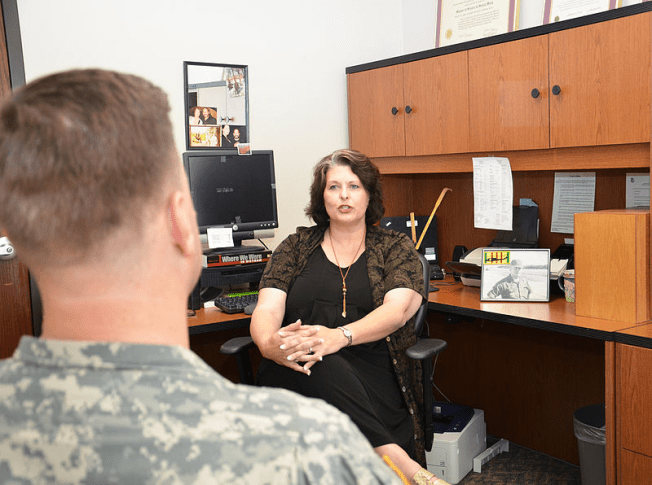
Human Services: Not every caring profession involves working in a hospital or medical environment, or even working with sick or injured people. Many caring professions involve various supporting roles, which help to deliver services to the people who need them. This could be in areas such as social services, family support, veteran affairs, or elderly care. If you want to work in community outreach and help to connect people to services that they can benefit from, a degree in Health and Human Services could be right for you. This degree teaches you how to help people with a number of challenges in their life, from disabilities and illnesses to difficult home situations. It could lead to a career working with people of all ages, from children to the elderly.
help1

Wikimedia Image

Admin, Management, and Support: There are also lots of other roles in health care, caring, and social work that are more behind-the-scenes. There are careers in management, administration, and support that might appeal to people who don’t want to be as hands-on as a nurse or carer might be. It could still involve working with people who need help and doing a lot to improve people’s lives, though. Some specific fields of study to consider include Healthcare Management, Medical Billing and Coding, and Health Information Technology. Facilities like the Portobello Institute (or a similar learning institute in your local area) offer facilities management courses to get you started on your career path. These careers can still often require plenty of compassion, as you might be making decisions that affect people’s lives.

Studying Pure Science: What about being a scientist? It wouldn’t necessarily mean that you work directly with people who need help. However, it could mean that you do a lot to help the people who need it. Working in scientific research can give you opportunities to help people by furthering understanding of medical conditions and diseases and developing and testing medications and treatments. If you want to work in scientific research, you might consider a Biology degree. A science degree could also lead to working in laboratories, hospitals and medical clinics.

help2

SCIENCE!

Social Work: Outside of healthcare, one of the professions that many people who want to help others consider is social work. It can be a tough career, but there can be plenty of rewarding moments. People often think of working with children and families when they think of social work, but it can involve working with anyone who needs help. A social worker might help people with disabilities or perhaps people who have experienced an abusive relationship. They can work with elderly people or people experiencing health issues. A bachelor’s degree in Social Work is a necessary foundation, while some roles in schools or clinical work require a master’s degree. Like many caring roles, social workers also need to be licensed by their state.

As you can see, there are a lot of education requirements for social work but it is well worth it if this is your passion. Every lesson and lecture, every study session with Social Work Exam Strategies, and every essay written will get you one step closer to achieving your goal. Social work is a field that requires your complete dedication and if you can’t dedicate yourself to your studies, it might not be the best choice for you.

Education: Another way to help others is to assist them with their education. This could mean working with children, but there are lots of ways to begin a career in adult education. If you want to teach children or teenagers, there could be several different education paths which you can consider. High school teachers are often required to have a bachelor’s degree in the subject that they want to teach, perhaps with a minor in education or a qualification in a program that prepares them to teach. If you want to teach kindergarten or elementary, a bachelor’s degree and teacher education program would probably be necessary, as well. Some specialist education areas might include teaching English as a second language or teaching music, which you could do for both adults and children.

help3

Knowledge is power!

Counseling: When people need help, they don’t always need assistance with physical illnesses. Sometimes, they require help through talking therapies, whether it’s to help with a mental illness or just personal problems. Being a counselor or therapist is one option that you have if you want to help people work through their problems. Counselors can help people with their relationships, give school guidance, help with addictions, and much more. Although you can start off with a bachelor’s degree, many counselors also have a master’s degree and even a PhD.

Ministry: Some people want to help others in a more spiritual way. If you’re religious, you might consider some form of ministry. If this is something that interests you, entering the career might involve attending a specialist institution or school, such as a seminary. However, some people might begin by studying theology or even philosophy. If you want to offer religious leadership and guidance, it’s best to look into the structure and rules set out by the religious organization that you’re a member of. Different groups and churches may have their own ideas on what qualifies you to help others.

Law: If you want to help people, another area to consider is the law. There are many areas of law in which you could practice and several of them involve helping people to get justice. You might consider criminal law, in which you can also help people on matters such as accident claims and other civil matters. Of course, to be a lawyer, you need to go to law school. There are also other careers and roles that you might consider, though. For example, you could look into being a paralegal or a legal secretary. These still involve some legal knowledge, but you don’t have to study for as long.

help4

#justiceisserved

Emergency Services: If you think that you can handle a high-pressure and fast-paced job, you might consider a role in the emergency services. For several of these roles, you’re unlikely to need a college degree. You will have to complete the necessary training and education, though. You could consider roles such as an EMT, firefighter, or emergency call responder. Some people take on these jobs as full-time careers, while others do them while studying to help them pay for their education. It can also give valuable experience for future careers and opportunities.

People who like to help others can use their career to change people’s lives in many different ways. You can choose to study a variety of subjects at college or find other ways to get the skills that you need to positively impact someone.


6 Ways To Soothe Your Anxious Mind

Standard
6 Ways To Soothe Your Anxious Mind

It is estimated that almost one-fifth of adults in the USA suffer from an anxiety disorder. Anxiety is the most common mental illness. Fortunately, it is highly treatable, and there are practical steps you can take to ease the symptoms.

What Is Anxiety? Anxiety is an umbrella phrase that we use to describe feelings of unease, fear, and worry. It is part of our flight or flight response and is a perfectly natural reaction. Without it, our life could be in danger as we would not be able to perceive danger. However, it can become a problem if it begins to limit your life in some way. Common symptoms include:

  • Feelings of intense fear and panic
  • A general sense of unease
  • A feeling of foreboding
  • Problems sleeping
  • Heart palpitations
  • Dry mouth
  • Feeling on edge or not being able to sit still
  • Nausea
  • Headaches and other aches and pains
  • Tense muscles
  • Feeling light-headed or dizzy
  • Sweating
  • Panic attacks

anxious1.jpg

 Unsplash Image

How To Tackle Anxiety:

  1. Seek Help: If you feel that you’re suffering from anxiety, the first step is to seek professional help. Your doctor can refer you to a psychologist or therapist. Alternatively, you can approach a therapist directly. Psychologists help to identify the underlying problems and take steps to fix them. Always seek professional help if you’re unsure or if you feel like you can’t deal with an issue yourself. If you have feelings of suicide or self-harm then emergency help should be sought immediately. Anxiety by its nature can feel insurmountable. However, it is highly treatable, and you will feel better again. If you are ready to see a professional, simply enter a search for “anxiety therapy near me” and keep in mind that you might need to try a few different therapists until you find the right fit for you.
  1. Identify The Triggers: If you’re feeling anxious a lot of the time, try to identify the triggers. When the feelings arise, notice what is happening in your life. Are you at work? Are you with a particular person? Is it the situation that is stressful? Try to identify the feeling and work out what your fear is. It might not be practical to remove yourself completely from that situation. But you can change the way that you react and think about it. This is something that a therapist can help with.
  1. Take A Break: It’s impossible to think clearly when you’re overwhelmed by anxiety. Your mind becomes cluttered with thoughts and feelings. Try to take a break from the situation. Step outside for fifteen minutes and try to clear your head. Take some deep breaths and than try to better assess the situation.
    anxious2.jpg

Wind in the hairrrr!

  1. Imagine The Worst: It sounds counterproductive but sometimes imagining the worst-case scenario helps. If you can imagine the worst and figure out how to deal with it, it can take away some of the fear of all of the “what ifs?” in your life.
  1. Don’t Mask It: When we’re feeling constant fear and worry, it’s natural to turn to a quick fix. This may be smoking, drinking, taking drugs, etc. Though you may feel a short release from the problem, you’re only masking it. Your anxiety won’t go away. It will only come back again later and you’ll have additional problems to deal with. Masking is a common coping skill when it comes to any type of issue but it won’t be beneficial. When you enter a center for depression and anxiety treatment, you will be able to learn new coping skills to ease triggers and remove the ones like masking that were hindering you.
  1. Take Care Of Yourself: Find ways to take care of yourself. This could be doing something you really love or getting a massage. It could be as simple as taking time out to read a magazine. Whatever works for you, practice it often. Though it won’t necessarily resolve the problem, it will help you feel more at ease. Research has shown that meditation and yoga can also help anxiety.

anxious3.jpg

Pixabay Image

Identifying that you suffer from anxiety is the first step. Noticing and being aware of this is part of the process of feeling better. Though we can’t remove our fight or flight response, we can develop strategies to deal with the unwanted effects.

Featured Image By: Unsplash

Life, Career Choices, The Boring Stuff!

Standard
Life, Career Choices, The Boring Stuff!

Life, Career Choices, The Boring Stuff!

It’s come to the point where I want to think about what I want to do with my life. Not just as a way to earn money (although I would love to make money by lying on a beach sipping champagne or making music. I’m not picky!) but what I can do that has those things that people’s parents talk about so much. You know, those words like stability, progression, and preparing for the future…As boring as they sound, I guess they have a point. So, I thought to myself, what do I want to do with my life? They say that you spend a third of your life working, so you’d better make it count, right? So I’ve been doing some research into what I might want to do. I started by just typing “fulfilling careers” into my search engine and then I went on a little job journey. Here were some of the careers that intrigued me:

Counselor: As cool as my guidance counselor is, I don’t mean spending my days doing that. Therapy and helping people out has intrigued me. And looking further into it, you need to have so many people skills to be able to do the job properly. I mean, you spend your days talking to people who are relying on you to fix them! That’s a lot of pressure. But the rewards come from helping someone out who might have depression or anxiety, and after they spend time with you, they’re able to go through life happy, and that’s a BIG DEAL.

Midwife: Looking at medical jobs would be pointless, I thought. You’ve gotta spend many years training to be a doctor or a nurse and what if you don’t even like it after all that? Then I saw that you could do a job helping mothers deliver their babies. And what’s more rewarding than that? Spending your days (and nights) delivering babies requires a couple of years training. Interacting with the parents and helping them through a tough delivery seems like such a rewarding thing. Seeing the look of joy on the mother’s face after you’ve helped them give birth to their child seems like payment enough!

Teacher: My teachers back in school must have had a hard time. The amount of homework they had to mark or if there was a student that was a complete nightmare must have been difficult to cope with. Saying that, if you get the job just right, the gratification you would have in helping someone on their life’s goal would be fulfilling. I used to think about some of my old teachers, “why are they still doing this if they are tearing their hair out with frustration ALL the time?” Well, it’s because they’re waiting for that one student to make it all worth it.

Nobody wants to be thinking about what to do with their lives, but when it comes to looking at a “normal” career, I think I’d want to be helping people make a difference in their life. It’s not a cool thing to say, but maybe my parents were right (don’t tell them I said that!).

What was your career choice when you were little? How does it differ from the job that you have now? I want to hear from all of you, so leave me a comment and let’s cat! Much love. -Sarah