Tag Archives: pro tips

Clear The Clutter & Improve Your Business

Standard
Clear The Clutter & Improve Your Business

As a small business owner, you’ve got a lot on your plate. You’re trying to do whatever you possibly can in order to have a steady future for your business. It’s a lot of hard work. Just think about it: you’re dealing with managing talent and employees, handling customer inquiries, juggling inventory, and keeping the finances in check; it can feel like you’re constantly spinning plates. If you don’t have a team, just yourself, well, the plates are about to overflow and keep stacking up!

When you’re busy and doing everything, clutter will happen more and more. Yes, clutter as in physical clutter like your workspace but technically your schedule too. Decluttering is not just for aesthetics. It’s not just for your house. You need this in your professional life too and it doesn’t always mean tidying up. It’s about creating a space that fosters productivity, creativity, and efficiency. Let’s explore how decluttering can transform your small business and the detrimental effects clutter can have on your operations:

Again, clutter can come in a variety of ways, from a daily cluttered schedule to your actual surroundings. You might be aware of the effects when it comes to your home, but it’s true for work, too. There are plenty of articles that say a “cluttered and messy desk means you’re a genius,” but no, don’t fall for that. It’s actually bad for you mentally.

Walking into a cluttered workspace can immediately elevate stress levels. There is absolutely no one who likes that! Piles of paperwork, scattered office supplies, and general disorganization creates a chaotic environment that can make you and your employees feel overwhelmed. When stress levels rise, productivity tends to plummet. A cluttered workspace can make it difficult to find what you need, leading to frustration and wasted time.

Clutter is the enemy of efficiency. When your workspace is cluttered, you spend more time looking for things and less time doing meaningful work. Imagine the minutes or even hours lost each week just trying to locate a specific document or tool. Over time, these little disruptions can really add up.

First impressions matter, especially in business. If a client or potential partner walks into a cluttered office, it can create a negative impression. Clutter can make your business appear disorganized, unprofessional, and unreliable. A tidy and organized workspace, on the other hand, conveys professionalism and attention to detail

Decluttering can be as simple as sorting through what you need and what you don’t or even just moving everything into reliable storage solutions until you need certain tools or equipment. But, of course, you’ll also need to learn how to let go of things that have absolutely no use. Space planning can help, too. For the most part, decluttering is a mental challenge more than anything else. So, with that said, how can it be good for business?

Decluttering your workspace can lead to a significant boost in productivity. When everything has its place, and you can easily find what you need, you spend less time searching for items and more time focusing on your work. Having an organized environment allows you to streamline your processes, reducing the time spent on mundane tasks and freeing up time for more important activities. Plus, when you can’t find something, it usually puts you in a bad mood, too, right? That will be a thing of the past!

There’s no guarantee that the stress will drop down by a lot, but it will at least drop down a little bit, and that alone is super helpful. To a degree, decluttering can create a sense of calm and control, reducing stress and anxiety. When your surroundings are orderly, it’s easier to maintain a clear mind and stay focused on your goals. This improved mental state can lead to better decision-making and overall well-being.

If you have a cluttered workspace, it’s going to be hard to create behind-the-scenes marketing content for your social media profile. Having a cleaner space makes it easier to create content and help give your social media pages a boost.

Decluttering aspects of your business is only going to help you – start now and reap all of the above benefits!

Featured Image By: Pexels

Finger Tattoos – Before & After

Standard
Finger Tattoos – Before & After

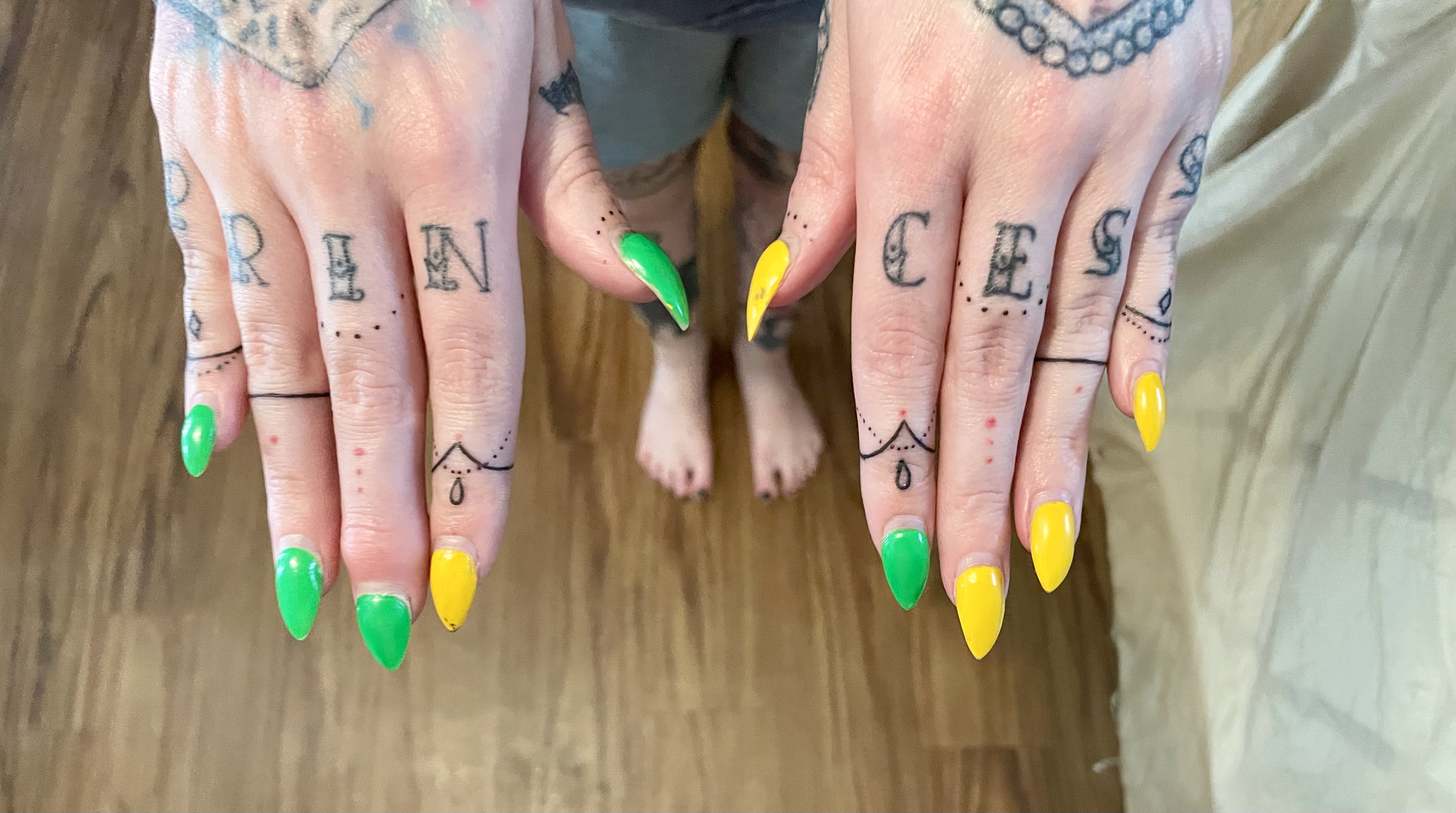
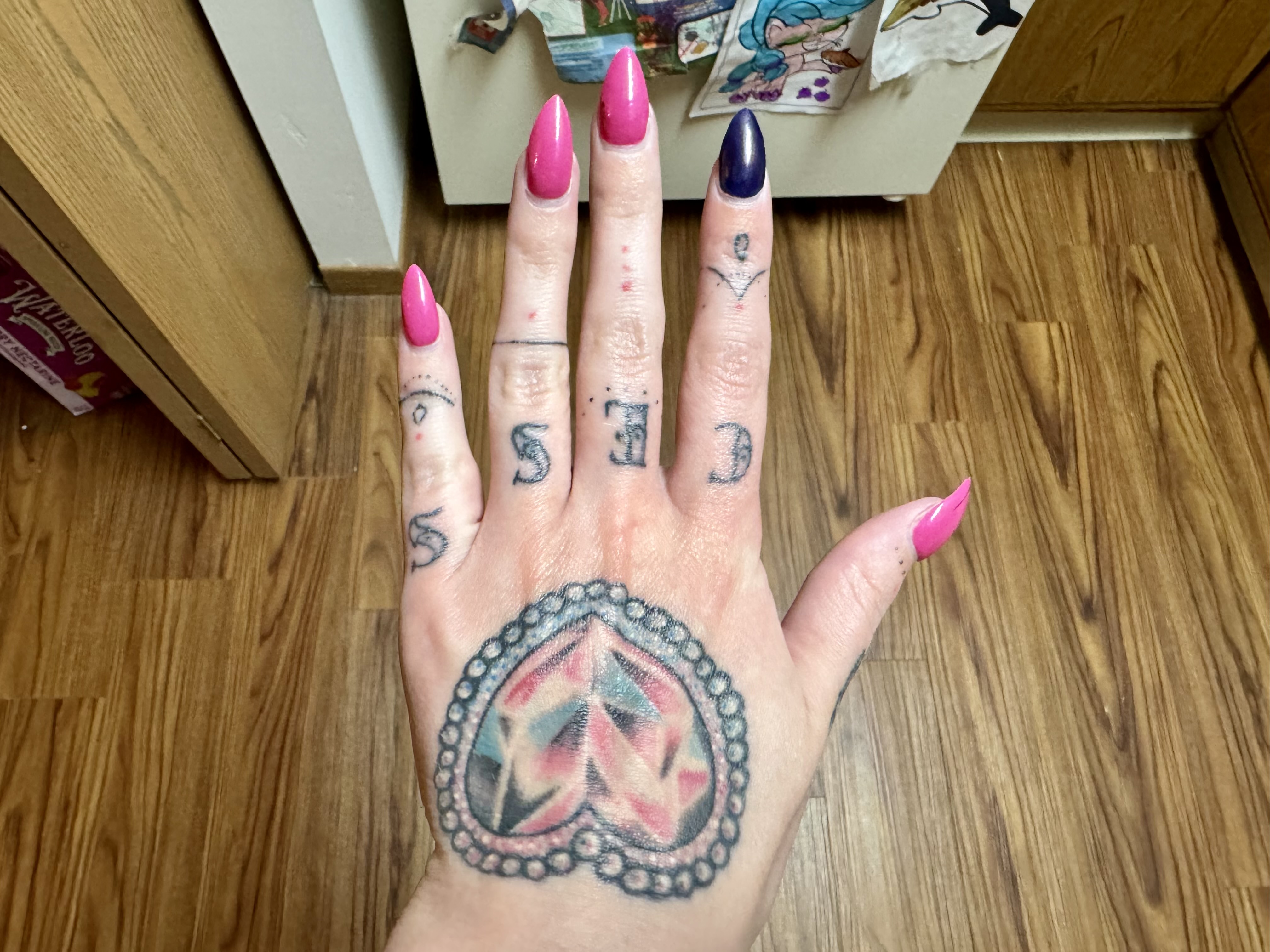
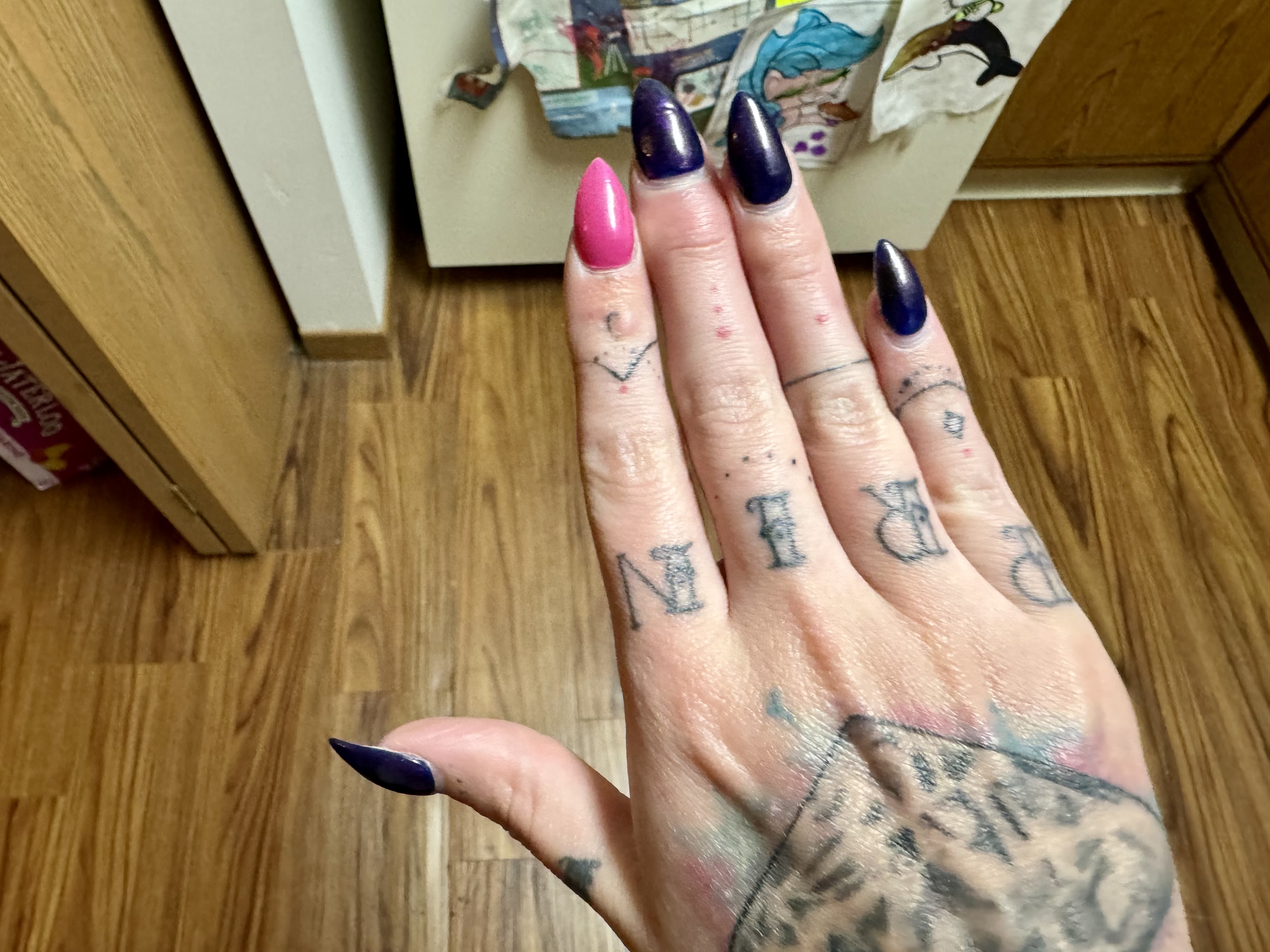
Hello!! In late April, I enjoyed a tap out tattoo session by my amazing artist, Emily, in her brand new shop called Vivid Visions. She got so much awesome work done and we scheduled some extra time for a few last minute additions a week later. During my extra mini session, we designed tattoos for my inner thighs, neck, and fingers together. It was SO neat to work side by side with Emily to create some tattoo magic and I am so happy with what we came up with. I was particularly excited to get my fingers done because they were looking quite bare. However, we all know that finger tattoos don’t heal the best!

I thought it would be interesting to show what my fingers looked like after they were freshly tattooed and how they look now over two weeks later. Check it out:

Fresh:

image_50380801(5)image_50395649(2)

Healed:

image_50429441(6)image_50441985(7)image_50430209(11)image_50397697(4)

^^^ Peep those cute nails!!

I consider myself to be an excellent “healer” when it comes to tattoos. A vast majority of my previous tattoos scabbed and itched minimally and required no touch ups. Finger tattoos are a whole different ballgame, though – especially for me. I spend a majority of my time during the week working on my computer or my phone and driving back and forth between clients. This makes finger tattoos not the most ideal because they are consistently rubbing on something. I was, of course, disappointed that several aspects of my new finger tattoos didn’t “stick”. Was I surprised? Absolutely not! The tattoos on my palms have been touched up at least five times and they still aren’t completely perfect. It comes with the territory – just think about how often you use your hands throughout the day!

I thought this post would be a good reminder for people considering finger or hand tattoos that you will absolutely, without a doubt need them touched up. It could be once or, in my case, multiple times to get the results you want. Please remember that this is no fault of the tattoo artist. Your hands are in motion all day every day, they are washed frequently, and the skin on your hands regenerates a lot faster. These are all major factors in your finger or hand tattoos not healing as well as if they were on a different location. If you aren’t interested in taking time for touch up appointments or aren’t okay with the results being exactly what you want, I would rethink your decision.

Hand and finger tattoos rule and I love mine. In fact, they are some of my favorites. I can’t wait to get a touch up appointment scheduled soon to get my fingers back to their former glory. I’m sure I’ll need to schedule several and it’s all good!

What is your favorite tattoo that you have? Which of your tattoos hurt the most? I want to hear from all of you, so leave me a comment and let’s chat! Much love. -Sarah

Interviewing 101

Standard
Interviewing 101

Hello!! One thing that I have always enjoyed doing is conducting interviews with people. In fact, my very first job when working with the special needs community was leading family interviews. I truly believe that I have been given the gift of gab and I love that my new job as Tim Misny’s social media manager allows me to do interviews a lot. Over time, I have developed some surefire techniques to ensure that my interviews go without a hitch. Let’s check them out so you can use them too!

Research:

When I know that I have an interview scheduled, I immediately begin the research phase. Who am I interviewing? What is the subject of said interview? How am I going to incorporate my findings into the conversation? Prior to meeting Tim Misny for the first time, I researched current cases he’s working on, his merch line, and the Cleveland City Mission which his merch line benefits. I was surprised when he gave me the time to chat with him further and thanks to my prior planning, he said it was one of the best interviews he ever had. That was the kickstart of a beautiful friendship!

Key Points:

One of the most exciting things about interviewing is that you can never know for sure which way the conversation will go. A majority of the interviews I do are just winging it, yes, but I do like to plan for a few key talking points too. Chances are if you are doing an interview, there will be some things you have to talk about. However, it is SO easy for those questions to go right out the window once the interview starts. To prevent this, I always make sure I memorize the must talk about subjects, find good ways to incorporate them into the chat, and knock them out early on in the interview so I don’t forget them lol.

Listen Up:

To be a good interviewer, you have to be an excellent listener. Interviewing is simply responding to what the other person is saying so if you aren’t fully grasping it, you aren’t going to have an effective interview. When the interviewee is speaking, I take it all in. Then, as the answer starts wrapping up, I use what I learned to ask the next question. It’s natural to want to interject when the interviewee is answering you so try to avoid that at all costs! It’s just going to make both of you stumble. And, remember, you are more than likely not conducting live interviews. If you need clarification on something, take a pause, ask your questions, and resume when you are ready.

Just So You Know:

The whole point of an interview is not to make yourself look good. Read that again because it is important! An interview is for the interviewee to look good and it is your job to make that happen. That is why it is crucial to do your research, create talking points, and put your listening ears on. When you are doing everything you can to make your interviewee shine, you are going to look great by default. I also find that when I am not focusing on myself, I tend to interview even better because it eliminates any pressure. Shift your focus and both of you will enjoy the process of interviewing more!

Maybe you aren’t going to conduct interviews. That doesn’t mean these tips aren’t handy for other things too. Could you imagine how awesome a job interview would go if you tried the above beforehand?!

Have you ever interviewed someone before? How did it go? I want to hear from all of you, so leave me a comment and let’s chat! Much love. -Sarah

Finding Social Media Management Opportunities

Standard
Finding Social Media Management Opportunities

Hello! Thanks to lifewithlilred, I have been able to work with a variety of advertising companies in some way shape or form. My blog also gave me the skills and confidence to be able to take on other jobs like social media management. I have been doing this particular job with bands and businesses for the past year and change and enjoy it so very much. If this is a job that you think you might like to try too, but don’t know where to start – then this article is for you! Today, we’re going to look at a few easy peasy ways to find social media management opportunities:

Social Media:

This seems like such a given, but you would be amazed at how many people are posting Every. Single. Day. looking for social media managers. In fact, this is how I got started working with Constellations – one post on Facebook. If you keep your social media limited to your close friends and family, you might not come across these opportunities as often. However, there is a way to work around this! On Facebook, you might want to consider joining groups specific to businesses in your community. I am a member of several of these groups and see postings at least once a week for social media related positions. It never hurts to at least try!

LinkedIn:

I have a LinkedIn profile that I created a year or so ago. I never use it, but you might want to. The reason I say this is because I get an email Every. Single. Day. with different content creator and social media management opportunities. Finding a job in this field could be as simple as opening up an email. If you are going the LinkedIn route, you will want to make sure that you craft your page so it looks legit. Spend some time interacting on the site, making connections, and researching companies with profiles that could be a good fit for you.

Promote Yourself:

You could be extremely interested in a job in social media and that’s great. No one will know if you don’t talk about it, though! Post on your profiles that this is a service you offer. Tell your friends to tell their friends. The power of good old fashioned word of mouth marketing is much stronger than you think. Of course, you can’t just talk the talk. Your profiles should reflect a strong social media presence so it is worthwhile to put the work into bulking it up. A strong social media presence also leads into the last point…

Seek Strategically:

Think of social media profiles for established businesses, brands, or bands. They have tons of followers and interactions that keep their pages active. Now, think of the pages of some recently opened businesses. Notice a huge difference? If you said the interaction is minimal, at best, then how right you are! These are perfect places to offer your services to because new businesses, brands, and bands need to create a buzz. Established pages already have someone doing something right and, chances are, freshly started ventures don’t. This is where you come in!

With the tips above, you can begin looking for social media management opportunities more effectively. You never know when they might turn up!

Are you active on social media? What is your favorite platform? I want to hear from all of you, so leave me a comment and let’s chat! Much love. -Sarah

The Skills That Are Welcome On Any Resume

Standard
The Skills That Are Welcome On Any Resume

If you’re looking to make a career change successfully, especially if it’s into a field of work that isn’t immediately adjacent to the work you have been doing so far, then you need to make sure that you have something to make up for the experience you don’t have. Today, we’re going to look at some of the skills that can make the most impact on a resume and why they’re so widely welcomed.

Computer literacy:

This is a big one. For as much as many companies might be moving towards having bespoke apps that allow their teams to quickly carry out all kinds of functions without a need for traditional computer literacy, so much of the working world is still carried on the backs of things like Microsoft Office, Google Docs, and so on. What’s more, employers are finding that the younger generations actually have less computer literacy than their older peers, due to being raised on things like touchscreen apps, so the need for those who know how to handle a mouse, keyboard, and an operating system’s files and folders are in much higher demand now. Most businesses have some degree of digital component to them.

Emergency first aid skills:

Aside from needing people to fill the roles and responsibilities that help them carry out their business, selling products, and providing services, business owners also have certain obligations to live up to, legally. Their health and safety obligations are often at the top of these. Business owners tend to ensure that they have members of their team who, while they might have other duties, are able to help them meet these first aid requirements. As such, getting an online CPR certification not only makes you a great help in an emergency, but it also helps employers tick a box in their essential health and safety requirements. Of course, you want to keep up with your certifications to make sure that they’re up to date and that you’re actually able to perform them when it’s demanded.

kt1

^^^ Pixabay Image

Verbal communication:

Regardless of your industry, there are many situations where good verbal communication can be vital: giving presentations, meeting clients and customers, contributing to team meetings, and much more. It can be difficult to demonstrate good verbal communication skills on your resume, but you can work on these skills with things like public speaking groups. From there, some of the proof is going to have to show in the pudding, especially during the interview process, but being a confident and capable speaker makes itself pretty clear in no time.

Understanding and analyzing data:

Businesses are relying so much more on data nowadays. Collecting data from customers, software, analytic tools, and more has become standard practice in a range of industries. You don’t have to be a data scientist to learn some basic data analysis. You simply have to be able to understand datasets when you’re looking at them to be able to pull out relevant data and make observations on trends in that data. This can be as simple as looking at social media analytics to see which posts are more successful in reaching your audience and why that might be the case.

Customer service:

Your ability to handle customers with the kind of care and attention that they need could make you a valuable hire in any career involving sales, customer outreach, or general support. While customer service might be a soft skill, that doesn’t mean that it’s difficult to demonstrate your aptitude in it. You can look at customer service training courses that can give you the chance you need to both build and showcase your dedication to the craft. A focus on skills like customer service shows that you have a mind for what is important for the business, not just within your role as a worker, which many employers find valuable, as well.

kt2

^^^ Pixabay Image

Accounting or bookkeeping:

A lot of mid-size or bigger businesses will hire someone to specifically serve as an accountant to make sure that all of their financial and organizational needs are being taken care of. However, for smaller businesses, that can be more expensive than they are able to take on at that moment. Instead, you may find that they are willing to offer those responsibilities to those who are in general admin roles. Building some skills in using bookkeeping software can help you become much more attractive as an administrator. It’s important to know the difference between accounting and bookkeeping, however, and ensure that you don’t accidentally sell yourself as an accountant unless you’re chartered.

Social media:

You might not necessarily be applying for a marketing position, but more and more people are finding that their employers require them to be active on social media. Answering questions, putting out posts, and generally managing the brand’s online community needs to be done with a deft hand. You want to be able to balance friendly with professional and not lean too far in one direction or the other. Learning how to use different social media platforms can help you slip into all manner of roles easier. Combine that with the data analysis skills above and it can make you a very valuable hire, indeed.

Resume writing skills:

Now, this skill might not technically be one that you’re likely to include on your resume itself, but it is one that will make itself apparent throughout the entirety of it. Writing a resume well is all about being able to concisely convey the qualifications, skills, and other information that your potential employer wants to see. It’s not just about the text you write, but how you format it to make it more readable and digestible by the employer. An important skill to learn is how to cater your resume to the needs and wants of the specific employer.

Beyond the skills above, you need to make sure that you’re able to handle the recruitment process, be well-prepared for interviews, and sell yourself to be able to make the transition into a new career as smoothly as possible!

Featured Image By: Pixabay

Should Your House Differ Dramatically In Style From Those On Your Street?

Standard
Should Your House Differ Dramatically In Style From Those On Your Street?

If you live in a suburb, private housing area, or conventional community, odds are you have neighbors and perhaps a street where many houses are visible. In the internet of community life and connecting to the environment around you, it’s not uncommon for homeowners to style their properties so that a good balance between unique style and wider conformity is achieved. After all, it’s nice to have that aesthetic line through across the street. That might also mean sharing similar driveway designs but with its own twist, such as stone pavers lining the driveway sides or patio area.

But what if you hope to differ dramatically from those on your street? It’s your house after all, and you shouldn’t have to ask permission to enjoy a little fun. In this post, we’ll discuss a few tips for achieving the best possible outcome:

Blending In vs. Standing Out:

It may seem tough to find that sweet spot between fitting in and showing your own personality, especially if the other houses around you are, quite frankly, a little dull. But a property that sticks out too much may seem out of place and even draw attention, which could go against security and safety. An understated approach could be angling for some personal touches that provide unique value, but don’t go overboard and clash severely with surrounding aesthetics. So you may wish to paint your house pink. But if the houses either side of you are softer, pastel colors, it might work better for a lighter pastel pink that fits in, but is clear in its identity. This is just one example, but shows where to start with your planning process. If you want to stand out, CBI Design professionals can help with a redesign.

No matter how you choose to address the exterior of your property, you can still have a ton of fun with the interior! You could fashion an unused room into a mini library. Perhaps you will have a professional flooring installer put in some funky black and white tiles in the kitchen. Or you could transform bathrooms into a luxury hotel experience. There will always be opportunities to showcase your personality so get creative and have a blast.

Considering Neighborhood Aesthetics:

Most communities adhere to some established aesthetic for cohesion among properties, because often, communities are built at relatively similar periods or at least “eras”. There may be unspoken (but still relevant) guidelines around home colors, lawn decor styles, or architectural designs, but you can always balance two differing opinions. Maybe you want a modernist house but are happy to curate the interior to match while offering more robust and rural exteriors to fit in among the landscape. If something happens and you need a roof repair or replacement, it can be a good idea to keep with the current traditional style of those around you to ensure you fit in.

Respecting Your Own Property:

Of course, you get to decide what you do with your own home. That being said, it can feel somewhat inspiring to allow the natural character of the home underneath to come out. If you’re looking for small wins, then you can restore certain elements of a home’s history, such as the vital function to the very unique river water wheel, unblocking the chimney, restoring the window arches, and using reclaimed wood to fashion a door that matches the period of the place. When it’s clear you’re paying utmost respect to the home, who could ever criticize you for updating parts of it to the modern age?

That being said, sometimes modern updates are necessary for comfort as well as style. If your air conditioning system isn’t keeping up with the summer heat, a quick search for “air conditioning repair near me” can help ensure your home stays cool while you focus on making it look its best.

With this advice, we hope you manage your project well, even if you implement changes for a different effect!

Featured Image By: Pexels

What To Do Before A Long Tattoo Session

Standard
What To Do Before A Long Tattoo Session

Hello!! This past Wednesday, I enjoyed a grueling nine hour long tattoo session at my friend’s studio called Vivid Visions. My artist got four huge pieces done during my tap out session and we are still not done! We’ll be adding the rest of the odds and ends towards the end of the month. I often get asked two questions about these appointments because it is the only way I get tattooed. One) How? Answer: Very high pain tolerance lol. Two) How do you prepare for it? It’s actually quite simple, so check it out:

Sleep Well:

A tap out session isn’t a sprint, it’s a full on marathon. Yes, the tattoo artist is doing literally all of the work. However, it’s your job to make it as easy as possible for them to do what needs done. This all starts with a good night’s sleep. Think about how miserable it feels when you aren’t well rested and have a ton to do that day. That is SO not what you want to be feeling during a tap out. You want to feel strong and alert so try to get at least eight hours before your big appointment and take it easy during the time leading up to it.

Eat, Eat, Eat:

It cannot be stressed enough how important it is to EAT on your tap out day. Your body is essentially about to be injured for an extended period of time and you need that fuel to get you through it. Not eating can lead to shakes, dizziness, weakness, and fainting and no one wants that. Be sure to start your day with a balanced meal, of course, but don’t forget mid session snacks either because you will definitely need them. My favorite snack during a tap out is nuts or trail mix because it’s an immediate protein boost. They pulled through in the clutch on Wednesday!

Hydrate A LOT:

Although I don’t mind an occasional Diet Coke when getting tattooed, I primarily make sure to drink a ton of water. It promotes healing, skin buoyancy, and can help soothe any nerves. I am one of those people that feels chronically thirsty during tattoo sessions so I always bring several bottles of water with me. I also never drink coffee before an appointment unless it’s absolutely necessary. Lots of caffeine comes with the jitters and I don’t like experiencing a midday crash when I’m getting tattooed.

Comfort Is Key:

Being tattooed is obviously an uncomfortable situation and it’s up to you to deal with it so your artist can work. Be sure to dress for comfort and the area being tattooed. You’re not going to want to wear jeans if you’re getting your legs tattooed lol! Other items that might be good to bring include a hoodie if it’s chilly in the shop or a pillow to place around your body as needed. You could even bring something that gives you comfort like a stuffed animal. Whatever gets you through. And don’t forget a phone charger!!

By doing the above before every session, I am able to endure eight plus hours of being tattooed. I have not tapped out once yet and I don’t plan on it any time soon!

What are some of your tattoo session tips? Do you have a go to tattoo artist? I want to hear from all of you, so leave me a comment and let’s chat! Much love. -Sarah

Professional Skills That Can Elevate Your Everyday Life

Standard
Professional Skills That Can Elevate Your Everyday Life

Nowadays, it seems as if the boundaries between our personal and professional lives are becoming increasingly blurred. While we often focus on honing skills for career advancement, it’s essential to recognize that many of these same skills can also enrich our personal lives. This isn’t just for people who work in corporate or who are aspiring to be influencers; this goes for all industries, and that even includes those who want to go into the medical field, trade school, and beyond.

Today, we are going to talk about some professional skills that could be fantastic in your personal life, especially when it comes to building up your personal brand. Here are a few that you might want to start perfecting:

Effective Communication:

Is this low-hanging fruit? Probably, but this is still some pretty important advice! Everyone knows the importance of effective communication, but many don’t quite grasp that this is the cornerstone of healthy relationships. Solid communication is so important, and it’s more than just hearing the other party; it’s listening to them and understanding what they’re saying.

The ability to express thoughts and feelings clearly, listen actively, and empathize with others fosters deeper connections and reduces misunderstandings. Just by honing your communication skills in professional settings, you can enhance your relationships, resolve conflicts more constructively, and become a better partner, parent, friend, and colleague.

Time Management:

It’s probably easily agreed by everyone that time is a precious commodity. This is why learning to prioritize tasks, set goals, and manage your time efficiently not only boosts productivity in the workplace but also allows you to make the most of your leisure time. Again, this might be one of those obvious skills; it’s something that children usually learn at a young age, but to this day, people whether in their professional or personal lives still struggle with time management. Learning how to mitigate all of this just makes life so much easier and less stressful.

Being Adaptable:

Life tends to throw curveballs at us every once in a while, and we need to manage it and try to overcome it (or catch it). Since it’s inevitable and can happen at any time, it’s important to understand that the ability to adapt to change and bounce back from setbacks is invaluable both professionally and personally. No matter who you are, you need to understand that life is full of unexpected twists and turns, from job transitions and financial challenges to health crises and personal losses. This is exactly why developing resilience equips you with the mental fortitude to navigate adversity with grace, learn from setbacks, and emerge stronger than before.

Basic Life Support:

This one might be a little dark, but if you were to take a BLS class, there might always be the chance that you could one day literally save someone’s life. This is one of those skills that’s mixed. Some industries (like medical) just expect this, while other industries will think it’s an important skill to have in case an emergency happens to a team member.

This can potentially help someone in case of an emergency professional-wise, but it can be just as valuable when it comes to your personal life, too. In everyday life, unexpected emergencies can arise, such as cardiac arrest, choking, or drowning. If you have BLS training, you’re gaining the knowledge and confidence to intervene effectively in such critical situations, potentially saving the life of a loved one, friend, or stranger.

Negotiations:

Negotiating can be a very uncomfortable situation. But you need to keep in mind that negotiation skills are invaluable in navigating professional relationships, whether it’s securing a deal, resolving disputes, or collaborating with colleagues. These same skills are equally essential in personal interactions, from negotiating household responsibilities to resolving conflicts with loved ones (or even just trying to buy a high-ticket item like a house or car).

Emotional Regulation:

When it comes to a professional setting, sometimes you need to swallow your pride and take what’s being thrown at you. It can be so hard not to explode and it might be seen as unprofessional if you show negative emotions when someone is mistreating you. In your personal life, you might be more tempted to talk back if someone mistreats you. Being able to control your emotions no matter how unpleasant the situation may be is an excellent tool. Lacking that emotional regulation and control can get you into serious trouble. This is a valuable skill that takes time to learn, but it’s so worth it.

No one is saying to bring work home with you, but some skills you use in the workplace can be most helpful in your every day life!

Featured Image By: Unsplash

Tips For Job Hunting In A New City

Standard
Tips For Job Hunting In A New City

Job hunting in a new city can be overwhelming. You may feel as if you are making steps forward one minute and then going ten steps backward in the next second. Whether you’re moving because of personal reasons or because you just want a new opportunity and a fresh start, navigating the job market adds another stressor on top of the move. Here are some things that can help:

Research the Job Market:

Before you make the move, make sure that you are researching the job market thoroughly. Look for the industries in the area that are arriving and growing. There’s always a couple of them if you do your digging ahead of time. If you are in these industries already, then you are in luck. If you are not in these industries but you’re interested in them now, it’s a great time to pivot.

You can do courses online to upgrade your skills and make you more marketable when you arrive at your destination. Check out any online job portals that may be in use as well. Also, take a look at the best US cities for white-collar workers, according to Checkr’s new report, to see if your city is included.

Update Your Resume:

Having an updated resume is an absolute must. You need to tailor your resume so that it will show off your greatest skills. If you need to update your LinkedIn profile and any other professional platforms, do so. You want to make sure that there’s always the latest information available about you. The quicker you do this, the sooner you will land your dream job in your new city.

Dive Into Local Resources:

There are several resources available for job seekers so you should make sure that you are doing your best to hunt them down. Find a local career center, find out when their job fairs are happening and where all the employment agents are located in the city. If you do a bit of detective work you may find that being Sherlock Holmes is not too difficult. You will find what you are looking for and get the help you need.

Remote and Freelance Options:

You may want to consider remote and freelance options so that you can work from just about anywhere. In today’s digital age this type of arrangement is very common. If you’re ready for a change then try to find an opportunity so you can work from just about anywhere you can pitch a tent and have Wi-Fi!

You may find that your next opportunity comes in a jaw-dropping way. So keep your eyes open and your ears to the ground you never know what you may find!

Featured Image By: fauxels

Why You Need The Right Equipment For Your Business

Standard
Why You Need The Right Equipment For Your Business

Equipment, whether it’s tools, machinery, software, or anything else, is vital for every business. Even those businesses that are solely online and sell digital downloads to customers will need computing equipment or, at the very least, some kind of mobile device to run properly, so it really doesn’t – or shouldn’t – make a difference as to what kind of business you run; the information in this post is going to be useful to you.

The fact is, it’s not just a matter of getting some equipment – it’s a matter of getting the right equipment, and that’s what makes the difference. With that in mind, here are some of the reasons why you need the right equipment for your business:

Better Productivity:

Having the right equipment means that it’s far easier for you or your team to do the work that needs to be done efficiently and to be as productive as possible. Having equipment that isn’t quite right but that you think will do and still get the job done might do that, but it won’t do it well, and it won’t do it quickly or accurately.

When you invest in the right equipment, like pharmacy fridges, for example, you can rest assured that the software or machinery will be able to do precisely what you need it to do without any delays or issues. Your business will be a lot more productive, and you and your team will feel much happier – your customers will be happier, too, and that’s definitely something you’ll want to achieve.

Proper and modern equipment from fork lifts to cotton candy vending machines for sale isn’t just for safety and efficiency. New machinery can prove to be a cost effective solution in the long run as it has less of a tendency to malfunction. You can also explore warranty options to assist in future repairs needed down the road.

In the same breath, improving productivity can also come in the form of what software and programs you are using. Older versions will not have the same bells and whistles as modern ones do which can decrease the efficiency of your workers. Take the time to learn how a CMMS streamlines equipment change orders or ways that a central hub for documentation can be more secure. There are always better ways and products to complete tasks and technology upgrades can be most beneficial.

It’s Safer:

Making do with tools that might work reasonably well but that aren’t the right ones for the job is always a gamble when it comes to your business’s productivity, but it’s a gamble when it comes to safety as well. The tools that are specifically designed for the job you need to do are designed with safety relating to that job and how it’s performed in mind. There will be special safeguards in place, and the instructions will give you a good understanding of how to use the tools. If they’re used for anything else other than their main function, they could make the entire task unsafe, which would cause the risk of injury and disruption to your business, not to mention potentially damaging your reputation.

No matter what your business specializes in, proper equipment to do your job well and safely should be prioritized. If your business is a retail store, this could be as simple as having a first aid kit and lifting equipment for shipment. However, jobs like commercial diving operations can prove to be a life or death situation if you and your employees don’t have the best gear such as silent generators for diving. Equipment like this should be tested regularly so no problems arise when you are working. You should also continue to keep up with the latest technology for your career so safety is always at the forefront.

Cost Savings:

Buying equipment that isn’t quite right but that’s cheaper than what you really need might seem like a good idea, especially if you’re on a budget for your business. After all, if it does the job well enough, what’s the harm? You’re saving money, and you’re still doing what needs to be done.

That might seem like a reasonable assumption, but it’s not actually the case. The reality is that you’ll probably need to buy new equipment sooner rather than later. You’ll either upgrade to the correct equipment, or you’ll have to replace what you’re using because it got damaged through misuse. Plus, if you’re less productive, as we’ve already seen you will be, you won’t make as much money. In the long run, spending more on the right equipment is a good way to save money.

The proper equipment for your business will save you time, hassle, and money too. It’s a necessary step and a huge win!

Featured Image By: Pixabay