Tag Archives: learning

White Hot OOTD Pt. 2

Standard
White Hot OOTD Pt. 2

Hello everyone and welcome to part two from my White Hot OOTD! After finally getting my hair done, I wanted to take all of the pictures and my sweet blog husband delivered. I had SO many great options and locations to pick from that I couldn’t cram it all into one post. Rather, we will be doing four! Tomorrow, you can tune in to see my final set of pictures and don’t forget to check out the blooper reel the following day. 😀

As promised, we will be discussing the art of mixing and matching patterns in this post so peep some brand new pics and let’s get to it:

image_50451969(1)image_50435329(2)image_50728705image_50415361(2)image_50733057image_50738177(1)image_50429441(2)

Mixing and matching patterns might seem like a daunting challenge when it comes to assembling an OOTD. It is not as difficult as you think, however, as long as you follow some simple rules:

Start Small:

If you have never mixed and matched patterns before, then the best place to start is through your accessories. I recommend a handbag and shoes as your introduction. This way, you will still have a strong neutral base (which we will talk about more) to assist you. Some examples you could try would be a floral embroidered bag with a floral patterned shoe. This works because it’s a like pattern. Or, you could do a black and white polka dot bag with a black and white snake skin shoe – this works because it’s a like color palette.

Assembling An Outfit:

Once you have had some practice with accessories, you can move onto incorporating mixing and matching into your clothes. This Goddess Style OOTD by yours truly is a really good example of mix and match. Just remember to follow these tips:

Have One Neutral Piece:

Before diving into the deep end with a whole mix and match outfit, it helps to have a strong neutral piece in your OOTD. Black, white, taupe, and navy are all good places to start. Note in my White Hot OOTD that my tank top acted as the neutral to make the mix and match skirt and shoes pop. With one neutral piece in your outfit, it limits the pieces you can mix and match and makes the process less overwhelming.

Create Space Between Mix & Match Pieces:

Having one mix and match piece on top of the other is fairly advanced and it really does require the perfect pieces of clothing to make the outfit cohesive. This is why creating space between your M&M pieces will help you out when you are a beginner. In my White Hot OOTD, it wouldn’t have mattered so much if my shoes and skirt weren’t a one hundred percent match in color or pattern. The skirt gave me negative space between each piece and that assisted in its cohesiveness. You can try this out with a patterned top and shoe!

Color Coordination:

It is so crucial in mix and match OOTDs to have a like color linking your different patterns. For example, this orange patterned Zac & Rachel skort paired with my floral Scotch & Soda blazer. Looking at these pieces individually, you would think that it wouldn’t work together. But, that is far from the case! Each component has orange, black, and green which links the patterns into something that works in tandem. Remember, it is easier to mix and match patterns when each piece heavily features a similar color.

Be Mindful Of Pattern Sizes:

Let’s use the skort and blazer as an example again. What do you notice about each one? If you answered that the oranges are bold and the flowers are delicate, then you are spot on! It is so important to be mindful of pattern sizes and boldness when mixing and matching. You do not want two super bold or dainty patterns right on top of the other because it makes it difficult to differentiate the two. Go for opposites in terms of pattern size or boldness in your choices to really make your mix and match pop.

When you first begin mixing and matching – try and try again because clothes are meant to be tried on and played with! Remember these tips and you will be a pro in no time. ❤

Do you have any questions about mixing and matching? Do you have any pro tips of your own for M&M styling? I want to hear from all of you, so leave me a comment and let’s chat! Much love. -Sarah

 

Watercolor Painting Class

Standard
Watercolor Painting Class

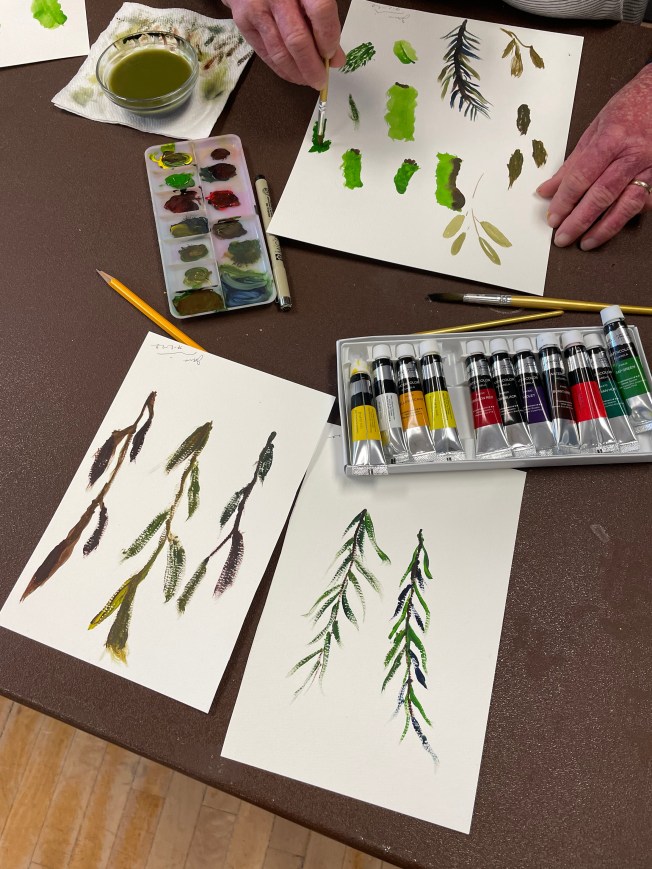
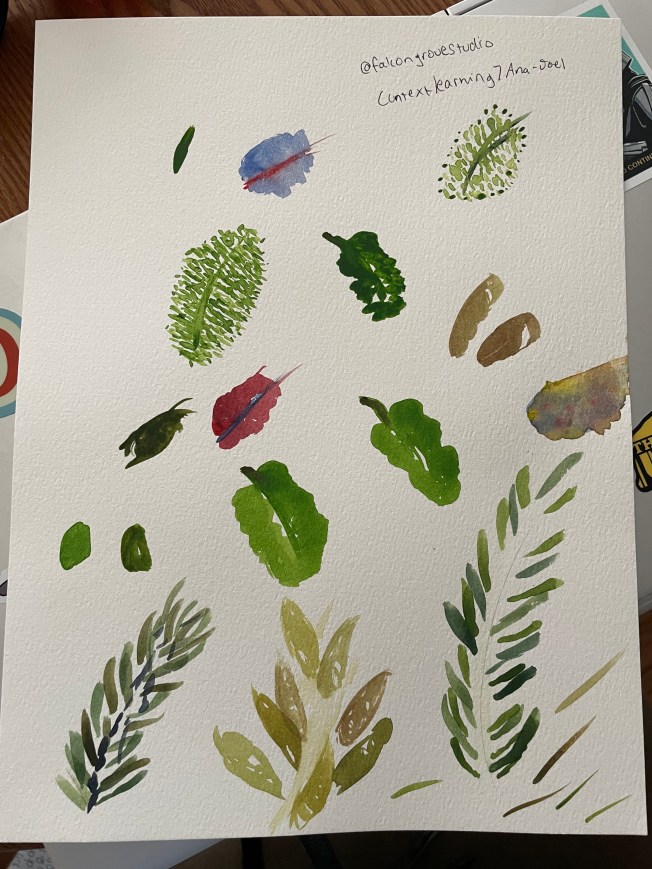
Hello!! This past Saturday I took a really fun watercolor painting class at the Quirk Cultural Center with my mom and sister. The class was led by the wonderful Ana-Joel of Falcon Grove Studio and she taught us how to paint different herbs inspired by an English country garden. To begin, Ana showed us the different techniques to paint rosemary, sage, mint, and basil and then we got to create our own masterpieces:

image_67190785(2)image_67174657(1)image_67216897image_67204097image_67187457image_50403329(1)

My mom, sister, and I would definitely not fall under the category of artistically skilled and have never painted with watercolor before. However, we all jumped at the opportunity to take this class because it was local and seemed like something we could enjoy together. I am so glad that we did and left the class with work that we were proud of and an eagerness to take more classes with Ana again.

Ana is an amazing local artist who founded Falcon Grove Studio during the pandemic to help promote a feeling of safety and wellness at home through art. She is so gifted, kind, and genuine and we all felt lucky to have her as our teacher. Her words inspired each of the students in the class and I loved how she told us that art is special because it’s the way your own body moves to create something. As someone who isn’t good at art, it was so encouraging to hear that you are still making something meaningful.

As I said, I had never painted watercolor before and I had a blast. It was such a unique experience and I was blown away by this whole world that I knew existed but never tried for myself. Ana taught us how to mix colors and use the water to enhance our art and it was so cool to see colors transform from something as simple as adding a touch of yellow or red and a “juicy brush” loaded with water.

For my project, I chose to paint basil and sage and I couldn’t be more pleased with how they turned out. Are they museum level works of art? No way lol. BUT, I thought that it was a pretty damn good first try. Not only did I feel proud of what I painted but I also felt excited to try painting more and I think that definitely qualifies as a GREAT SUCCESS (Borat voice).

Ana offers a variety of different courses in person and online and I simply cannot wait to work with her again. I also have ideas swirling in my head for some commissioned pieces by her! Please check out her social media and Etsy page at the following and support this fabulous local artist:

What is your favorite medium of art? Have you ever taken any art classes before? I want to hear from all of you, so leave me a comment and let’s chat! Much love. -Sarah
Educational Activities Your Kids Can Do This Summer

Standard
Educational Activities Your Kids Can Do This Summer

Summer vacation is in full force, so your kids are home from school. You’re probably enjoying the extra time with them, but you may also be wondering how to keep their brains sharp during the break! Here are some educational activities to help your kids keep learning and have fun during the summer vacation:

Read books:

Reading is a great way to pass the time and learn new things, you can discover this content on ABCmouse, whether it be about other cultures, places, history, or even languages. There are many stories for kids and adults alike, so if you want an activity you can do together, this is one for you.

Reading with your kids can benefit them in several ways: it helps them improve their reading skills; it allows them to connect with others through literature; it improves their vocabulary and comprehension; it provides an outlet for creativity through writing and illustration; and much more. You can make reading fun by adding games to their reading experience. For example, you can use a word family activity sheet as reading prompts, helping them to choose books based on a word, colors, and other items.

Get online:

Your kids probably already spend a silly amount of time in front of their screens. So why not use it for something good? Rather than playing Fortnite or some other game that sucks their pocket money dry, you can boost their understanding of core school subjects with apps and online resources from ABCmouse. This popular online platform offers engaging supplemental material for all school subjects, preparing your kids better for when they return after summer.

Journal:

Summer is the time for your child to have fun and relax. But it’s also important for them to go into the next school year with new experiences and knowledge. One way to help accomplish this goal is by journaling. An activity that requires minimal supplies (if any), journaling can be done anywhere, anytime even if you’re on vacation or stuck inside during bad weather. It’s easy enough for kids as young as five, but older kids will find it just as beneficial.

Journaling encourages creativity while helping children develop other skills such as organization, reflection, and increased vocabulary through writing on topics they find interesting (and learning how to spell those words). Plus, it is excellent practice for essay assignments.

Take a field trip:

If your child is interested in a particular subject, try taking them on an educational field trip to explore it further. Field trips provide the opportunity for learning about history and culture and practical skills like cooking and art.

If you are going on vacation, you can turn this experience into not just a relaxing holiday but an educational one. You don’t have to dedicate all of your vacation to learning, but you can take your children on a trip while on vacation to learn more about the place you are visiting, whether that is going to a museum, taking a tour, or just enjoying the culture while you are there.

Learn a new skill:

Learning a new skill can be challenging, but it’s also fun! When kids learn something they enjoy, they are more likely to want to do it again and again. This makes it easier for them to get better at whatever they are doing, making learning more enjoyable. It is even better if it is a skill that they have an interest in from the beginning, like art, cooking, or music.

It may also be beneficial for your child to learn about new concepts, ideas, and ways of learning during the summer to keep them busy. With the help of professionals like David Krakoff Lancaster, your child is sure to be more motivated than ever and working towards new discoveries of personal development.

Go on a scavenger hunt:

There’s nothing like a scavenger hunt to engage kids around the world. If you’re doing this with younger kids, make a list of items they can find and bring them back to you. For example, a leaf from a tree or a dandelion.

It’s also important that your activity isn’t too challenging or overwhelming for their age group. If you want something more educational, consider including objects such as shapes or numbers to teach them something new along the way. It’ll also keep them interested throughout the process since it’s always lovely when an activity feels rewarding for everyone involved!

Create a learning fort:

One of the best ways to excite your kids about learning is to create a fun space to learn in. Forts are cool and can be used in different ways. You can read a book while sitting under it, play a game like hide-and-seek inside it, and let your imagination soar in its construction. Whether it’s a classic pillow fort, made of cardboard boxes, or built in nature a fort will provide lots of entertainment and opportunities to learn.

You don’t have to break the bank or travel far to keep your kids’ brains busy and sharp over summer break. There are plenty of ways to incorporate learning into everyday life, even if you’re just hanging out in your backyard!

Featured Image By: Sharon McCutcheon

The Importance Of Personal Development

Standard
The Importance Of Personal Development

It is often said that the key to success is personal development. This may be a cliche, but it is true. To be successful, you need to work on improving yourself constantly. Personal development has many benefits, including increased productivity, improved relationships, and greater happiness. It is a lifelong process that involves growing and improving one’s skills, knowledge, and character. It can be considered an individual or collective journey of self discovery, in which we strive to become the best version of ourselves.

This blog post will explore the importance of self improvement and discuss some tips for getting started:

Why is personal development significant?

Personal development is essential for several reasons. It can help you improve your skills, manage your time, and make more effective decisions. It can also help you become more self aware, set and achieve goals, and boost your confidence. Careskills Academy offers a range of personal development courses that can help you improve your employability skills and progress in your career.

If you’re looking to change your life, whether it’s getting a new job, starting your own business, or improving your well being, personal development can help you achieve your goals. It is an integral part of our lives and can benefit us in many ways.

The benefits of personal development:

In its broadest sense, personal development can be described as activities that improve self knowledge and identity, develop talents and potential, enhance the quality of life, and contribute to the realization of dreams and aspirations. At its core, personal growth and wellbeing go hand in hand. Striving for growth by investing in yourself can set you on the path to live a happier, more fulfilling and successful life. When you invest in your personal development, you take charge of your life and decide to improve.

How Can You Improve Yourself?

Self improvement and personal development are important because they allow you to improve upon your weaknesses, learn new skills, and become a better person overall. There are many ways to improve yourself, but some of the most common include:

Educating yourself: One of the best ways to improve yourself is to educate yourself. Read books, take classes, and learn as much as possible about the things that interest you. The more you know, the better equipped you’ll be to handle whatever life throws your way.

Setting goals: Another great way to improve yourself is by setting goals and working towards them. Whether it’s a short term goal like quitting smoking or a long term goal like getting a college degree, having something to strive for can help you stay motivated and focused.

Getting organized: Getting your life in order can also do wonders for your personal development. Taking the time to declutter your home, manage your schedule, and get rid of anything holding you back can give you a fresh start and a new perspective.

Practicing positive thinking: One of the most important aspects of personal development is learning to think positive thoughts. If you want to be happier and more successful, focusing on the good rather than the bad is essential. When you think negative thoughts, try to replace them with positive ones.

Making time for yourself: In today’s busy world, it’s easy to get caught up in the hustle and bustle and forget to make time for yourself. But if you want to improve your life, it’s essential to take some time each day to do something that makes you happy. Whether taking a yoga class, going for a walk, or reading a good book, making time for yourself is crucial.

Improving yourself is a lifelong journey and beginning to take small steps towards this will help you to become the best version of you!

Featured Image By: Alena Koval

Preparing Your Child For Getting A Pet

Standard
Preparing Your Child For Getting A Pet

Getting a pet is a rite of passage for many children. If you grew up with pets, you might feel like it’s an essential part of childhood. And if you didn’t, perhaps you want to give your children an experience you didn’t get. But it’s important to consider what pet ownership entails before you get one. Making sure your child is ready for the responsibility of a pet is crucial, especially if you don’t want to end up being the only one to care for it. You can prepare your child for getting a pet using a few different techniques:

Start with Toys:

Before taking on the responsibility of caring for a living thing, it’s a good idea for your child to get some practice. One of the ways children often develop key skills such as empathy is through play. Getting your child some toys to care for is a good way to practice some of the things they’ll need to care for a pet. You can get them some Schleich animal figurines or some stuffed toys to role play caring for. Baby dolls can also be an option for taking care of something without the responsibility of actually having to keep something alive.

Give Them Some Other Responsibilities:

Caring for a pet is a big responsibility, so you need to know that your child is ready to take it on. They will need to show that they can manage some responsibilities of their own and keep it up long term too. When you get a pet, your child might help with things like feeding, cleaning, or exercising your pet. But before you go out and get one, they could have a few other chores to show that they’re capable. You can get them to do daily tasks such as making their bed to demonstrate that they can build consistent habits.

Borrow a Pet:

Borrowing a pet from a friend or family member can be a great way to have a practice run. You can have their pet for a day or a few days so you and your child understand the responsibility of caring for a pet. Obviously, some pets are easier to “borrow” than others. A dog will often be happier to spend time with another family than a cat will. You could offer to pet-sit while someone you know is away if you’re looking for a way to trial pet ownership.

Teach How to Behave Around a Pet:

Children need to be able to behave well around a pet to keep both them and the animal safe. Even when they have been taught how to handle an animal, they should still be supervised. It’s crucial to teach your child important things like how to recognize when a pet wants to be left alone, how to pet them gently, and how to avoid upsetting an animal with their behavior. You can do this by talking to them, demonstrating, reading books, or watching videos.

Getting a pet isn’t something you should do lightly. If your child is asking for a pet, make sure you don’t rush into it and get a lot of practice beforehand.

Featured Image By: Pexels

Musical Instruments You Can Learn As An Adult Beginner

Standard
Musical Instruments You Can Learn As An Adult Beginner

Many adults have wanted to be famous musicians at some point in their childhood, fantasizing about selling out concert halls and filling stadiums worldwide. However, not everyone was privileged enough to take music lessons as a child, and many may not be practicing anymore. According to Statista data, just 10.10% of Americans aged 18 to 29 revealed that they had played musical instruments in the last twelve months as of 2018. You can revive your passion for music by learning to play an instrument.

It takes a lot of practice and dedication to become a pro at playing an instrument. You need to be able to put in the time to learn the proper techniques and how to read music. You can start by taking some lessons from a professional or even watching some online tutorials, such as guitar lessons from home. There are also a number of apps that can help you learn different songs. Once you have the basics down, you need to start practicing regularly. As you continue to practice and learn, you will eventually become a pro at playing your chosen instrument. Here are the best and easiest options to consider if you want to learn an instrument:

Harmonica:

The harmonica is an instrument that many people rarely think about. However, it may surprise you to learn that it is the best selling musical instrument globally. This instrument is quite portable, affordable, and easy to learn, making it excellent for beginners. There is no way to sound bad when playing the harmonica since all the notes you play will be in key. It is never too late to learn how to play the harmonica since you can absorb its core concepts in just a few hours. Anyone can play the harmonica, but you will particularly enjoy learning it if you are a fan of folk, blues, and country music.

Piano:

It is estimated that 21 million Americans play the piano, making it one of the most popular musical instruments. The piano is quite versatile, allowing you to play songs in various styles. This classic instrument will boost your coordination since it forces you to play different melodies with both hands. Although this sounds difficult, many experts say that you shouldn’t have much of a problem mastering it if you can type on a computer keyboard.

You will likely find a few piano teachers in your area, given its widespread popularity. However, the internet is an excellent repository of tutorials and video lessons that you can rely on to practice your piano skills if you lack the budget or time for in person lessons, so keep this in mind. You can download music notes here to start practicing and follow in the footsteps of all time greats like David Bowie, Thelonious Monk, and Prince, who were self taught.

Ukulele:

You will undoubtedly see the ukulele in any list of the easiest musical instruments for beginners to learn. It has gained popularity in recent times because it is more straightforward to learn than the guitar. The ukulele has only four strings compared to the guitar’s six, so chords are easier to memorize. It is also smaller than a guitar with a thinner neck, so it is ideal if you have tiny hands. This instrument has a distinct, cheerful sound that can make any song sound fantastic, and many people grasp the basic chords in a few weeks. Also, it is more affordable than a guitar and mastering it puts you in a perfect position to play more difficult songs and even advance to complex string instruments like the violin.

instrument1

^^^ Pixabay Image

If you are looking for a new and rewarding hobby, then learning how to play an instrument is the way to go. Remember, all of the greats started out as beginners too!

Featured Image By: Pixabay

Types Of Childcare Settings And What They Offer

Standard
Types Of Childcare Settings And What They Offer

In the US and many other countries, there are three main stages of education. However, children in the states can attend daycare settings from the age of just six weeks old. This can be quite common if the parents have to go back to work and there is nobody to look after the child.

It is important that you view childcare settings before sending your child to ensure they are safe and secure. Take notice of small things such as the classroom furniture being used and how the staff interact with the children. If you are unsure of when your child can attend school, then here is a list of ones available that may be suitable for you and your child:

Early Childcare:

Daycare centers can usually accept children from as young as 12 weeks of age until the age of 5. They will provide structured care and follow your set routine until the child is around a year. Once your child is over a year they will move to a different class within the daycare center. This is when they will start to follow the daycare’s routine relating to meal times and sleep times. However, you still get a say in how long your child naps for. These programs help ease the transition into preschool for your little ones. It might seem far off but it is never too early to start thinking about it. To begin researching preschools, simply enter a search for “preschool programs near me in Fallston, MD” (or your local area). Then you can adhere to enrollment guidelines way ahead of time.

If you want your child cared for in their own home, then look at hiring a nanny or an au pair. This can start and finish at any age and doesn’t have a cut off point when they start attending school. You can even hire before and after school nannies if you need to start work early or finish late. You might find that in home childcare is cheaper than what you would pay at a daycare. Enter a search for “how much does an au pair cost” and compare with your local childcare center to determine your best option financially.

K-12:

Once your child reaches legal school age, this will differ from state to state but is usually around the age of five that they will attend formal school. This is a legal requirement, however, you are well within your rights to home school if this fits in with your lifestyle.

Your child will be in elementary school from the ages of 5 to around 10, although some do go from the ages of 6 to 12. Be sure to check what your school is so you know how long your child will attend for. Here they will learn all the basics in the world of math, geography, English, history, art, physical education, and science.

Once your child reaches the age of around 11 they will attend a middle school, such as this college prep middle school, which goes up to the age of 13 and is where your child will learn more in depth about the previously mentioned subjects. This is such an important time for your child educationally, so you will want to make sure that you find them the best school possible in your area where they will be well-supported in both their learning and development This well surely set them on a good path for when your child is 13/14 and will start high school.

Finally, from the ages of 14 to 18 your child will attend high school. This is the most important and your child will be closely monitored with exams and internal markings to ensure they are on the right track for success after their education is complete.

Setting your child up for success in school from the jump starts when they’re young so it’s always important to plan ahead when it comes to their education!

Featured Image By: Pexels

Simple Ways To Support Your School Aged Child

Standard
Simple Ways To Support Your School Aged Child

As a parent, you want to do everything you can to support your child as they make their way through school. The years fly by quickly and, before you know it, they will be graduating and moving on to college or the workforce. You can do many things to support them throughout their school years, including the following:

Make sure they get a good night’s sleep:

This is crucial for their success in school. Most kids need around eight hours of sleep per night but it can vary depending on their age and individual needs. If your child is struggling to get enough sleep, try setting a regular bedtime and enforcing it as much as possible. You may also want to limit screen time before bed, especially if it is causing them to have trouble falling asleep. It’s also essential to make sure your child has a healthy diet and exercises regularly – both of which can help them get the rest they need.

Help them stay organized:

One of the biggest challenges for students is staying organized and on top of their work. This is where parents can help out. Give your child a place to study, do their homework, and provide them with enough storage space for their school supplies. You can also help them develop good habits when researching and completing assignments. For example, you can encourage them to start working on their homework as soon as they get home from school, rather than waiting until the last minute.

Find a tutor if they struggle in a subject:

If your child is struggling in a particular subject, it’s essential to get them help as soon as possible. A tutor can provide them with one-on-one instruction and help them catch up on the material they are struggling with. There are many different types of tutors like a Maths Tutor available so you should be able to find one that fits your budget and meets your child’s needs. Many schools also offer tutoring services for free or at a discounted price, but sometimes professional tutors can show the time and effort other individuals can’t.

Help them stay positive:

It can be challenging for kids to deal with stress and anxiety during their school years. This is where parents can step in and help out. Make sure your child knows that it’s okay to feel stressed sometimes but that they should always try to stay positive and focus on the good things. You can also encourage them to exercise, spend time with friends, and get plenty of rest – all of which can help them healthily deal with stress.

There are many things parents can do to support their children throughout their school years. By following the tips in this blog post, you can help them achieve success in all of their classes and stay positive!

Featured Image By: Karolina Grabowska

How To Advance Your Healthcare Career

Standard
How To Advance Your Healthcare Career

It’s no secret that working in the healthcare industry is one of the best career choices that a young professional can make. After all, this is an industry that will always be in demand. If you take a look at the jobs that are expected to grow in the coming years, many of them are simply different ways of saying ‘nurse’ or ‘doctor.’ So there’s a lot of potential in this career.

However, while there’s plenty of potential, that doesn’t mean that success will automatically come your way. You’ll need to work hard to ensure that your healthcare career can progress in a way that you like. So how do you do that? In this blog, we’ll take a look at some useful tips that will keep you moving on the right path:

Always Learning:

You’ll have learned a lot when you were at college. But that shouldn’t be the end of your education. In many ways, it’s just the beginning. The healthcare field is always moving forward so it’s important that you commit to learning as much as you can, as often as you can. Equipment like Catheter Devices, monitors, and treatment devices and apparatuses are subject to change as technology advances. AI is also becoming extremely popular across all aspects of life but particularly in the medical field. Implementing tools like generative ai use cases in healthcare can improve patient outcomes as well as boost efficiency. There will be no shortage of courses you can take and qualifications you can obtain. If you don’t know which ones will be best for your career, ask your supervisor.

Making Connections:

Who you know can be just as important when it comes to advancing in your healthcare career. As such, it’s essential that you take some time to learn the art of networking. Just by making connections with others, you could open many doors for yourself in the future. You can connect with people in the healthcare facility in which you work and also in the wider healthcare community. Attending talks and courses is a great way to do this. You should also consider doing in-depth research for each healthcare facility you apply to in the first place – you’d have to do this with any career. For example, checking out the Care.com reviews before you start working to care for a doctor’s family will ensure that you gain the right role – one that works for you and your time.

Jump At Opportunities:

There will be a lot of opportunities available to you. But unless you look at what they are and then jump at the chance to make them yours, then you’ll struggle to progress. There are plenty of places to look at what’s out there. For example, you could get in touch with Cornerstone Medical Recruitment and see what positions they’re looking to fill.

…And Make Your Own:

It’s also important that you create your own opportunities, too. If you’ve been networking correctly, then there will be times when opportunities land at your feet. But you shouldn’t just wait around for them to come. You should make your own opportunities by showing initiative at work and taking courses without being prompted to do so. You can also forward your opportunities when you look the part at your job. For example, purchasing smart no slip shoes or finding the Best Quality Teal Scrubs For Nurses On Shift will show that you are invested in your career and take all aspects of it seriously.

Set Goals:

Finally, be sure to set goals and targets for yourself. This will help ensure that you never get too passive about your career or too comfortable in your position. You’ll always be working towards something bigger and better than what you currently have. You can create small goals like obtaining a raise or a position in a new department. Long term goals could include going back to school or getting a Public Health certification for the most up to date skills and knowledge in public health science. When you make goals dedicated to learning, who knows where your career will take you next?

The healthcare field is one that is never going to go away and with constant room for growth, it will always be a viable career option!

Featured Image By: Pexels

6 Different Methods To Treat Your Conditions

Standard
6 Different Methods To Treat Your Conditions

There are many different methods of treatment for conditions these days. With so much information available, it can be difficult to know which treatment is right for you. In this blog post, we will take a look at six different methods of treatment that you can discuss further with your doctor:

Traditional Medicine:

Traditional medicine has been around for centuries and is often the first line of defense against conditions. If you have a condition that can be treated with traditional methods, it is essential to discuss all of your options with your doctor before making a decision. Traditional medicine has its advantages and disadvantages. On one hand, it is often the most effective method of treatment available. On the other, it can be expensive and have side effects.

Traditional medicine has been shifting from a disease centered approach to a person centered one. This includes examining all aspects of your life from medical history to the environment you live in for potential causes and solutions to health issues. This approach is called functional medicine and it can provide a lot of peace of mind to those who feel like a doctor isn’t really listening. To find practitioners, simply enter a search for “a functional medicine clinic in Cincinnati” (or your local area) to find a well reviewed center near you.

Complementary and Alternative Medicine:

CAM is often used in conjunction with traditional medicine. It is crucial to discuss CAM with your doctor before starting any new treatments, as some CAM therapies can interact with traditional medications. CAM is generally considered to be safe, but there are always risks involved with any type of treatment. Make sure you are fully informed about the risks and benefits of CAM before starting any new treatments.

Home Remedies:

Home remedies are often passed down from generation to generation and are a great way to treat minor conditions without seeing a doctor. However, it is essential to remember that home remedies are not always effective and can sometimes cause more harm than good. If you are considering using a home remedy, make sure you do your research first and consult with your doctor if you have any questions.

Natural Treatments:

Like home remedies, natural treatments are often passed down from generation to generation. However, not all natural treatments are safe or effective. In addition, some natural treatments can interact with traditional medications, so it is vital to be aware of these potential interactions before starting any new treatment.

Holistic Approaches:

Holistic approaches can include anything from meditation to aromatherapy. These therapies are often used in conjunction with traditional medicine. It is essential to discuss holistic approaches with your doctor before starting any new treatments, as some holistic therapies can interact with traditional medications. Holistic therapies are generally considered to be safe, but there are always risks involved with any type of treatment.

method1

Photo by Shashi Chaturvedula on Unsplash

Clinical Trials:

Clinical trials are an important part of developing new treatments for conditions. There are many practices and doctors who specialize in clinical trials and research, like Dr. Hanid Audish. Clinical trials can be beneficial, but they also involve risks. Make sure you are fully informed about the risks and benefits of clinical trials before making a decision.

These are just a few of the many different types of treatments available for conditions. The best way to find the right treatment for you is to talk to your doctor and make an informed decision based on all of your options. Remember, there is no one-size-fits-all approach to treatment, so what works for someone else may not work for you. The most important thing is to find a treatment that works for you and that you are comfortable with.

Featured Image By: Hush Naidoo Jade Photography on Unsplash