Tag Archives: pro tips

How To Sharpen Up Your Senses

Standard
How To Sharpen Up Your Senses

Like the old saying goes: You don’t know what you’ve got until it’s gone. This is certainly true of your senses, which is why it is so important to look after all five of them in the best way that you can. In this blog post, we will give you a general overview of how you can protect them so that these senses can always stay sharp:

Beyond the age of 45, your eyes tend to dry out resulting in light sensitivity, blurry vision, and burning eyes. A diet rich in omega-3s such as fish or walnuts can help to keep this condition at bay. You can also get prescription drops as a way of stimulating tear production. Taking supplements such as vitamin C can help to prevent cataracts in the future. You should also try to avoid prolonged sun exposure by taking regular breaks and investing in a good pair of sunglasses for driving or outings.

The older you get, the weaker your sense of smell becomes. You should be aiming to minimize your contact with smoke and household chemicals. There is also some evidence that the more you seek out different scents, the better you can protect your sense of smell. A couple of things that you could include in this sniffing exercise include peppermint and cinnamon. You could also make potpourris to place throughout your home to help keep your sniffer strong.

The first thing that you should do to protect your sense of taste is practice good oral hygiene. This will help to keep your tongue in good condition and protect your taste buds from infections. Though there isn’t much that you can do to reclaim your sense of taste, what you can do is add extra spices and flavorings to your food. If you find that you are suffering from a dry mouth, you should aim to reduce your intake of dehydrating substances like caffeine and alcohol.   

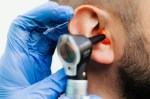
You should have a hearing test if you notice any issues or if you simply want to gain some peace of mind. Prevention is important when it comes to hearing, so you should wear protective devices when you are exposed to any loud noises. Don’t listen to music through headphones at too loud a volume or for too long. If you have already damaged your hearing, you should speak to your doctor about being fitted with a hearing aid.

As you start to get older, your skin becomes less elastic and you are likely to lose sensitivity over time. A few of the ways that you can help to prevent it include a healthy lifestyle full of regular exercise, a low-fat diet, and not smoking. Taking aspirin will dilate blood vessels and improve circulation therefore increasing stimulation of the dermis.

Of course, age-related sensory decline is an inevitable fact of life, but there are plenty of ways that you can protect all five of them in the best way possible. Following some of the advice in this article is a great starting point!

Featured Image By: Pexels

Ways To Keep Your Mental Health In Check

Standard
Ways To Keep Your Mental Health In Check

Your mental health does not have to stop you from living your life. When you’re struggling within your own head, the outcome of a long term solution often looks bleaker than it actually is, and you’re just going to need to trust us on that. But, what we want to talk to you about is the fact that you can still live your life and make it a beautiful one even when you’re struggling. Not sure how? We’ve got you covered:

We want to start by recommending that you’re getting enough sleep. You might think that this sounds extremely obvious, but there are many people that struggle with sleep and this alters their mood and the way that they feel. If you’re having trouble sleeping, you need to start looking into solutions for this as it can be incredibly beneficial. This is going to include things like setting yourself a bedtime and trying to wake up at the same time every day so that your brain gets into a routine. A lack of sleep can always make everything feel worse, but if you’re getting those seven hours per night, things might seem a little brighter.

The next thing that we want you to do is acknowledge how you’re feeling. The thing that people forget when it comes to their feelings is that you shouldn’t be pushing them back, but instead you should be feeling them. You need to acknowledge how you are feeling and deal with it, rather than suppressing it and then having to feel it overwhelmingly later down the line. It’s important to know how you feel as well as having a handle on your emotions or at least be able to name them and identify the why to help better support your mental health.

Last but by no means least, you might need to get help. Not everyone will, but if you know that you’re struggling, then this is the right thing to do. You can reach out to a professional, see what they have to say, and take it from there. It’s entirely possible that you’re going to want to back out of this a few times, but it will be okay once you find the right treatment. For example, you might find that behavioral therapy is a good fit for you or you might find that a new ketamine treatment helps. You won’t know until you get your feet through the door first.

Improving your mental health can be done in small steps that add up to make a huge difference!

Featured Image By: Pexels

Are You Looking After Your Hearing Right?

Standard
Are You Looking After Your Hearing Right?

Protecting your hearing is a huge part of protecting both your mental and physical health and there are a lot of things you might want to think about to ensure that you are doing this effectively. In this post, we are going to consider some of the main ways in which you can look after your hearing with best practices you can start today. Like the following:

Hearing loss is rarely dramatic at first. It tends to creep in. High-frequency sounds usually fade before lower tones, which means consonants like “s,” “f,” and “th” become harder to distinguish. Conversations start to sound muffled, especially in places with background noise. You may still hear that someone is speaking, but clarity drops away. The brain works overtime to fill in the gaps. That mental effort can be surprisingly exhausting. Many people attribute the fatigue to stress or poor sleep, never suspecting that straining to hear is draining cognitive energy throughout the day.

You do not need to stand next to jet engines to risk damage. Prolonged exposure to everyday noise can be enough. Traffic, construction, power tools, loud gyms, concerts, and even constant headphone use all contribute. A good rule of thumb is this: If you need to raise your voice to be heard at arm’s length, the environment is probably too loud for prolonged exposure. The same applies to headphones. If someone sitting next to you can hear your music clearly, it is too loud. If you are using them for hours a day, even moderate volume can become an issue over time.

^^^ Pexels Image

One of the most overlooked parts of hearing care is simply having a hearing test. Many people wait until they notice a clear problem, but by that stage, changes may have been happening for years. A professional hearing test is quick, painless, and far more detailed than most expect. It measures how well you hear different frequencies and volumes, identifying patterns that might indicate early-stage loss, noise damage, or other issues. Even if your hearing is currently fine, a baseline test gives you something to compare against in the future.

Looking after your hearing does not require drastic change. Often, it is about consistent small habits. Lower the volume on personal devices and use noise-cancelling headphones rather than turning music up to drown out background sound. Wear proper ear protection when using power tools or attending loud events. Give your ears rest periods after exposure to high noise levels. Be mindful of ear hygiene too. Cotton buds can push wax deeper into the ear canal, potentially causing blockages. If you suspect excess wax, professional removal is safer than attempting to clear it yourself. Hydration, general cardiovascular health, and avoiding smoking also play a role. The inner ear relies on healthy blood flow, and what benefits your heart often benefits your hearing as well.

Can you hear me now? Good! Keep it that way with these tips!

Featured Image By: Pexels

How Technology Has Changed The Performance Of Modern Hearing Aids

Standard
How Technology Has Changed The Performance Of Modern Hearing Aids

The technology within many of the modern hearing aids nowadays is incredible. It’s a lot different from the older versions, some one or two decades ago. Modern hearing aids have been transformed by AI, Bluetooth, and advanced signal processing. It’s shifted from simple amplification to intelligent and personalized sound enhancement. In this guide, we’ll take a look at how technology has changed when it comes to the performance of modern hearing aids and how they’re something to be sought after, rather than avoided by people who need them:

AI enables hearing aids to learn user preferences, whilst automatically adjusting settings in real-time. It helps you to switch from a quiet room to a busy street without needing to do anything. AI hearing aids are certainly the future of hearing aid technology.

With modern devices, they analyze sound in real time in order to reduce background noise and instead focus on speech. It allows the user better hearing in complex and noisy environments.

Modern hearing aids now eliminate the need for small, disposable batteries. Instead, users benefit from rechargeable hearing aids that can be charged overnight while you sleep. It provides all-day power, which is highly beneficial for uninterrupted audio experiences.

With modern hearing aids, it works with smartphone apps that allow users to fine-tune sound, adjust volume, and help to monitor battery levels directly too.

Some advanced models will include sensors that monitor physical activity, analyze environmental data, and track your heart rate, too. These insights can be great for improving your overall health and not just your hearing.

Audiologists are now able to adjust hearing aid settings remotely. It removes the need for in-person appointments for any minor tweaks that need to happen, which is helpful for those who might not live near an audiologist or hearing center.

With smaller and discreet designs, you’re getting a more comfortable and less noticeable device.

There are some tell-tale signs that you need a hearing aid or two. Such signs include the following:

  • Difficulty with conversations – Frequently asking people to repeat themselves.
  • Volume adjustment – Turning up the TV or radio to levels that are too loud.
  • Muffled sound – Voices and surrounding sounds are muffled or unclear.
  • Tinnitus – Persistent ringing or buzzing in the ears.
  • Social withdrawal – Avoiding social situations as it’s too exhausting or difficult to keep up with conversations.
  • Fatigue – Feeling stressed after conversations and fatigued as your brain is working harder to understand sounds.

Technology has changed the performance of modern hearing aids, so explore what they could do for you if you need them in the future!

Featured Image By: Unsplash

How To Stop Stressing Over Your Age

Standard
How To Stop Stressing Over Your Age

Getting older is something that happens to everyone. In fact, it’s a sign that you’ve been successful. Once you reach the age of 50, 60, 70 or beyond you have survived a long time in an otherwise difficult world. But people have many problems when it comes to their age. They often look at it the wrong way. If you’re somebody who’s stressing about their age and worried about getting older then this post is for you. We are going to look at some strategies you can use to reduce the stress you feel and really enjoy your life day to day:

The first thing to do is to reframe aging as a privilege. This was something that we hinted at in the introduction. Instead of seeing birthdays as the next stage in the inevitable march through life, you can look at them more as success stories or milestones. Getting to a specific age is actually quite an achievement, especially once you start getting into the higher numbers. If you can reframe how you look at the situation, then you can totally control how you feel about it.

Another thing you can do is stop pretending that aging is something you can control. You can’t actually map and manage the time passing on the calendar, but you can intervene in your lifestyle to change how you feel and function. Many people forget all about aging once they improve their exercise routine, stress management, nutrition, sleep, and skincare. Combining all of these factors often slows down the aging process significantly. It can also change the nature of the aging process so that it doesn’t lead to chronic disease and dysfunction.

^^^ Unsplash Image

Sometimes, feeling less stressed about the aging process is simply getting the treatment that you need. For example, if you have hearing loss, go to the audiologist and ask for hearing aids. Similarly, if you struggle to walk or you have physiological problems, you can get a trainer to improve muscle strength. You should find that once you’ve got this treatment, it has a meaningful and lasting effect on your life. It makes a profound difference to how you approach things.

Worrying about aging also often means worrying about the future. Therefore, it’s a good idea to practice being present or mindful. Many people get to a certain age and wonder why their lives aren’t turning out the way they wanted them to. They stress about the things that they should have done differently in the past. Being present is the best way to counter this sort of thought process. If you can focus on what you’re doing now, you often discover that your life is much better than what you thought.

So there you have it – some of the things you can do to stop stressing about the ageing process. Looking at the positives and accepting what’s happening is often the best approach!

Featured Image By: Unsplash

Early Signs Of Hearing Loss Every 20 Something Should Know

Standard
Early Signs Of Hearing Loss Every 20 Something Should Know

Anyone can lose their hearing. No matter how old you are or how healthy you feel, your hearing can be affected by your day to day activities. Too much loud noise at home, in the workplace, or coming through your headphones and you could be dealing with a lower level of hearing. And for some people, genetics play a role in causing hearing loss at a younger age. It’s a complex thing, and it’s something to keep an eye out for so you can act in time. As such, here are some of the most common early signs of hearing loss that you should know about as a young adult:

Have you started needing to turn the volume up on your phone, tablet, or TV much louder than you used to? Say you always had the volume set to fifteen and that was fine, but these days you need it at twenty and above. Dialogue just doesn’t feel all that easy for you to parse anymore. It could be an issue with the device itself, of course. It could also be a problem with the way the sound was recorded for whatever media you’re watching. But it could also be a sign your hearing has been impacted.

Are you noticing that more and more people are saying you’re talking quite loudly, but you didn’t even realize? That could be a sign of hearing loss, especially if no one really said anything like this to you before. Or alternatively, you think you’re speaking at a normal volume, but everyone’s suddenly telling you that you’re being really quiet. Both of these things can, in fact, be a sign of hearing loss. And when it comes to difficulties in general conversation, a trip to the audio doctor is the next best thing to plan. After all, you could be in need of hearing aids. And if you do, there’s no need to worry. There are plenty of different styles and options to suit your ears, lifestyle, and personal preferences. Plus, your audiologist will be there to walk you through choosing a set that’s right for you.

It’s hard to notice when you’re not noticing something – that’s why it’s called ‘background noise’. But if you’re never noticing when there’s some sound going on around you, it could be another sign you’re dealing with a form of hearing loss. Maybe cafes aren’t as loud as they used to be, as you haven’t really heard much chatter going on around you? And what about when you’re on the bus to work – does the sound of the bus sound as loud as it used to? The next time you get the chance, focus on the background and see what you’re picking up.

Hearing loss can creep up on you, and it can happen at any age. Pay attention to signs like these to prevent the problem from getting worse!

Featured Image By: Pexels

5 Technologies That Can Improve Your Health

Standard
5 Technologies That Can Improve Your Health

There’s no doubt that technology is making our lives easier – but the right tools can also make us healthier! If your priority is to look after your health, form better habits, and improve your living space, some technologies can make it easier to improve your well being and prevent future health problems. In this guide, we’ll look at a few investments worth making this year. Let’s dive in:

Wearable devices like smartwatches play a key role in helping you take better charge of your health. They can help you track essential indicators such as step counts, heart rate, stress levels, sleep quality, and more. Some specific devices, such as wearable alarms, can also improve safety levels among older people and those with mobility limitations. Make sure to find the best model for your needs and consult a doctor to understand how to best use your wearable technology to support your health.

Smart home devices can create a healthier home that fosters healthy habits. As well as adding convenience to everyday life, these technologies can help you control temperature, lighting, air quality, and safety features. Some investments worth making for your health and well being include:

  • Air Purifiers: Improve indoor air quality, reducing the risk of allergies and respiratory issues.
  • Smart Thermostats: Maintain temperatures for better sleep quality and overall comfort.
  • Smart Lighting: Support healthy sleep cycles and mood regulation.
  • Voice-Activated Assistants: Help with reminders for hydration, exercise, medication, and provide hands-free emergency assistance.
  • Sleep Trackers: Monitor sleep patterns for better sleep health.

Did you know that unaddressed hearing loss can lead to significant complications, including an increased risk of dementia? However, deciding to wear hearing aids is not always an easy choice, as it can impact your confidence and comfort. Thankfully, newer models are less noticeable, more efficient, and fully adjustable. For instance, AI hearing aids can adapt to different sound environments, filter out background noise, and even learn your listening preferences, making communication much easier and natural.

Telemedicine has been a game changer for both healthcare providers and patients. Over the past few years, it has contributed to overcoming common barriers to treatment, including long travel distances, childcare or eldercare, busy schedules, and mobility limitations. Telemedicine allows you to consult specialists within your area and beyond from the comfort and privacy of your home. Patient portals can also help in scheduling appointments, getting test results, asking questions to your provider, and repeating prescriptions as directed. Consult your primary healthcare provider to understand what telemedicine systems they offer.

Last but not least, technology can help in supporting mental health, too. Thanks to guided meditation apps, online therapy platforms, and support from mental health professionals available via chat or video calls, getting support at any stage of life is easier than it has ever been. Be sure to explore the best tools to boost your health and make calculated investments in the technologies that can provide support in the long term.

Improve your life and health with the technology above and you will be sure to notice a huge difference!

Featured Image By: Freepik

Small Things That Can Cripple Your Confidence (And How To Overcome Them)

Standard
Small Things That Can Cripple Your Confidence (And How To Overcome Them)

Confidence can be an unpredictable force that either propels us towards great heights or pushes us down into self-doubt and anxiety. We all experience highs and lows. Some unexpected small issues can erode even the most confident person’s sense of assurance. From missing teeth to challenges with speech that seem minor to some can feel like everything to the person experiencing it. In this blog, we will look at some of the common confidence killers, their causes and effects, and how best to overcome them all:

Your smile is one of the first things people notice about you, making a missing tooth an internalized flaw and source of insecurity in every interaction. Although others might take no notice, those dealing with missing teeth might feel exposed and think it represents neglect or imperfection. But dentistry has quickly advanced with solutions such as a single tooth implant, veneers, and bridges, which can restore your confidence and smile simultaneously.

Communication is at the foundation of human interaction, so struggling to express yourself, whether through stuttering or even mild anxiety, can quickly undermine your confidence levels. Worries over judgment only deepen these feelings of discomfort further, making social or professional settings crippling. Speech therapy, support groups, and public speaking practices can work wonders in rebuilding confidence for those feeling held back by their voices.

Slouching may not seem significant, but even slight adjustments in your posture can have an enormous effect on how you and others perceive you. Hunched positions often communicate feelings of insecurity or powerlessness, while upright ones show confidence. Fidgeting too frequently or avoiding eye contact can make interactions feel awkward while reinforcing feelings of doubt about yourself. Practicing better posture or altering body language might seem like superficial solutions, yet these techniques could greatly alter how you carry yourself as well as how others respond to you.

Facial issues such as acne, scars, or prominent blemishes can make anyone self-conscious. Even when people around you do not seem bothered, feelings of inadequacy can persist through social media’s constant emphasis on flawless appearances. To address such concerns requires self-compassion as well as consulting dermatologists or skincare experts in order to feel at ease in your own skin.

Sometimes the greatest threats to your confidence don’t originate externally but come from within. From an inner critic who exaggerates every failure, highlighting any perceived shortfall. A critical inner voice can magnify minor insecurities into larger ones that threaten your security and well-being. Cultivating an awareness of negative self-talk while replacing it with affirming messages is important for maintaining your sense of well-being and building your self-esteem.

Confidence doesn’t come from never faltering. It comes from finding courage within to stand tall once more regardless of the challenges. Each step forward shows resilience, proving no insecurity is too powerful!

Featured Image By: Laura Chouette on Unsplash

What Kids Really Need To Succeed In School

Standard
What Kids Really Need To Succeed In School

When people imagine what success in school is, they’ll usually think about things like grades (obviously), test scores, and overall academic achievement, which is all very important. But the truth is, it’s a bit more complicated than that. Kids aren’t going to thrive in school just because they’ve got the right textbooks or a strict routine – they succeed when they feel properly supported, understood, and confident enough to keep trying. With that in mind, let’s take a closer look at what kids really need to succeed in school:

Children learn best when they feel really secure, and that means feeling safe in the classroom, accepted by their friends and peers, and supported by teachers who understand them. When kids feel anxious, isolated, or they’re constantly on edge, it’s going to make learning a lot harder, which means a school environment that prioritizes well being as well as academics makes a massive difference and kids will probably do better there.

Kids need plenty of motivation, but they also need to be allowed to be human. If they’re under constant pressure to perform, that’s going to make them feel stressed and actually lower their confidence over time. Encouragement is the best thing, and much better than trying to make kids perfect (they won’t be perfect because no one is). Children do best when they’re praised for their efforts and progress and not just the results that come from their work.

One of the best ways to know a child is going to be successful at school is if they’ve got at least one trusted adult who really believes in them. That might be a teacher, a mentor, learning support, a staff member, or anyone else. The point is, when children feel like they’re understood and supported, they’re more likely to engage, ask questions, and keep going even when things are a bit more challenging. Schools like KIS Reignwood Park tend to place a strong emphasis on nurturing these types of relationships, and that’s going to make the entire learning experience a much better one for everyone.

Children usually succeed when the learning they’re doing feels relevant, which is why a curriculum that encourages creativity, critical thinking, and real engagement is something that’s going to help keep kids interested and motivated. When students feel that school is something they actively play a part in rather than just something they sit through, they’ll get a lot more confident in their abilities and what they can do.

Parents don’t have to be teachers, but children are definitely going to benefit from a life that places a high value on learning and being curious about things. That could mean you read together, you talk about your day, and you show an interest in what they’re learning – it all creates a positive idea about school and learning, which is helpful. If kids feel supported at home, they’re going to enjoy school more, and learn more as a result.

Fostering a love for learning and a secure setting can make a big difference in your child’s academic life!

Featured Image By: RDNE Stock project

Don’t Trip Up: Business Trip Mistakes To Avoid

Standard
Don’t Trip Up: Business Trip Mistakes To Avoid

A productive business trip requires plenty of planning ahead. Besides thinking about how that important meeting or sales pitch is going to go, you need to consider all of the fundamentals like how you’re getting there, where you’re staying, and what you will pack. Below are just some of the blunders that could trip you up if you’re not careful:

If you’re the boss, you get to set your own travel policy. But if you’re an employee, it’s possible you may have to stick within a strict budget and potentially stick to certain providers when it comes to hotels, flights or even restaurants. Review any company travel policy rules before you book anything so that you know what your limitations are.

Unless it’s an emergency business trip, you should avoid booking accommodations and flights at the last moment. While you can sometimes access last minute deals by booking late, you may be stuck with limited hotel options and awkward flight times. Start looking into this at least a few weeks in advance so that they’re all sorted.

Not all types of accommodation are going to be fit for your stay. While a hostel could save you money, it might not give you the comfort and privacy you need when preparing for a presentation. On the opposite end of the spectrum, you don’t want to overspend on a plush hotel for a visit that may not even be that important. Don’t forget to consider short term rentals – some of these may be better suited to longer stays and they’ll give you more privacy.

It’s easy to forget about time zone differences and end up arriving later than planned. If you’ve got an early morning meeting, make sure that you’re not flying in late at night. If you have to communicate with people back at the office, make sure to also consider the time back home before calling.

Consider allowing some ‘buffer time’ within your trip – this is extra time allowed for delays such as cancelled flights, late trains, heavy traffic, or accidentally arriving at the wrong building for a meeting. Arriving early before any business interactions are due and giving yourself plenty of time to get from A to B will allow you to stay relaxed and could avoid any late arrivals to important meetings.

There are a few key items that could be useful to bring on your business trip. These include:

  • Portable power bank: Bringing a portable power bank will stop you from running out of battery on your devices if you can’t find an outlet.
  • Portable Wi-Fi router: If connection is spotty and you need to conduct a presentation, a portable router could save the day.
  • Travel adapter plug: When traveling abroad, outlets may be different and will require an adapter.
  • Travel iron: This can help you to keep your clothing crease-free on the go.
  • Backup documents: In case you lose your phone or run out of battery, consider bringing paper copies of flight information, hotel bookings, or business meeting details.
  • Business cards: Useful to have for networking.

Finally, consider that there may be cultural differences – especially if you’re traveling to a different country. This could include different business customs. For example, in Japan, it’s common to use a bow instead of using a handshake and to offer a gift during business meetings. Punctuality attitudes can vary around the world too – in some countries, arriving five minutes early is advised, while in others arriving a half an hour late is not frowned upon.

With these tips, your business trip will go without a hitch!

Featured Image By: Pexels