Tag Archives: mental health

Personal Debt: Answers You Need To Put Yourself Back In Control

Standard
Personal Debt: Answers You Need To Put Yourself Back In Control

There comes a certain point in human lives when we think that we are in sole possession of the “right” outlook on life. People younger than us haven’t lived as long, haven’t seen what we’ve seen. Those older than us don’t understand how the world has changed and haven’t changed with it. An older person’s attitude to mental health may seem unenlightened to us because we expect them to be more conservative.

What we sometimes don’t grasp is that they do understand mental health issues and know a bit more about avoiding them. Consumer debt totals keep rising pretty much worldwide; certainly in the West, anyway. We’ve become almost comfortable with a “manageable” amount of personal debt. The older you get, the less likely you are to be okay with it, though, and there are signs that the seniors have it right.

Debt Is Linked To Mental Health Issues: If you looked through your accounts and found that you owed more than you thought, but weren’t at risk of default, would you be okay with that? And when I say “okay” I don’t mean “could you push it to the back of your mind for the moment?”. We know it’s there, but it’s inconvenient. So we end up resolving to get it sorted out later. There’s always a later. And though you may think it’s locked up safely in the back of your mind, the door is wide open. Though you may not perceive it, the stress is there.

Why The Seniors May Have It Right: Young adults and those in their thirties and forties have an attitude to debt that has arisen with the greater availability of it. On one hand you always know someone worse off than yourself. On the other hand there is the fact that if you’re managing it now, it’s easy to think a little more won’t hurt.

Here it is useful to think of the boiling frog theory. If you put a frog into boiling water, it will instantly leap out. Of course it will, it’s too hot. But if you put a frog in cold or lukewarm water, and gradually increase the heat, it will stay in there until it is boiled to death*. Debt can be like that – you don’t perceive it as a problem until it quite clearly and damagingly is. Because older people are less conditioned to be okay with debt, they’re less likely to borrow. They’re also more likely to refuse to take on any more debt.

money2.png

Wikipedia Image

What Should You Do About It? If you look at your accounts and your debt is above what you earn in a year, consider homeowner loans. These may allow you to consolidate all your debt into a single payment which will be more manageable than all the smaller ones. Having it all in the one place also makes you less likely to overlook a payment and get landed with fees and charges.

Secondly, if you feel swamped by debt payments, speak to someone about it. In the first instance, a parent is the right person to speak to. They can bring a steadier perspective to the issue which will help you see it less as a tidal wave and more as an issue to be overcome. Debt need never be a terminal problem. It can be highly inconvenient. However, if you’ve made the mistake of over-extending your borrowing, don’t compound it by panicking. All this will do is increase the stress you are trying to banish.

*Don’t worry – this has been tested by scientists and it has been established that a frog will jump out if the water gets too hot. People in a certain amount of debt may not be so proactive, though. 🙂

Featured Image By: Public Domain Pictures

6 Ways To Soothe Your Anxious Mind

Standard
6 Ways To Soothe Your Anxious Mind

It is estimated that almost one-fifth of adults in the USA suffer from an anxiety disorder. Anxiety is the most common mental illness. Fortunately, it is highly treatable, and there are practical steps you can take to ease the symptoms.

What Is Anxiety? Anxiety is an umbrella phrase that we use to describe feelings of unease, fear, and worry. It is part of our flight or flight response and is a perfectly natural reaction. Without it, our life could be in danger as we would not be able to perceive danger. However, it can become a problem if it begins to limit your life in some way. Common symptoms include:

  • Feelings of intense fear and panic
  • A general sense of unease
  • A feeling of foreboding
  • Problems sleeping
  • Heart palpitations
  • Dry mouth
  • Feeling on edge or not being able to sit still
  • Nausea
  • Headaches and other aches and pains
  • Tense muscles
  • Feeling light-headed or dizzy
  • Sweating
  • Panic attacks

anxious1.jpg

 Unsplash Image

How To Tackle Anxiety:

  1. Seek Help: If you feel that you’re suffering from anxiety, the first step is to seek professional help. Your doctor can refer you to a psychologist or therapist. Alternatively, you can approach a therapist directly. Psychologists help to identify the underlying problems and take steps to fix them. Always seek professional help if you’re unsure or if you feel like you can’t deal with an issue yourself. If you have feelings of suicide or self-harm then emergency help should be sought immediately. Anxiety by its nature can feel insurmountable. However, it is highly treatable, and you will feel better again. If you are ready to see a professional, simply enter a search for “anxiety therapy near me” and keep in mind that you might need to try a few different therapists until you find the right fit for you.
  1. Identify The Triggers: If you’re feeling anxious a lot of the time, try to identify the triggers. When the feelings arise, notice what is happening in your life. Are you at work? Are you with a particular person? Is it the situation that is stressful? Try to identify the feeling and work out what your fear is. It might not be practical to remove yourself completely from that situation. But you can change the way that you react and think about it. This is something that a therapist can help with.
  1. Take A Break: It’s impossible to think clearly when you’re overwhelmed by anxiety. Your mind becomes cluttered with thoughts and feelings. Try to take a break from the situation. Step outside for fifteen minutes and try to clear your head. Take some deep breaths and than try to better assess the situation.
    anxious2.jpg

Wind in the hairrrr!

  1. Imagine The Worst: It sounds counterproductive but sometimes imagining the worst-case scenario helps. If you can imagine the worst and figure out how to deal with it, it can take away some of the fear of all of the “what ifs?” in your life.
  1. Don’t Mask It: When we’re feeling constant fear and worry, it’s natural to turn to a quick fix. This may be smoking, drinking, taking drugs, etc. Though you may feel a short release from the problem, you’re only masking it. Your anxiety won’t go away. It will only come back again later and you’ll have additional problems to deal with. Masking is a common coping skill when it comes to any type of issue but it won’t be beneficial. When you enter a center for depression and anxiety treatment, you will be able to learn new coping skills to ease triggers and remove the ones like masking that were hindering you.
  1. Take Care Of Yourself: Find ways to take care of yourself. This could be doing something you really love or getting a massage. It could be as simple as taking time out to read a magazine. Whatever works for you, practice it often. Though it won’t necessarily resolve the problem, it will help you feel more at ease. Research has shown that meditation and yoga can also help anxiety.

anxious3.jpg

Pixabay Image

Identifying that you suffer from anxiety is the first step. Noticing and being aware of this is part of the process of feeling better. Though we can’t remove our fight or flight response, we can develop strategies to deal with the unwanted effects.

Featured Image By: Unsplash

Ill or Injured – and Bored? Productive Uses of Your Time

Standard

Have you ever been in the position where an accident has left you confined to your bed or at least your home for a while? It’s never as much fun as you expect all that time off work to be, is it? The novelty is okay, for a while. You can catch up on all those TV shows everyone has been talking about, sleep in, and take it easy. And then, sometime around day three, it gets old.

It’s not that we are our jobs. We won’t suddenly fall to pieces without them. But the action of inaction is the problem. Just as we get bored and stressed if every work day is the same, we can have an identical reaction to being restricted to our home. At least with work, you’re seeing different things, places, and people. When you’re stuck inside the house, you get stir crazy. You’re not using any mental energy. So if you’re recovering from an injury, make some lemonade from lemons and put the enforced rest to good use.

Learn a Language: If you’ve got a long-term injury, you may be at home for several weeks or even months. You’re liable to pass the time staring at screens, so why not take the opportunity to do it for a good reason? There are several excellent language learning apps available, including the ones on this list: https://www.lingualift.com/blog/best-language-learning-apps/. This way, you can use some of that pent up mental energy in a productive way.

bored.png

 Pixabay Image

Consider Why You’re There: We have come to meekly accept that accidents happen and when they happen to us, we just put them down to experience. But if that accident wasn’t your fault, whose was it? Through no fault of your own, you’ve lost many hours of work and, if you were a part-time worker, possibly your job.

Consulting http://getlegal.nyc/personal-injury-negligence/ and similar sources is a good idea here. You may well be entitled to compensation that would go a long way to improving your situation. You could put it into savings, use it for medical treatment, or fund a small business.

Practice Mindfulness: As previously noted, being home alone all day can be dull. That stir crazy feeling is liable to make you feel irritable. As any nurse will tell you, bed-bound patients aren’t the most patient patients. But if you can’t move much physically, then you’re going to be limited in where you can go. Not mentally, though. Meditate and concentrate on clearing your mind.

It may sound like a waste of your time but it allows you to be in command of situations and you get better at it with practice. Once the time comes to get back out there in the world of work, you’d be stunned how useful it can be. As the poem goes, “if you can keep your head while all about you are losing theirs…”

bored1.png

Pixabay Image

Of course, none of this changes the fact that once you’re able, you will want to get back out there and start living a bit. But if you can take the chance to gain some skills and use your time productively, you’ll be in a better position to take advantage of what comes your way.

Why Your Smartphone Could Be Damaging Your Health

Standard
Why Your Smartphone Could Be Damaging Your Health

It’s becoming hard to imagine a time when we didn’t have smartphones. Despite their small size, these devices have become something we cannot leave the house without. They provide us with entertainment, help us stay connected, and give us the ability to capture the world around us. But despite all of the benefits they can give to us, there is a downside to using a smartphone regularly. As our dependence on them has increased, so have the amount of smartphone-related health conditions. While they might not sound severe, they can be extremely damaging to your health. Read through these health issues which can be a result of using your phone too much.

Insufficient sleep: Sleep helps our bodies to repair and regenerate at the end of each day. This allows it to function correctly while also giving us the energy we need for the following day. However, smartphones can prevent many of us from getting the vital sleep our bodies need. The light on your phone screen can trick your body into thinking it is daytime. This can prevent you from feeling tired while also encouraging you to stay up later. It can also disrupt your body’s production of the hormone melatonin which tells your body when it’s time to sleep. To increase the amount of sleep you get each night, keep your smartphone away from your bedroom or shut it off at a certain time each evening to prevent those late night Facebook binges.

Repetitive Strain Injury: Repetitive strain injuries, otherwise known as RSI, is a health condition that has seen a significant increase in recent years. It causes pain and even numbing in the hands, wrists, and arms. It is caused by doing the same task continually over a prolonged period of time. Medical experts believe that texting on a smartphone is the reason why many people have developed this condition. If left to progress, this condition can intensify and could result in a disability. You might need to wear compression gloves, take medication, or need specialist massages to help you manage your symptoms. The best way to reduce your chance of developing an RSI is by reducing the amount of texting that you do on a daily basis.

Depression: Recent studies have found that spending too much time on your phone can increase your chances of developing depression and anxiety. Being constantly connected can make you overly reliant on the comments and status updates of your friends and family. When you don’t get a response straight away, this can cause you to feel anxious and question your relationships. Spending every spare moment on your phone can make it harder to care for your mental health. You don’t have time to cook healthy meals, exercise, or see friends in person because you’re permanently attached to your handset. To reduce the risk of your developing depression and anxiety, you need to decrease your usage immediately.

Each of these conditions can progress and become more severe. While you might not want to give up using your smartphone altogether, make an effort to reduce how often you use it so you can remain both healthy and connected.

Featured Image By: Pixabay

Invisible Health Conditions And How to Manage Them

Standard
Invisible Health Conditions And How to Manage Them

Some painful health conditions are very visible. Joints swell, rashes appear, and people visibly look unwell. But not all condition manifest in this way. There are a lot of silent or invisible conditions that can make your feel awful yet have no outside symptoms to show others that you are unwell.

Dealing with these conditions can provide an additional strain apart from the issue itself. This strain is that others around us cannot tell that we are suffering, so their expectation of us are likely to be higher. This can lead to a lack of sympathy or even discrimination. That is why it’s important to know about these type of conditions and how to deal with them.

Depression: Depression is a tough thing to go through. It can feel like everything is hopeless and there is nothing left to live for. It can make getting out of bed in the morning one of the most challenging things, let alone getting dressed or getting to work.

health1

Choose Hope!

One of the problems with depression is that it is an invisible illness. That means that unless someone tells you that they are depressed, you wouldn’t necessarily know. This can be a real problem in society today because there is so much pressure on people to be positive in school or in the workplace. This results in people putting on a mask, which is doubly difficult if you are depressed because it takes up your depleted store of energy.

If you or someone you love is depressed, then it is important to get help. Depression isn’t something that has to be put up with. In fact, there are a lot of things that you can do to alleviate the suffering such as therapy or medications. Of course, a multifaceted approach to treating depression is always best and scheduling an appointment with a therapist San Antonio (or your local area) is a great place to start. You can seek or offer support to those considering therapy by researching a good fit for a therapist together. It’s a small and simple way to show that you care and are there for them. If you are concerned that someone in your life is suicidal, there are also prevention helplines to call.

health2.png

 Helloooo

Back Pain: Back pain is another invisible illness. Unless it is so bad that it is changing the way that you walk, it can be pretty hard for people to tell if you are suffering from this problem. Back pain is bad because it can be hard to get comfortable in any position. This can make getting on with your day to day life very problematic. There are different types of back pain that are common such as lower back pain, upper back pain, and sciatica. Each one has a range of different treatments that you can do to help relieve some of the discomfort. For example, for things like lower back pain you can try manual spine manipulation. Chiropractors are well versed in relieving pain and it could be a good option to visit one to improve yours. You will be amazed at the difference it can make after a few appointments. Simply enter a search for “alternative chiropractic center denver” (or your local area) to find a well reviewed practitioner near you. Be sure to seek recommendations from friends and family too.

For sciatica, some people rely on a heating pad and others try things such as yoga. Sometimes back pain is caused due to injury of the spinal cord itself. If you are having prolonged pain with no relief, it is a good idea to see a specialist. Surgery like the ones offered at Deuk Laser Disc Repair (or a similar practice in your local area) might be recommended. Living life pain free will have you feeling like a brand new person!

health3.jpg

Pixabay Image

Fibromyalgia: Fibromyalgia is a chronic condition with no visible symptoms. That means it can get a bit better or worse at any time but will never go away completely. It causes pain all over the body and can also be linked to conditions like IBS, sleep problems,and an increased sensitivity to pain.

Fibromyalgia is usually diagnosed as a result of ruling other conditions out. If you experience muscle weakness and pain across different sites in the body, it is worth asking for a doctor’s opinion on what it could be so that you can get the right treatment.

Featured Image By: Pixabay

Not-So-Obvious Things Which Could Happen To You When You Have Sleepless Nights

Standard
Not-So-Obvious Things Which Could Happen To You When You Have Sleepless Nights

It’s easy to end up experiencing sleepless nights, especially when you are a mom. You are up half the night with the kids so it’s hard to get some decent shut-eye. It means the next day you are walking around like a zombie! But if you encounter sleepless nights on a regular basis, it could be causing more damage than you think. Here are some not-so-obvious things that could happen to you when you have sleepless nights.

It Can Affect Your Thinking and Learning Skills: Unfortunately, a lack of sleep can affect your brain in many ways. We all know it’s easy to be forgetful if you have had a sleepless night. But you might not realize it affects your attention and your alertness. Therefore, you are more likely to make silly errors when driving on the road. In fact, a lot of people get into accidents as they were tired when behind the wheel. Also, having regular sleepless nights can affect your concentration skills. You might struggle to listen to others and think of solutions. It can jeopardize your work if you are not thinking effectively. Try and get enough sleep so you can ensure that you can think and learn every day!

It Can Lead to Skin Aging: We all try to ensure that our skin stays in good condition. After all, we want to prevent wrinkles for as long as possible. But when we have regular sleepless nights, it can lead to skin aging. When we have a sleepless night, our body releases more of the stress hormone, cortisol. It breaks down skin collagen which keeps our skin smooth. Therefore, you may notice a wrinkle on your face. As well as this, sleepless nights can give us dark circles under our eyes. You can get eye creams which you can use to hide your lack of sleep. Or some people even go for dermal fillers under the eyes which can help to improve the tired and drawn out look! To ensure you avoid eye bags and aging skin, head to bed earlier at night!

It Can Lead to Depression: It’s easy to start your morning feeling down in the dumps after a sleepless, restless night. But you might not realize that a lack of sleep can contribute to depression. In fact, research has found that the sleep disorder insomnia is linked with depression. Therefore, your moodiness from lack of sleep may turn into something more serious if you don’t do something about it quickly. Try and figure out why you can’t sleep and solve the problem to protect your mental health!

sleep1

Yawnnn

It Can Cause Hallucinations: People can start experiencing hallucinations if they are sleep deprived. It might be something as simple as seeing something flicker in their vision. Or they might see something which doesn’t exist!  As this article says, this indicates the brain isn’t working properly as you are exhausted. Therefore, you need to head to bed before you become clueless over what is real!

You are also more prone to catching the flu if you are not getting enough sleep. So get snuggled up, catch some Zzz’s,  and avoid human contact till you have had some decent shut eye!

Featured Image By: flickr

Stop Your Phobias Taking Over Your Life With These Must-Know Tips

Standard

Stop Your Phobias Taking Over Your Life With These Must-Know Tips:

Nearly every single one of us has some type of phobia. The severity of these can vary, as can their impact on your life. For example, a fear of spiders (arachnophobia) is much more likely to affect your daily life than a fear of clowns (coulrophobia) – simply because we see more spiders than we see clowns. It is difficult to pinpoint the origin of most people’s phobias seeing as a phobia itself is an irrational fear. This means that there is no specific root cause behind such a fear.

However, some studies have been performed which appear to show a link between traumatic events (mainly childhood ones) and irrational phobias. Plus, some experts have also claimed that phobias could be due to our genes. Wherever they come from, they can be debilitating and can cause the individual a lot of anxiety. This is especially true if you have a phobia of something that could potentially save your life. Read on to identify some of the most common medical phobias and what you can do to beat yours.

phobia.pngFreestock Photos Image

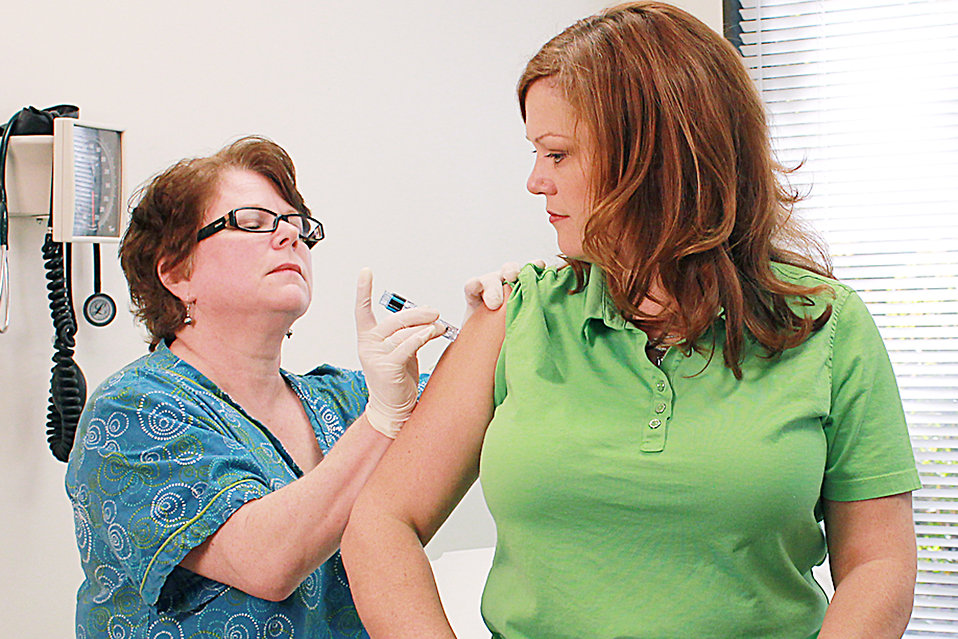
Needles: A fear of needles is a very common phobia in young people and adults alike. It is known as trypanophobia and is said to affect up to 10% of the population. Of course, no one really enjoys having an injection or getting their blood tested. But it is when this fear puts the patient’s life at risk that there is a cause for concern. You may need to receive an injection of medicine or maybe you need to give blood to help someone else. Whatever the situation, we all face needles at some point in our lives, so overcoming your phobia is essential. Cognitive behavioral therapy is commonly used for overcoming this kind of fear, and there are other things you can do yourself too. Explain to your nurse that you are nervous and make sure to reward yourself after your injection.

phobia1.png
Pixabay Image

The Dentist: Dental phobias are also very common. This can be the fear of undergoing a painful examination or the sounds and smells may bring back bad childhood memories. Whatever it is, you will be relieved to know that most dentists understand their patient’s fears and will do everything in their power to make your visit as easy as possible for you. Getting over your fear of the dentist is important as there may come a time in your life when you need emergency dental care. In order to relax more during your appointment, talk to your dentist prior about having a signal you make with your hand that shows them you need a break. Taking a friend with you or listening to relaxing music during the procedure can also help to ease your fear.

phobia2.pngPexels Image

Flying: Despite it being statistically the safest way to travel, around 20 million people in America suffer from a severe fear of flying. Many of us naturally get nervous if flying through bad weather or if there is turbulence on our flight but a true phobia of aviation can be crippling. If your fear of flying has started to have a negative impact on your life, there are things that you can do to ease your anxiety. Fear breeds on ignorance, so familiarize yourself with just how safe planes are and how they work. Speaking to your pilot before taking off, if possible, can also help you relax. Always try to travel with someone you know and trust and let them know what your triggers are so they know how to calm you down.

What are some of your phobias? What are some of your tips to overcoming a phobia? I want to hear from all of you, so leave me a comment and let’s chat! Much love. -Sarah

Post-Traumatic Stress: Dealing With Harsh Events In The Workplace

Standard
Post-Traumatic Stress: Dealing With Harsh Events In The Workplace

Hi everyone and happy Monday! I believe that everyone should feel mentally and physically safe in the environments that they are in. Whether it be at home, school, or work, being subjected to a traumatizing situation is not okay. Here is some advice for how to deal with not so nice events in the workplace.

Post-Traumatic Stress: Dealing With Harsh Events In The Workplace:

We are used to talking about stress as something that builds over time due to an ongoing situation. You have more work to deal with than you can handle and every day the pile grows. You are concerned about a health issue but worried about going to the doctor. You have an impending house move to get sorted out but not enough time to do anything.

All of these situations are classic stressors. But as they grow over time, they are what experts define as “chronic” stress. They certainly need to be addressed. You need to address the source of your stress before you can handle the situation efficiently. But there are other sources of stress that need to be approached differently because they work in a different way. These are cases of “acute stress” where the cause is something more sudden or immediate.

It’s obvious that the main place where people feel stressed is at work. Deadlines loom and the penalty for going over them is severe. People talk at you from all angles and you feel like you’re not giving any of them the attention they’re looking for. There is noise, light, and movement – all of which can make you feel overstimulated. And there is precious little scope for release.

All of these can aggravate the stress that arises when something happens to make you feel anxious. Acute stress is caused by not having the time or the chance to process something awful that has happened. And often the last person to know it is the person suffering. They may try to lose themselves in their work, when the thing causing their stress is related to that work.

Death Of A Co-Worker: Many of us – not all – have experienced the raw emotion that comes with a co-worker dying. In many cases this is sudden but even if it is after a long illness the death is still a trigger point. Certainly, in the former case it can be hard to process. You hear people say things like “but I was speaking to her only yesterday” and “he seemed fine in Monday’s meeting”. When you only see someone for eight-hour bursts in a day, them suddenly not being there can shake you.

This happens all the more often in high-stakes jobs like emergency medicine and police work. Many employers in these industries make a point of advising doctors, nurses, and officers on how to deal with a colleague’s passing. Knowing how to deal with it is one thing but dealing with it is another. And in these situations, the “he seemed fine” line is all the more potent.

Abuse In The Workplace: As much as we may enjoy our jobs most of the time, the fact is that we are in something of a captive situation. If we want to pay the bills, we have to show up when we’re scheduled to work and stay for the duration. This is what makes it all the more unpleasant if we are the victim of workplace abuse.

Workplace abuse can take many forms. It can be the bullying of a co-worker who takes pleasure from insulting us on our looks or anything else. It can be an unreasonable boss who blames us for errors that aren’t ours. It can be customers who take their frustration with the company out on us. Or it can be sexual harassment, often from a senior co-worker who has the ability to make us feel it is our fault.

All of these issues are made worse by the feeling that we are trapped with the perpetrators of our abuse. It’s essential to report it, if it happens. If a culture of bullying is allowed to develop, it can lead to dreadful consequences. As a minimum, critical incident stress management from Health Assured or similar is needed. If your job starts to feel like a prison, stress can become dangerous.

ptsd2.png

Pixabay image

A Violent Incident: Violence in the workplace can range from someone behaving aggressively to a mass-casualty attack. The people affected will include those in the line of fire, obviously, but also anyone who witnessed the incident. In the case of an attack, it can also affect the first responders and even those who weren’t there that day.

The lower grade of incident may seem like nothing to some people. What’s a little banging of desks and shouting in a pressurized workplace? But it can make people feel threatened – as the situation may escalate at short notice. And being in a workplace where there is the risk of violence is stressful. The higher grade can make people feel scared to come back to work.

Even for those who weren’t there, the consequences can be stressful. You may feel that if you had been there, you could have done something. Or that the people who suffered were innocent victims, and that by being there you could have taken their place. In such situations, it is beneficial for employers to provide an outlet. After-the-fact debriefing and counseling can help heal a workplace. After a period of recovery and, if necessary, mourning, it can let people move forward.

Acute stress is less common than the chronic form of the condition but is no less dangerous. As with chronic stress, the person experiencing it may not even realize what it is. It can be brushed off as “just not feeling quite right” or being tired. This is what makes stress so dangerous. It works unseen and can affect one’s physical or mental health.

People who don’t realize that they are suffering from stress will often push it to the back of their minds. They won’t seek help for something physical that may be aggravated by it and become seriously ill. They may not look for the emotional support they need, suppress their issues, and end up having a more acute reaction later on.

For all of these reasons it is essential to take action. To ensure that people faced with a stressful situation have an outlet for their feelings, yes. But also to make sure that a workplace can come together after a situation stronger than before.

Featured Image By: Pixabay

Don’t Feel Glum – Pick Yourself Up With These Happiness Tips

Standard
Don’t Feel Glum – Pick Yourself Up With These Happiness Tips

Hello everyone and happy Monday! I know better than anyone what it is like to feel down in the dumps. Having struggled with depression from at least twelve years old (I am 22 now), I get it. It sucks and it can be exhausting to even try to improve. But, hopefully with these pro tips, you can shrug off some of the sorrow or at the very least, shake off the Monday Blues! Let’s discuss:

Don’t Feel Glum – Pick Yourself Up With These Happiness Tips:

There are some things in your life that will get you down. Maybe you had a bad day (or month!!) at work or end up coming out of a long-term relationship. Whatever the reason, it is definitely easy to let it get the best of you. But, despite the struggle, all of these rough patches are part of life and what makes it…Well, life. However, when you are going through a difficult time, it can be tricky to remember all of this. You may feel like you will never be happy again. But that isn’t the case at all!

There are certain things that you can do to improve your mood when you are feeling down. No matter how your sadness manifests, you can still try to make the best out of your day. And all of these small things that help make you happy for a short while will eventually help you out of the rough patch that you are facing. So are you ready to cheer up? Here are some important happiness tips that may help:

Remember, There Is A Light: There is always a light at the end of the tunnel. And you need to remember that. Knowing that there will be an end to this difficult time will help you get through it. Just because you are feeling down in the dumps now doesn’t mean you still will be in the future. Keeping focused on getting out of this current situation and improving your moods will help you overcome everything. I know, it’s easier said than done!

glum1.png

Smile!

Get Support From Loved Ones: None of your friends and family members will ever want to see you sad and upset. (If they do, they are not your friends!) They will want to support you through whatever you are going through. And it is important that you use them as a great source of support and love. Even if you only use them as a shoulder to cry on! These are the people who know you best and will have a good idea of what it will take to make you happy again. Your friends will be able to cheer you up instantly and will want to spend plenty of time with you to take your mind off of things. So, next time you are feeling upset or lonely, give a close friend or relative a call. They will be able to help put a smile back on your face, which is a great look! 🙂

Stay Healthy: If you are having a hard time emotionally, it is important to keep on top of your physical health. Otherwise, you could also end up physically suffering. Many people tend to rely on comfort eating when they are feeling depressed. It is crucial not to do this, as you could experience an increase in your weight, which could lead to health conditions and possibly feeling worse emotionally. Be sure to keep up with your usual exercise schedule. Physical activity is a great way to release endorphins into your bloodstream. These are hormones created by the body, which it uses as natural painkillers. They can also give your mood a little boost. So next time you are feeling slightly down, hit the gym to get sweaty but ultimately happier!

glum2.png

 YUM

Get Help If You Need It: There are times when your emotions can be too much to deal with. If you ever feel like you are unable to continue living your life as normal during a difficult time, you should seek professional help. There are many professional counselors and therapists who will be able to talk to you about your problems. During your chats, they will help you work through your issues. When you are talking to a professional about your problem, you can be sure that the discussion will be completely confidential. They will also be able to refer you to a doctor if they feel that you might benefit from medication. Not only that, though. But many mental health professionals will also inform you of life changes that you can make to improve your moods and emotions.

Stop Relying On Substances: Some people find that alcohol and drugs can help numb the emotional pain that they are feeling. However, it is important not to rely on these substances to pin up your moods. This is very dangerous behavior as it can result in an addiction and can also be very harmful to your health. If you feel like your use of alcohol or illegal substances is spiraling out of control, you can always get help by finding a local non 12 step treatment.

glum3.png

Pexels Image

Set Small Goals For Yourself: You shouldn’t expect yourself to feel down one day and then completely back to normal the next. Getting better and feeling happier will take a lot of work. It can also be a very long and drawn-out process. As the journey back to happiness can be a long one, it can often be easy to think that you are never going to beat your sadness.

One way in which you can motivate yourself is to set up small goals. Even though it may not take much to meet them, these small successes can help motivate you and keep you going. These goals can be anything at all. Maybe you want to finish a book a week. Or go a week without sleeping through your alarm clock. By setting yourself goals, you will also be able to see your progress. And this can help you keep going to achieve happiness again.

glum4.png

 Beautiful!

Stop Dwelling: Once your happiness levels are back to “normal”,  it is important to make sure that you don’t end up at a lowest of the low point again. One of the best ways to never feel down again is to stop dwelling when something goes wrong. Instead, learn from your mistakes and failures and use them to motivate your successes. If you focus on the thing upsetting you, you will find that you may slip into bad habits again. Instead, try to keep optimistic about life. This will help you to lead a happier life and even more occasions to flash those pearly whites. 🙂

Feeling glum? It’s normal. But if you are struggling and are dedicated to improving, all of the above points can put you on the road to a happy life again! What is one of your go to methods to shaking away the blues? What is one thing that makes you happy? I want to hear from all of you, so leave me a comment and let’s chat! Much love. -Sarah

Featured Image By: Pexels

Look After Yourself Now, You’ll Still Be Healthy When You’re Old!

Standard
Look After Yourself Now, You’ll Still Be Healthy When You’re Old!

Look After Yourself Now, You’ll Still Be Healthy When You’re Old!

I’m one of those people that hates thinking about the future. I guess it kind of scares me and I hate looking ahead to a time where I’m old and wrinkled. You have to enjoy life while you’re in your prime right? But lately, I’ve begun to realize something. If I don’t look after myself now, I’m going to have a terrible life when I’m older. It’s all very well saying that it’s years away. But old age will be on us sooner than we think. Just look at the celebs who haven’t aged quite so wonderfully. Matt Le Blanc used to be a heartthrob. Now he’s…well, still a heartthrob. But a heartthrob with gray hair and a few wrinkles around the eyes. Now that I’ve thoroughly depressed you let’s look at ways to make sure your later years aren’t plagued with poor health.

Be Mindful Of Your Body: We all do crazy things when we’re younger. It’s fun to take chances and try things like bungee jumping or skydiving. Who knows, maybe you’ve gone white water rafting? These aren’t the types of things that I’m talking about. It’s the constant routine ways we hurt our body that I’m starting to get worried about. You know, things like running. I’m sure plenty of my readers love a good run in the evening after work. But did you know running could cause you to develop arthritis as early as 35? It could, particularly if you’re not running in the right shoes. Putting immense pressure on your joints could cause them to age a lot faster than you would like. You might have already noticed the signs with pain in your knees. There is platelet rich plasma for arthritis relief. but ideally, you don’t want to find yourself in this position at all.

Let Bad Habits Die: They say bad habits die hard and I certainly agree. But we still need to try, don’t we. We should be listening to the scientists about the things we do that are slowly killing us. Smoking, drinking, drugs, bingeing. All of these bad habits are having an adverse effect on our health. It’s time to get rid of them for good and stop leaving them for failed New Year’s resolutions. New Year’s resolutions are gimmicks. If you want to quit something, do it. Don’t wait for everyone else to start trying to get the monkeys off their backs. You need to start planning to quit right now!

photo2.png

Pixabay Photo

Stay Mentally Active: Lastly one of the things that terrifies me the most about getting older is the risk of Dementia. That’s why I’m determined to do everything I can to avoid it. Research shows the best thing that you can do is keep your mind active. Don’t just binge TV every night. Pick up a book and complete crosswords, jumbles (my favorite!), or sudoku. If you do this, you’ll ward off the dangers of dementia that have destroyed so many lives.

photo3.png

Exercise your mind!

There are plenty of preventative measures to take to keep yourself young no matter what your age. What are some of the ones that you utilize daily?

Featured Image Photo By: Pixabay