Tag Archives: just so you know

Uber Safety

Standard
Uber Safety

Hello! My sister, Kristen, and I experienced some travel turmoil when we were in New Orleans because our flight home got cancelled. However, that wasn’t the only incident of the day as we had an incredibly not okay Uber ride when we wanted to go to the Garden District. When we first arrived in NOLA, we opted for the “women driver only” option on Uber and that made us feel a lot more secure in a brand new city. However, I didn’t remind my sister to select that option again when we went to the Garden District as I thought it was an automatic setting. We ended up having a driver that made some highly inappropriate comments and drove like an absolute mad man. We’re talking swerving, we’re talking speeding, we’re talking running over curbs/sidewalks, and almost getting into several accidents. It was VERY scary.

After this experience, we were left with literal heart palpitations as we made our way through the Garden District and then the punches kept coming shortly after with the cancellation of our flight. We were blessedly able to catch a plane home the following day after many, many delays! That morning we, of course, selected the women driver only option and had the coolest lady ever get us to the airport. We talked to her about our ride from the previous day and she shared some very good advice that I wanted to pass on to all of you. This is information that you never want to need but it’s so important to have a safety plan no matter the situation:

When we told her about our ride, we mentioned that we honestly didn’t know what to say to get ourselves out of the car and were too scared to say pull over. And, in the moment, our minds were blank to come up with anything at all. So, she gave us an alternative. Our driver said if we find ourselves in a situation like that, start bringing up food, drink, and bathrooms. IE: Oh is that a Wendy’s? Can you actually drop us off here? I’m feeling a little nauseous. Or: A gas station! I could use some Gatorade, I feel queasy after all the walking we did. These are perfectly valid, common statements and no one wants someone getting sick in their car. AND you will be in a public area where people will have eyes on you. As soon as the coast is clear – report, report, report the driver.

Our driver then went on to say that she has a safety plan in place for herself too. If she ever feels uncomfortable when providing rides, she pulls over to the most public area she sees first. She then gets out of the car and begins to walk towards a crowd of people. Eventually, the person she is driving figures it out and exits the vehicle. And, should they have anything to say, she is surrounded by people. Once again, as soon as the coast is clear – report, report, report the rider.

I am SO appreciative to our driver for sharing this advice because it was so smart and simple enough to stay with you. If you use Uber often, have a safety plan and a backup one too because you really just never know.

What are some of your rideshare or travel safety tips? Have you had an experience similar to ours before? I want to hear from all of you, so leave me a comment and let’s chat! Much love. -Sarah


10 Money Mistakes Most People Don’t Realize They’re Making

Standard
10 Money Mistakes Most People Don’t Realize They’re Making

Most people believe they are good with money, able to manage their finances without issue, and ensure they have enough in the bank to keep their households running smoothly. But so many individuals make significant mistakes in regards to money management, consistently losing small amounts without noticing in a completely avoidable and unnecessary way. These mistakes are common, and are often so subtle that they go under the radar. Each error might only cost a small sum, but over time these issues can add up to a significant amount. Fixing these money mistakes and building good habits can lead to huge savings in the long run. The following article outlines ten of the biggest mistakes everyday people make when it comes to their finances, and some smart ways that you can avoid them and save money:

Small purchases quickly add up. If you are partial to a daily coffee shop beverage or a snack from your favorite deli, there is nothing wrong with the occasional treat. But if these little expenses become a regular occurrence, it’s easy to underestimate just how much they are setting you back. Track your spending with a budgeting app, making a note of everything you buy in a week and categorizing your purchases into groups, such as food and entertainment. This will make you more aware of where your money is going, and make you more mindful next time you go to grab your wallet.

We all have regular subscriptions that suck money out of our bank accounts every month. From streaming services to gym memberships, some of these payments may be essential to your life and well-used. Others, on the other hand, could just be wasted money. Have a monthly review of your subscriptions, cancelling or pausing any that you don’t currently make use of.

A lot of people renew services like insurance and utilities automatically every year. This does reduce the headache of applying annually, but it almost certainly costs more than the alternatives. Rather than auto-renewing, compare deals from different providers to find the cheapest option. Loyalty means convenience but it doesn’t always translate to savings. Use comparison sites to find bargains and always pick the best value deal.

Too many individuals sign finance agreements without fully understanding the terms. This is commonplace, because most people have no comprehension of the complex jargon involved in legal documents and paperwork. There are often extra costs involved such as interest fees and admin charges that aren’t always clear upfront. It’s important to understand what you are signing up to, and don’t be afraid to ask questions if you’re unsure. When buying a vehicle, for example, many people explore options like car finance claims if they feel their initial agreements were unfair or unclear.

It’s so easy to get a credit card these days, putting all your expenses on plastic and not having to think about them until the end of the month. But such easy access is dangerous, as it often leads to major overspending. Not to mention the interest charges that increase the overall cost and the risk to your credit score which could impact later purchases such as cars or mortgages. Use credit carefully and make sure to pay all balances quickly.

Unexpected expenses can arise when they are least wanted. Your car breaks down and you need a new one or your house floods and you have to replace all your furniture. Whatever it is, you’ll be thankful for an emergency fund in the bank. If you have the capability to put a little bit of money aside each month into an emergency pot, this can save you when problems arise in the future.

Sometimes it’s easier to pay a little bit more money for the added convenience of a particular service. This might mean buying an expensive takeaway instead of preparing a home cooked meal. Or getting a taxi home from a night out rather than waiting for the bus. Sometimes convenience is essential, but it’s important to balance it with cost. If you can save money on the less speedy alternative, your bank account will thank you for it. This links back to the need for tracking your spending and being aware of where your money is going.

Do you always buy the cheapest or best value option? The answer is probably not. But maybe you use these outlets for convenience or simply out of habit. The price differences from one place to another, or even between similar products, might seem negligible, but they can really accumulate over time. Try comparing prices and shopping smarter to reduce your expenses and have more money left over by the time your next paycheck arrives.

Maintenance is a chore, whether it’s on your car, house, or appliances. But it is essential to keep items in good condition and prevent the risk of costly repairs cropping up down the line. Prevention is the best cost saving strategy. Inspect your home, vehicles, bikes, and other equipment regularly, teaching yourself how to perform basic maintenance and make minor repairs. For anything major, call in a professional. This will save you a fortune in the long run.

Finally, one of the biggest mistakes people make is not having financial goals, which can lead to unfocused spending and a lack of savings. Set yourself short term and long term targets, such as putting aside a certain sum of money every month or having enough to buy a new car by the end of the year. These goals will help you with financial management as they will give you motivation to make better decisions with your money.

Ready, set, save with the tips above!!

Featured Image By: Pixabay

How To Protect Your Property Value From Long-Term Moisture Issues

Standard
How To Protect Your Property Value From Long-Term Moisture Issues

The vast majority of homeowners think about water damage in cataclysmic terms – a burst pipe, a flooded basement, an appliance that fails overnight. But in reality, the kind of damage that quietly but inexorably eats away at property value rarely announces itself. It seeps through a hairline crack in a window seal, makes its way behind the drywall via a pinhole plumbing leak, and rots structural studs for months before a homeowner so much as sniffs the mildew that even small delays in water damage clean-up or repairs can add zeros onto the cost to fix it. Let’s take a look at how to better protect your property from this kind of damage:

An unexpected flood would be easier to notice and manage than a slow leak. When you notice it, you can take action. However, a slow leak remains out of sight while the costs accumulate. The unseen cost of leaks is the most severe. The water trapped in your walls could cause your wood framing to start rotting in days. The insulating capacity of saturated insulation is nullified. Mold spores feed on drywall paper. All of this goes unnoticed because it is not yet severe enough for substantial reparation. The white powdery substances in the basement or crawl spaces, called efflorescence, are generally the first consequences of constant water seepage. Homeowners commonly think it’s a minor issue. It’s not. Water pressure from underground is causing the foundation wall to deteriorate, worsening every wet season.

Unhealthy air quality caused by mold and high relative humidity is a known contributor to what we used to call Sick Building Syndrome, a constellation of occupant health issues that can be directly traced to the building itself. A qualified pre-sale inspector armed with a thermal imaging camera can pinpoint moisture entries into wall cavities, all invisibly and non-destructively. That information in their report can put the kibosh on a contract right there or inspire a very sharp pencil where the contract price is concerned. Buyers and their agents understand: Hidden moisture translates to unseen magnitude. The mean residential water-damage insurance claim is $11,605 (American Insurance Association), and that doesn’t account for depreciated resale, or clean-up bills on work nobody could see to inspect.

The land surrounding your property must do its job in your favor. The slope of soil away from the foundation, also known as grading, is what defines if rainwater will flow towards your slab or in the opposite direction. If the grading has become flat or pitched inward with time, water accumulates against the foundation. Gutters and downspouts are also important, but most homeowners overlook the discharge distance. A downspout extension must carry water at least five to ten feet away from the foundation. If it discharges water two feet from the slab, it’s not performing its function. Check this aspect, repair it, and check it again after it rains. Crawl spaces require vapor barriers to avoid ground moisture migrating upwards within the building. If your crawl space has exposed soil, that moisture will go somewhere, and the most likely place is the floor joists.

If water gets in your home, the typical response is to open windows, set box fans blowing, and give things a few days to dry out. The reality is that almost all of the damage that happens after a home flood is secondary damage that could have been avoided by a more immediate professional response. Standard fans simply push increasingly humid air around a space, they don’t extract moisture from subflooring, wall cavities, or ceiling joists. In fact, without adequate dehumidification and accelerated airflow causing more rapid vapor pressure differentials, fans can actually exacerbate the situation by driving more moisture into the structure before surface water begins to evaporate. For actual structural drying, you need the precise temperature, humidity, and airflow control that comes with professional mitigation.

In high-humidity climates, that becomes especially crucial because mold colonies can establish within a day or two. Household equipment simply isn’t up to the task of drying fast or deep enough in a high-humidity environment. Homeowners in those areas need professionals like United water restoration Group of Orlando with the gear to handle that kind of environmental urgency and the expertise to know when conditions have deteriorated to the point that they require high-level bacterial, viral, and mold remediation backed by IICRC-certified protocols.

Having your professional restoration documented establishes a paper trail for the benefit of you as a seller. Having a detailed explanation of work, as well as moisture readings taken before and after the restoration work, and obtaining third-party certification that all work was completed can leave little room for prospective buyers and their representatives to wonder what work was performed or whether work was performed to a satisfactory standard. Sellers with access to this documentation can close quicker and leave less on the table. Sellers without this documentation are at the mercy of buyers who are able to question the status of systems with unknown moisture history.

As you can see, there is so much more to water damage than meets the eye. Be vigilant in protecting your home so it can always be dry and comfortable!

How To Sharpen Up Your Senses

Standard
How To Sharpen Up Your Senses

Like the old saying goes: You don’t know what you’ve got until it’s gone. This is certainly true of your senses, which is why it is so important to look after all five of them in the best way that you can. In this blog post, we will give you a general overview of how you can protect them so that these senses can always stay sharp:

Beyond the age of 45, your eyes tend to dry out resulting in light sensitivity, blurry vision, and burning eyes. A diet rich in omega-3s such as fish or walnuts can help to keep this condition at bay. You can also get prescription drops as a way of stimulating tear production. Taking supplements such as vitamin C can help to prevent cataracts in the future. You should also try to avoid prolonged sun exposure by taking regular breaks and investing in a good pair of sunglasses for driving or outings.

The older you get, the weaker your sense of smell becomes. You should be aiming to minimize your contact with smoke and household chemicals. There is also some evidence that the more you seek out different scents, the better you can protect your sense of smell. A couple of things that you could include in this sniffing exercise include peppermint and cinnamon. You could also make potpourris to place throughout your home to help keep your sniffer strong.

The first thing that you should do to protect your sense of taste is practice good oral hygiene. This will help to keep your tongue in good condition and protect your taste buds from infections. Though there isn’t much that you can do to reclaim your sense of taste, what you can do is add extra spices and flavorings to your food. If you find that you are suffering from a dry mouth, you should aim to reduce your intake of dehydrating substances like caffeine and alcohol.   

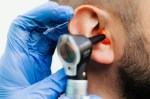
You should have a hearing test if you notice any issues or if you simply want to gain some peace of mind. Prevention is important when it comes to hearing, so you should wear protective devices when you are exposed to any loud noises. Don’t listen to music through headphones at too loud a volume or for too long. If you have already damaged your hearing, you should speak to your doctor about being fitted with a hearing aid.

As you start to get older, your skin becomes less elastic and you are likely to lose sensitivity over time. A few of the ways that you can help to prevent it include a healthy lifestyle full of regular exercise, a low-fat diet, and not smoking. Taking aspirin will dilate blood vessels and improve circulation therefore increasing stimulation of the dermis.

Of course, age-related sensory decline is an inevitable fact of life, but there are plenty of ways that you can protect all five of them in the best way possible. Following some of the advice in this article is a great starting point!

Featured Image By: Pexels

Ways To Keep Your Mental Health In Check

Standard
Ways To Keep Your Mental Health In Check

Your mental health does not have to stop you from living your life. When you’re struggling within your own head, the outcome of a long term solution often looks bleaker than it actually is, and you’re just going to need to trust us on that. But, what we want to talk to you about is the fact that you can still live your life and make it a beautiful one even when you’re struggling. Not sure how? We’ve got you covered:

We want to start by recommending that you’re getting enough sleep. You might think that this sounds extremely obvious, but there are many people that struggle with sleep and this alters their mood and the way that they feel. If you’re having trouble sleeping, you need to start looking into solutions for this as it can be incredibly beneficial. This is going to include things like setting yourself a bedtime and trying to wake up at the same time every day so that your brain gets into a routine. A lack of sleep can always make everything feel worse, but if you’re getting those seven hours per night, things might seem a little brighter.

The next thing that we want you to do is acknowledge how you’re feeling. The thing that people forget when it comes to their feelings is that you shouldn’t be pushing them back, but instead you should be feeling them. You need to acknowledge how you are feeling and deal with it, rather than suppressing it and then having to feel it overwhelmingly later down the line. It’s important to know how you feel as well as having a handle on your emotions or at least be able to name them and identify the why to help better support your mental health.

Last but by no means least, you might need to get help. Not everyone will, but if you know that you’re struggling, then this is the right thing to do. You can reach out to a professional, see what they have to say, and take it from there. It’s entirely possible that you’re going to want to back out of this a few times, but it will be okay once you find the right treatment. For example, you might find that behavioral therapy is a good fit for you or you might find that a new ketamine treatment helps. You won’t know until you get your feet through the door first.

Improving your mental health can be done in small steps that add up to make a huge difference!

Featured Image By: Pexels

Are You Looking After Your Hearing Right?

Standard
Are You Looking After Your Hearing Right?

Protecting your hearing is a huge part of protecting both your mental and physical health and there are a lot of things you might want to think about to ensure that you are doing this effectively. In this post, we are going to consider some of the main ways in which you can look after your hearing with best practices you can start today. Like the following:

Hearing loss is rarely dramatic at first. It tends to creep in. High-frequency sounds usually fade before lower tones, which means consonants like “s,” “f,” and “th” become harder to distinguish. Conversations start to sound muffled, especially in places with background noise. You may still hear that someone is speaking, but clarity drops away. The brain works overtime to fill in the gaps. That mental effort can be surprisingly exhausting. Many people attribute the fatigue to stress or poor sleep, never suspecting that straining to hear is draining cognitive energy throughout the day.

You do not need to stand next to jet engines to risk damage. Prolonged exposure to everyday noise can be enough. Traffic, construction, power tools, loud gyms, concerts, and even constant headphone use all contribute. A good rule of thumb is this: If you need to raise your voice to be heard at arm’s length, the environment is probably too loud for prolonged exposure. The same applies to headphones. If someone sitting next to you can hear your music clearly, it is too loud. If you are using them for hours a day, even moderate volume can become an issue over time.

^^^ Pexels Image

One of the most overlooked parts of hearing care is simply having a hearing test. Many people wait until they notice a clear problem, but by that stage, changes may have been happening for years. A professional hearing test is quick, painless, and far more detailed than most expect. It measures how well you hear different frequencies and volumes, identifying patterns that might indicate early-stage loss, noise damage, or other issues. Even if your hearing is currently fine, a baseline test gives you something to compare against in the future.

Looking after your hearing does not require drastic change. Often, it is about consistent small habits. Lower the volume on personal devices and use noise-cancelling headphones rather than turning music up to drown out background sound. Wear proper ear protection when using power tools or attending loud events. Give your ears rest periods after exposure to high noise levels. Be mindful of ear hygiene too. Cotton buds can push wax deeper into the ear canal, potentially causing blockages. If you suspect excess wax, professional removal is safer than attempting to clear it yourself. Hydration, general cardiovascular health, and avoiding smoking also play a role. The inner ear relies on healthy blood flow, and what benefits your heart often benefits your hearing as well.

Can you hear me now? Good! Keep it that way with these tips!

Featured Image By: Pexels

Hurray For 27K!

Standard
Hurray For 27K!

Howdy! Way back in March of 2025, I saw myself out of a crappy job and had a bit of free time to kill before booking myself up again with clients. I enjoyed some much needed downtime and while I was shooting some content at home, I decided to go ahead and make a TikTok too. As you all know, I am a word girl through and through and pivoting to video content was a big leap for me. Like when I started my blog, my main priority with TikTok was having some fun being creative. And you know what? It has been fun! For almost a year now I have been posting daily content on my TikTok too and I’m really proud of that effort because it still seems like a polar opposite world to writing on the ol’ blog. I am also incredibly pleased with the results as I just crossed the threshold to twenty-seven thousand likes!

If you have ever found yourself thinking “Wow, I wish I had more Lil Red in my life”, then I would so love it if you followed me on TikTok. Even if you have never had that thought, I would so love it if you followed me on TikTok! It’s a goofy little corner of the internet with my daily antics, bonus OOTD content, and delightful cameos that include Johnny, my parents, and Archie the family dog. My bunny babies, Melvin and Penelope, never sit still enough to bask in their cuteness! There’s no rhyme or reason to what I post and I refuse to follow trending content. Rather, I post what I like and the fact that I have 27K likes to show for it is crazy to me! 😀

I am so close to thirty thousand likes that I can taste it. To some, that might not seem like a lot. To me, it is a huge validation. My TikTok really is just a for funsies page and the fact that I am having a blast and have some likes to show for it is a major feather in my cap. Do I expect to be a major TikTok influencer? Absolutely not and that is a-okay! My reward has been far greater. It has given me even more confidence in my content creating ability and it feels good to carve out another space that is just for me. A space to explore a different medium of creating, give exclusive looks that you don’t see on the blog, and hopefully put a smile on someone’s face. This 27K might as well be twenty-seven million and I am so excited to continue with my daily content streak. ❤

When you are sick of doom scrolling, take a breather on my TikTok. I can’t wait to see you there!! 🙂

What if your favorite social media platform? What is your favorite medium of content? I want to hear from all of you, so leave me a comment and let’s chat! Much love. -Sarah

How Technology Has Changed The Performance Of Modern Hearing Aids

Standard
How Technology Has Changed The Performance Of Modern Hearing Aids

The technology within many of the modern hearing aids nowadays is incredible. It’s a lot different from the older versions, some one or two decades ago. Modern hearing aids have been transformed by AI, Bluetooth, and advanced signal processing. It’s shifted from simple amplification to intelligent and personalized sound enhancement. In this guide, we’ll take a look at how technology has changed when it comes to the performance of modern hearing aids and how they’re something to be sought after, rather than avoided by people who need them:

AI enables hearing aids to learn user preferences, whilst automatically adjusting settings in real-time. It helps you to switch from a quiet room to a busy street without needing to do anything. AI hearing aids are certainly the future of hearing aid technology.

With modern devices, they analyze sound in real time in order to reduce background noise and instead focus on speech. It allows the user better hearing in complex and noisy environments.

Modern hearing aids now eliminate the need for small, disposable batteries. Instead, users benefit from rechargeable hearing aids that can be charged overnight while you sleep. It provides all-day power, which is highly beneficial for uninterrupted audio experiences.

With modern hearing aids, it works with smartphone apps that allow users to fine-tune sound, adjust volume, and help to monitor battery levels directly too.

Some advanced models will include sensors that monitor physical activity, analyze environmental data, and track your heart rate, too. These insights can be great for improving your overall health and not just your hearing.

Audiologists are now able to adjust hearing aid settings remotely. It removes the need for in-person appointments for any minor tweaks that need to happen, which is helpful for those who might not live near an audiologist or hearing center.

With smaller and discreet designs, you’re getting a more comfortable and less noticeable device.

There are some tell-tale signs that you need a hearing aid or two. Such signs include the following:

  • Difficulty with conversations – Frequently asking people to repeat themselves.
  • Volume adjustment – Turning up the TV or radio to levels that are too loud.
  • Muffled sound – Voices and surrounding sounds are muffled or unclear.
  • Tinnitus – Persistent ringing or buzzing in the ears.
  • Social withdrawal – Avoiding social situations as it’s too exhausting or difficult to keep up with conversations.
  • Fatigue – Feeling stressed after conversations and fatigued as your brain is working harder to understand sounds.

Technology has changed the performance of modern hearing aids, so explore what they could do for you if you need them in the future!

Featured Image By: Unsplash

Early Signs Of Hearing Loss Every 20 Something Should Know

Standard
Early Signs Of Hearing Loss Every 20 Something Should Know

Anyone can lose their hearing. No matter how old you are or how healthy you feel, your hearing can be affected by your day to day activities. Too much loud noise at home, in the workplace, or coming through your headphones and you could be dealing with a lower level of hearing. And for some people, genetics play a role in causing hearing loss at a younger age. It’s a complex thing, and it’s something to keep an eye out for so you can act in time. As such, here are some of the most common early signs of hearing loss that you should know about as a young adult:

Have you started needing to turn the volume up on your phone, tablet, or TV much louder than you used to? Say you always had the volume set to fifteen and that was fine, but these days you need it at twenty and above. Dialogue just doesn’t feel all that easy for you to parse anymore. It could be an issue with the device itself, of course. It could also be a problem with the way the sound was recorded for whatever media you’re watching. But it could also be a sign your hearing has been impacted.

Are you noticing that more and more people are saying you’re talking quite loudly, but you didn’t even realize? That could be a sign of hearing loss, especially if no one really said anything like this to you before. Or alternatively, you think you’re speaking at a normal volume, but everyone’s suddenly telling you that you’re being really quiet. Both of these things can, in fact, be a sign of hearing loss. And when it comes to difficulties in general conversation, a trip to the audio doctor is the next best thing to plan. After all, you could be in need of hearing aids. And if you do, there’s no need to worry. There are plenty of different styles and options to suit your ears, lifestyle, and personal preferences. Plus, your audiologist will be there to walk you through choosing a set that’s right for you.

It’s hard to notice when you’re not noticing something – that’s why it’s called ‘background noise’. But if you’re never noticing when there’s some sound going on around you, it could be another sign you’re dealing with a form of hearing loss. Maybe cafes aren’t as loud as they used to be, as you haven’t really heard much chatter going on around you? And what about when you’re on the bus to work – does the sound of the bus sound as loud as it used to? The next time you get the chance, focus on the background and see what you’re picking up.

Hearing loss can creep up on you, and it can happen at any age. Pay attention to signs like these to prevent the problem from getting worse!

Featured Image By: Pexels

Who Said Home Security Had To Ruin The Look Of Your Interiors?

Standard
Who Said Home Security Had To Ruin The Look Of Your Interiors?

Home security is obviously important. Cameras and other protective measures can help you to sleep at night, and they also act as a real deterrent for thieves in the area. But, when it comes to implementing the right security systems at home, you might also worry how they’ll work with your home decor more generally. Of course, safety is always more important than style, but you’ve probably spent hours designing your home. It’s natural if you’re reluctant to add hefty cameras or deadlock bolts. But you can’t risk your safety for aesthetics alone. So, is there a middle ground where you can get the best of both worlds? We’re pleased to report that the answer is a resounding yes. In fact, it’s easier to integrate attractive, harmonious security now than ever before. Keep reading to find out how:

When we think about home security, most of us picture very visible equipment, but remember that not all security measures need to shout about themselves. Less visible options, such as window films, are a great way to get a safer home without impacting your interiors at all. By reaching out to a security window film supplier, you can reinforce your property’s weaker areas, without that protection being visible to the naked eye. That’s because window films are designed to be fully transparent, buying you peace of mind while still freeing you to choose whichever curtains you fancy.

Unsplash Image

CCTV in your home doesn’t need to be as out-there and obvious as it is in a commercial setting. There are now plenty of discreet home security cameras, many of which are actually available inside the home decor items that you’re likely already buying. Hidden cameras are available in everything from picture frames to air fresheners and wall clocks. You can even get cameras that are hidden in children’s toys! These additions look no different from a standard piece of home decor, and choosing carefully can help you find pieces that work perfectly alongside your color scheme and other decor items. Simply make sure you’re placing them in the right position to protect potential entry points around your home.

We don’t often think of lighting as a security feature, but considering that it improves visibility and makes it much harder for thieves to sneak around, it very much is. Luckily, lighting is also already something that you’re using in your home, and it can be a great home feature in itself. In fact, you can keep the lighting fixtures you already have and still benefit from additional security protections. Simply invest in motion sensors that allow your lights to turn on when someone approaches. These lights can look great while also acting as a major deterrent if you place them near any doors and walkways.

Unsplash Image

Home security doesn’t need to be an eyesore if you tackle it with these top decor tips in mind!

Featured Image By: Pexels