
Turning a photography hobby into a profitable side hustle is a rewarding journey, but it requires planning, patience, and a few smart strategies. From investing in equipment to building an online presence, there are several steps that can help hobbyists start earning from their passion. Here’s a guide to making photography not just something you love, but also a way to bring in extra income:
Invest in quality equipment:
To go from hobbyist to professional, good equipment is essential. While it’s tempting to stick with basic gear, investing in a high-quality camera, lenses, and lighting tools can significantly improve your work. Clients expect sharp, clear, and high-resolution images, and the right equipment makes that possible.
Beyond a great camera, consider investing in accessories like a tripod for stability and external flashes for better lighting in different settings. Drone photography is also becoming popular; if you’re interested, check out sites like drdrone.ca for equipment that allows you to capture stunning aerial shots. Professional tools not only enhance image quality but also make the shooting process smoother and more enjoyable.
Build a diverse portfolio:
A strong portfolio is key to attracting clients. Choose your best work across different photography styles, whether it’s portraits, landscapes, events, or products, to show potential clients what you’re capable of. It’s a good idea to include a variety of shots to demonstrate your range and versatility. Updating your portfolio regularly keeps it fresh and relevant to current trends. If you’re interested in specializing in a particular niche, such as pet photography or food photography, create a separate portfolio for that to attract specific clients.
Learn basic editing skills:
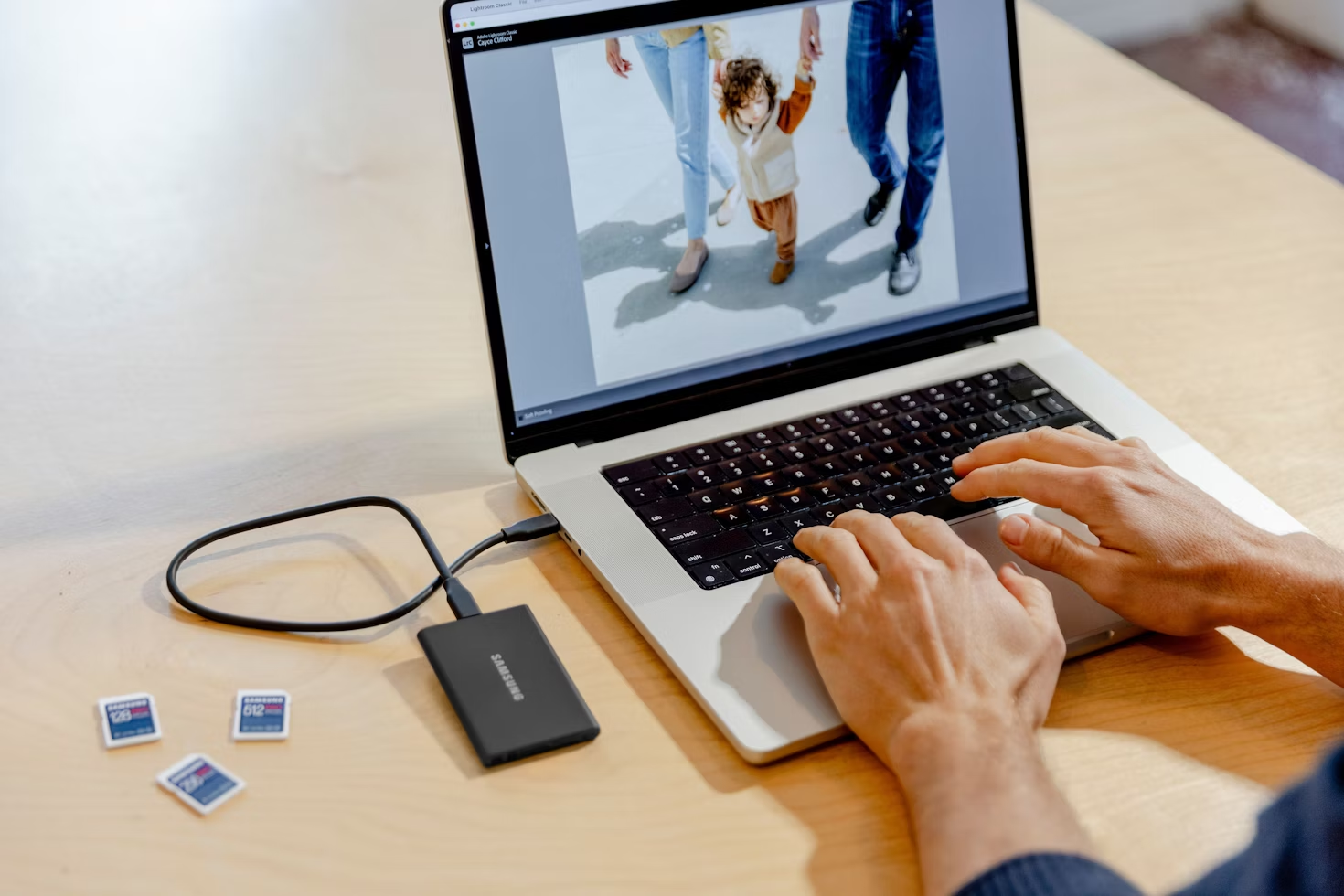
Editing can make a big difference in transforming good photos into amazing ones. Learning to use photo editing software like Adobe Lightroom or Photoshop helps enhance colors, correct lighting, and remove minor imperfections. These tools are essential for creating a polished final product that clients will love.
Define your photography niche:
Specializing in a specific area can help you build expertise and attract targeted clients. For example, some photographers focus on portraits, while others might specialize in events, food, or real estate photography. A niche allows you to tailor your style and skills to meet the needs of a specific audience. Selecting a niche also makes it easier to market your services, as you’ll be able to identify and connect with clients interested in that area.
^^^ Unsplash Image
Create an online presence:
An online presence is crucial for any side hustle, especially in photography. Start by creating a website or portfolio page where potential clients can see your work, learn about your services, and contact you. A simple, clean website showcasing your best shots and providing clear contact information can make a strong first impression. Social media platforms like Instagram and Facebook are also powerful tools for reaching a larger audience. Regularly posting your work and engaging with followers allows people to get a sense of your style and personality.
Set competitive pricing:
Setting fair, competitive prices can be challenging, but it’s essential for building a successful side hustle. Research what other photographers in your area are charging and consider factors like your skill level, equipment costs, and editing time. Starting with a lower rate can attract clients initially, but be ready to increase prices as you gain experience and build a portfolio.
Network and build client relationships:
Building strong client relationships is one of the most effective ways to grow a photography side hustle. Satisfied clients often recommend you to others, which can bring in new business without extra marketing efforts. Delivering high-quality work, meeting deadlines, and communicating clearly shows clients they can rely on you.
Manage time and finances wisely:
Managing time and finances is crucial for a successful side hustle. Since photography often requires both shooting and editing, it’s easy to underestimate how much time goes into each project. Setting a schedule for editing, responding to clients, and marketing your services helps you stay organized and meet deadlines consistently. Budgeting is also important, especially if you’re investing in equipment or software. Tracking expenses and income gives you a clear picture of profitability, and it’s helpful to set aside funds for upgrades or unexpected costs.
Keep improving and learning:
The photography industry is always evolving with new techniques, styles, and technology emerging regularly. Staying current by taking courses, reading photography blogs, or attending workshops helps you improve your skills and stay competitive. There’s always something new to learn, whether it’s advanced editing techniques, posing tips, or how to use different types of equipment.
With these tips, we hope you can create a lucrative photography side hustle!
Featured Image By: Unsplash























































 lifewithlilred