Category Archives: Health

Covid Chronicles

Standard
Covid Chronicles

Howdy!! On Friday morning I was ecstatic. I had a short shift, then I was going to get my hair done. Afterwards my best friend was going to come over for our Christmas celebration and a Chinese food dinner and it was going to be a perfect day. Until I got a fateful text from Johnny at six in the morning that his boss had Covid. In an instant, my stomach dropped and my plans flew out the window before I even took a test. Somehow, I just knew and the faint pink positive line on my test confirmed it. I promptly said goodbye to my perfect day and Johnny and I hunkered down together in our covidness.

I believe this is our fourth round of Covid and, I have to say, this time around was a breeze. I felt excellent and would have had no idea we had Covid if we weren’t aware of the exposure. Johnny, on the other hand, felt a little crummy but it was more like how you feel when the weather shifts suddenly. This also made sense for him to feel that way as the weather in our neck of the woods took a drastic dip into low temps with snow. Alas, we were both positive and it positively sucked to have so much we were looking forward to cease to exist…. but did it really?

Lol, listen I was not thrilled whatsoever when my test was positive. However, looking on the bright side – I literally never take time off and my holiday break just came slightly early. I swear, every time I go for months on end without taking a day off, the world says hold my beer and gives me the flu or, in this case, Covid with no symptoms. Minus my big weekend being canceled, this was the best case scenario and I planned on enjoying it!

During my Covid stint I watched So. Much. TV! We’re talking Gypsy Rose Life After Lockup, the reunion of The Secret Lives Of Mormon Wives, St. Denis Medical, and so much more. Not only did I have a healthy bingeathon but I also had fun playing Animal Crossing again after three years and one month lol. Once the cockroaches from my house were clear, I got back into the groove of island life and am eagerly awaiting the update in January. I forgot how much I liked playing Animal Crossing after being apart from it for so long. I guess I played my fill when the peak of the Covid-19 pandemic was happening!

It’s funny because I texted my blogging bestie to complain about my positive test and I said something along the lines of “I think people just forgot to test for Covid when they aren’t feeling well”. But the thing is, I forgot too. It has been a long time since Covid was headline news that it was easy to chalk it up to a thing of the past. It is still very real, though, so do be sure you get a few tests as the holiday season approaches. Then, everyone can gather safely together and have a blast celebrating. ❤

My Covid Chronicles read more like a really lazy handful of days off and, hey, I’ll take it. Stay healthy and stay safe, everyone!

What is your favorite lazy day activity? Have you been sick recently? I want to hear from all of you, so leave me a comment and let’s chat! Much love. -Sarah

How To Shop For Your First Pair Of Hearing Aids

Standard
How To Shop For Your First Pair Of Hearing Aids

Shopping for your first hearing aids can feel a little daunting, especially if you’re not sure what you’re looking for or what the market of hearing aids looks like nowadays. There’s been a lot of significant advancements in hearing aids, so your idea of what they might look like may be a lot different from reality. It’s good to know what to expect when shopping for hearing aids and what steps are required to get them that are tailored for you and your hearing needs:

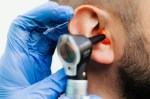
The first step to getting hearing aids is to book in with your local hearing specialist for a hearing test. A comprehensive hearing test will look at anything and everything when it comes to your hearing to understand what exactly is missing and what needs improvement. Have a thorough hearing test to not only check your hearing but to rule out anything that might be underlying as a medical condition that you weren’t even aware of. There are often reasons why your hearing loss is the way it is, and for some, that might be an infection or wax buildup.

Based on the test results you’re given, the audiologist will recommend some suitable hearing aid options. These may be prescription or over-the-counter options. Those who have mild to moderate hearing loss can purchase OTC hearing aids, but those with significant loss will be required to work with a professional to get a prescription device instead. This is due to the need for custom fitting and ongoing support for the user. Shop around for your options, as hearing care providers will often set their own prices and costs, which are bundled into the service.

This may be the point at which you realize that the options for hearing aids are vast and a lot more versatile than you first thought. To find hearing aids, the right style and features are a personal choice. Take a look at everything that’s offered to see which ones match your style and needs. Common devices include Behind-the-Ear (BTE), Receiver-in-Canal (RIC), and In-the-Ear (ITE) or Completely-in-Canal (CIC) models. Features of the device are important to consider too, like noise reduction, rechargeable batteries, and Bluetooth connectivity, for example.

Before you commit to the hearing devices, review any associated policies and be aware of any warranty attached to them. Be aware of what trial period you have available so that if needed, you can return them for a refund if they don’t work well for you. You also will want all of the details when it comes to the aftercare of your devices to ensure its longevity.

Finally, it’s time to get the hearing aids fitted properly and to adapt to these devices as you navigate day-to-day life. Keeping up with follow-up appointments will help to address any concerns you have so that adjustments can be made accordingly.

Life will change for the better once you find the hearing aid that is just right for you. Use the tips above to get started!

What To Do When You’re Worried About Your Child’s Health Problems

Standard
What To Do When You’re Worried About Your Child’s Health Problems

It’s completely normal to be worried about your child’s health problems. After all, you love them and want the best for them. But what should you do if you find yourself in this position? What action should you take? This issue comes up more than you might think. Many parents go into meltdown when something goes wrong with their child’s health, no matter how minor it might seem on the surface. Fortunately, we’ve written this guide to help. It runs through some of the tactics you can use to be your best to help your kiddo:

One of the best things you can do as a parent in this position is trust your gut. Accepting what’s happening and then trying to get to a solution is essential. Usually, you’ll know if something is seriously wrong or not. What’s more, as a parent, you know your child. You understand what’s normal behavior for them, and what isn’t, so your senses are attuned to theirs.

It’s a good idea to track their symptoms. You want to know how they’re evolving over time. If you can figure out when it started and then measure the severity, you’re often in a good position to know how long it will take them to recover and what’s wrong. Tracking symptoms is also going to be so helpful when you take your child to the doctor so they will have a full history of the problem.

Red flag situations are when it is essential to take action. For example, things like a high fever or persistent vomiting: these are signs that something might be seriously wrong. You might also notice things like not responding to sound. Perhaps they need to go to the audiologist for grommets or hearing aids. Seizures and extreme lethargy or not waking properly are all red flag signs too. Get help immediately.

If you encounter something you haven’t seen before or symptoms seem worse than usual, getting on the phone with the pediatrician is a good idea. They can provide advice on what to do next, including whether or not to go to hospital.

Sometimes, just providing your child with some comfort can have a profound effect on their well-being. Their bodies are highly tuned to their surroundings. Even skin-on-skin contact, which seems quite simple, can have a huge effect. You can also do things like bring them their comfort items or put them in a room that feels safe to them. These small changes may improve their health.

Lastly, if you do go to the doctor with them, don’t be afraid to ask dumb questions. The more of these you pose, the more likely you are to understand what’s happening in the future if something similar happens again. Every question you have is worth asking and your child’s appointment is the time to do so.

Any health concern for your child can be scary. Keep a level head, find a solution with the doctor, and do your best to accommodate!

Featured Image By: Unsplash

How Hearing Loss Affects More Than Just Your Hearing

Standard
How Hearing Loss Affects More Than Just Your Hearing

Hearing loss can feel like a gradual change at first, but it affects far more than just the sounds you hear. It can change the way you move through your day, how you communicate and even how confident you feel. Because it often develops slowly, you might not notice the full impact right away, but those little struggles can add up over time. Understanding how hearing loss reaches into different parts of your life can help you spot changes earlier and get the support you need. A simple hearing evaluation can give you clarity, but paying attention to the emotional and social effects is just as important:

When sounds become harder to follow, it’s natural to lose a bit of confidence in certain situations. You might avoid busy restaurants, step back during group conversations or worry that you’ll miss something important. These small moments can slowly change how comfortable you feel in everyday life. Over time, this can make you second-guess yourself, even in settings where you used to feel relaxed. Getting support early helps you feel more secure, because clearer sound reduces the effort you need to keep up and brings some of that lost confidence back.

Clear communication is a big part of staying close to the people you care about. When hearing becomes difficult, you might miss jokes, misunderstand comments or feel a step behind in conversations. These small gaps can make socializing feel more tiring than enjoyable. If this keeps happening, it can quietly hinder your friendships, because you may start turning down plans or avoiding noisy places where conversation is harder. With the right support, you can stay fully involved and enjoy those moments again without feeling stressed or left out.

Hearing loss doesn’t just change what you hear. It makes your brain work harder to fill in missing sounds, which can lead to mental fatigue. You might notice you feel drained after conversations or struggle to stay focused in meetings, even if you’re trying your best. This extra effort can affect your productivity and your ability to concentrate throughout the day.

Small adjustments in your routines often appear before you realize they’re linked to hearing loss. You might turn the TV volume up a little higher, avoid phone calls or worry more about being in loud environments. These changes can creep in slowly and completely change how you plan your day. Being aware of these shifts helps you understand what your hearing needs. With early support, your routines can stay simple and enjoyable instead of built around avoiding uncomfortable listening situations.

Hearing loss affects many parts of life, not just the sounds you hear. By paying attention early and reaching out for support, you can protect your confidence, your relationships and your daily comfort!

Featured Image By: Unsplash

Ways To Prevent Hearing Loss

Standard
Ways To Prevent Hearing Loss

There are various techniques that you can use to prevent noise-induced hearing loss and the worsening effects of that which is directly related to age. Let’s start with the workplace. If you work in a particularly noisy environment, you can invest in some specifically designed earmuffs that are designed to bring loud sounds down to a more acceptable level. You could also look into getting some custom-designed earplugs made of plastic or rubber to protect your ears from damaging noise.

We have already talked about having a hearing test, but it is worth reiterating here. If you get a professional to check your ears often, you will be in a better position to prevent further hearing loss later in life. You should also make an effort to avoid the recreational risks out there. Limit the activities which involve exposure to loud noises such as motorbiking, snowmobiling or going to live concerts. Wearing hearing protectors can also make a big difference, though you should also aim to take breaks from the noise as much as possible. When you are listening to music through earbuds, turn down the volume and limit your exposure to no more than an hour a day.

There are plenty of ways that you can help someone who has hearing loss, and you can also apply this advice to yourself if you are the one who is suffering. When you are communicating with someone with hearing loss, use their name to get their attention. Try to limit any background noise which is causing them difficulties such as the TV or stereo system. Speak slowly and clearly, but don’t increase the volume at which you are speaking as this is only likely to make your words more distorted and difficult to follow. Try to make the topic of the conversation as consistent as possible too.

If your kids are the ones who are suffering from hearing loss, make sure that you take the time to explain to other parents what is going on, so they can then pass on good communication tips and advice. Consult with specialists on a regular basis, and take the time to look out for any products which may provide a helping hand. Sometimes, showing a bit of empathy and listening to the way that they are feeling is all that is required.

Whether you or someone close to you is going through hearing loss, there is no doubt that it can be an extremely challenging time. A strong support system between family, friends, and medical professionals can be so helpful!

Featured Image By: Pexels

Health Issues That Could Be Hindering Your Friendships

Standard
Health Issues That Could Be Hindering Your Friendships

Friends are people who should always be there for you. They’re who you tell about your worries, and, if you ever get ill, you assume they’ll be by your side. But, did you know that there may also be elements of your health that could prove problematic to your friendships in a few key ways, or at least put you on the back foot of your friendship group if you aren’t careful? After all, certain health struggles can stop you from joining in and engaging with your friends as much as you might like. Worse, you might not even notice it happening! This can have an ongoing negative impact on your friendships over time. But what exactly are these health conditions, and what can you do about them? Keep on reading to find out:

Hearing setbacks are easily missed at first, but they can have a major impact on how you interact with the world, including your friends. If you’re having trouble hearing for reasons including infection, earwax buildup, or hearing loss, then you may struggle to follow conversations or find yourself constantly asking people to repeat themselves.

This can be as frustrating to the people around you as it is to you, and you may even find yourself declining friend invites. That can significantly impact your relationships, and it’s something you can avoid by simply getting your ears checked. Professionals may recommend treatments including hearing aids, earwax removal, or even just antibiotics, all of which will see you socializing normally again!

Mental health challenges impact around 1 in 5 adults in the US. Yet, when you’re experiencing problems like anxiety or depression, you may feel increasingly isolated and may, in turn, isolate yourself from your friends. These problems can also be embarrassing or difficult to talk about, meaning that you might hide the reality, and instead make excuses. In truth, though, friendship is key to improving your mental health, which is why you should always be honest. Friends are far more likely to understand that way, and may even play an important role in getting you the help you need.

Physical problems like a bad back or painful knees can also prove problematic to your friendships, as you may start to avoid long outings or hold back when you are with friends. Equally, you may push yourself too much when trying to keep up with everyone else and experience an even longer-term issue. Again, just telling your friends will help here. That way, you can work together to make plans that leave room for plenty of breaks, or even have a more accessible option for you to use a wheelchair or other supports. That way, you can keep up without requiring your friends to change their existing plans!

Friends are with you through thick and thin, but if hidden health issues like these are creeping between you, it’s time to take action. Simply be honest, get help, and protect your friendships at all costs!

Featured Image By: Pexels

How To Succeed With Your Dental Practice

Standard
How To Succeed With Your Dental Practice

If you are keen to try and make sure that your dental practice is as strong as possible, there are lots of things that you might want to bear in mind. The truth is that you can always improve your dental practice, and it’s the kind of business that is open to being quite flexible. What are some of the areas that you might want to focus on to help you with this? Here are some ways to help succeed with your dental practice as much as possible in today’s world:

This is one of those things that will make a huge difference and can be relatively simple to achieve. If you want people to come back – which can be tricky when it comes to the dentist – then you should aim to build a personal patient experience that each individual patient will appreciate. That means that scheduling is made smooth and flexible, you have trained your team to greet patients by name, and you follow up after significant procedures. Patients notice these small touches!

There is a lot to be said for making sure that you are using the best possible equipment you can. As long as you are doing this, you are going to find that you are much more likely to succeed, and that the experience your patients have is so much better too. For instance, you might want to think about making use of dental-grade soft reline material where possible, as this is going to be much more resilient and effective than any other grade.

Pexels Image

If you want to run a successful practice, you need to make sure that everyone is on board at all times. Your staff is your brand in motion, so make sure that you have strong practices and that you are investing time in clear workflows, regular team meetings, defined roles and recognition for good performance.

If you can streamline operations through the tracking of key metrics and using the right systems for everything from billing to inventory, you are going to find that it makes for a much more efficient dental practice overall. You will notice, your staff will notice, and your patients will definitely notice, so it’s something you’ll want to invest in.

Happy patients will continue to come back and these tips can certainly help!

Featured Image By: Pexels

Burn A Pancake, Not Your Focus

Standard
Burn A Pancake, Not Your Focus

Morning in your kitchen is a whole soundtrack: The kettle sighs, a timer nags, a voice asks where the left shoe went, and someone is definitely humming Baby Shark again. You’re flipping pancakes while triaging notifications and trying to remember who needed money for lunch today. It’s a lot. And when the soundscape gets crowded, focus is the first thing to burn:

You’re not “bad at mornings.” You’re managing a sensory pile-up. Competing sounds make it harder for your brain to sort what matters, like a quiet “Mom?” over a loud extractor fan. When your ears work too hard to catch the words, your brain borrows energy from focus. That’s how a simple recipe turns into guesswork, and why multitasking feels like walking through fog. Reduce the fog and you reclaim attention, without needing an extra hour or superhuman patience.

Here’s the sneaky truth: Aven a small drop in hearing clarity can feel like a big drop in attention. Your brain does overtime to fill gaps, predicting words, stitching context, reading lips, and that effort shows up as fatigue and distractability. You know that end-of-day “I can’t listen to one more thing” feeling? That’s cognitive load talking. When you make hearing easier, everything else gets lighter: You follow directions the first time, the joke lands, and the pan on medium actually stays on medium.

You don’t need to redesign your kitchen. Start with micro-wins:

  • Lower the loudest thing first (usually the extractor fan or TV) to lift voices out of the noise.
  • Use a visual timer for cooking so your brain isn’t babysitting beeps.
  • Create a “call corner” away from clatter; two steps to the hallway can turn chaos into clarity.
  • Ask for one-at-a-time talk during hot-pan moments. It’s not fussy; it’s safety.
  • Keep the same soundtrack for breakfast (a short playlist) so your brain isn’t decoding new noise every day.

Modern hearing solutions aren’t just about volume; they’re about control. Directional microphones help you lock onto the voice right in front of you. Rechargeable cases mean you stop hunting for tiny batteries during the school run. And many models now include bluetooth connectivity so you can take a quick call from school, hear a timer or podcast clearly, or switch to a “kitchen” program, without juggling your phone while you’re juggling hot pans.

You want features that match your actual life, not a spec sheet fantasy:

  • Comfort first. If it doesn’t feel good by school pickup, you won’t wear it. Ask for soft domes or custom earmolds if you’re sensitive.
  • Programs that fit your day. A “quiet conversation,” “noisy restaurant,” and “outdoors” set will cover 90% of parenting life. Bonus points for a “speech in noise” mode that you can tap on quickly.
  • Moisture resistance. Kitchen steam. Look for devices rated to handle humidity and sweat.
  • Easy controls. A physical button or simple app beats labyrinth menus when a pancake is mid-flip.
  • Trial the real world. Bring your phone to the fitting, test calls, stream a timer, and stand near a whirring kettle. If it works there, it’ll work anywhere.

Safety and calm are twins here. Keep alarms audible but not shrill. Put break-in points in your routine: “Flip, breathe, check” before the next step. If someone needs you mid-cook, ask them to touch your shoulder first, visual + tactile beats shouting from the hallway. And remember, kids copy what you model. When you show them how to create a quiet pocket for talking, they learn to do the same.

If your mornings feel louder than they should, get curious about hearing, not guilty. Book a hearing check, bring your daily chaos with you (figuratively), and describe the exact moments that feel hard: “I miss words over the kettle,” “I can’t hear the timer if the TV is on,” “I need to catch calls hands-free while cooking.” The right setup meets those moments on purpose.

Focus isn’t a personality trait; it’s an environment you can design. When you reduce noise, support your hearing, and choose tech that matches your life, you stop burning attention on the basics. Breakfast gets simpler. Voices get clearer. And your pancakes? Golden, not charred!

Featured Image By: Pexels


Top Signs Your Health Needs Your Attention

Standard
Top Signs Your Health Needs Your Attention

When you are constantly on with the challenges of every day life, it’s very easy to overlook the signs that our health might be slipping. Your body does, however, have a way of telling you when something is off. It’s just a matter of listening carefully. From the physical symptoms to mental fatigue, these are the early signals that are often your first line of defense from preventing more serious issues down the road. One example that is often ignored is the persistent ringing in the ears, which could be a sign of damage and may require professional tinnitus treatment. Here are the top signs that your health may need your attention:

You’re dealing with persistent fatigue that doesn’t go away: Feeling tired after a long day or a poor night’s sleep is normal, but if you’re constantly exhausted even after resting, it could signal something deeper. Chronic fatigue might be linked to poor sleep quality, nutritional deficiencies, stress, or even undiagnosed conditions like thyroid disorders or anemia. If rest doesn’t recharge you like it used to, then you need to dig a little deeper and speak to a healthcare provider.

    There are changes in your hearing: If you’re struggling to follow conversations, constantly turning up the volume, or hearing a continuous ringing or buzzing sound, your ears are trying to tell you something. That ringing, known as tinnitus, is often a symptom of underlying hearing loss or nerve damage. There are different tinnitus treatment options available, but you do need to speak to an audiologist to figure out what’s best for you. Ignoring it can lead to further deterioration and even affect your mental health over time.

    Shortness of breath or chest discomfort: If you feel breathless from minor exertion or notice tightness in your chest, it could be a sign of cardiovascular issues, respiratory conditions, or anxiety. While it may be tempting to dismiss these symptoms, they should always be taken seriously. Sudden or unexplained difficulty breathing warrants immediate medical attention, even if it doesn’t seem severe.

    Frequent digestive issues: Occasional indigestion or bloating is normal, but if you regularly experience stomach discomfort, constipation, or diarrhea then it may be worth speaking to a specialist. Poor digestion can indicate food intolerances, inflammation, or even more serious gastrointestinal conditions.

    Mental fog and mood changes: Feeling off, irritable, anxious, or struggling to focus could be your brain’s way of asking for support. Mental health is deeply connected to physical health, and issues like chronic stress, poor sleep, or nutrient deficiencies can all affect mood and cognitive functions. Don’t ignore your mental health therapy. Lifestyle changes on medication can make a difference.

      Your body will give you clues when it needs your attention and you must not ignore the signs. Investing the time in your health right now will make a big difference in preventing more serious issues tomorrow.

      Featured Image By: Pexels

      Feeling Hot, Hot, Hot

      Standard
      Feeling Hot, Hot, Hot

      Hello! I often mention that summer is my least favorite season to dress for, but it is also my least favorite season in general. I am on a hefty dose of a hefty amount of medications for my mental health and Every. Single. One. of them makes me more susceptible to heat related illnesses. Merely stepping outside on an uber hot day or returning home to my uber hot apartment when temperatures spike is enough to send me into a woozy tailspin. This was most certainly the case for me this past week because we went from lovely eighty degree days to ninety plus degree temps and the sudden change caught me off guard. So much so, that I wasn’t following any of the precautions I have perfected over the years. I DEFINITELY need to be better about this and if you do too or need advice, let’s go through a few friendly reminders:

      When I am starting to overheat, it goes from bad to worse quite quickly. This is why it’s SO important to recognize your tells when it is really hot out. For me, it usually starts with a wave of dizziness, followed by sudden fatigue, and finally an intense heaviness in my legs. As soon as your first tell reveals itself, Do. Not. Ignore. It!! This is your warning sign to get yourself to a cool area ASAP. If I am out and about, this means getting myself into a store because they always have crispy AF AC. If I am at home, I retreat to the bedroom because it is the only space in my apartment that has a measly AC unit. It’s amazing how much better I feel after a half hour or so in a cool environment!

      If you don’t already have a favorite tumbler mug or Stanley cup, I cannot recommend getting one enough and sipping often. My water intake has increased exponentially since I began toting a mug with me everywhere I go and the effects are noticeable when I forget to take one with me to work. Should you forget, swing by a gas station en route to wherever you’re going for a few bottles of water. You’ll be thanking yourself when your temperature is better regulated all day.

      It’s SO easy to forget to take it easy when everyone else is having fun in the sun. However, it is SO important to take it easy and take breaks frequently if you are more prone to overheating than your peers. If you are on the go, try and find a spot to cool off at least every hour. You can also start planning outdoor activities according to the coolest times of the day. Perhaps you take your dog for a walk first thing in the morning. Maybe that means playing outdoor games with friends in the evening instead of the middle of the afternoon. Make smart decisions with your plans and know when to say no or suggest a different time of the day if you fear the activity might be too much for you. You know yourself best!

      Every summer, cold showers and Popsicles are the name of my game for instant relief. Whatever your go to is, don’t be afraid to break it out as often as you see fit. When I get home from work, the first thing I do is grab a Popsicle from the freezer. Spoiling my dinner be damned because as soon as an ice pop hits my lips, I start feeling better. Maybe it’s in my head, maybe the Popsicles and cold showers really are working some magic. Whatever your relief is, keep it handy so you can start your cooling off process ASAP.

      I have been over summer since it started but even more so now considering I almost fainted several times last week. Stay cool, stay safe, and stay hydrated regardless of if you are more susceptible to the heat or not. Fall can’t come soon enough!

      Do you thrive in the heat or wilt? What is your favorite way to cool off? I want to hear from all of you, so leave me a comment and let’s chat! Much love. -Sarah