Tag Archives: advice

The Mixed Emotions Of Moving House

Standard
The Mixed Emotions Of Moving House

It is important to take a compassionate approach when moving to a new home. It’s not the easiest thing to do. In fact, it is well known as one of the most difficult and stressful things you can go through – and that’s even when you are looking forward to your new home! So how can we deal with your own emotions, as well as those of our nearest and dearest during the moving process? Read on to find out.

Stress: No matter what else you are feeling about your impending move, stress is likely to be featured on your radar somewhere. With all of the packing, cleaning, and organizing to be done, very few of us get away from it stress-free.

So how can we effectively manage our stress during a move and stop the process from being worse than it needs to be? First of all, it’s essential to be organized. Chucking things in bin liners the morning of the move is going to do nothing for your stress levels. Same with getting to your new home and having no clue where your mugs and coffee are. And spending three hours looking for your duvet before you can get into bed is not going to keep you calm. You need to know where everything is and how to get to it. Create check lists, label boxes clearly, and keep your boxes organized by what room they belong in to help keep yourself more organized.

The actual process of lugging boxes and transporting them can be exhausting and stressful, too. Especially when you have the major task of unpacking them all at the other end to look forward to. To help with this, you could employ professional furniture removalists. They can take the brunt of the heavy lifting while you conserve your energy for the trials ahead.

moving.jpg

Pixabay Image

Sadness: It is not surprising that when moving, a lot of us can experience sadness. It can be hard to move out of a property that holds a lot of sentimental memories for us. It can be equally as difficult to take the plunge and move further away from loved ones and friends. Especially if you have built an amazing relationship with them over the years.

It can help to have a going away party so you can say goodbye to everyone in a formal way. This gives a sense of closure and celebration in moving onto the new and shows that you care as well as will stay in touch after the move.

Excitement: One of the most major emotions that a lot of people feel when moving is excitement. It can be thrilling to move to a new property and decorate it just they way you want. You might also get excited about making a fresh start, meeting new neighbours and friends, and sampling all that your new town or city has to offer.

It’s important to not get carried away, though. Doing too much when you first move can bring about exhaustion and additional stress. This is not the best way to start your new life. Also while you want to get going at putting down some roots, it’s often better to let friendships develop naturally over time.

Featured Image By: Pixabay

Is Your Home Really As Clean As You Think?

Standard
Is Your Home Really As Clean As You Think?

We all know how important it is to ensure that our homes are as clean as possible. Cleaning gets rids of nasty germs and bacteria that can grow in problem areas such as the kitchen and bathroom. And once your home is free from bacteria and germs, you will find that your family won’t fall ill so often. Because of this, many families strive to keep their home as clean as possible. But are you really doing as good of a job as you think you might be? Here are some common parts of household cleanliness that many families overlook. Make sure you start focusing on these areas next time you clean the house.

Dust And Mites: In this modern age, many parents are working full-time and don’t have as much time as they would like to clean their houses. That means that dust has a lot longer to build up. Modern houses also have well-sealed windows, which are often closed when the central heating is on. This causes the air to turn stale in the rooms. Stale air alongside all that dust can encourage mites and other small bugs to gather in your rooms. The only way to prevent these insects from moving in is to keep on top of your dusting. It is also crucial to Get rid of the small bugs in your windowsill and air out your rooms as often as the weather will permit.

clean2.png

 Pixabay Image

Clean Your Air: There are more reasons why you need to watch the quality of air in your rooms, as well. If someone in your family suffers from asthma or emphysema, then you will really need to make sure that the air in your home is as clean and pure as it can be. Otherwise, their symptoms could worsen. Stale air can also start to smell quite bad. So how do you clean air? It’s easy really; you just need to buy an air purifier. If you aren’t sure which one to get, you can take a look at review sites including Plenty Air.

Toilets And Toothbrushes: Now it’s time to take a look in your bathroom. Even though you may regularly clean your bathroom with lots of products, it could still be dirtier than you think. Especially the area around your toilet. Did you know that germs spread every time you flush your toilet? In fact, they can travel up to six feet in distance. I bet that’s more than what you thought! There is also another area in your bathroom that can be a breeding ground for germs. And that is your toothbrushes! To make sure they don’t get too dirty, you should keep them well away from your toilet. And make sure to replace them every three months.

clean3.png

Squeaky Clean!

Bed Bugs: When was the last time you inspected your mattress? Even if you change your bed linen regularly, your mattress could still be the perfect home for bedbugs. The only way you can prevent these little creepy crawlies from settling in your bed is to change your pillow every three years. Washing your bed linen in a boil wash every week will also help to prevent you from finding bed bugs in your bed. If you do notice a problem with these pests, it is so important to call in a bed bug exterminator immediately before the issue gets even worse. They will also provide you with the information to prevent the return of bed bugs so use it well.

*Lil Red Horror Story: A few years ago my BFF and I planned a trip to Niagara Falls. We were young and broke and was on the hunt for the cheapest motel humanly possible. We found one for a price that was too good to be true and about a day after booking our rooms my dad asked me if I read the reviews for the motel (No, I didn’t. Whoops!). Apparently, the reviews were consistently saying that the motel had bed bugs which explains their dirt cheap price! Long story short, the motel had a no refund policy and my mom had to call the place and claim that there was a “family emergency” to get said refund and not come home from Niagara Falls crawling with bed bugs! Yikes and yuck!

Featured Image By: Pixabay

4 Entrepreneurial Skills You Should Teach Your Kids

Standard
4 Entrepreneurial Skills You Should Teach Your Kids

No-one knows what the future may hold for your children. They might grow up and forge professional careers or perhaps develop a creative skill. They may even think about working for themselves and become self-employed!

Regardless of whether your kids start a business or not when they’re older, there is one thing you should do. I am, of course, talking about teaching them entrepreneurial skills! You might think that it’s a pointless exercise if they don’t want to work for themselves. But, they are skills they can apply to many areas of their lives as adults.

Here are four of the top entrepreneurial skills worth teaching them:

1. Problem Solving: Even as children, we all have to face problems and learn how to solve them. Problems, as you know, can take many forms and the key is to work out how best to resolve them. Teaching your kids about problem solving is a crucial entrepreneurial skill. Yet, it also gets applied to almost all other aspects of life.

The idea is to teach kids how to focus on a problem and figure out practical ways to solve them. You could give them options to help them out, such as asking them if a particular method would work or asking them which option might be the most effective.

2. Money management: Believe it or not, children start “getting” the concept of money and finances at a young age. Kids observe what we adults do and mimic our actions. This is why you can buy toy cash registers for children, for example!

Money management is an entrepreneurial skill that will help your kids throughout their lives. If they do start a business, they can, of course, get some advice on money management for their startups. They can also mimic good ol’ mom and dad’s financial responsibility!

But, the aim right now is to teach kids how money works and how best to manage what they’ve got. For instance, if they have a new toy on their wish list, a weekly allowance might help them to save and manage their money accordingly to buy the latest new treat.

1111.png

 Pixabay Image

3. Resilience: We all have to deal with setbacks in our lives. Some might say that life would be boring if everything went our way! The trouble is, some youngsters grow up not knowing how to deal with setbacks.

All kids need to learn about resilience. That is, they must know how to solve a problem (see point one) and get back up again, as it were. It will also teach them about determination and how to build it up when they suffer a setback.

4. Creativity: You might not think it, but even industries perceived as “boring” need creativity! The good news is that we all have creativity built into us from day one. We just need to learn how to tap into that resource and use it to our advantage.

It’s a common fact that children nurture their creativity with a little help from others. As a parent, you should be encouraging your children to be creative. The thing about creativity is that it promotes a forward-thinking attitude in later life. And that’s a special entrepreneurial skill to have!

Featured Image By: Flickr

Six Useful Technical Skills You Can Make A Living From

Standard
Six Useful Technical Skills You Can Make A Living From

When it comes to considering a career, nothing beats having technical skills. Having the ability to do something practical which many people can’t do will instantly stand out to employers. Not only that, but you can often make your own business or freelancing venture with your technical skills. The best thing is that you can learn many of these skills without having to take a college course. All it takes is some time and dedication. You can learn many of these through short training sessions or even at home!

Many kinds of technical skills can help you make a living. Almost all of these revolve around using a computer. That makes them even easier to learn, as often all you need is your computer and the internet to learn them. A lot of the times, these skills also involve a lot of creativity. It makes for a much more fulfilling job than simply filling in data or working at a cash register.

If you’re feeling ambitious, you could even learn more than one. Having a range of practical skills is useful for getting hired. Many can also be used to offer profitable freelance services. If you’re ready to start learning a technical skill, here are some of the most useful ones to learn.

Graphic Designing: Excellent graphic designing is a skill that’s in high demand and people will pay a lot for ones that do a fantastic job. There are many routes that you can take with graphic designing. Learning how to use Adobe PhotoShop allows you to create enticing posters, flyers, and other materials. Businesses will appreciate this, as they often need these kinds of images created for them.

Graphic designing also comes in handy when it comes to creating websites. Web designers often need someone to design the graphical interface of a website. If you learn both graphic design and web coding, you could become a skilled solo web designer. Nonetheless, even knowing how to create attractive web graphics by yourself will pay off.

Graphic designing is a skill which yields many opportunities for employment. But a lot of people who are skilled create their own businesses. You can appeal to both businesses and individuals with graphics design skills. People need all kinds of things designed – from leaflets to t-shirt designs. If you want to take things a step further, you could even learn about 3D designing and modeling. This is a skill often used in animation, product design, and things like architecture and interior design.

Video Editing: With YouTube becoming the second most popular website in the world, video editing skills are more valued than ever. All kinds of businesses want to create video content for their company these days. People even pay for video editing skills for personal projects. Of course, learning video editing can also come in handy if you plan to become a content creator yourself.

Adobe’s Premiere Pro is a world-leader when it comes to video editing, as it works well on both Mac and Windows. Other software such as Apple Final Cut and Sony Vegas Pro is also useful for advanced video editing. It doesn’t hurt to become proficient in multiple programs.

It’s easy to get started in video editing. You can invest in some video editing software and start practicing yourself. There are also training courses which can help you learn fast. For instance, you could take Premiere Pro training classes to learn the software in less than a week.

Many companies hire video editors as part of their media operations. You can also offer your skills on a freelance basis, editing videos for various people. You might want to dabble in video creating and editing yourself by building a YouTube channel. If you become a video-editing whiz, you might even be able to achieve heights of becoming a film or TV editor.

Languages: Having a good command of more than one language is an extremely valued skill. Businesses who need to communicate with international clients will need someone to translate. Some companies need people who can speak multiple languages to deal with overseas colleagues and customers.

In fact, there’s never been a better time to learn new languages. Being able to speak a foreign language is the hottest job skill right now, with 25,000 jobs for interpreters expected to open up by 2020. Government institutions often need those who can speak different languages. The military also hires foreign interpreters relentlessly. Even Fortune 500 companies value multi-linguists.

It’s also a great skill to have for freelancers. Those offering their interpreting skills on a freelance basis can make a serious amount of money. You could also get some exciting opportunities. For instance, you could translate and interpret interviews at sporting events.

A degree will help you get the best opportunities. But you can also learn new languages at home with sites like Duolingo. Usually, the lesser-spoken languages are more valuable. You can get lucrative opportunities by learning Arabic, Farsi, and Asian languages. You could also teach in foreign countries or tutor language students.

tech1.png

Pixabay Image

Coding And Programming: Learning how to code a website or program some great software is a highly useful and profitable practical skill. There are many different coding and programming languages you can learn. But if you learn one, you’ll be able to pick others up much easier.

You might want to start with HTML. It’s the primary language used in creating websites. There are many online resources which can help you get started. The fundamentals only take a short time to learn, but it’ll take more time to create more advanced websites. Make sure you find out how to code a site that’s functional on all browsers. Learning to code to W3C standards is also helpful.

Learning PHP and JavaScript is also necessary for professional web designing. You can add things like forms and dynamic web apps using these languages. You should also learn CSS, which is used to style websites. You should also become familiar with MySQL databases. These are often used for managing databases on sites with a base of users.

When it comes to programming software, Java, C, and C++ are the most popular programming languages. You might also want to learn some of the top programming languages for mobile development. The smartphone app market is becoming huge. Learning to create useful and engaging apps is a highly valued skill. You could get paid to develop apps for business, or even create your own and profit from them.

Writing: Writing is becoming more and more valued in today’s content-heavy market. Businesses often hire talented writers to create blogs and promotional materials for them. Those with creative copy-writing skills could also work in advertising writing jingles and scripts.

You should also look into technical writing. It involves simplifying complex materials for a wider audience. It’s a valuable skill, particularly for writing things like instruction manuals and white papers.

The best way to develop writing skills is to get plenty of practice. Creating a blog and taking on freelance writing jobs will help you to develop a portfolio. Although education can help, your body of work will be the most important factor in getting lucrative opportunities.

tech2.png

Pexels Image

Sound Editing: Audio editing is another skill that comes in handy, especially for freelancers. You can use free software like Audacity for basic editing jobs. Becoming proficient in programs like Adobe Audition and Avid Pro Tools will allow you to take on more complicated jobs.

You can take on various sound editing tasks, like editing radio advertisements and video voice-overs. Those who want to take things a step further may want to get into audio engineering. Those who master sound engineering software are capable of becoming music producers or working on sound for films.

Like other technical skills, you can find resources such as YouTube tutorials and courses to learn. It’s a talent that can take you a long way if you dedicate yourself to it.

Featured Image By: Pexels

The Young Millennial’s Guide To House Hunting

Standard
The Young Millennial’s Guide To House Hunting

So, you’ve decided to break free from the family home. Perhaps you’ve had a taste of the freedom that is independent living while you were away at uni. House sharing is always an option. But do you really want to share your home with others who might create mess, be loud, and a general nuisance? It might be all fun and games at university in your early twenties but as you get on and start taking on adult responsibilities, it really isn’t. Who wants to be kept up until 5 AM by loud music when you have a shift that starts at 9? Who wants to return home to a questionable pile of washing up that nobody will admit is their own? But at the same time, do you really want to live with your parents until you’re 40? Here are a few things to consider when moving into a new place.

Who Will You Live With? As we’ve already mentioned, housemates can be an absolute nightmare. Everyone will have some sort of housemate horror story. So pick wisely. If you can afford it, why not live alone? This may not be for everyone but for the more self-sufficient out there, it may be the least stressful and most comfortable option. If you’re afraid of things that go bump in the night and enjoy some human company while you’re home, then pick your housemates very carefully. Opt for someone you know and trust. Be open about your habits before moving in with each other. Lay out boundaries when it comes to house rules as soon as you move in to avoid petty arguments later down the line. Save yourself the headache and secure yourself a happy tenancy.

Where Do You Want To Live? The location of your new home will make all the difference. It may be much cheaper to live out in the sticks but do you really want to isolate yourself like that? Home can be a lonely place when you don’t get visitors and there aren’t any events on around you. Can you handle the reality of living above a bar or busy restaurant? A rough area may see cheaper rent but will you feel safe walking home there when it’s dark? Make sure that you are completely comfortable in the location that you choose. Even if it means paying a little extra, it’ll be worth it.

What Is The State Of The Property? Always make sure you attend a house viewing. Estate agents can work wonders when it comes to taking flattering photographs of a property. You want to see what you’re getting yourself into before you sign any agreement. Will the landlord make essential maintenance repairs? From leaky to taps to home foundation repair, problems will need to be fixed quickly and your landlord should be up to the task. Is the property free from mold? Are the windows double glazed? You’ll thank yourself for checking when the cold winter months come. Don’t take on a flawed property if you don’t have the means to fix it up. You can end up landing yourself in debt.

Featured Image By: Pixabay

Taking It Easy: Returning To Work After An Injury

Standard

If you have been off work for an extended period of time due to an injury or illness, then there is much to consider. This can be an extremely difficult period of time for anyone. No matter what the nature of your condition is, there is a good chance that you are struggling to figure out how to best make the situation work. When it comes time to return to work, it can often be something of a shock, especially if you have been absent for a long time. To give you a helping hand, we are going to take a look at some of the key pieces of advice for someone in your situation. Bear these in mind when you are trying to decide what to do.

pic

Pexels Image

Talk To Your Employer: It is important that you keep in touch with your employer at all times, not just when you are ready to return. Doing so is a sign of good faith towards your employer. This will make it much more likely that they will think favorably of you when you need to return. But that is not the only reason that keeping in touch with them is a good idea. There might be any number of things that they can do to help you. It could be, for example, that they can make your transition back to work easier by changing something in your daily work routines. But you can only find out if you actually talk to them so arrange to meet them at your earliest convenience.

Make Sure You Are Physically Fit: If you have suffered a serious injury which has kept you out of work for a long time, you might need to check that you are fit before you return. It is not necessarily enough to simply feel better. You need to at least get checked out by your doctor. They will be able to tell you whether or not you are ready to return to work. If they don’t think you are, then their opinion is the one which matters. You should also consider a rehabilitation center at this time. They will be able to help you get back on track physically in time for your return to work.

pic1.jpg

 Pexels Image

Claim Whatever You Can: It goes without saying that being off work for a long amount of time due to injury is incredibly unhelpful. Financially, it can quickly prove to be a real burden. However, it is likely that there is some help which you can take advantage of. For example, it is worth looking to see whether there are any benefits which you can apply for. There is a good chance that you can apply to at least some, even if you are only off work for an injury. Of course, it all depends on your situation – and your locality. Nonetheless, it is worth considering if you want to try and keep afloat during this difficult time.


Real Home Security Is About Combining These Four Strategies

Standard
Real Home Security Is About Combining These Four Strategies

Home security is on the minds of a lot of people these days. We feel like we’re living in more dangerous times. Home invasions, particularly when a home is empty, are one of the more prevalent crimes, too. We want to keep our homes and our things as safe as they can be. But we can’t all afford a panic room. The answer isn’t all that expensive. It’s all about combining the following four strategies.

Deterrence: The truth is that most criminals are cowards. They don’t get into the business because they’re brave, but because they have few scruples. If they sense a risk, they’re likely to move on to an easier target. So you need to make sure you don’t look like an easy target. Instead, make it clear that no-one’s getting away unscathed. Setting up CCTV cameras that are visible and secure is one of the best ways of doing that. Some even set up fake CCTV cameras, but these have obvious flaws.

Alarm: The right tech is also going to make sure that your home remains vulnerable for as little time as possible. With tools like Vivint Home Security, you can do more than sound the alarm in the vicinity of your home. Smart home security systems might be more expensive than the run-of-the-mill ones. But that’s because they’re set up with operators on the other side. Operators who can get in touch with you and the authorities all the quicker to make sure the danger is gone as soon as possible.

An alarm is such a critical part of home security and is one of those things that you should have regardless of how much you hope it never needs to be used. Just the sound of the alarm can send burglars running and quick access to local law enforcement is paramount. To set up a consultation for a new or improved alarm system, simply enter a search for “home security experts in Salt Lake City” (or your local area). The peace of mind alone is going to be well worth it.

security1.png

 Pixabay Image

Reinforcement: Making it harder to get any worth from your home is going to make your home a lot harder to rob, as well. Reinforcing all your entrances and exits is a start. Most important is the lock reinforcement. When breaking into a home, breaking the lock is how people will try if they’re looking to ‘brute force’ it. You should also be making your valuables harder to get, too. Whether it’s by hiding them in smart spots around the home or putting them in a safe. Even if they do break in, then, you won’t be losing anything too valuable to them.

Awareness: Information is just as important a part of keeping safe as anything else. If you’re in a new neighborhood, get to know everyone around you. Naturally, most of them aren’t going to be the criminals. It’s likely to be people from other areas. But if people know you, they’re more likely to keep an eye out for you. They’ll quickly recognize when someone who shouldn’t be at your home is there. Similarly, you can ask them to keep an eye out when you’re out of the home or on holiday. Similarly, let the police know when you’re on holiday, too. Trustworthy neighbors can be a huge help in home security.

Keep your home secure. Deter the bad guys. Reinforce and keep safe your home and valuables. Use modern tech to sound the alarm. Know the power of information. We hope the tips above on those four strategies help you feel a little safer in your own home.

Featured Image By: Pixabay

Not Another Headache! Simple Changes You Can Make To Your Life To Keep The Pain Away

Standard
Not Another Headache! Simple Changes You Can Make To Your Life To Keep The Pain Away

It is probably no surprise that millions of people get headaches every day. Whether it’s been a stressful day at work or an unhealthy dinner was eaten, it can lead to a sore head in the evening. A lot of people are fed up of relying on painkillers to help soothe their aching head. Therefore, it’s time to look at your life and see where you can make changes. After all, it’s often down to your lifestyle when you start suffering from headaches. Here are some simple changes you can make to your life to keep the painful headaches at bay.

Try and Stay Happy in Your Life: A lot of us get annoyed during the day. But when it becomes a regular occurrence, you might start experiencing tension headaches. After all, when you are angry, the muscles in your scalp and neck tense up causing a painful sensation! Avoid getting angry by making minor changes in your day to avoid annoyances. If it’s a particular person who makes you cross, limit the time spent with them during the day. Also, you need to find ways to deal with your stress if your kids or partner are causing you some grief. You might want to try breathing deeply which can relax your head and neck muscles so that you relieve some of the tension. And make sure you smile every day, which can help you gain some headache relief.

Avoid Excessive Worrying: There are many situations which cause us to worry in our everyday life. Whether it’s worrying about the kids or getting to a particular place on time, it can cause tension in our body which will lead to a headache. To relieve some tension, find a new favorite way to destress. It might be that you start exercising every day, such as going for a great run in the morning. Or you might want to go for some form of holistic therapy which can help release stress and provide some headache relief. Also, going for a head massage will help you to prevent headaches. You can read more about the benefits of massages in my previous blog!

Move Around During The Day: It’s hard to make sure that we are moving around enough daily. Especially when a lot of us are sat down at desks for work during the day! But if you are sitting in the same place for ages, it can lead to headaches. Poor posture causes tension in your neck and shoulders which lead to a headache. Try to make time to move around during the day. Even if it’s a quick walk around the block at lunch, it will help you to loosen up and avoid a headache! As this article says, try and take a break every 30 minutes to stay healthy.

You need to also make sure you clean up your diet. A lot of us are making unhealthy food choices which could be causing us to get headaches every day. Therefore, cut out some of the common food triggers from your diet which include sugar, caffeine, and processed food to improve your life!

Do Your Research: There are plenty of amazing neurologists that you can contact if your headaches do not subside. Do be sure to put some time and thought into who you end up going to see. Having a good bond with your doctor or specialist is important and it will make your journey to a headache free life a much more pleasant one.

In the meantime, before your appointment, you can check these videos out to help brainstorm some questions and concerns to express to your doctor. These videos cover common questions like what causes headaches, what type of headache do I have, and can migraines cause damage to the brain. Each video is short and sweet, but provides straight forward answers that can put your mind at ease and help you state your concerns pre-appointment.

Featured Image By: Flickr

Stop Your Phobias Taking Over Your Life With These Must-Know Tips

Standard

Stop Your Phobias Taking Over Your Life With These Must-Know Tips:

Nearly every single one of us has some type of phobia. The severity of these can vary, as can their impact on your life. For example, a fear of spiders (arachnophobia) is much more likely to affect your daily life than a fear of clowns (coulrophobia) – simply because we see more spiders than we see clowns. It is difficult to pinpoint the origin of most people’s phobias seeing as a phobia itself is an irrational fear. This means that there is no specific root cause behind such a fear.

However, some studies have been performed which appear to show a link between traumatic events (mainly childhood ones) and irrational phobias. Plus, some experts have also claimed that phobias could be due to our genes. Wherever they come from, they can be debilitating and can cause the individual a lot of anxiety. This is especially true if you have a phobia of something that could potentially save your life. Read on to identify some of the most common medical phobias and what you can do to beat yours.

phobia.pngFreestock Photos Image

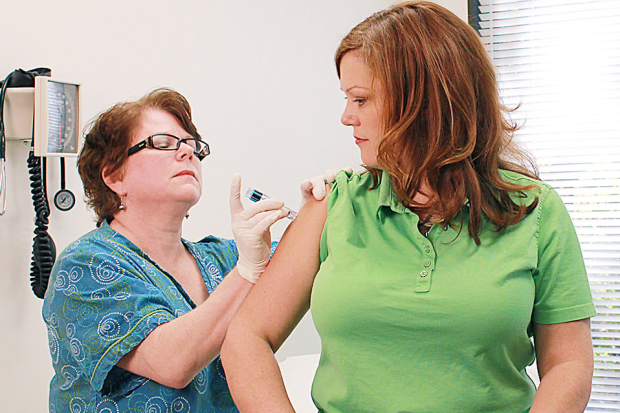
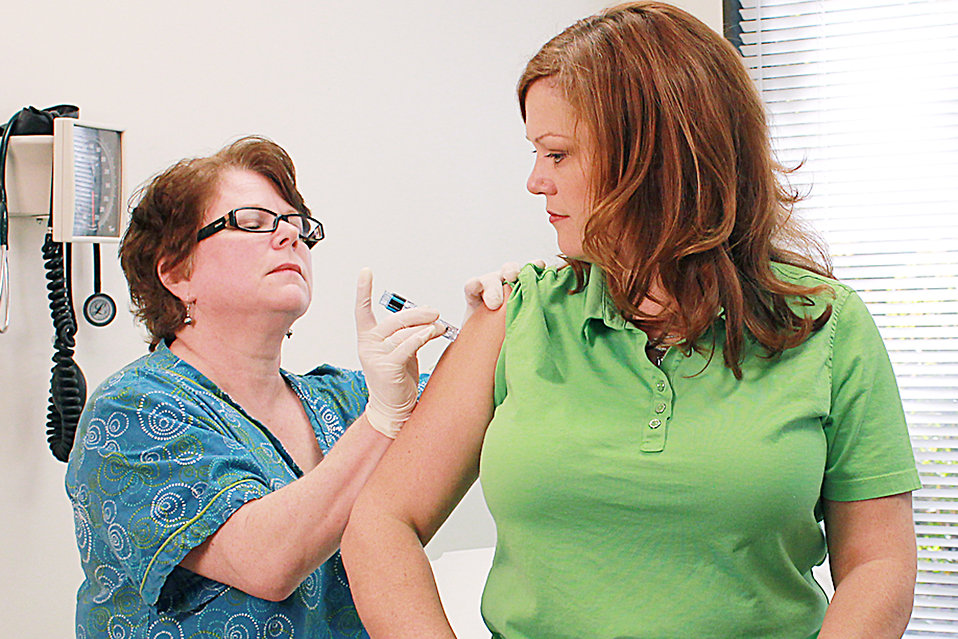
Needles: A fear of needles is a very common phobia in young people and adults alike. It is known as trypanophobia and is said to affect up to 10% of the population. Of course, no one really enjoys having an injection or getting their blood tested. But it is when this fear puts the patient’s life at risk that there is a cause for concern. You may need to receive an injection of medicine or maybe you need to give blood to help someone else. Whatever the situation, we all face needles at some point in our lives, so overcoming your phobia is essential. Cognitive behavioral therapy is commonly used for overcoming this kind of fear, and there are other things you can do yourself too. Explain to your nurse that you are nervous and make sure to reward yourself after your injection.

phobia1.png
Pixabay Image

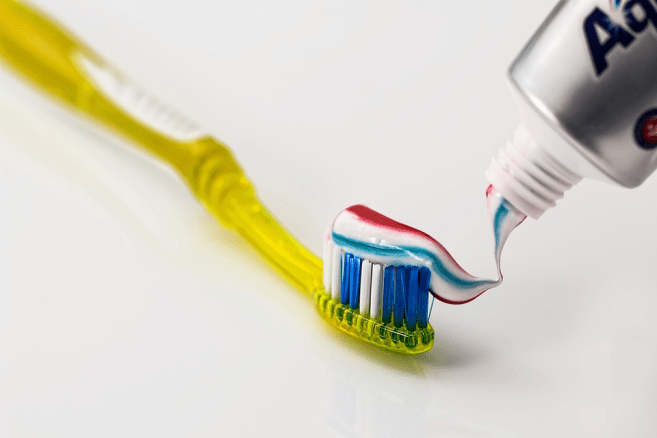
The Dentist: Dental phobias are also very common. This can be the fear of undergoing a painful examination or the sounds and smells may bring back bad childhood memories. Whatever it is, you will be relieved to know that most dentists understand their patient’s fears and will do everything in their power to make your visit as easy as possible for you. Getting over your fear of the dentist is important as there may come a time in your life when you need emergency dental care. In order to relax more during your appointment, talk to your dentist prior about having a signal you make with your hand that shows them you need a break. Taking a friend with you or listening to relaxing music during the procedure can also help to ease your fear.

phobia2.pngPexels Image

Flying: Despite it being statistically the safest way to travel, around 20 million people in America suffer from a severe fear of flying. Many of us naturally get nervous if flying through bad weather or if there is turbulence on our flight but a true phobia of aviation can be crippling. If your fear of flying has started to have a negative impact on your life, there are things that you can do to ease your anxiety. Fear breeds on ignorance, so familiarize yourself with just how safe planes are and how they work. Speaking to your pilot before taking off, if possible, can also help you relax. Always try to travel with someone you know and trust and let them know what your triggers are so they know how to calm you down.

What are some of your phobias? What are some of your tips to overcoming a phobia? I want to hear from all of you, so leave me a comment and let’s chat! Much love. -Sarah

Post-Traumatic Stress: Dealing With Harsh Events In The Workplace

Standard
Post-Traumatic Stress: Dealing With Harsh Events In The Workplace

Hi everyone and happy Monday! I believe that everyone should feel mentally and physically safe in the environments that they are in. Whether it be at home, school, or work, being subjected to a traumatizing situation is not okay. Here is some advice for how to deal with not so nice events in the workplace.

Post-Traumatic Stress: Dealing With Harsh Events In The Workplace:

We are used to talking about stress as something that builds over time due to an ongoing situation. You have more work to deal with than you can handle and every day the pile grows. You are concerned about a health issue but worried about going to the doctor. You have an impending house move to get sorted out but not enough time to do anything.

All of these situations are classic stressors. But as they grow over time, they are what experts define as “chronic” stress. They certainly need to be addressed. You need to address the source of your stress before you can handle the situation efficiently. But there are other sources of stress that need to be approached differently because they work in a different way. These are cases of “acute stress” where the cause is something more sudden or immediate.

It’s obvious that the main place where people feel stressed is at work. Deadlines loom and the penalty for going over them is severe. People talk at you from all angles and you feel like you’re not giving any of them the attention they’re looking for. There is noise, light, and movement – all of which can make you feel overstimulated. And there is precious little scope for release.

All of these can aggravate the stress that arises when something happens to make you feel anxious. Acute stress is caused by not having the time or the chance to process something awful that has happened. And often the last person to know it is the person suffering. They may try to lose themselves in their work, when the thing causing their stress is related to that work.

Death Of A Co-Worker: Many of us – not all – have experienced the raw emotion that comes with a co-worker dying. In many cases this is sudden but even if it is after a long illness the death is still a trigger point. Certainly, in the former case it can be hard to process. You hear people say things like “but I was speaking to her only yesterday” and “he seemed fine in Monday’s meeting”. When you only see someone for eight-hour bursts in a day, them suddenly not being there can shake you.

This happens all the more often in high-stakes jobs like emergency medicine and police work. Many employers in these industries make a point of advising doctors, nurses, and officers on how to deal with a colleague’s passing. Knowing how to deal with it is one thing but dealing with it is another. And in these situations, the “he seemed fine” line is all the more potent.

Abuse In The Workplace: As much as we may enjoy our jobs most of the time, the fact is that we are in something of a captive situation. If we want to pay the bills, we have to show up when we’re scheduled to work and stay for the duration. This is what makes it all the more unpleasant if we are the victim of workplace abuse.

Workplace abuse can take many forms. It can be the bullying of a co-worker who takes pleasure from insulting us on our looks or anything else. It can be an unreasonable boss who blames us for errors that aren’t ours. It can be customers who take their frustration with the company out on us. Or it can be sexual harassment, often from a senior co-worker who has the ability to make us feel it is our fault.

All of these issues are made worse by the feeling that we are trapped with the perpetrators of our abuse. It’s essential to report it, if it happens. If a culture of bullying is allowed to develop, it can lead to dreadful consequences. As a minimum, critical incident stress management from Health Assured or similar is needed. If your job starts to feel like a prison, stress can become dangerous.

ptsd2.png

Pixabay image

A Violent Incident: Violence in the workplace can range from someone behaving aggressively to a mass-casualty attack. The people affected will include those in the line of fire, obviously, but also anyone who witnessed the incident. In the case of an attack, it can also affect the first responders and even those who weren’t there that day.

The lower grade of incident may seem like nothing to some people. What’s a little banging of desks and shouting in a pressurized workplace? But it can make people feel threatened – as the situation may escalate at short notice. And being in a workplace where there is the risk of violence is stressful. The higher grade can make people feel scared to come back to work.

Even for those who weren’t there, the consequences can be stressful. You may feel that if you had been there, you could have done something. Or that the people who suffered were innocent victims, and that by being there you could have taken their place. In such situations, it is beneficial for employers to provide an outlet. After-the-fact debriefing and counseling can help heal a workplace. After a period of recovery and, if necessary, mourning, it can let people move forward.

Acute stress is less common than the chronic form of the condition but is no less dangerous. As with chronic stress, the person experiencing it may not even realize what it is. It can be brushed off as “just not feeling quite right” or being tired. This is what makes stress so dangerous. It works unseen and can affect one’s physical or mental health.

People who don’t realize that they are suffering from stress will often push it to the back of their minds. They won’t seek help for something physical that may be aggravated by it and become seriously ill. They may not look for the emotional support they need, suppress their issues, and end up having a more acute reaction later on.

For all of these reasons it is essential to take action. To ensure that people faced with a stressful situation have an outlet for their feelings, yes. But also to make sure that a workplace can come together after a situation stronger than before.

Featured Image By: Pixabay