Tag Archives: safety

Covid Chronicles

Standard
Covid Chronicles

Howdy!! On Friday morning I was ecstatic. I had a short shift, then I was going to get my hair done. Afterwards my best friend was going to come over for our Christmas celebration and a Chinese food dinner and it was going to be a perfect day. Until I got a fateful text from Johnny at six in the morning that his boss had Covid. In an instant, my stomach dropped and my plans flew out the window before I even took a test. Somehow, I just knew and the faint pink positive line on my test confirmed it. I promptly said goodbye to my perfect day and Johnny and I hunkered down together in our covidness.

I believe this is our fourth round of Covid and, I have to say, this time around was a breeze. I felt excellent and would have had no idea we had Covid if we weren’t aware of the exposure. Johnny, on the other hand, felt a little crummy but it was more like how you feel when the weather shifts suddenly. This also made sense for him to feel that way as the weather in our neck of the woods took a drastic dip into low temps with snow. Alas, we were both positive and it positively sucked to have so much we were looking forward to cease to exist…. but did it really?

Lol, listen I was not thrilled whatsoever when my test was positive. However, looking on the bright side – I literally never take time off and my holiday break just came slightly early. I swear, every time I go for months on end without taking a day off, the world says hold my beer and gives me the flu or, in this case, Covid with no symptoms. Minus my big weekend being canceled, this was the best case scenario and I planned on enjoying it!

During my Covid stint I watched So. Much. TV! We’re talking Gypsy Rose Life After Lockup, the reunion of The Secret Lives Of Mormon Wives, St. Denis Medical, and so much more. Not only did I have a healthy bingeathon but I also had fun playing Animal Crossing again after three years and one month lol. Once the cockroaches from my house were clear, I got back into the groove of island life and am eagerly awaiting the update in January. I forgot how much I liked playing Animal Crossing after being apart from it for so long. I guess I played my fill when the peak of the Covid-19 pandemic was happening!

It’s funny because I texted my blogging bestie to complain about my positive test and I said something along the lines of “I think people just forgot to test for Covid when they aren’t feeling well”. But the thing is, I forgot too. It has been a long time since Covid was headline news that it was easy to chalk it up to a thing of the past. It is still very real, though, so do be sure you get a few tests as the holiday season approaches. Then, everyone can gather safely together and have a blast celebrating. ❤

My Covid Chronicles read more like a really lazy handful of days off and, hey, I’ll take it. Stay healthy and stay safe, everyone!

What is your favorite lazy day activity? Have you been sick recently? I want to hear from all of you, so leave me a comment and let’s chat! Much love. -Sarah

5 Modern Travel Hacks You Shouldn’t Skip

Standard
5 Modern Travel Hacks You Shouldn’t Skip

There are entire blogs filled with modern travel hacks that you can use to ease the stress of a vacation. However, there are some things that everyone should take note of that can really help things go more smoothly. From using packing cubes to first aid kits, here are some suggestions:

Your phone can be your best friend when traveling. You have all the apps and web access you need for traveling easier with a smartphone. With a phone you can check transport times, flight info, and accommodation availability in seconds, and you have access to advanced features like GPS for getting around more easily. You may not have access to your usual network, but you can save on roaming costs while travelling with an eSIM designed for easy access anywhere.

The laws of physics seem to go out of the window when trying to cram in as much clothing as possible into a suitcase, you know, that is too small! So what can you do? Fortunately, there are these handy inventions called packing cubes. Packing cubes are like mini travel bags you can place in your luggage. What makes them so useful is that they make it easier to use the limited space inside your suitcase much more efficiently as you fill the cubes and arrange them perfectly.

Around 1 billion people per year travel to other countries. From the most beautiful places to visit in the fall to summer vacations, everyone has their idea of the best getaway. Something as simple as your clothing can ruin the best day, though, so always stay prepared:

  • Check if there are local storage lockers at stations or near tourist locations.
  • Always pack spare clothes and underwear just in case of an unfortunate accident.
  • Pack the opposite for the weather (such as a jacket if it’s sunny), as it can change.

You never know what can happen when traveling, and your adventurous side can get the better of you. Perhaps you feel like a Segway ride in a forest at 65 years old. It’s not the best idea, but heck, you’re on vacation. But alas, you realize you really shouldn’t have done that as you tumble off your ride like a drunken toddler. Maybe you are pretty far away from a local clinic, but you remembered to pack a little first aid kit. No more bleeding and an expensive bill avoided. Yay!

Traveling can be stressful, and the whole transportation industry doesn’t help. Delays, cancellations, and hackers are pretty common these days. Knowing your travel times is essential for organizing your day and making sure you never miss a departure. Things can change, and when they do, your plans need to as well. Make sure you stay up to date with travel info by using official websites or travel apps that can alert you ASAP when something changes.

Smart preparations for your vacation will ensure a stress free time in your dream destination paradise!

Featured Image By: Freepik

Safety First

Standard
Safety First

Howdy!! We are obviously living in some pretty crazy times and one of the best things that you can do is be safe. I had a situation on Monday that I think is worth offering a friendly reminder for. Maybe it was nothing. Maybe I watch too many true crime documentaries lol. However, this is a good tip to pass along if you should experience something similar…

When I got home from work on Monday, Johnny was heading out the door to meet his mom for dinner. After he left, I went into the kitchen to make myself something to eat. Grilled cheese and tomato soup for the win on a chilly fall day! Less than ten minutes later (Between five and seven, I would guesstimate), I got a knock on my door. I thought Johnny might have forgotten something but he always announces himself when he’s at the door and I’m by myself. From the kitchen, I could see that it was an older man who I didn’t recognize at all.

As we had no memos from our apartment community for maintenance checks, I knew that it was not someone who worked on the property. He left after a few minutes and there was no note at the door which confirmed it wasn’t someone who was employed where I live. I decided to call my downstairs neighbor and he didn’t have any visitors at his place and I thought that was odd. If this person was selling something, it would make sense that he knocked on my neighbor’s door next.

Once again, it could have been nothing but the reminder is: If you are home alone and not expecting anyone that it is okay to not open the door. If you have an off feeling, then listen to yourself. I definitely had a weird feeling when the person arrived so shortly after I was by myself and remained in the kitchen until the coast was clear. Should you answer the door and the person questions if there is anyone with you – lie. Your neighbor is about to stop by for coffee. Your partner is returning home from work. You are expecting a call from your boss. Anything to get that door shut again. Also, don’t open the screen door and keep one hand on your phone and your other hand on the knob so you can shut it quickly.

Being cautious when you are by yourself at home and not expecting anyone at your door is smart. If you don’t have a safety plan in mind, I encourage you to make one so you don’t feel on the spot when you feel like something is off!

Do you have a safety plan in place for yourself? What is on your plan? I want to hear from all of you, so leave me a comment and let’s chat! Much love. -Sarah

How To Handle Home Emergencies Like A Pro

Standard
How To Handle Home Emergencies Like A Pro

No matter how organized you are, home emergencies have a way of showing up at the worst possible moment. IE: A burst pipe just before bed, a power cut on a cold evening, a leak in the roof when it’s pouring down, and so on – you know the kind of thing. The problem is that these things happen fast, and when they do, it’s easy to panic. A calm, practical response can make a big difference to the outcome, and knowing what to do in those first few minutes can save you money, reduce damage, and keep your home safe. Keep reading to find out more:

Before anything else, make sure the situation isn’t putting anyone at risk. For example, if there’s water involved, switch off the electricity before going near the problem, and if there’s a fire or gas leak, leave the property immediately and call emergency services. Then, once you know everyone’s safe, you can turn your attention to limiting the damage.

A lot of emergencies are made worse because people don’t know where their stopcock or fuse box is, which is why it’s worth taking a few minutes as soon as you can to learn how to turn off your water, gas, and power quickly. This small bit of knowledge can stop a minor issue from turning into a disaster because doing something like turning off the main water supply right away can make a huge difference if a pipe bursts.

Quick action often means less damage, so if water is leaking, use buckets or towels to stop it spreading, and if the roof is letting water in, a temporary cover can protect belongings until help arrives. Why do something at that point even if you’ve got help on the way? It’s because even a few simple steps in those first moments can save a lot of stress later on.

Some jobs are best left to professionals, especially when it comes to plumbing, electrics, or structural issues. If a burst pipe has caused flooding, getting water damage restoration experts in quickly can prevent mold, protect flooring, and stop further problems from developing. In other words, don’t wait until things get worse to pick up the phone – calling early usually means less disruption and lower repair costs.

You don’t need to turn your house into a survival bunker, but having a few basics ready can make emergencies easier to manage. Your kit could include a flashlight, spare batteries, a few tools, sandbags or sealant, and a copy of emergency contacts can all help you act fast. Even if you never end up needing to use your kit, it’s always better to err on the side of caution and have one ready anyways.

Home emergencies are stressful, but they don’t have to be overwhelming. Keeping a calm head, a bit of preparation, and knowing when to bring in professional help can make all the difference!

Featured Image By: Slyzyy

Car Care: Pay Attention To These Areas

Standard
Car Care: Pay Attention To These Areas

Are you a car owner? If so, then you will no doubt be aware of the constant struggle to take care of your vehicle. To do this, you need to make sure that you understand the key areas that will always require your attention with your vehicle. There are lots of elements that you need to think about here, so let’s dive in:

First, you should make sure to clean it properly. In doing so, you can avoid a build up of dirt and grime. Believe it or not, this is more than enough to damage your vehicle and it’s why it’s always important to clean your car thoroughly. Make sure that you use the right cleaning liquids too. If they are the wrong choices, then they could ultimately end up damaging the paintwork and this could also eventually lead to issues with rust in key areas of the vehicle.

Dirt and grime may also cause issues with key areas of your vehicle like the brakes. If there is a problem with the brakes, then it could diminish your stopping distance and this will ultimately lead to a collision or a severe crash on the road. That means that you’ll need to pay a fortune to get your car repaired at some point in the future.

In most countries it is a legal requirement to book your car in for a regular MOT and service. This informs you that your car is safe to drive and roadworthy, the last thing you want to be doing is driving around on faulty breaks. You will be given a certificate when you book into an MOT or service and this stays with your car. If you prefer, you can go to the correct dealership for your services. If you have a Mercedes then you will need to book Mercedes service to find out more.

Finally, if you are trying to look after your car then it can tell you a lot about what is going on by the way it is driving. For example, if your car is jumping or juddering then this could signify an issue with the gearbox. Make sure you listen for any and all unusual noises and get it booked into a garage. You don’t want a simple issue to grow due to you ignoring it. A garage and mechanic will be able to hoist it up on the ramp with the diagnostic tool. This will give you a full workup of what could potentially be wrong with your car.

We hope this helps you understand some of the key areas that you need to keep in mind to ensure that your car remains in great working order in the future. In doing so, you can guarantee that your car retains as much value as possible and doesn’t let you down when you are on the road!

Featured Image By: Pixabay

When To Start Dressing Your Home For Your Age

Standard
When To Start Dressing Your Home For Your Age

You don’t wait for your car to break down before you service it. You shouldn’t wait for your body to demand assistance before modifying your home. The idea that home upgrades for ageing should only happen after a certain birthday is outdated and, frankly, dangerous. The truth is: smart renovation isn’t about age. It’s about foresight:

That’s not a metaphor. That’s reality. Your home is where your body moves the most. Where you cook, clean, sleep, bathe. Where you navigate space in the dark at 3 a.m. on your way to the bathroom, it’s also where minor hazards—loose rugs, sharp corners, and tight hallways can become serious obstacles over time.

Why wait until you’re 70 to install a grab bar in the shower, when a sleek, integrated option today could protect your future self without compromising aesthetics? Why ignore door widths that barely accommodate a laundry basket, when you could future proof your house for a rollator or wheelchair years ahead of needing it?

A lot of people think they should wait until they’re 60+ to start “ageing in place” upgrades. But here’s a perspective shift: Start thinking about accessible design the same way you think about investing. You don’t start saving for retirement at 65. You start when it’s still decades away. You start small. You start smart. Your 40s and 50s are the perfect time to introduce subtle architectural changes. Wider doorways. Smoother transitions between floors. Lever-style door handles that are easier on arthritic hands (whether you have arthritis now or not). Not to instill paranoia but to be practical.

One common fear: Accessible homes look clinical. Cold. “Old.” That’s a design failure, not a necessity. The market is catching up – finally. You can now get high-style wall railings, walk-in tubs that don’t scream “nursing home,” and ergonomic hardware that would impress even the most stubborn design purist. Design should serve you, not intimidate you. It is about reclaiming autonomy, not giving it up.

If you live with a partner, plan to age in place with them. Or if you have ageing parents who might move in later, the upgrades you make now could be the difference between struggle and ease, between reaction and readiness. And there’s this: Increasing numbers of younger people face mobility challenges, temporary or permanent. Accidents. Surgeries. Chronic conditions. Thinking ahead isn’t about being morbid. It’s about removing friction from your future. It’s about empathy for yourself and for others.

The moment you start asking “when should I renovate for the future?” that’s your cue. Start now. Piece by piece. Thoughtfully. You don’t need to rip out your kitchen tomorrow. But maybe it’s time to rethink that narrow staircase. Or that slippery tile in the entryway. The right time to start dressing your home for your age? It’s not tied to a number. It’s tied to intention.

Start with a walkthrough of your home. Think like a visitor. Better yet, think like your 80-year-old self. What would they trip on? What would they find frustrating? What could bring them relief? Then start small. Prioritize changes that combine safety with comfort. Look into credible resources and suppliers who specialize in smart mobility solutions. One such place is mobility2you.com — a solid resource if you want real-world products without the clinical feel. Keep the upgrades functional, flexible, and intentional.

You don’t have to give up elegance. Or taste. Or personality. But the longer you wait to give your home the maturity it deserves, the harder it becomes. Build a home that’s not just beautiful today. Build a home that respects your future.

Featured Image By: Pexels

Physical Signs You Need A Change

Standard
Physical Signs You Need A Change

Howdy!! Sometimes life changes are expected, welcomed, and can happen gradually. Other times, you might find yourself in a situation where a change is necessary for your own well being. Whether it be a high stress job, toxic relationship, or an environment that no longer feels safe – it is so important to formulate a plan and follow through to get yourself back on track. Listen carefully to your mind and body because if you are in tune with them, you won’t miss the warning signs they are sending you to consider other options. I recently found myself in a situation that warranted a change, completely ignored my better judgement, and ended up with true, noticeable physical symptoms of duress. If you are experiencing any of the following in your situation, it’s time to reevaluate things:

I have always had a very healthy appetite and look forward to eating my favorite foods at mealtime. That was not the case at all recently. I was SO stressed out and under SO much mental strain that my appetite completely went out the window. I wasn’t feeling hunger and literally had to force myself to eat. Even with my favorite dishes in front of me, I could barely muster taking a bite, let alone finish the entire meal. And, oftentimes, I was left nauseated after a couple of forkfuls. Combined with the next symptom we are going to discuss, I was literally running on fumes. The good news? After I implemented my change, my appetite came back and I was ravenous. I would have a meal, an hour or two later I was starving, and I would eat again. I clearly had a lot of catching up to do!

When you sleep, your body is healing itself. When your sleep pattern experiences a shocking alteration, all I’ve got to say is good luck tomorrow lol. Racing thoughts kept me up until all hours of the night for days in a row and my anxiety was so heightened it felt like a constant panic attack. My heart consistently felt like I was running a marathon and it was so exhausting. Paired with not sleeping and barely eating, I was in full fledged zombie mode and getting through each day felt impossible. The good news? After I implemented my change, I slept like a baby! I am still catching up on my Z’s and I actually had to lay down in the middle of writing this. Never, ever devalue the power of a good night’s sleep because it is going to catch up with you quicker than you might think.

For people who menstruate, I am talking to YOU lol. This might be TMI and I don’t care. During an extremely stressful situation a few years ago, my hormones got super out of whack and it triggered a period. I had no idea that could even happen and ended up going to the ER. It was scary! This past week, I had a surprise period weeks before I was due for my cycle. When I was greeted with this unexpected guest was when I decided enough was enough because it was like the trifecta of awful: No sleep, no nourishment, and a wicked early period to boot. The evidence at this point was indisputable and I needed a change ASAFP.

Getting out of a difficult situation can be SO hard even if the change is nothing but positive. Remember that no one can discredit your feelings and doing what’s best for you is the most important thing!

What is something that stresses you out? Do you struggle with making changes? I want to hear from all of you, so leave me a comment and let’s chat! Much love. -Sarah

Invisible Shields: How Professional Services Fortify Your Home Against Disasters

Standard
Invisible Shields: How Professional Services Fortify Your Home Against Disasters

Home is supposed to be the safest place in the world. But when disaster barges in, uninvited and unannounced, it doesn’t care about your peace of mind, your years of hard work, or the memories wrapped up in every wall. Fire. Floods. Storms. Even the smallest accident can spiral into a home-altering catastrophe. But here’s the thing: you don’t have to face it alone. There’s an entire industry of professionals there to help. They’re the invisible shields, the ones who step in to prevent, mitigate, and, when necessary, bring your home back from the brink:

Some people say you can’t control fate. But you can definitely prepare for it. A house isn’t just four walls and a roof – it’s a living, breathing structure that needs constant care. And when it comes to disasters, the best strategy isn’t to react but to stay ten steps ahead.

Nobody wakes up thinking, Today’s the day my house might catch fire. But fires don’t wait for invitations. They start in forgotten corners – faulty wiring, a neglected chimney, a dryer vent clogged with lint. The good news? Fire prevention experts know where to look. They install smoke detectors in the right places, check fire suppression systems, and inspect the overlooked hazards before they become newsworthy. A simple checkup today can mean a home that’s still standing tomorrow.

Water is sneaky. A single weak spot in your roof, a poorly sealed window, or an overwhelmed drainage system can start leaks that turn into nightmares. And if a storm decides to drop a tree branch through your ceiling? That’s a whole different level of destruction. Professionals who specialize in weatherproofing don’t just patch things up, they fortify. Reinforced roofing, flood-resistant barriers, and storm-proof windows aren’t just nice-to-haves. They’re shields against nature’s worst moods.

A security system isn’t just about keeping burglars away. It’s about having eyes on every threat – fires, gas leaks, flooding. Today’s smart home security does more than beep when someone jiggles the doorknob. It warns you when there’s smoke in the kitchen or water creeping into the basement. And those extra minutes? They make all the difference.

No matter how well you prepare, disasters have a way of showing up anyway. And when they do, response time is everything. The first few hours after a crisis can mean the difference between salvaging what’s left and losing everything.

The flames are gone, but the real damage is only beginning. Soot clings to everything, smoke burrows into fabrics, and the water from firefighting efforts lingers in the walls, waiting to invite mold. It’s overwhelming. And it’s exactly where fire restoration specialists step in. JDB Builders Inc. Fire Restoration Services don’t just scrub away the damage, they rebuild what’s left. They clear out the smoke-stained debris, dry out the waterlogged remains, and restore what can be saved. It’s not just about repairing a house. It’s about making a home feel whole again.

Water moves fast. So does mold, rot, and structural instability. A minor leak, left alone, can turn into an unlivable situation within days. The experts who handle water damage don’t just clean up the mess, they act like detectives, hunting down moisture in places you didn’t even think to check. Industrial dehumidifiers, professional-grade drying techniques, and mold prevention measures aren’t overkill. They’re the only things standing between you and a home that’s slowly rotting from the inside out.

A tree crashing through your house is one of those things you never think will happen until it does. One storm. One strong gust. One old branch hanging on by a thread. Suddenly, your living room has an unwanted skylight. Tree removal specialists don’t just clear the debris. They assess whether your home is structurally sound or if deeper repairs are needed. Sometimes, the damage is obvious. Other times, it takes an expert eye to spot the cracks forming under the surface.

The professionals who step in to prevent, respond, and rebuild are more than just service providers. They’re the ones who make it possible for you to come home again. And at the end of the day, that’s what really matters!

Featured Image By: Pexels

Driving Safely In The Snow

Standard
Driving Safely In The Snow

Hello!! In my youth, winters in Ohio were brutal. The snow was extreme, the temperatures were frigid, and school cancellations were frequent. When I began driving over a decade ago, it was so important to be well versed in driving in the snow, even if the weather wasn’t “as bad” as I could recall. In fact, I vividly remember driving an hour home from the dealership in my new car during a crazy snow storm and it was terrifying! As the years passed, winters in my neck of the woods became far more moderate and it felt like we barely got snow at all anymore. Then, winter weather came back with a bang this year. Not just in the AK-Rowdy but all across the country. It snowed in Atlanta where my brother lives and the whole city shut down!

I drive a lot for work and I can tell that so many people on the road now have little experience driving in snow. I have to admit, it took me a good minute or two to shake off the rust once it really started coming down here. So, I thought it would be helpful to compile a few pro tips for driving safely in the snow should it hit your area next:

The natural instinct should something unexpected happen while driving is to slam on the breaks. But in the snow, this is the worst possible thing you can do because you’re not going to stop. You’re going to slide and that has the potential to cause accidents. Give yourself plenty of space between cars because that will give you the time to be able to break accordingly. Pump those breaks with a tap, tap, taperoo and keep it in mind every time you are prepping to come to a stop.

No matter the weather, there is always going to be someone on the road driving faster than you. This can be intimidating when it’s snowing because you might get the urge to speed up too. DON’T. Driving in the snow is all about being fully comfortable in regards to handling the car and your speed. Once you push yourself beyond what you feel capable of doing, panic can quickly set in and that can cause even more problems. DO YOU on the road and anyone who doesn’t like it can go around you.

Honestly, I’m pretty lucky to have more years of experience than I care to admit driving in the snow. Many people can’t say the same so don’t let your first trial run be on the road itself. If you are not familiar with driving in the snow, find yourself an empty parking lot as soon as snow starts to fall. Practice breaking, turning, slowing down, speeding up, and anything else you need to get a feel for it. Then, it’s a good idea to take some drives through your own neighborhood or residential areas so you can get experience on less busy streets before hitting the major roads.

For those who live in snowy areas: How often do you see people inquiring about the conditions of the road on social media? In my neck of the woods, our talk of the town page is always exploding with them! Now, ninety-nine percent of the time, people are happy to let you know. The other one percent is someone saying you’re stupid and they’re a hater! Anyways, if you do find yourself questioning driving conditions – just make a post because the chances are high that you are going to almost immediately get a real time update. If your question has been answered and you’re uncomfortable driving because of it, just stay home until the plows come through. And, yes, you are sure to get an update on that too!

I have driven in some NO joke snow storms this winter and it was scary even with my experience. There is no shame in pulling to the side of the road or hibernating the day away. Your safety is the most important thing!

What is winter weather like where you live? What is the worst weather you have driven through? I want to hear from all of you, so leave me a comment and let’s chat! Much love. -Sarah

The Best Investments You Can Make In A Rural Household

Standard
The Best Investments You Can Make In A Rural Household

Escaping to the countryside is a common dream for many people, and most often comes when we’re stuck in a traffic jam on a busy morning work commute! But of course, moving to a rural area and enjoying a more remote home is work and an adjustment to make. For this reason, learning some of the best investments you may need to make in a rural home, even if you find a worthwhile deal, is absolutely worth it. In this post, we’ll discuss some choices that may help you on that path:

You’ll find that solid fencing really does transform a rural property. Many newcomers to country living discover that boundaries help maintain excellent relationships with neighbors while keeping the local wildlife from treating gardens like their personal buffet. But it’s also true that in rural areas, sometimes homeowners just leave their property borders unattended. Sometimes this is fine, but other times it might confuse rural walkers or those who encroach on your property without permission. You’re not being over the top for wanting to make these lines clear.

You can achieve a good-looking option by investing in simple wooden fencing or hedges, which can prevent confusion about where maintenance duties begin and end. Many rural homeowners have learned through experience that clear boundaries prevent somewhat tense conversations about fallen trees or building projects that accidentally cross property lines. Before you buy a property, have the land and borders surveyed so you know what the outlines are.

Most rural homes need their own waste management solutions since they sit too far from main sewage lines. You might be surprised to learn that current septic systems work quite efficiently with minimal fuss, even if it’s not the most romantic idea or home upgrade you want to think about. While the upfront costs can feel substantial, a well-installed system often serves a property for decades when properly maintained, and emptying duties might only be needed once a year or so. If you share this with a neighbor you can split the cost. Care and mindful use makes all the difference here.

Many rural homes sit on minor and private roads that may be your task to maintain, or it won’t get done. They could be owned by a house or perhaps part owned by everyone on the road. It’s fair to say that sometimes, a private less maintained road can be a bit of a headache. That’s because rain can reshape paths overnight and you’ll find out that winter brings its own set of challenges with snow removal becoming a personal responsibility. Many rural communities will be keen in sharing these duties and having good co-operation about it, which helps you split both effort and expenses. You might want to consider either investing in good equipment or building a relationship with a reliable local contractor. This way you can discuss potential issues with potholes or water pooling before it affect your vehicles. As everyone has an interest in avoiding such issues, it’s a worthwhile investment, but one you need to prepare for.

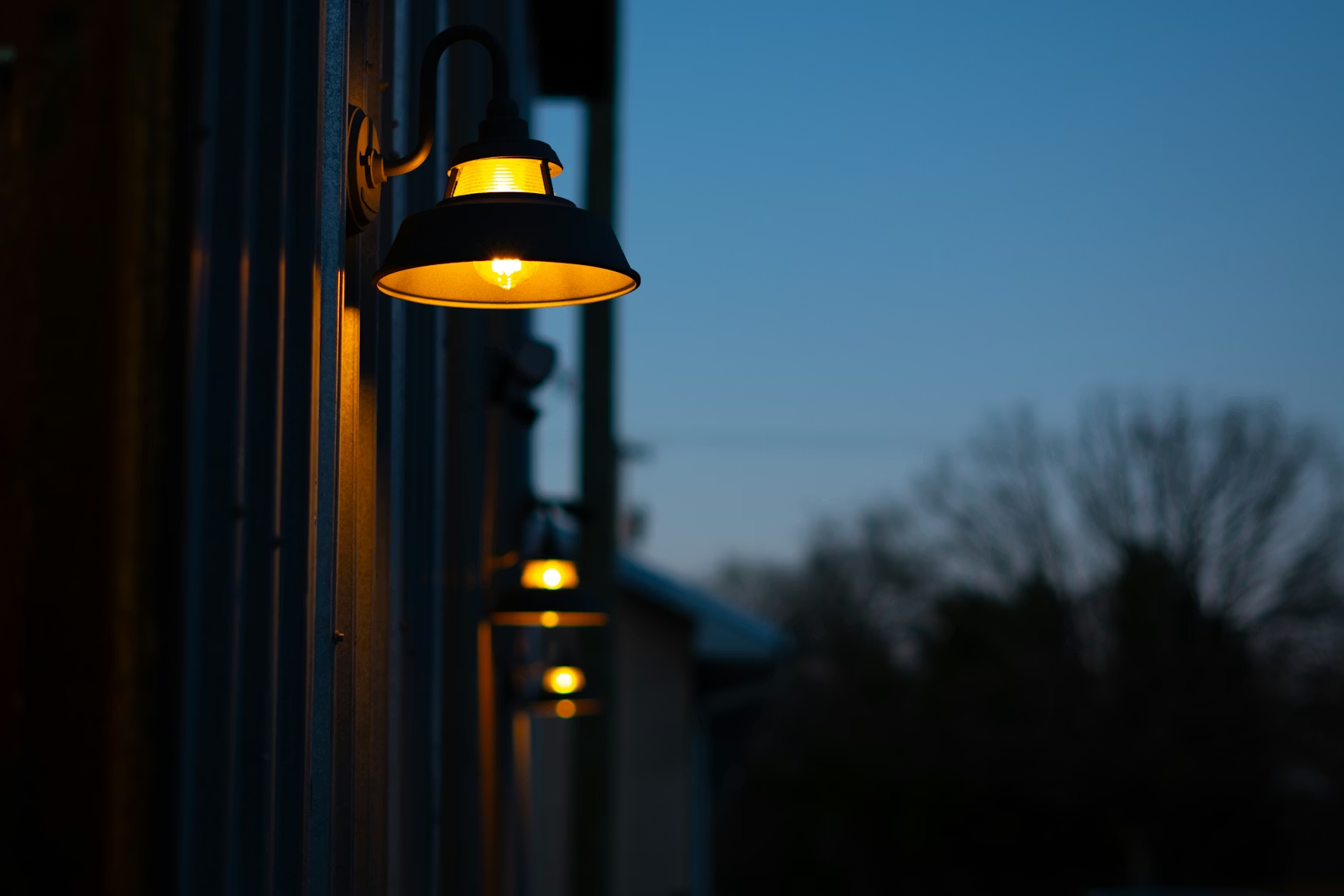
The countryside is amazing in that it offers wonderfully dark nights for stargazing, but you’ll likely want some lighting solutions for practical purposes too. You may find success with modern LED systems because they use minimal electricity while providing excellent illumination when needed. A great portion of rural homeowners discover that carefully placed motion-activated lights are good for security and energy efficiency.

We’re not going to suggest that living in a rural environment is akin to posting in the International Space Station, but power interruptions tend to last longer in rural areas, and weather can sometimes limit access to town. That’s why even if you haven’t experienced an issue yet, maintaining a well-stocked pantry as a matter of necessity rather than convenience is a good idea. You might want to consider keeping emergency water supplies, basic medical items, and a reliable generator on hand if that’s possible. Grit and other snow-fighting materials can help too.

On a rural property, you have more options for renewable power, which might be an investment now but could pay off over time! Rural properties often have good exposure and conditions for solar power, with plenty of open roof space and unobstructed sunlight if you’re lucky enough. You may even have a water wheel as part of your building that might take some time to get rebuilt over the river, or a place you can use for biofuels. While setting up renewable systems does require renovation and installation that comes with a cost, the long-term savings could be quite significant. Back that up with functional utilities such as furnace installation for appropriate heating, and you’ll be set up perfectly!

With this advice, we hope you can more easily make some good investments in your rural household, should you ever escape to that country life you dream about!

Featured Image By: Pexels