Morning in your kitchen is a whole soundtrack: The kettle sighs, a timer nags, a voice asks where the left shoe went, and someone is definitely humming Baby Shark again. You’re flipping pancakes while triaging notifications and trying to remember who needed money for lunch today. It’s a lot. And when the soundscape gets crowded, focus is the first thing to burn:
The Breakfast Rush Is a Sensory Storm:
You’re not “bad at mornings.” You’re managing a sensory pile-up. Competing sounds make it harder for your brain to sort what matters, like a quiet “Mom?” over a loud extractor fan. When your ears work too hard to catch the words, your brain borrows energy from focus. That’s how a simple recipe turns into guesswork, and why multitasking feels like walking through fog. Reduce the fog and you reclaim attention, without needing an extra hour or superhuman patience.
Focus Starts with Clear Hearing:
Here’s the sneaky truth: Aven a small drop in hearing clarity can feel like a big drop in attention. Your brain does overtime to fill gaps, predicting words, stitching context, reading lips, and that effort shows up as fatigue and distractability. You know that end-of-day “I can’t listen to one more thing” feeling? That’s cognitive load talking. When you make hearing easier, everything else gets lighter: You follow directions the first time, the joke lands, and the pan on medium actually stays on medium.
Small Sound Habits, Big Calm:
You don’t need to redesign your kitchen. Start with micro-wins:
- Lower the loudest thing first (usually the extractor fan or TV) to lift voices out of the noise.
- Use a visual timer for cooking so your brain isn’t babysitting beeps.
- Create a “call corner” away from clatter; two steps to the hallway can turn chaos into clarity.
- Ask for one-at-a-time talk during hot-pan moments. It’s not fussy; it’s safety.
- Keep the same soundtrack for breakfast (a short playlist) so your brain isn’t decoding new noise every day.
The Tech That Frees Your Hands:
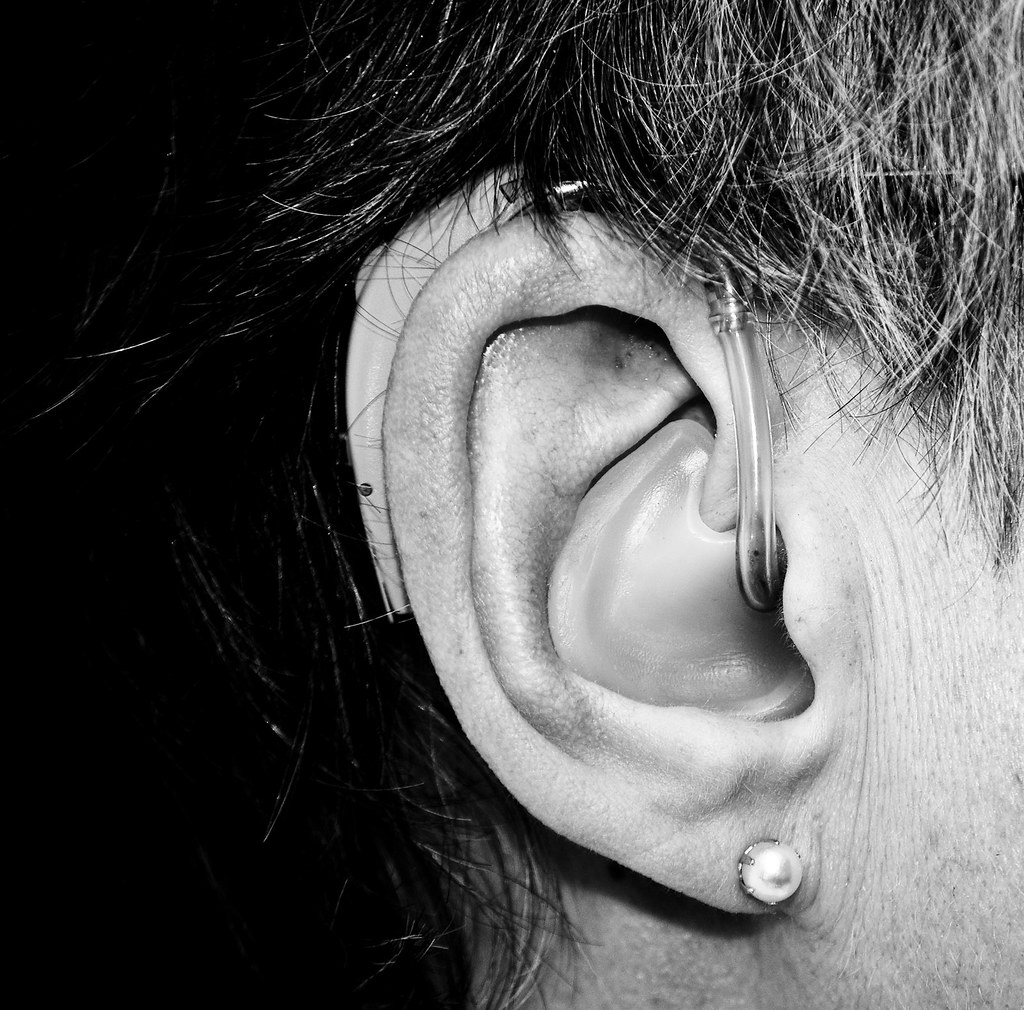
Modern hearing solutions aren’t just about volume; they’re about control. Directional microphones help you lock onto the voice right in front of you. Rechargeable cases mean you stop hunting for tiny batteries during the school run. And many models now include bluetooth connectivity so you can take a quick call from school, hear a timer or podcast clearly, or switch to a “kitchen” program, without juggling your phone while you’re juggling hot pans.
Choosing the Right Setup (Without Becoming a Tech Reviewer):
You want features that match your actual life, not a spec sheet fantasy:
- Comfort first. If it doesn’t feel good by school pickup, you won’t wear it. Ask for soft domes or custom earmolds if you’re sensitive.
- Programs that fit your day. A “quiet conversation,” “noisy restaurant,” and “outdoors” set will cover 90% of parenting life. Bonus points for a “speech in noise” mode that you can tap on quickly.
- Moisture resistance. Kitchen steam. Look for devices rated to handle humidity and sweat.
- Easy controls. A physical button or simple app beats labyrinth menus when a pancake is mid-flip.
- Trial the real world. Bring your phone to the fitting, test calls, stream a timer, and stand near a whirring kettle. If it works there, it’ll work anywhere.
Make the Kitchen a Safe-Sound Zone:
Safety and calm are twins here. Keep alarms audible but not shrill. Put break-in points in your routine: “Flip, breathe, check” before the next step. If someone needs you mid-cook, ask them to touch your shoulder first, visual + tactile beats shouting from the hallway. And remember, kids copy what you model. When you show them how to create a quiet pocket for talking, they learn to do the same.
What to Do Next:
If your mornings feel louder than they should, get curious about hearing, not guilty. Book a hearing check, bring your daily chaos with you (figuratively), and describe the exact moments that feel hard: “I miss words over the kettle,” “I can’t hear the timer if the TV is on,” “I need to catch calls hands-free while cooking.” The right setup meets those moments on purpose.
Focus isn’t a personality trait; it’s an environment you can design. When you reduce noise, support your hearing, and choose tech that matches your life, you stop burning attention on the basics. Breakfast gets simpler. Voices get clearer. And your pancakes? Golden, not charred!
Featured Image By: Pexels




 lifewithlilred