Tag Archives: hearing loss

How To Shop For Your First Pair Of Hearing Aids

Standard
How To Shop For Your First Pair Of Hearing Aids

Shopping for your first hearing aids can feel a little daunting, especially if you’re not sure what you’re looking for or what the market of hearing aids looks like nowadays. There’s been a lot of significant advancements in hearing aids, so your idea of what they might look like may be a lot different from reality. It’s good to know what to expect when shopping for hearing aids and what steps are required to get them that are tailored for you and your hearing needs:

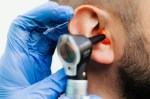
The first step to getting hearing aids is to book in with your local hearing specialist for a hearing test. A comprehensive hearing test will look at anything and everything when it comes to your hearing to understand what exactly is missing and what needs improvement. Have a thorough hearing test to not only check your hearing but to rule out anything that might be underlying as a medical condition that you weren’t even aware of. There are often reasons why your hearing loss is the way it is, and for some, that might be an infection or wax buildup.

Based on the test results you’re given, the audiologist will recommend some suitable hearing aid options. These may be prescription or over-the-counter options. Those who have mild to moderate hearing loss can purchase OTC hearing aids, but those with significant loss will be required to work with a professional to get a prescription device instead. This is due to the need for custom fitting and ongoing support for the user. Shop around for your options, as hearing care providers will often set their own prices and costs, which are bundled into the service.

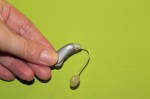
This may be the point at which you realize that the options for hearing aids are vast and a lot more versatile than you first thought. To find hearing aids, the right style and features are a personal choice. Take a look at everything that’s offered to see which ones match your style and needs. Common devices include Behind-the-Ear (BTE), Receiver-in-Canal (RIC), and In-the-Ear (ITE) or Completely-in-Canal (CIC) models. Features of the device are important to consider too, like noise reduction, rechargeable batteries, and Bluetooth connectivity, for example.

Before you commit to the hearing devices, review any associated policies and be aware of any warranty attached to them. Be aware of what trial period you have available so that if needed, you can return them for a refund if they don’t work well for you. You also will want all of the details when it comes to the aftercare of your devices to ensure its longevity.

Finally, it’s time to get the hearing aids fitted properly and to adapt to these devices as you navigate day-to-day life. Keeping up with follow-up appointments will help to address any concerns you have so that adjustments can be made accordingly.

Life will change for the better once you find the hearing aid that is just right for you. Use the tips above to get started!

How Hearing Loss Affects More Than Just Your Hearing

Standard
How Hearing Loss Affects More Than Just Your Hearing

Hearing loss can feel like a gradual change at first, but it affects far more than just the sounds you hear. It can change the way you move through your day, how you communicate and even how confident you feel. Because it often develops slowly, you might not notice the full impact right away, but those little struggles can add up over time. Understanding how hearing loss reaches into different parts of your life can help you spot changes earlier and get the support you need. A simple hearing evaluation can give you clarity, but paying attention to the emotional and social effects is just as important:

When sounds become harder to follow, it’s natural to lose a bit of confidence in certain situations. You might avoid busy restaurants, step back during group conversations or worry that you’ll miss something important. These small moments can slowly change how comfortable you feel in everyday life. Over time, this can make you second-guess yourself, even in settings where you used to feel relaxed. Getting support early helps you feel more secure, because clearer sound reduces the effort you need to keep up and brings some of that lost confidence back.

Clear communication is a big part of staying close to the people you care about. When hearing becomes difficult, you might miss jokes, misunderstand comments or feel a step behind in conversations. These small gaps can make socializing feel more tiring than enjoyable. If this keeps happening, it can quietly hinder your friendships, because you may start turning down plans or avoiding noisy places where conversation is harder. With the right support, you can stay fully involved and enjoy those moments again without feeling stressed or left out.

Hearing loss doesn’t just change what you hear. It makes your brain work harder to fill in missing sounds, which can lead to mental fatigue. You might notice you feel drained after conversations or struggle to stay focused in meetings, even if you’re trying your best. This extra effort can affect your productivity and your ability to concentrate throughout the day.

Small adjustments in your routines often appear before you realize they’re linked to hearing loss. You might turn the TV volume up a little higher, avoid phone calls or worry more about being in loud environments. These changes can creep in slowly and completely change how you plan your day. Being aware of these shifts helps you understand what your hearing needs. With early support, your routines can stay simple and enjoyable instead of built around avoiding uncomfortable listening situations.

Hearing loss affects many parts of life, not just the sounds you hear. By paying attention early and reaching out for support, you can protect your confidence, your relationships and your daily comfort!

Featured Image By: Unsplash

Ways To Prevent Hearing Loss

Standard
Ways To Prevent Hearing Loss

There are various techniques that you can use to prevent noise-induced hearing loss and the worsening effects of that which is directly related to age. Let’s start with the workplace. If you work in a particularly noisy environment, you can invest in some specifically designed earmuffs that are designed to bring loud sounds down to a more acceptable level. You could also look into getting some custom-designed earplugs made of plastic or rubber to protect your ears from damaging noise.

We have already talked about having a hearing test, but it is worth reiterating here. If you get a professional to check your ears often, you will be in a better position to prevent further hearing loss later in life. You should also make an effort to avoid the recreational risks out there. Limit the activities which involve exposure to loud noises such as motorbiking, snowmobiling or going to live concerts. Wearing hearing protectors can also make a big difference, though you should also aim to take breaks from the noise as much as possible. When you are listening to music through earbuds, turn down the volume and limit your exposure to no more than an hour a day.

There are plenty of ways that you can help someone who has hearing loss, and you can also apply this advice to yourself if you are the one who is suffering. When you are communicating with someone with hearing loss, use their name to get their attention. Try to limit any background noise which is causing them difficulties such as the TV or stereo system. Speak slowly and clearly, but don’t increase the volume at which you are speaking as this is only likely to make your words more distorted and difficult to follow. Try to make the topic of the conversation as consistent as possible too.

If your kids are the ones who are suffering from hearing loss, make sure that you take the time to explain to other parents what is going on, so they can then pass on good communication tips and advice. Consult with specialists on a regular basis, and take the time to look out for any products which may provide a helping hand. Sometimes, showing a bit of empathy and listening to the way that they are feeling is all that is required.

Whether you or someone close to you is going through hearing loss, there is no doubt that it can be an extremely challenging time. A strong support system between family, friends, and medical professionals can be so helpful!

Featured Image By: Pexels

Early Signs Of Hearing Loss

Standard
Early Signs Of Hearing Loss

According to the National Institute on Deafness and Other Communication Disorders, around 15% of the adult population in the US have some level of hearing loss or hearing difficulties. While many types of hearing loss are genetics or the natural ageing process, a large portion is noise-induced hearing loss.

One of the most important factors when it comes to hearing loss is the early signs. Once you identify hearing loss in yourself, your children, or someone else – it is time to book a hearing test and look at options like hearing aids and other preventative measures. There are so many options when it comes to hearing aids, from behind the ear hearing aids to inner ear hearing aids that’ll make more sense to you when you speak to an audiologist. You can then make the best possible decision for your hearing health. Once you start noticing some differences, you’ll be happier to visit hearing aid clinics and get the right support from hearing health professionals. It’s vital that you do this as soon as you can so that you can be diagnosed and supported. Here are some of the early signs to look out for:

Exhaustion:

Feeling tired can be tricky because most of us have very busy lives. Are we tired because we have been exercising more? Are we tired because work has been insane? But there is a type of exhaustion that comes with straining to listen all of the time too. Listening fatigue happens when you are using a lot of energy to engage in conversations for most of the day. Working extra hard to fill gaps and intensely listen to what is going on. Sometimes listening fatigue can present itself in ways like wanting the room silent or getting to a point where you can’t listen or engage anymore.

Crowds:

High-frequency hearing loss can be more noticeable in crowds, social events, clubs, bars, and even in restaurants. The background noise and speech can become blurred together, making following a conversation increasingly difficult. Another sign can be if you decide to stop attending events because you are embarrassed or not comfortable due to the fact that you find it difficult to hear people speaking to you.

High Pitched:

When was the last time you heard the birds singing? Or the trill of a high-pitched song or even the doorbell? Sometimes the first thing to not notice anymore is the birds, but because we don’t actively listen to them, it can be difficult to recognize that they are missing. It can also happen with people who speak at a higher pitch, like children. If you start to notice that you aren’t hearing birds or high pitches anymore, it is time to get your hearing checked.

Consonants:

With age-related hearing loss, the early signs are often consonants and some other letter combinations. These are typically sounded out at a lower frequency, with the middle of the word being lower in pitch. When these are more difficult to hear, miscommunications can happen more frequently. Here is a list:

  • S
  • F
  • Sh
  • Th
  • H
  • P
  • V
  • K

Repetition:

Can you say that again, please? One more time? When you find yourself asking someone to repeat themselves often or get frustrated or embarrassed and stop asking – that can be an early sign of hearing loss. For the person with hearing loss, this can be hard to manage because feeling like a burden often comes along with asking people to repeat themselves. It can also present itself as needing to rewind the movie or TV show you are watching to hear it again.

Hearing loss is common, but getting a hearing test regularly should be part of your general health and wellness checks: Health Checks To Add To Your Schedule.

Featured Image By: Kimia Zarifi on Unsplash

3 Things You Need To Know When Your Partner Has Hearing Loss

Standard
3 Things You Need To Know When Your Partner Has Hearing Loss

There’s nothing more wonderful than falling in love with someone and embarking on life’s journey with them. As strong as your love is, no couple can escape one immutable fact of life… People change. This doesn’t just mean that their personal and career goals change or that their likes and dislikes change. Their bodies change, too. If you met your beloved in high school, college, or early in your career, you may not be prepared for the health issues that come later in life as you grow older together.

Thus, when a partner develops hearing loss, it may seem pretty trivial at first. So, you may have to repeat yourself now and then. It’s no big deal, right? Well maybe not right now, but over time your partner’s hearing loss may drive a wedge between you if you don’t educate yourself. A 2009 British study revealed that 44% of respondents with hearing loss encountered problems in their relationships as a result. If your partner is beginning to lose their hearing there are some things that you should know as soon as possible:

It’s not their fault:

There are numerous causes of hearing loss. While some can be caused or exacerbated by lifestyle or career choices such as working with loud machinery or attending a lot of rock concerts, there are other causes such as Meniere’s disease which are genetic and hereditary. While there are measures we can all take to safeguard our auditory health, it’s not your partner’s fault if they suffer hearing loss. Even some prescription medications can result in hearing loss, so click here to learn more.

Don’t blame yourself:

At the same time, you mustn’t blame yourself for any (perfectly natural) feelings of frustration that you may be feeling. Becoming irritated at having to repeat yourself, being half heard, or misheard by your partner is completely normal. Don’t beat yourself up too much about it and just try and adapt your thinking to help you grow beyond it.

Hearing aids are not a perfect solution:

Surprisingly, only 1 in 4 hearing loss sufferers regularly uses a hearing aid. There are many reasons behind this, but chief amongst them is the fact that hearing aids can take a lot of getting used to. When someone with hearing loss starts wearing a hearing aid, it can take a long while to adjust. After years of being unable to hear, it can take a while for the inner ear to recognize the vibrations as sound and even when recognition occurs the sound can seem distorted and unnatural. Some users even feel that hearing aids create more problems than they solve. Rather than getting even more frustrated if your partner seems reluctant to use their hearing aid, resolve to support them by gently encouraging them to use it regularly to help them adjust. They’re by no means perfect but they can certainly help.

Hearing loss can be frustrating for both the person suffering and their partner. Be sure to encourage each other to help minimize the stress that it can cause.

Featured Image By: PxHere