Home security is obviously important. Cameras and other protective measures can help you to sleep at night, and they also act as a real deterrent for thieves in the area. But, when it comes to implementing the right security systems at home, you might also worry how they’ll work with your home decor more generally. Of course, safety is always more important than style, but you’ve probably spent hours designing your home. It’s natural if you’re reluctant to add hefty cameras or deadlock bolts. But you can’t risk your safety for aesthetics alone. So, is there a middle ground where you can get the best of both worlds? We’re pleased to report that the answer is a resounding yes. In fact, it’s easier to integrate attractive, harmonious security now than ever before. Keep reading to find out how:
Choose Invisible Protections:
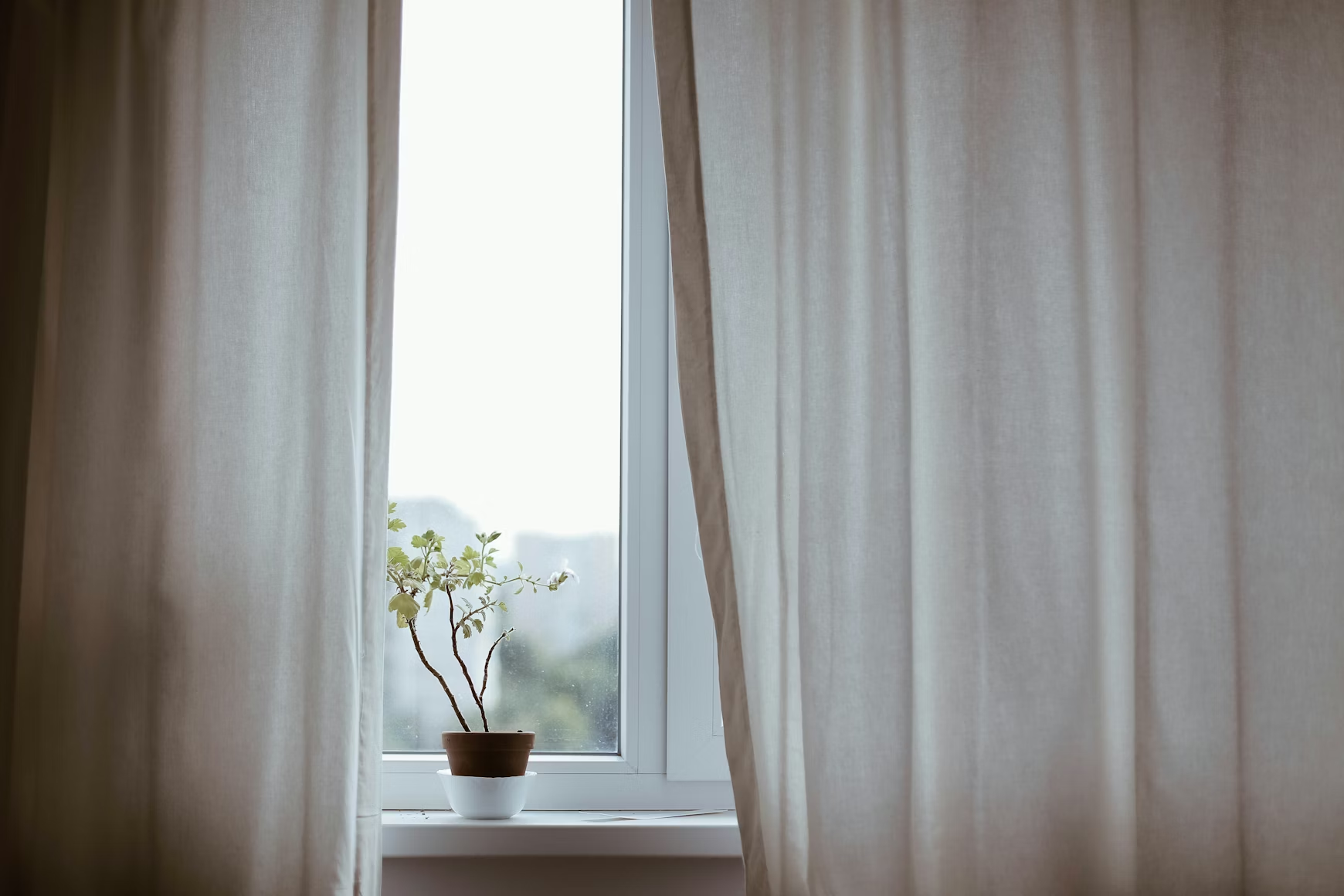
When we think about home security, most of us picture very visible equipment, but remember that not all security measures need to shout about themselves. Less visible options, such as window films, are a great way to get a safer home without impacting your interiors at all. By reaching out to a security window film supplier, you can reinforce your property’s weaker areas, without that protection being visible to the naked eye. That’s because window films are designed to be fully transparent, buying you peace of mind while still freeing you to choose whichever curtains you fancy.
Hide Security in Plain Sight:
CCTV in your home doesn’t need to be as out-there and obvious as it is in a commercial setting. There are now plenty of discreet home security cameras, many of which are actually available inside the home decor items that you’re likely already buying. Hidden cameras are available in everything from picture frames to air fresheners and wall clocks. You can even get cameras that are hidden in children’s toys! These additions look no different from a standard piece of home decor, and choosing carefully can help you find pieces that work perfectly alongside your color scheme and other decor items. Simply make sure you’re placing them in the right position to protect potential entry points around your home.
Use Lighting to Your Advantage:
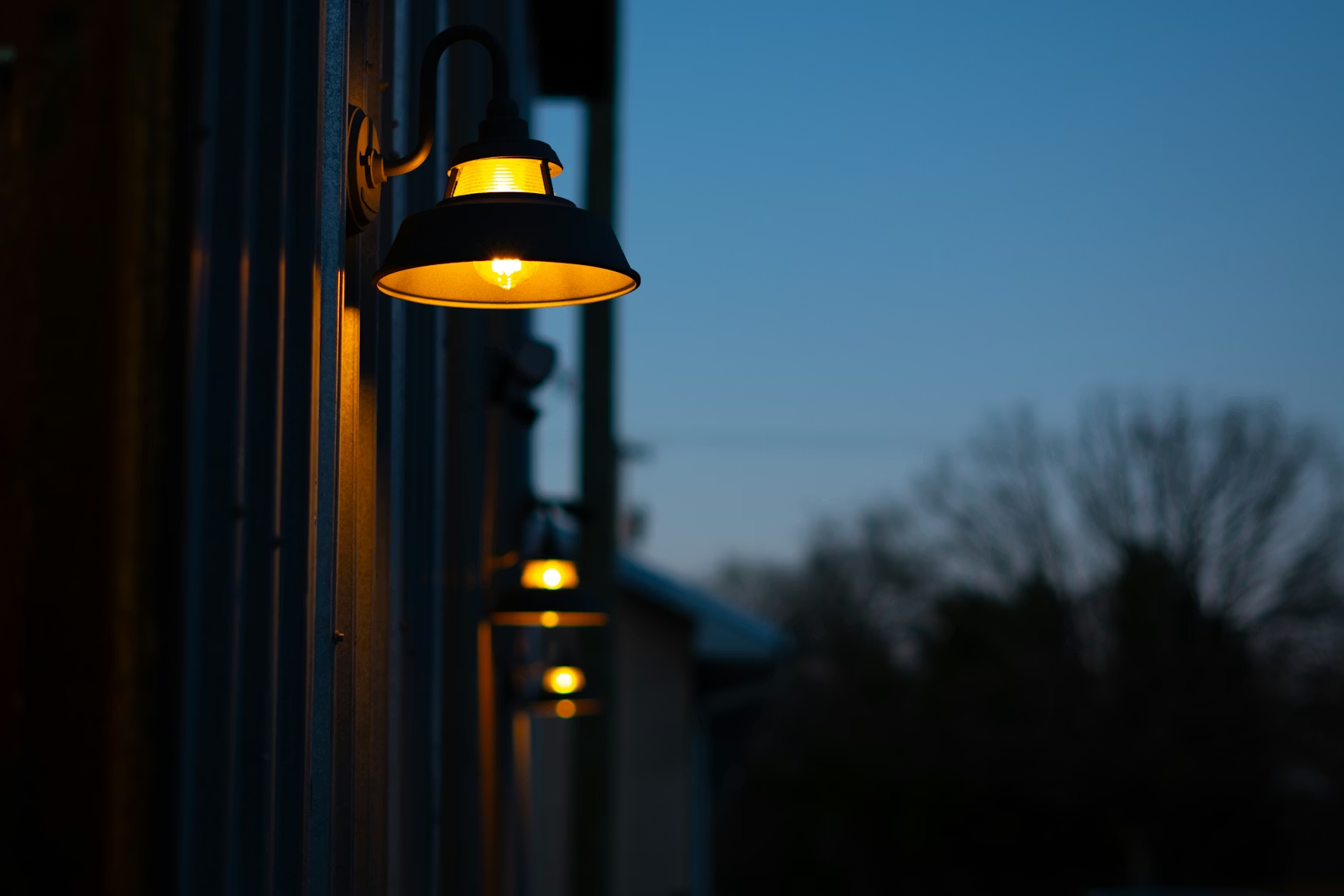
We don’t often think of lighting as a security feature, but considering that it improves visibility and makes it much harder for thieves to sneak around, it very much is. Luckily, lighting is also already something that you’re using in your home, and it can be a great home feature in itself. In fact, you can keep the lighting fixtures you already have and still benefit from additional security protections. Simply invest in motion sensors that allow your lights to turn on when someone approaches. These lights can look great while also acting as a major deterrent if you place them near any doors and walkways.
Home security doesn’t need to be an eyesore if you tackle it with these top decor tips in mind!
Featured Image By: Pexels








 lifewithlilred