Tag Archives: property owner

Think Roofing Veterans Just Climb Ladders? What Decades On The Job Really Teach

Standard
Think Roofing Veterans Just Climb Ladders? What Decades On The Job Really Teach

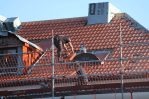
Ask most homeowners what a roofer with thirty years of experience actually does differently than someone who started last spring, and the answers tend to be vague. Faster with a nail gun, maybe. Tougher in the heat. The assumption is that seniority in roofing is mostly about physical endurance, a matter of putting in enough hours until the body adapts. That assumption misses almost everything that actually distinguishes a veteran roofer from a newcomer, and it undersells a trade that rewards judgment as much as it rewards muscle:

Roofing is physically demanding work, and nobody in the trade would argue otherwise. But the idea that long-tenured roofers are simply the ones who could take the heat longer than everyone else gets the causation backward. What keeps a roofer on rooftops for two or three decades is not brute endurance, it is the accumulation of pattern recognition that makes the work more efficient and less punishing over time. A veteran roofer moves differently across a roof deck than a first-year apprentice, wasting fewer steps, positioning materials before they are needed, reading wind and weather before it becomes a problem. The stamina people notice is often the byproduct of skill, not a separate trait that happens to coexist with it.

Another common belief is that most roofing issues are obvious, that a homeowner or a quick contractor visit can spot trouble just by glancing up from the yard. Veteran roofers know this is rarely true. A missing shingle is visible from the street. A compromised underlayment, a slow moisture intrusion behind flashing, or granule loss that signals the early stages of shingle failure usually is not. This is where decades of field experience change what gets found and what gets missed. A roofer who has climbed onto thousands of roofs has developed an eye for subtle signs, the faint discoloration that suggests trapped moisture, the slight give underfoot that indicates decking has softened, the pattern of wear that reveals a ventilation problem rather than an aging problem. None of that shows up in a curbside glance, and treating it as though it would is one of the more persistent misunderstandings homeowners carry into a roofing project.

This is also why the idea of a quick, surface-level check tends to fall apart once a homeowner sees what an experienced crew actually does. A proper roof inspection is not a five-minute formality performed to satisfy an insurance form. It typically involves examining flashing points around chimneys and vents, checking attic ventilation and insulation from the inside, assessing the condition of fasteners and seams, and evaluating how water has historically moved across the surface. Veteran roofers tend to treat inspections as diagnostic work rather than a box to check, because they have seen how often a small, overlooked detail during an inspection turns into a costly repair a few years later.

There is also a lingering assumption that once someone has decades in a trade, they have essentially stopped needing to learn anything new. Roofing complicates that idea considerably. Materials have changed substantially over the past twenty years, from synthetic underlayments to impact-resistant shingles and improved ventilation systems, and manufacturers regularly update installation specifications tied to warranty requirements. Veteran roofers who want to keep their certifications current and their crews compliant have to keep pace with those changes, not despite their experience but because of it. Long-tenured professionals in this field often describe the learning curve as continuous rather than front-loaded, a fact that surprises people who picture expertise as something achieved once and then coasted on.

Longevity in roofing also gets misread as simple toughness rather than as a career built on smart, sustainable practices. Veteran roofers are often the ones most insistent on proper fall protection, correct load distribution when carrying materials, and pacing work around weather rather than pushing through it. That caution is not a sign of slowing down, it is a professional habit built from watching what happens when shortcuts accumulate over a career. The trade itself has become more structured in how it supports this kind of longevity. The Bureau of Labor Statistics tracks employment patterns across roofing and other construction trades, and the data reflects a workforce where experienced practitioners remain active well beyond the point many assume physical trades become unsustainable.

Understanding what actually separates a veteran roofer from someone newer to the trade changes how homeowners should think about hiring for a roof project. It is not about finding the person who has been doing the work the longest in some abstract sense, it is about recognizing that the value of that experience shows up in specific, practical ways: catching problems earlier, recommending materials suited to local weather patterns, and knowing when a repair will hold and when it will only delay a larger issue.

The misconceptions surrounding roofing veterans mostly stem from judging the trade by what is visible from the ground rather than what happens on top of the structure itself!


Seasonal Changes And Home Preparedness

Standard
Seasonal Changes And Home Preparedness

Each new season brings its own special charm to our lives and homes. Think of the crisp air of autumn or the vibrant blooms of spring. As the world outside our windows changes, so do the needs of our homes. Getting ready for these shifts means you can kick back and enjoy what each season offers without stressing about unexpected house problems. Taking care of your home proactively not only protects your property but also makes your living space feel more comfy and secure all year long:

The shift between seasons is the perfect time to hit the reset button and freshen up your home. It’s like a natural nudge to do those tasks that keep your house running smoothly. In spring, that might mean a good deep clean and throwing open the windows to let in fresh air. In fall, it’s all about getting cozy and ready for colder weather. By matching your home care routine with the calendar, you create a rhythm that stops little issues from turning into big headaches. This way of thinking turns chores into a satisfying ritual of looking after your space.

Keeping track of everything that needs doing can feel a bit much, which is why a checklist is truly a homeowner’s best friend. Having a clear list helps you tackle tasks step-by-step, making sure you don’t miss anything important. For instance, spring is perfect for checking your air conditioning and cleaning windows, while fall is the time to inspect your heating system and clear out gutters. You can find a great seasonal home maintenance checklist to help you get started. For even more detailed advice, this home maintenance checklist offers excellent tips to keep your property in tip-top shape for every season.

Unfortunately, we’re not the only ones who react to seasonal changes. Pests are also on the move, and your home can look like a five-star resort to them. In spring and summer, bugs like ants and wasps get busier, hunting for food and new spots to build nests. As temperatures drop in the fall, rodents and other critters start looking for a warm place to spend the winter. They often sneak inside through tiny cracks and openings. When these uninvited guests become a real problem, professional pest control is usually the most effective and lasting way to protect your home.

While some maintenance tasks are seasonal, keeping an eye on things all year round is key to stopping problems before they even start. One of the best ways to do this is to seal up your home’s “envelope.” Regularly check your home’s outside for cracks in the foundation, gaps around pipes and utility lines, and damaged seals on windows and doors. Sealing these entry points with caulk or weatherstripping not only keeps pests out but also helps your home save energy. Simple habits like keeping your yard tidy, trimming overgrown bushes away from the house, and making sure water drains properly can also make your property much less appealing to pests.

You don’t need to be a home improvement guru to take simple steps that make a huge difference. You might even fall back in love with your home again! Adding a few easy habits to your routine can really cut down on the risk of pests and other household issues. Store all food, including pet food, in airtight containers. Wipe up crumbs and spills right away. Take out the garbage regularly and keep trash cans sealed. Fix leaky faucets and pipes promptly, because extra moisture attracts pests. Use screens on windows and doors, and repair any holes you find. Declutter storage areas like basements, attics, and garages to get rid of hiding spots.

These small actions really add up, creating a less welcoming environment for unwanted critters and giving you more peace of mind. Taking a few minutes each week to stay on top of these tasks can save you from dealing with a much bigger problem down the road!

Featured Image By: Unsplash

Signs Your Home Needs Some Extra TLC

Standard
Signs Your Home Needs Some Extra TLC

Our homes are our sanctuaries, those cozy spots where we kick back and recharge. But let’s be real, every house settles and ages over time, sending out little hints that it might need a bit of TLC. Sometimes it’s just a tiny crack we spot while sipping our morning coffee, and other times it’s a door that suddenly decides it doesn’t want to close anymore. Catching these subtle clues early can help you tackle small issues before they balloon into big, expensive headaches:

Spotting a crack in your wall or ceiling can definitely be a bit alarming, but don’t panic just yet – not all cracks are created equal. Those thin, hairline cracks that pop up around windows or door frames usually just mean your house is settling naturally. They’re mostly cosmetic and a little spackle and paint can fix them right up. But you’ll want to pay closer attention to cracks that are wider than a quarter-inch, run diagonally across walls, or show up above doorways and stretch all the way to the ceiling. These bigger, more jagged cracks could be a sign that your house’s frame is shifting because of foundation movement. If you notice these more serious imperfections, it might be time to chat with a professional foundation repair company to get their take.

Ever had a door that used to swing open easily but now scrapes the floor or gets stuck in its frame? It’s a common household annoyance, but it can also be a little warning sign. Sure, high humidity can make wood swell and cause doors and windows to stick, but if it’s a persistent problem, something else might be going on. When a house’s foundation shifts, it can warp door and window frames, making them jam or not latch properly. If you notice that several sticking doors and windows are giving you trouble throughout your home, especially if there are also visible cracks around their frames, it’s a pretty good indicator that the structure is under some stress.

Your home’s floors should feel solid and level. If you start to notice a definite slope in a room, or if your floors feel bouncy or soft when you walk on them, that’s a clear signal of an underlying issue. A quick trick to check for a slope is to put a marble or a small ball on the floor and see if it rolls on its own. Uneven floors can stem from problems with the floor joists or, more seriously, from a foundation that’s sinking or heaving in certain spots. You might also spot related signs like ceramic tiles cracking under pressure or baseboards pulling away from the floor, leaving a noticeable gap.

Water is one of the biggest enemies of a healthy foundation. If you have constant dampness in your basement or crawl space, a musty smell that just won’t go away, or visible water stains on walls, those are all big red flags. These signs of excess moisture tell you that water is getting into places it really shouldn’t be. It’s also important to check your home’s exterior drainage. Are your gutters clogged? Are your downspouts sending water far enough away from the foundation? If the ground around your home slopes inward, rainwater can pool right against the foundation walls, creating huge pressure and eventually leading to leaks and structural damage.

It’s awesome to be a hands-on homeowner, but it’s also smart to know your limits. You can totally fix a small cosmetic crack or adjust a door hinge yourself. But when you start seeing multiple warning signs then it’s time to call in an expert. A structural engineer or a foundation specialist can do a thorough inspection to figure out the real cause of the problem. Trying to ignore or just patch over serious structural issues will only lead to bigger, more expensive repairs down the road.

Catching these problems early can truly make all the difference. A little proactive care helps ensure your home stays a safe and stable haven for many years to come!

Featured Image By: Unsplash

5 Differences You Notice Instantly When You Get Your Roof Fixed

Standard
5 Differences You Notice Instantly When You Get Your Roof Fixed

Your roof is one of those parts of the house you probably don’t think about much until something goes seriously wrong. It’s only then that you start noticing drafts, potential ceiling stains, or even the unmistakable sound of dripping water during after a storm. That’s why you can’t miss the impact of repairing a damaged roof. No matter the level of repair you need, whether you are dealing with missing shingles, age-related deterioration, or even a minor leak, investing in professional roofing repairs will not only protect the top of your home, but it will also transform how your home feels:

Does your upstairs feel freezing in the winter? It’s no wonder that roof repairs are on top of the to-do list to winterproof your home. Your roof and attic are part of the thermal boundary that protects your living space from outdoor conditions. So when your roof doesn’t fulfill its job anymore, you struggle to regulate temperatures both in winter and summer. This is because the roof also provides a strong insulating function. It ensures the outside air doesn’t come into your home through the top.

Insulation doesn’t just make your home more comfortable. It also makes it cheaper to run because your heating and cooling system doesn’t need to fight against the cold winter air (or the hot summer air) inside the house. The HVAC system doesn’t need to work harder, and therefore your energy bills also show a difference. Naturally, you should ensure that insulation is suitable throughout the entire property and not just in the roof area, but there’s no denying that the roof is one of the major ways in for outdoor air.

There’s nothing quite like heavy rain when you are worried about roof leaks. You are likely to find damp patches on the ceilings just below the roof. This can also bring musty smells and long-lasting moisture problems. When your roof can withstand the rain, you can simply chill and enjoy a cup of hot cocoa while the rain pours outside… not inside!

No, seriously, it does. The roof may not be a mind-blowing difference you’d notice in photos. But it does improve the curb appeal of the property, even if you can’t pinpoint the exact elements that elevate its appearance. There’s no discoloration in the roof, no visible missing shingles, or no sagging sections. When the roof looks the part, the entire house looks better for it.

The roof is designed to protect the structure and materials underneath it, which in short, means the entire house. Damaged roof coverings can allow wind-driven rain into a building and that unresolved damage can eventually affect the entire structure’s strength. This means moisture can damage decking, seep into insulation materials, and fragilize walls.

Fixing roofing problems early is about much more than ticking one task off the to-do list. It’s a protective layer that looks after your home and your comfort!

Featured Image By: Unsplash