Tag Archives: hearing test

Are You Looking After Your Hearing Right?

Standard
Are You Looking After Your Hearing Right?

Protecting your hearing is a huge part of protecting both your mental and physical health and there are a lot of things you might want to think about to ensure that you are doing this effectively. In this post, we are going to consider some of the main ways in which you can look after your hearing with best practices you can start today. Like the following:

Hearing loss is rarely dramatic at first. It tends to creep in. High-frequency sounds usually fade before lower tones, which means consonants like “s,” “f,” and “th” become harder to distinguish. Conversations start to sound muffled, especially in places with background noise. You may still hear that someone is speaking, but clarity drops away. The brain works overtime to fill in the gaps. That mental effort can be surprisingly exhausting. Many people attribute the fatigue to stress or poor sleep, never suspecting that straining to hear is draining cognitive energy throughout the day.

You do not need to stand next to jet engines to risk damage. Prolonged exposure to everyday noise can be enough. Traffic, construction, power tools, loud gyms, concerts, and even constant headphone use all contribute. A good rule of thumb is this: If you need to raise your voice to be heard at arm’s length, the environment is probably too loud for prolonged exposure. The same applies to headphones. If someone sitting next to you can hear your music clearly, it is too loud. If you are using them for hours a day, even moderate volume can become an issue over time.

^^^ Pexels Image

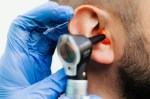
One of the most overlooked parts of hearing care is simply having a hearing test. Many people wait until they notice a clear problem, but by that stage, changes may have been happening for years. A professional hearing test is quick, painless, and far more detailed than most expect. It measures how well you hear different frequencies and volumes, identifying patterns that might indicate early-stage loss, noise damage, or other issues. Even if your hearing is currently fine, a baseline test gives you something to compare against in the future.

Looking after your hearing does not require drastic change. Often, it is about consistent small habits. Lower the volume on personal devices and use noise-cancelling headphones rather than turning music up to drown out background sound. Wear proper ear protection when using power tools or attending loud events. Give your ears rest periods after exposure to high noise levels. Be mindful of ear hygiene too. Cotton buds can push wax deeper into the ear canal, potentially causing blockages. If you suspect excess wax, professional removal is safer than attempting to clear it yourself. Hydration, general cardiovascular health, and avoiding smoking also play a role. The inner ear relies on healthy blood flow, and what benefits your heart often benefits your hearing as well.

Can you hear me now? Good! Keep it that way with these tips!

Featured Image By: Pexels

How Technology Has Changed The Performance Of Modern Hearing Aids

Standard
How Technology Has Changed The Performance Of Modern Hearing Aids

The technology within many of the modern hearing aids nowadays is incredible. It’s a lot different from the older versions, some one or two decades ago. Modern hearing aids have been transformed by AI, Bluetooth, and advanced signal processing. It’s shifted from simple amplification to intelligent and personalized sound enhancement. In this guide, we’ll take a look at how technology has changed when it comes to the performance of modern hearing aids and how they’re something to be sought after, rather than avoided by people who need them:

AI enables hearing aids to learn user preferences, whilst automatically adjusting settings in real-time. It helps you to switch from a quiet room to a busy street without needing to do anything. AI hearing aids are certainly the future of hearing aid technology.

With modern devices, they analyze sound in real time in order to reduce background noise and instead focus on speech. It allows the user better hearing in complex and noisy environments.

Modern hearing aids now eliminate the need for small, disposable batteries. Instead, users benefit from rechargeable hearing aids that can be charged overnight while you sleep. It provides all-day power, which is highly beneficial for uninterrupted audio experiences.

With modern hearing aids, it works with smartphone apps that allow users to fine-tune sound, adjust volume, and help to monitor battery levels directly too.

Some advanced models will include sensors that monitor physical activity, analyze environmental data, and track your heart rate, too. These insights can be great for improving your overall health and not just your hearing.

Audiologists are now able to adjust hearing aid settings remotely. It removes the need for in-person appointments for any minor tweaks that need to happen, which is helpful for those who might not live near an audiologist or hearing center.

With smaller and discreet designs, you’re getting a more comfortable and less noticeable device.

There are some tell-tale signs that you need a hearing aid or two. Such signs include the following:

  • Difficulty with conversations – Frequently asking people to repeat themselves.
  • Volume adjustment – Turning up the TV or radio to levels that are too loud.
  • Muffled sound – Voices and surrounding sounds are muffled or unclear.
  • Tinnitus – Persistent ringing or buzzing in the ears.
  • Social withdrawal – Avoiding social situations as it’s too exhausting or difficult to keep up with conversations.
  • Fatigue – Feeling stressed after conversations and fatigued as your brain is working harder to understand sounds.

Technology has changed the performance of modern hearing aids, so explore what they could do for you if you need them in the future!

Featured Image By: Unsplash

How To Shop For Your First Pair Of Hearing Aids

Standard
How To Shop For Your First Pair Of Hearing Aids

Shopping for your first hearing aids can feel a little daunting, especially if you’re not sure what you’re looking for or what the market of hearing aids looks like nowadays. There’s been a lot of significant advancements in hearing aids, so your idea of what they might look like may be a lot different from reality. It’s good to know what to expect when shopping for hearing aids and what steps are required to get them that are tailored for you and your hearing needs:

The first step to getting hearing aids is to book in with your local hearing specialist for a hearing test. A comprehensive hearing test will look at anything and everything when it comes to your hearing to understand what exactly is missing and what needs improvement. Have a thorough hearing test to not only check your hearing but to rule out anything that might be underlying as a medical condition that you weren’t even aware of. There are often reasons why your hearing loss is the way it is, and for some, that might be an infection or wax buildup.

Based on the test results you’re given, the audiologist will recommend some suitable hearing aid options. These may be prescription or over-the-counter options. Those who have mild to moderate hearing loss can purchase OTC hearing aids, but those with significant loss will be required to work with a professional to get a prescription device instead. This is due to the need for custom fitting and ongoing support for the user. Shop around for your options, as hearing care providers will often set their own prices and costs, which are bundled into the service.

This may be the point at which you realize that the options for hearing aids are vast and a lot more versatile than you first thought. To find hearing aids, the right style and features are a personal choice. Take a look at everything that’s offered to see which ones match your style and needs. Common devices include Behind-the-Ear (BTE), Receiver-in-Canal (RIC), and In-the-Ear (ITE) or Completely-in-Canal (CIC) models. Features of the device are important to consider too, like noise reduction, rechargeable batteries, and Bluetooth connectivity, for example.

Before you commit to the hearing devices, review any associated policies and be aware of any warranty attached to them. Be aware of what trial period you have available so that if needed, you can return them for a refund if they don’t work well for you. You also will want all of the details when it comes to the aftercare of your devices to ensure its longevity.

Finally, it’s time to get the hearing aids fitted properly and to adapt to these devices as you navigate day-to-day life. Keeping up with follow-up appointments will help to address any concerns you have so that adjustments can be made accordingly.

Life will change for the better once you find the hearing aid that is just right for you. Use the tips above to get started!