
All of us are getting older and none of us can escape it. But for those in our family who are much more experienced and wise than us, life can become a little harder. The body can wear out and the mind can let us down. Aging goes far beyond the odd wrinkle and gray hair. Do you have any senior members of your family that are starting to struggle? It might be worth considering what your options could be in the not-so-distant future:
Independent Living For Longer: We all want to be independent for as long as possible. To achieve that we must be fit and healthy. That’s where things can get challenging. If you haven’t worked hard to take care of your body over the years, then it can be more difficult starting later on. Still, it is possible to improve your balance, strength, stamina, and coordination. Like everything else in life, it just takes a little bit of work, patience, and practice!
There are far more senior fitness and activity groups around today than ever before. Why not encourage your relatives to participate? While many groups might attract older people, there is usually nothing stopping you from joining in, too. You could have a lot of fun and enjoy spending more quality time with your relatives.
There are also things you can do around the home to help your grandparents live there for longer. Single story living is ideal as we get older because balance can be more tricky on steps. Climbing stairs and descending them can be challenging as knees and hip joints start to age. Safety switch devices for hobs, ovens, and faucets can also be quite handy if you’re willing to invest in them.
Some older adults with underlying medical conditions may also suffer from incontinence. If your grandparents have such a condition, try to convince them to wear incontinence pads. Be kind and patient when suggesting this solution. Encourage your loved ones to confront the issue head-on, and use respectful words. Try to be in their shoes, and be sensitive to their thoughts and feelings. No one wants to be embarrassed over something they can’t control. Everyone, including grandparents, wants to grow old with dignity and grace.
You can also arrange for personal or emergency alarms to be installed should your older relative be vulnerable. Home visits can also make an enormous difference for someone who has to live alone. This can be performed by a qualified nurse or by a volunteer from the community trained in keeping seniors company.
Career Change For You? Of course, there is nothing stopping you from taking on a completely different role in this. If you’re looking for something new to do in your career, why not consider caring? If you already have experience in taking care of your relatives, then this might be a natural progression. There will always be jobs in this line of work and there will always be a need for people with your skills.

Pexels Image
If you’re willing to put in the extra study, you might be able to pursue a career in healthcare. There are many benefits to this aside from being able to better oversee the care of your relatives. Good pensions and pay are on offer for some of these roles. There are also good prospects for promotion. Perhaps most importantly, you can find this kind of work in every state.
There will, of course, be ethical considerations should you choose to undertake any part of your family member’s care. The more personal the needs are, the more difficult this decision can be. Ultimately, your relative will want to retain her dignity. Both of you will want to trust the people that are caring for her. And you will undoubtedly want to know exactly what is happening with her care plan. Professional knowledge, even if not directly applied, can give you and your Nanna peace of mind.
Nursing Home: Has your grandparent become particularly unwell? Perhaps they are suffering from a degenerative condition like dementia? You might have to consider the option of an assisted living and memory care facility or a nursing home. Maybe you’re worried about the cost of this? Government backed initiatives exist to help those who are most financially vulnerable.
It’s important when you start your search for a placement that you find nursing homes you can trust. Use a reputable search facility online that will also give you plenty of information about what you should be looking for. Sometimes seniors are not best placed to make the final decision about their choice of home. As the closest relative, that can put a lot of responsibility on your shoulders.
So what should you look for in a nursing home? First, consider the facilities that your Nanna will need. Her long term health plan will be the biggest factor here. If your relative needs the medical attention a nursing home can provide, ensure that you will be kept up to date with their ongoing health plan.
Other considerations will include the type of senior accommodations on offer. Is the room shared or private? Are child visitors welcome or are pets able to visit? Are there mentally stimulating activities? Are the meals being provided nutritious and tasty? What about physical and fitness-based activities on offer? You might prefer to have your grandparents in a nursing home that is close to your address. However, sometimes it’s worth the long journey to a home that is just right.

Ballin
Dementia and other long-term illnesses can bring about behavioral changes. These can be deemed challenging or even violent. Make sure that you are up to speed with the home’s code and policies for managing these more volatile situations, as some nursing homes are not well equipped to deal with this.
Always visit the nursing home that you are interested in a few times at different times of the day. Bring your senior relative to at least a couple of these visits. This can be a little upsetting, but it can also be quite assuring if your Nanna seems engaged and comfortable in these surroundings. It can be hard to leave your beloved relative in a nursing home, but if a care plan is necessary, it can be the safest option.
Bringing Your Relative To You: Another option is to adapt your home to have your senior relative live with you. There will undoubtedly be a need for care in the community appointments, so you need to make yourself available for that. You may find that you and your relative lose certain rights to state benefits with this living arrangement, so consider it carefully.
There are, of course, many benefits to having Nanna live with you. You can keep a close eye on her care and you can take over many of the more challenging day-to-day tasks like cooking for her. You know she will be as safe as possible under your roof, too. Best of all, she will have all of the company she needs to stay mentally stimulated and socialized.

Aw :*)
Sharing The Caring: Of course, if there is extended family out there, then you are certainly within your rights to expect them to share the caring. Your relative is the matriarch or patriarch of the family so the rest of the family must contribute. Obviously sharing the accommodation responsibilities can involve a lot of upheavals. That isn’t always practical. But you should expect other family members to come by and spend time there.
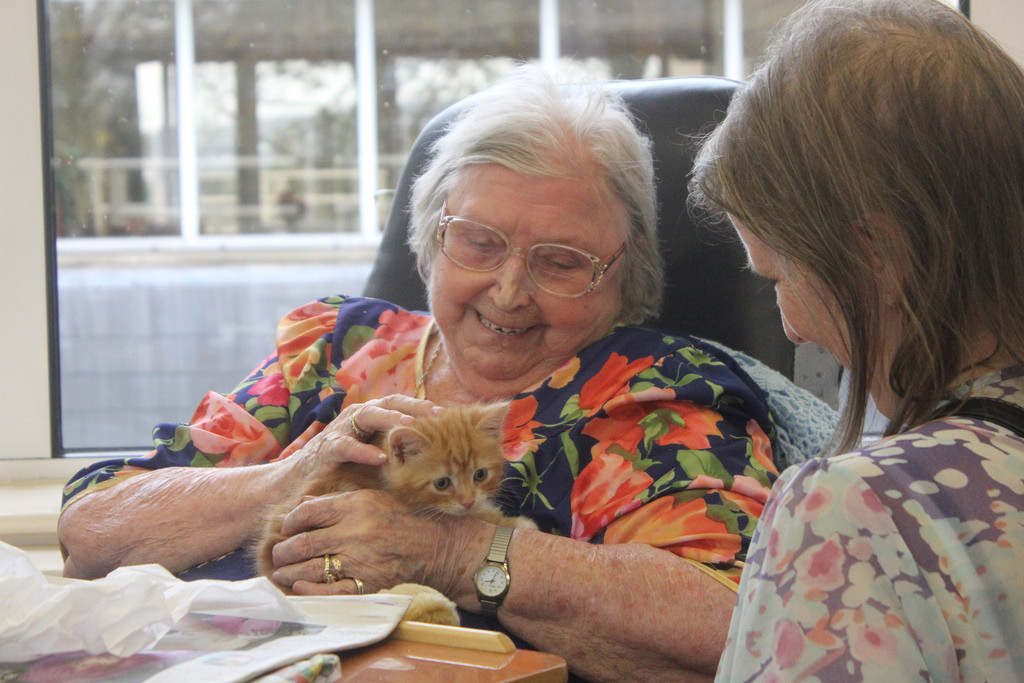
CAT!
Financially, there is likely to be more expenses for you than any siblings might have. Your senior relative may well be contributing from their pension. As for other expenses, ask everyone to chip in a fair percentage. You probably don’t expect to be paid for your hospitality or care, but medical bills on top of that shouldn’t all be on you.
By sharing the caring, all of the extended family can get involved to make sure your most senior relative is comfortable in their twilight years. Time is precious, so the others should be doing all they can to make every moment count.
Every person is different and every care plan will differ, too. In fact, they can change from one month to the next if ill health is involved. Consider all of your options before committing to something long term. What suits today may not be right for you tomorrow.
Featured Image By: Pexels

 lifewithlilred