
Dreaming of seeing your special lipstick shade on a shelf in Paris or your signature serum in a Tokyo boutique? For small beauty brands, that dream is closer than you think! The digital world has really opened things up, knocking down many of the old walls that once kept independent creators from connecting with customers all over the globe. But while social media can help you build an international following quickly, turning those followers into loyal customers requires understanding new markets, navigating tricky logistics, and ensuring every buyer has a smooth experience.
For smaller brands, competing with huge companies that have entire departments dedicated to global expansion might seem impossible. However, the trick is breaking the whole process into smaller, manageable steps to get your brand ready for international success:
Identifying Global Market Opportunities:
Before you even think about translating your website, you need to know who you’re translating it for. The first step in expanding globally is figuring out where people already want your products or where they might really take off. Don’t just guess or follow what everyone else is doing. Instead, let data guide your choices. Start by looking at your own analytics. Where are your social media followers located? Which countries send the most traffic to your website, even if those visitors can’t buy anything yet? Check for patterns in comments, direct messages, and shares. If you suddenly see a lot of engagement from Brazil or South Korea, that’s a strong sign there might be a market there. This kind of natural interest is your best clue.
Once you have a few countries in mind, dig a little deeper.
- Market Research: Explore the beauty culture in each country. Are people there interested in the kind of products you sell? Do they prefer natural ingredients, clinical formulas, or bold makeup colors?
- Competitor Analysis: Which local brands are already doing well? See what they’re doing right and if there’s a gap in the market for a brand like yours.
- Economic Factors: Think about how much money people generally have to spend, their habits when it comes to buying cosmetics, and how easy it is to shop online in that area. A country with lots of social media buzz but not many people using online payments might be harder to get into at first.
Navigating International Regulations:
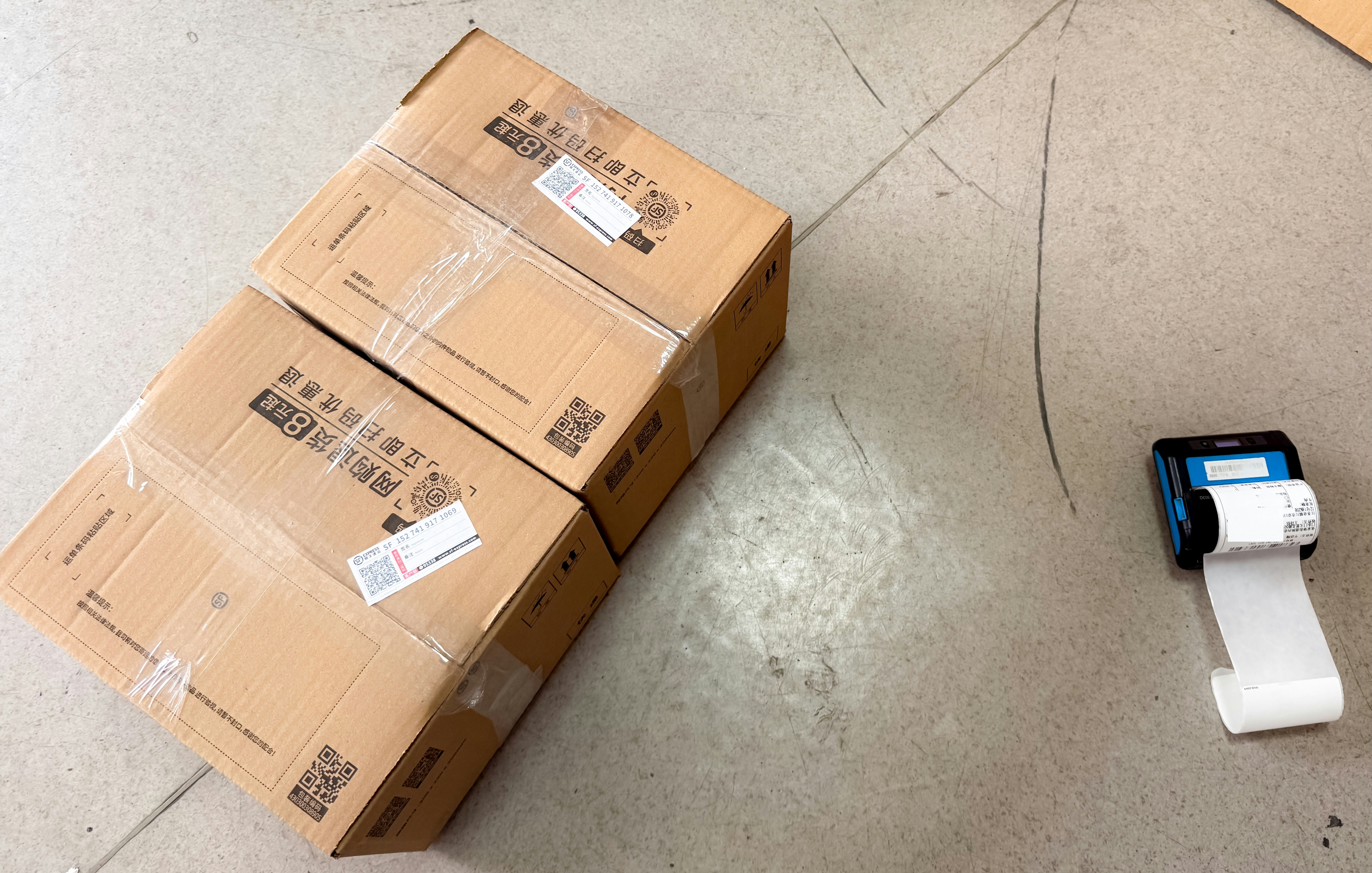
Unsplash Image
This part often feels the most daunting when you’re thinking about going global. Every country and region has its own set of rules for cosmetic products. If you don’t follow them, you could face fines, have your shipments seized, and really damage your brand’s reputation. For instance, the European Union has a famously strict list of banned and restricted ingredients, which differs from the rules in the United States or Japan. To avoid expensive mistakes, you absolutely have to do your homework. Here are the main things to focus on:
- Ingredient Compliance: Check your product formulas against the rules of each target market. Some ingredients that are perfectly safe and legal in one country might be banned in another. You might even need to tweak your products for specific markets.
- Labeling and Packaging: Regulations specify exactly what information must appear on your labels, from ingredient lists and product volume to manufacturer details and safety warnings. This info often needs to be translated into the local language. Certain symbols, such as the period-after-opening (PAO) symbol, are also required in regions like the EU.
- Product Registration: Many countries require beauty products to be registered in a national database before you can sell them. This process can be complicated and time-consuming, sometimes even requiring a legal representative based in that country.
It’s a really good idea to work with a regulatory consultant who specializes in the cosmetics industry. While it’s an upfront cost, their expertise can save you from huge headaches and financial losses later on, helping you with all the details of the cosmetics industry on a global scale.
Streamlining Cross-Border Shipping:
A customer in another country clicks “buy.” How do you get your product to them quickly and affordably? Shipping across borders is a major challenge for small brands. High costs can lead to abandoned carts, while long delays and unexpected customs fees can quickly sour the customer experience. Trying to manage all of this yourself can turn into a logistical nightmare. This is where partnering with a third-party logistics (3PL) provider can make a real difference. These companies specialize in storing, packing, and shipping products for e-commerce brands. A 3PL with a global network can give your small brand the shipping capabilities of a much larger company. Instead of sending every order from your home base, you can, for example, move a larger batch of stock to a warehouse in your target region, such as the EU. From there, the 3PL handles delivery to individual customers. This approach, often called distributed inventory, can significantly reduce shipping times and costs for the person placing the order.
The right partner can manage the logistics of Europe fulfilment, from storing inventory in the region to getting each order to your customer’s door. They can also assist with customs paperwork and duty calculations, helping your packages move through borders with fewer delays. That gives you a smoother way to serve international customers while freeing up more of your time to focus on marketing, product development, and growth.
Building a Reliable Supply Chain:
Your supply chain is the backbone of your business as it covers everything from getting raw ingredients and packaging to actually making the final product. When you expand globally, your supply chain needs to be strong enough to handle more demand and any bumps in the road. First, take a look at your current suppliers. Can they keep up if you grow? If you suddenly get a huge order from a new international distributor, can your packaging provider or ingredient supplier meet that demand without sacrificing quality? It’s really important to have these conversations early on. You should also consider having multiple suppliers, as relying on a single source for a key ingredient or component is risky. If that supplier runs into a problem, your whole production line could stop. Having a backup supplier, even if you don’t use them regularly, gives you a vital safety net.
As you move into new markets, consider sourcing materials closer to those markets to lower shipping costs, shorten delivery times, and even reduce your carbon footprint. For example, if you’re selling a lot in Europe, it might make sense to find a packaging supplier in Poland instead of shipping boxes all the way from Asia. A strong supply chain is crucial to expanding your skincare brand and ensuring you can deliver on your promises to new customers.
Customer Service for Global Buyers:
Excellent customer service builds trust and loyalty, and this is even more important when you’re dealing with international customers who might be a bit more hesitant to buy from a brand they don’t know. A great customer service experience can turn someone who bought from you once into a lifelong fan. Start by making information super clear and easy to find. Your website should have a dedicated FAQ page that answers common international questions.
- Shipping: Be upfront about shipping costs, delivery time, and any potential customs fees. Provide tracking information for all international orders.
- Returns: Have a clear and simple international returns policy. While international returns can be costly, making the process difficult or impossible will stop customers from buying in the first place.
- Language: While you might not be able to offer full customer support in every language, you can use translation tools to create FAQ pages in the languages of your main markets. For email support, a reliable translation service can help bridge any communication gaps.
Think beyond just reacting to problems and actively build a community with your global customers. Share their user-generated content on your social media, and consider working with local micro-influencers in your target markets. These influencers can serve as brand ambassadors, creating content in the local language and building trust with their audience. This personal touch shows your international customers that you value them and are committed to serving their market.
Taking your beauty brand global takes careful planning and a willingness to adapt. Focusing on these key areas helps you build a strong foundation for international growth and share your unique vision with the world!
Featured Image By: Unsplash

